
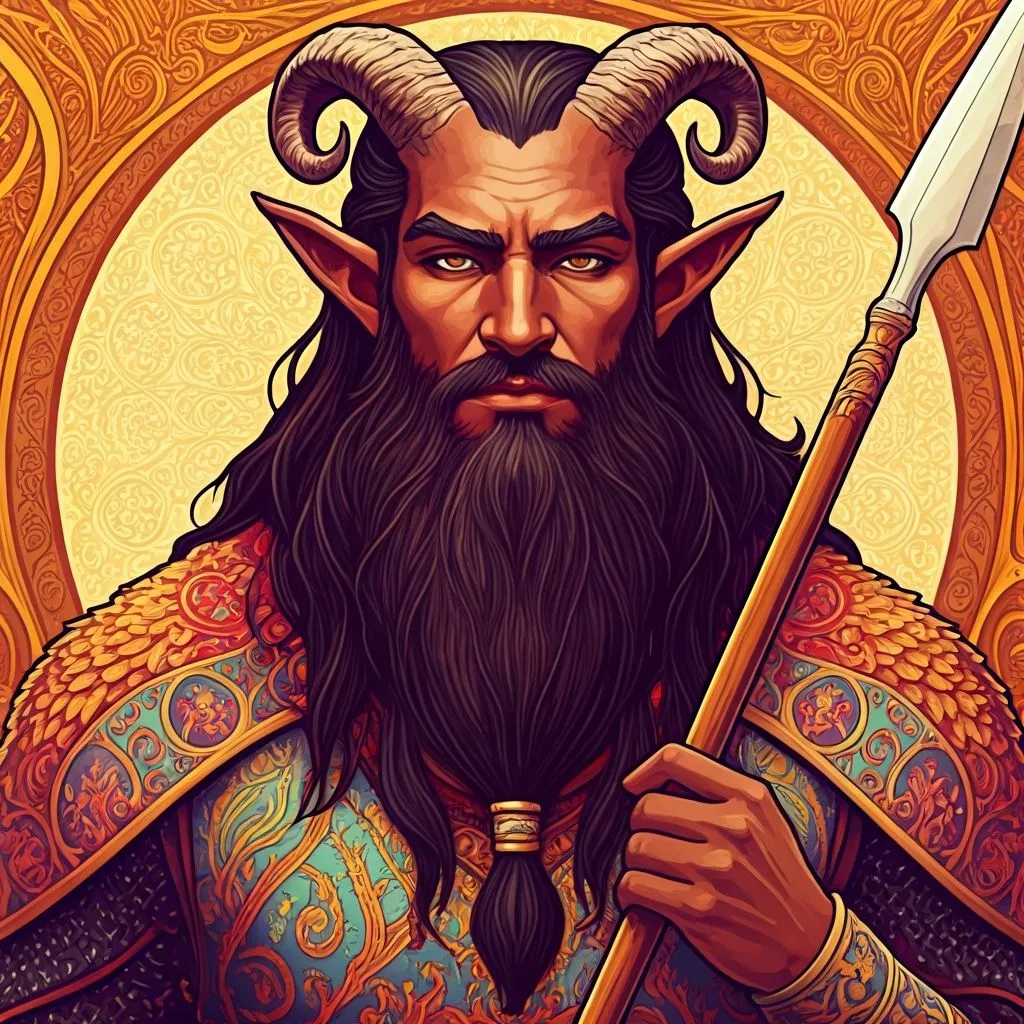
Dhudhom Aulvirpaw- Desert Aulvi
The dudhom aulverpaw, or desert aulvi are a very new ethnicity among the aulvi. All aulvi born on the surface have been desert aulvi, due to their new homeland being in the large desert center of the daebzat crater that spans thousands of miles. Desert aulvi are very similar to cavern aulvi, with two major exceptions. The first is that they lack the caver aulvi's ability to see in darkness. The second is their resistance to the heat of the Hechesoien sun, and fire in general, by extension.
Some aulvi, due to their natural ability to adapt, have changed into desert aulvi from Chíwùl Aulvirpaw-Cavern Aulvi , but most of those are younger as well, with the majority of the polulation of desert aulvi being the youths under one-hundred years old. As aulvi don't reach full maturity until one-hundred fifty, and aulvi have only been on the surface, even the oldest desert aulven children are just now reaching their naming day ceremonies.
The oldest naturally born desert aulvi is Ů, who's name means "sun". She is the daughter of the aulven queen Blazing Star , and has recently had her naming ceremony, the largest such ceremony in aulven history to celebrate the naming of the first aulvi born on the surface. she recently changed her name to be Ůshmeíl, whuch means "sunshine." The Desert aulvi make up most of the guards of Gënlèul- Land of Dawn, as they can patrol the city without need for heat protection, and it is perhaps due to this, that many such guards adapted from cavern aulvi faster than their other kin. This often also leads to the chíw having night watches, and the dudhom having day watches.
As with cavern aulvi: skin, hair, horn, and eye coloration vary wildly, though desert aulvi have a slightly greater likelihood of having "warm" colorations, such as tanned or reddish skin, red or yellow eyes or hair, or golden or fiery red horns. While many desert aulvi still have other colors, there are a slightly higher percent who have these warmer colors than their chíw kin.
Naming Traditions
Unisex names
Ůthóth - Sunflower
Sáùlŕukhii - Blueberry
Jör̈ùlthütùl - Dragonfly
Tyeùlyr-luuùl - Ashen Sky
Nwůzùlrhutnwaw- Onyx wind
Dhuhyœ- Harmony
Other names
Both male and female names reflect the natural world and the six elements coming together in harmony.
Culture
Major language groups and dialects
Aolven
common
anadi
Culture and cultural heritage
Cultural heritage stems from cavern aulvi heritage, but involves more walking in the desert, and the hot sun.
Shared customary codes and values
care for everyone
give as much to the society as you can, so that the society can give to you
seek to be better, whatever that means for you
Common Etiquette rules
if you see someone in need, help them, or ask for help
cuddle with others
provide light when in the dark
eat in eating areas
sleep in sleeping areas
seek therapy no less than once monthly
Common Dress code
genitalia and bottoms must be covered in public.
Art & Architecture
Art is emerging among the aulvi, though art specific to desert aulvi is hard to find as desert aulvi adults were all once cavern aulvi, and all desert aulvi born as such are not old enough to be adults.
Funerary and Memorial customs
Death is known as post-life for the aulvi. Most aulvi who have bodies become mummies, those who do not, or have bodies that are overly damaged become ghosts. These undead are equal members in society and represent another category of citizens unlike anywhere else in the world. When a mummy is destroyed, they may become a ghost, or, like when a ghost is destroyed they might simply become a glass spirit, and join the spirit host in the glass wall surrounding their city.
Common Taboos
enslave another, or otherwise seek dominion over others
harm the public trust
leave an aulvistone of a fallen if you are capable of rescuing it without being in danger yourself
Ideals
Beauty Ideals
Masculine beauty ideals focus on bright colors and wearing less clothing, many males eschew a top altogether, save for the strap for their backpack, and have flared, multicolor pants.
Feminine beauty ideals tend toward more sheer clothing, rather than less clothing. As desert aulvi have no difficulty with the blazing heat of the desert, female desert aulvi tend towards long thin dresses or semi-sheer clothes that are tight at the connections, but flowy where they do not end.
Desert aulvi of both genders enjoy waering accessories, such as bangles, hair bands or clips, horn adornments, and temporary or magical tattoos, though aulvi do not tend towards piercings, as those are permanent changes to their immortal bodies, though horn piercings are common, as many aulven horns shed over time.
Many mixtures of these trends exist, and bright, often clashing colors are preferred, in naturally grown fibers, and either moth or anadi silk.
Gender Ideals
Male, female, and all other gender aulvi live together, and have very little in the way of required differences.
Male aulvi who tend toward masculine ideals see that as a nurturing role that involves defense and protection, but not at the expense of other good people. It is also important for males to spend time with the children in all ways, as males do not have the advantage of connection that having a child can add, and many aulvi orphans are looking for a father figure.
Female aulvi who tend toward feminine ideals see the roles of family protection as well as attention to detail. Women tend to be scouts in military quads, at least historically, though this is by no means requires or expected.
Courtship Ideals
Desert aulvi have no specific courtship ideals, as many aulven traditions depend on their partner. Aulvi tend to have short, loving interactions, but take as long as is necessary to determine their affection for another. Relations with other aulvi are just as common as those with anadi or humans, though without specific customs, the primary interactions that differentiate them from common courtship are as follows.
Aulvistones: the first interaction between prospective intimate partners is the touching of aulvistones. If the stones remain dim, then they are unrelated by at least seven steps. If there is a dim amber glow, then they are related within 5-6 steps, and must get permission before any acts from aulven healers who can determine the safety of any such interactions. A medium orange glow indicates a relationship between 3-4 steps, this would be a cousin or second cousin at the closest, but would also represent with a direct line of descent, no matter how many generations, and intimate relations of this manner, or closer are forbidden. A bright red glow represents a relationship that is 2 steps away, this would be an uncle or aunt or niece or nephew. A bright golden glow represents a sibling or parent.
Once the aulvistones determine that a relationship is acceptable, the aulvi may become intimate, though relations before 140 are forbidden, and relationships before 150 are frowned upon.
Marriage (and similar relations): Aulvi marriages are long, but not eternal, often lasting longer than the partner's life, if the partner is non-aulvi, but not eternal among aulvi. The ceremony is as extravagant as is wanted, and, in the case of aulvi, often involves the obtaining of a magical tattoo. The tattoo, when tapped has two functions: 1 always tells you what direction your partner is in, and 2: when held, gives your partner a slight sensation of warmth to let them know you are thinking of them. Different rituals similar to marriage exist for a few of the aulven forms of love, such as the love of rivals, and the love of friends. Such ceremonies are just as valued as marriage among aulvi. Another note is that, while uncommon, aulvi have no laws or customs against polyamorous marriages, and many aulvi prefer that their partner have intimate relations with others when they are not available. Many such arrangements are always ironed out among the aulvi in question, and are almost universally respected once determined.
Aulvi who marry outside of aulven bloodlines often merge the cultural marriage ceremonies, for example aulvi who marry Anadi- Kolobvol will sew their scarf with materials that aulvi can grow, and often sew magical runes into the cloth, as they would for getting a magical tattoo, with the same restrictions and benefits. Aulvi in relations with non-aulvi make a point to respect the marriage norms of those societies.
Relationship Ideals
Aulvi relationships seem very complicated among non-aulvi, as aulvi put a much larger emphasis on all forms of positive relationships than do any other race. Friendship, sexual relations, intimate relations, rival relations, and even the love of all others all have importance in aulvi culture that rival traditional relationships.
Aulvi are incredibly close knit, and often stay in pyramid-housing with friends as they grow up. Aulven civilizations believe in collectivistic raising of children, and while the primary parents hold the majority of the burden of child-rearing, nowhere on Vyům is the phrase "it takes a village" so pronounced as in an aulven city. Every aulvi looks out for every other aulvi. The communal sleeping areas allow all aulvi to cuddle with one-another as they sleep, and the only exceptions are that children have their own spaces, while adults have theirs. Usually, intimate partners will sleep close to one-another, but it is not uncommon for intimate partners who are apart to cuddle with friends or strangers. In fact, an aulvi sleeping alone is a concerning sight, and other aulvi will often check with a solitary aulvi and see if they need help or comfort.
This closseness often discomfits other races when aulvi travel alone, as other races are much less comfortable with either the aulvi need for physical touch, nor for a night-light.
Major organizations
any aulven organizations are desert aulvi organizations

Comments