

Weapons of Vreathe
Author's Note: This article attempts to categorize and explain the myriad of tools people on Vreathe use to fight each other. The first section describes the various materials used to make these weapons while the later sections will describe individual weapon types. This article is meant to be exhaustive, but might be incomplete in certain areas. As always with everything I do with worldbuilding, this is a work in progress.
Also, there is an article which covers specific unique and legendary weapons here: Weapon Catalogue.
Also, there is an article which covers specific unique and legendary weapons here: Weapon Catalogue.
Weapon Materials- Metals
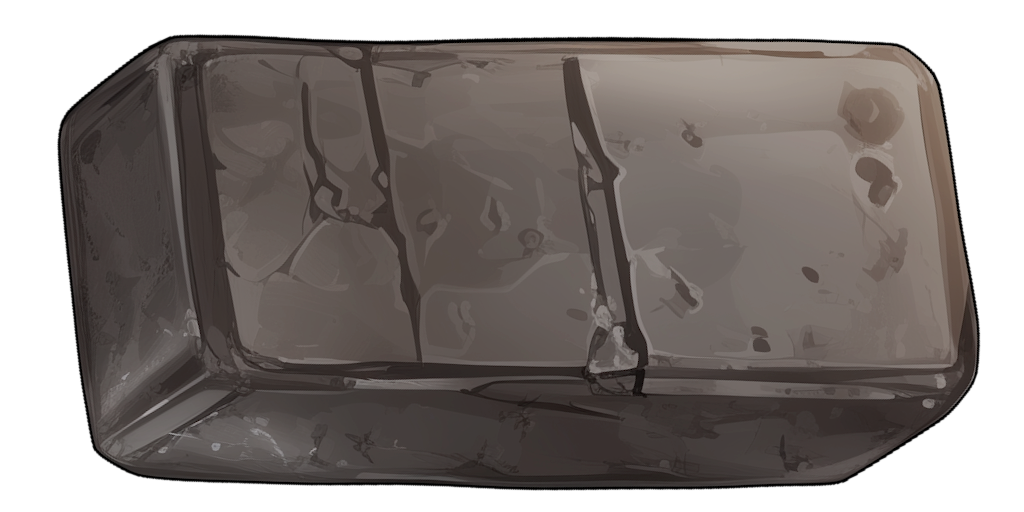
Iron
Before the Iron Age, Elves had a number of objects made out of native Telluric Iron, and some weapons still survive to this day. One example is Inurndor, a sword with a black blade that was said to be able to break any armor and shatter any weapon it clashes against. This is more due to the weapon's enchantment than the soft metal it is made of. All iron weapons made today are actually some form of steel alloy, whether it is Carbon Steel, Stainless Steel, or Gemsteel.

Plainsteel
Also called Carbon Steel, this is the preferred material for creating the vast majority of weapons across Vreathe, whether it is swords, guns, axes, and more. Most armors are also made of this metal in some way. The metal is strong, somewhat flexible, reasonably resistant to magic, and can withstand corrosion with proper care. Blades made from Plainsteel are able to maintain a sharp edge for many years. The list of unique weapons made with this metal are too numerous to list.

Brightsteel
Also called Stainless Steel. One disadvantage of Iron weapons is that they can melt when they are hit with too much mana. Plainsteel can absorb this magic buildup to a degree, but often isn't enough. Adding Chromium makes up for this weakness because this element is an effective Mana Reflector. Most incoming magic attacks are harmlessly reflected away.
This is not the advantage it might seem to be because Stainless Steel is not good for using with any weapons that might be used for spellcasting, as it will actually cause the casted spell to reflect into the body, causing massive internal trauma. Because of this, stainless steel is only used in non-magical applications, or in specialized anti-mage units.
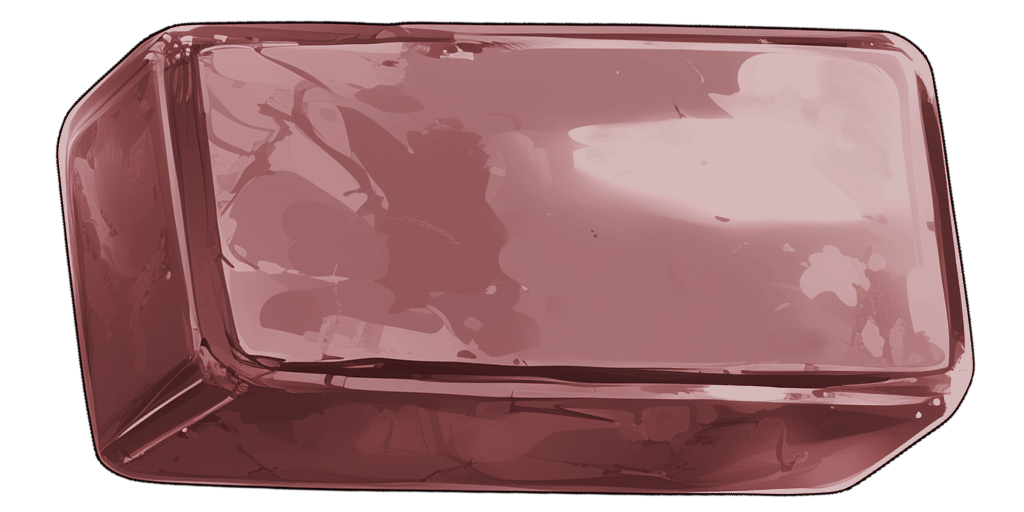
Gemsteel
Gemsteel is created by adding Aethercite dust to the metal during the smelting and forging process. If done properly, the metal will take on an appearance similar to the crystal that helped create it, and will also start to show properties of the crystal. A popular aethercite choice for weapons are Rubies, which will turn the steel slightly red, and also allow the wielder to amplfy and channel powerful fire spells directly through the blade.
Because of the numerous different types of Aethercite, the quality, strength, and abilities of Gemsteel are too numerous to list here and weapons made from this metal are as common as plainsteel in some cases. Numerous legendary weapons have been created from this metal.
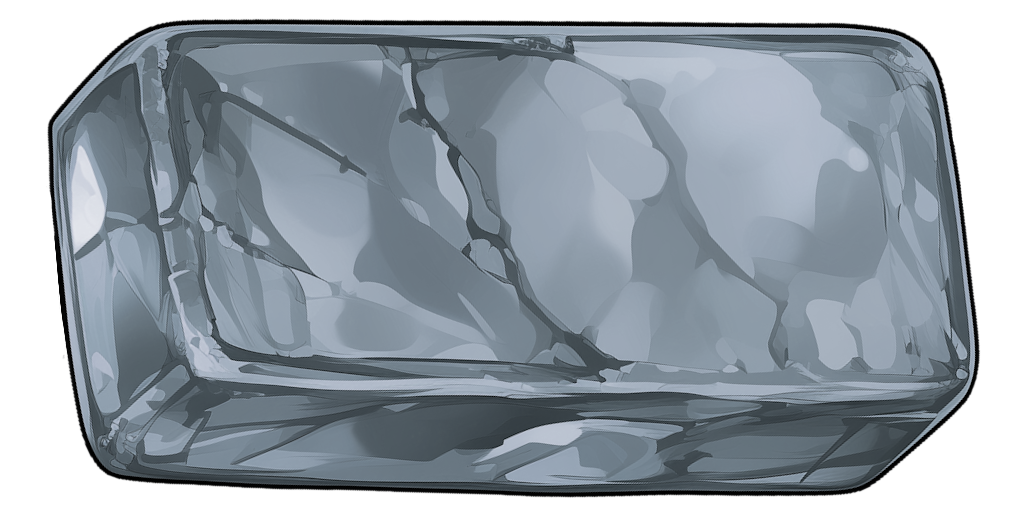
Cobalt
One way to deal with Iron's weakness to mana is to create a sort of Mana Sink to throw away excess absorbed mana. This is where Cobalt comes in, which can absorbe hundreds of times more mana with no ill effects. Most swords have a small cobalt core somewhere on it, usually in the pommel, and is less than 5% of the overall weapon weight. This is often more than enough to deal with mana effects on the rest of the blade.
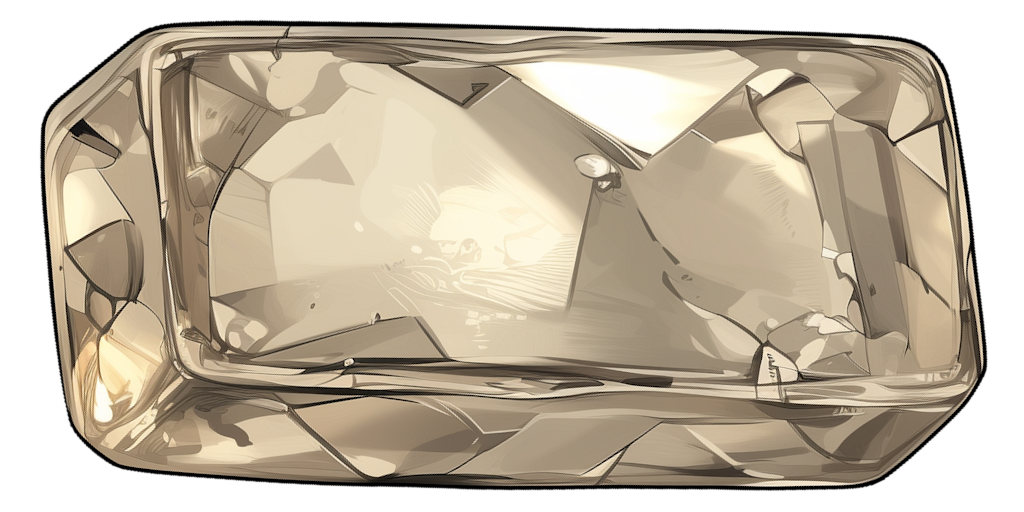
Nickel
Nickel can be enchanted with magic rather easily, and it shares some properties with cobalt and iron. This metal is most often used to plate the outside of shields and larger swords. Channeling magic into these weapons will then cause the nickel to do something, depending on how it was enchanted, from creating flames and lightning bolts, to projecting a mana field, or temporarily peeling off the blade and flinging forward in a torrent of molten slag.
Copper, Silver, Gold
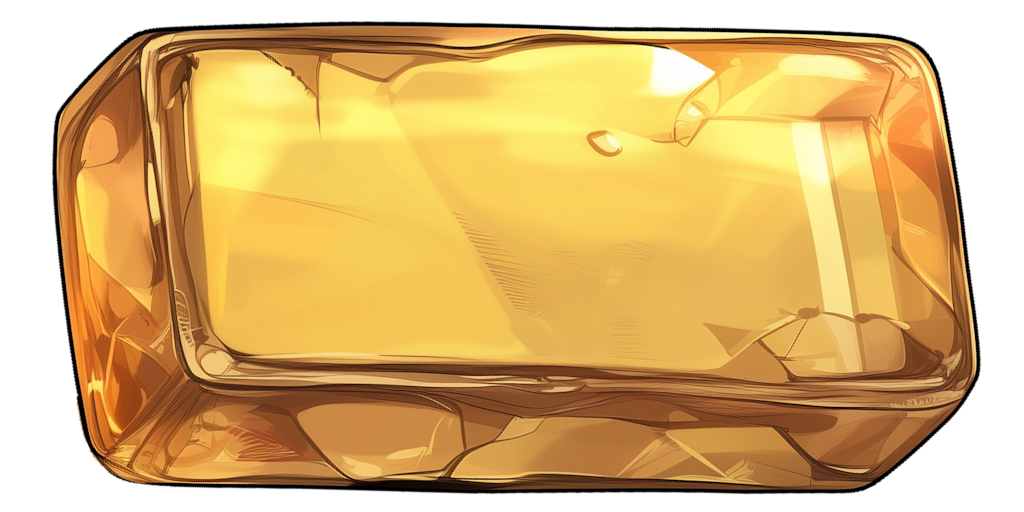
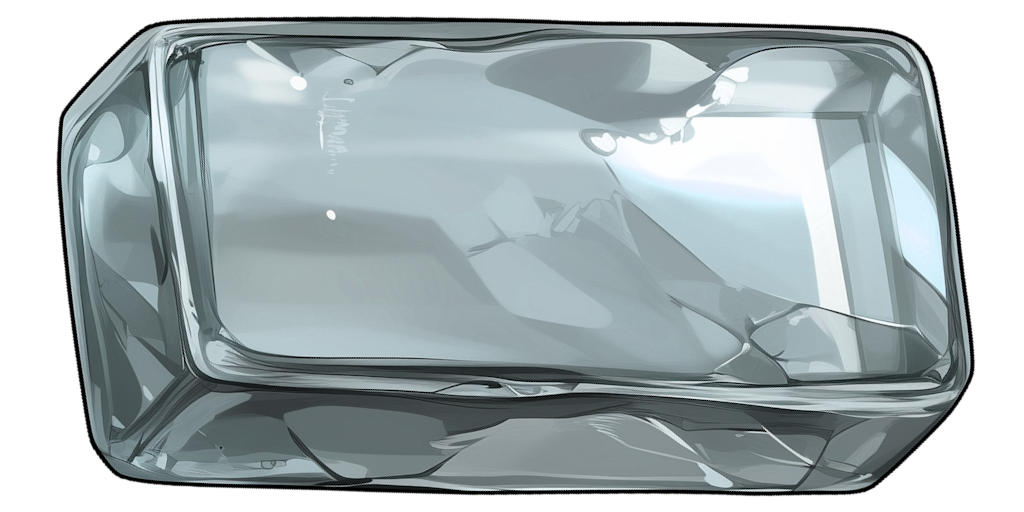
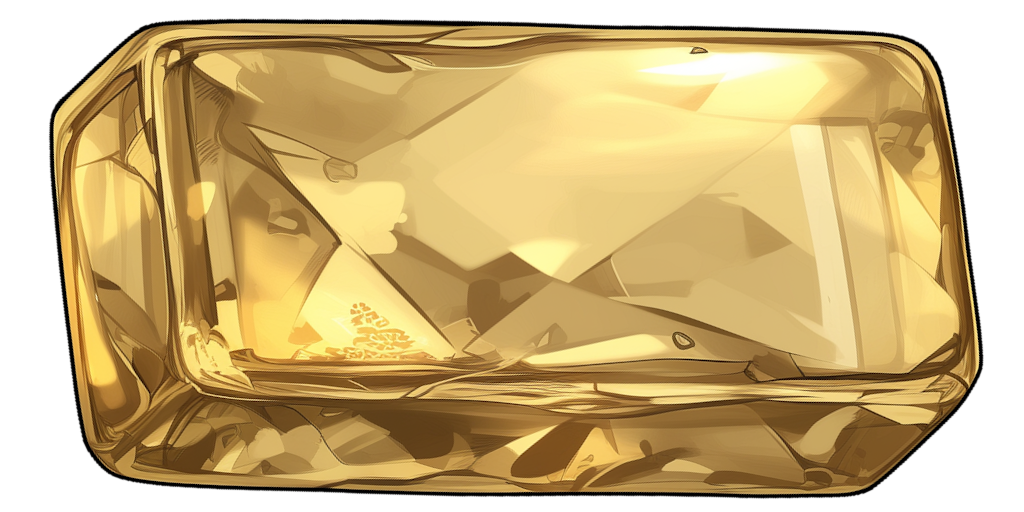
These three elements are excellent at being a Mana Conductor and makes channeling magic a breeze. And with a Mana Resistance of near 0, they don't hold a charge, which means they can channel pretty much any magical effect with no recurison or change to the base metal. Unfortunately these metals are too soft in their base forms to be used as good weapons and are instead inlaid in patterns on the handles and blades, or used as the core of the weapon.
The only real differences between Copper, Silver, and Gold are their corrosion resistance and their ability to conduct mana. Silver Conducts mana the best, followed by Copper, and then Gold. Gold is the most corrosion resistant and will last almost forever. Copper is the cheapest of the three and available everywhere with Gold being the most expensive.
Bronze
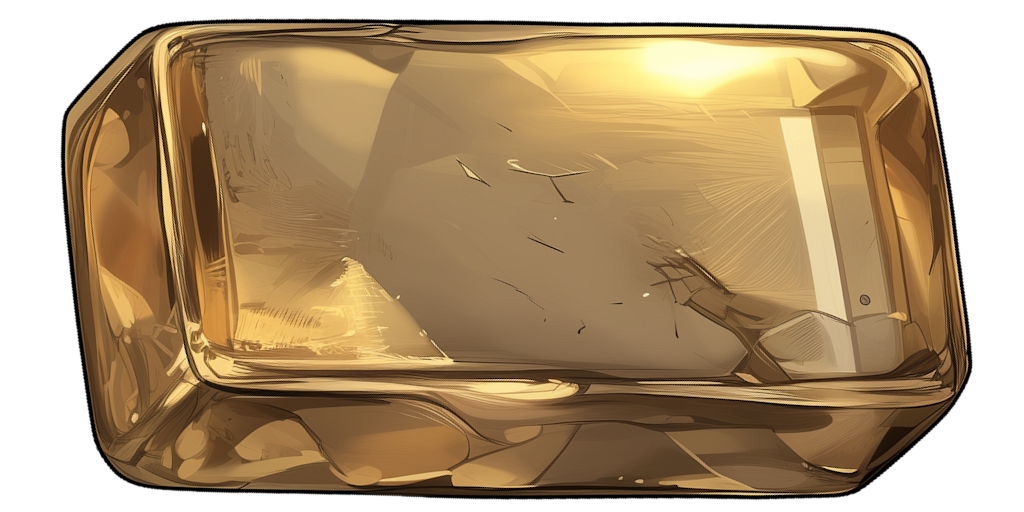
Bronze isn't going to win any contest of physical force against steel weapons. Steel is flexible while bronze can be easily bent out of shape. Bronze blades also can't maintain a sharp edge as well as a steel blade can. The metal makes up for it in its ability to channel magic while maintaining a reasonable strength. It isn't as mana conductive as other metals, but it is able to dissipate this energy much more easily than Steel can. Because of this, Bronze is the preferred material spellcasters use in the majority of their melee weapons.
Pure bronze weapons tend to be large solid pieces, such as axe heads or the ends of staves. As only the surface of the metal is needed to channel magic, The metal is often used as plating over other metals.
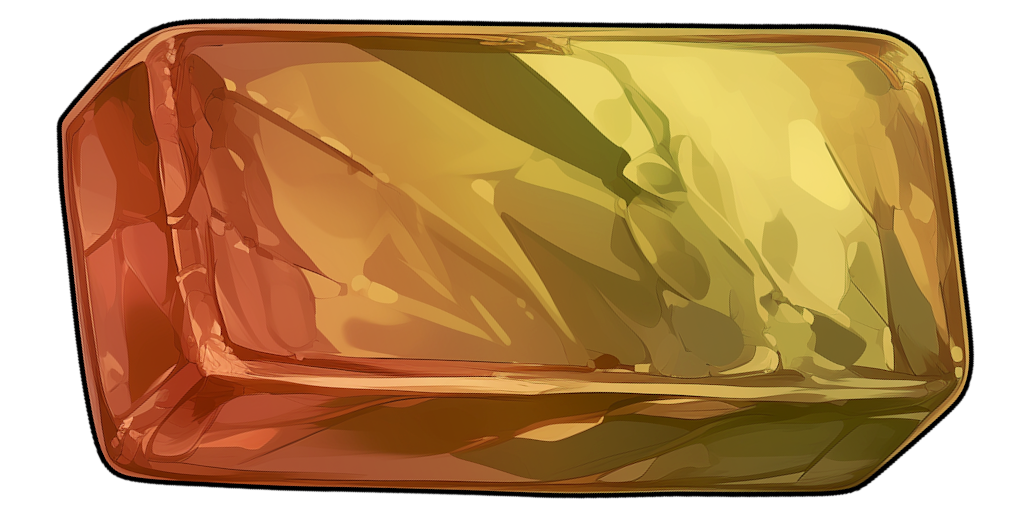
Orichalcum
At first glance, this rare metal might seem similar to Brass or Bronze, but it is not. Orichalcum is extremely rare on Vreathe though small deposits have been found in specific areas. These areas are where the Gods Tellars and Liamond fought. Liamond is a god from another world, and Tellars is the herald of Silnos himself. There is still debate over where exactly this metal came from.
Orichalcum combines the qualities of high quality Steel with that of Bronze, providing a tough weapon that can also channel magic with ease. The metal is also easy to enchant, giving it properties of Nickel as well. This everything metal is great for weapons and armor, but due to its rarity, it is unbelievably expensive.
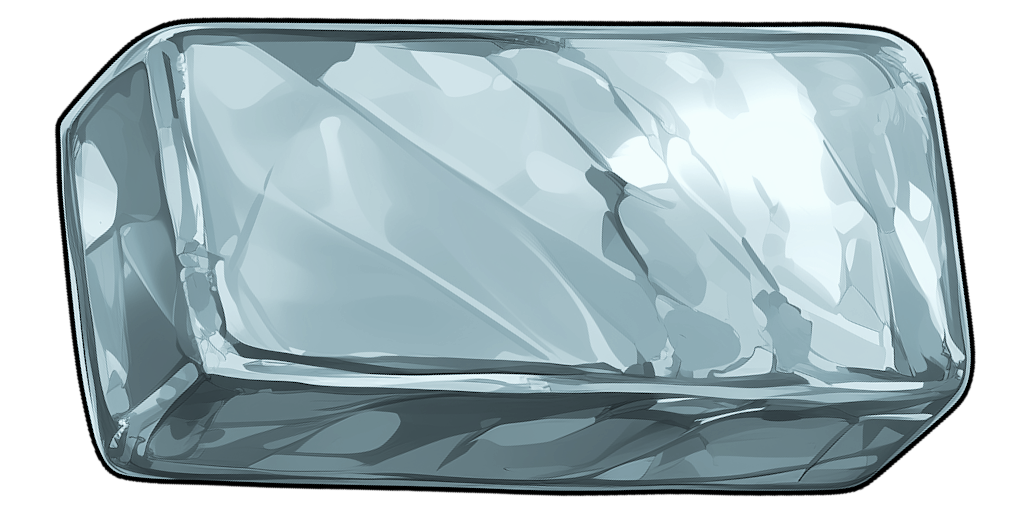
Adamant
Back in the Silver Age, the Olimians were looking for ways to make weapons and armor that could stand up to the gods, creating a metal known as Adamant. It is speculated that this metal is just an impossible variety of Gemsteel that uses Diamonds as the base crystal. The Silver Race was said to have produced great amounts of this material, but when the Silver Age Cataclysm occured, the metal was obliterated and buried across the world, and currently exists in small mangled chunks everywhere.
When enough is gathered, it can be melted down and reforged into a weapon of unsurpassed quality, strength, and magical capability. The metal is so rare that only arowheads and daggers were ever made.
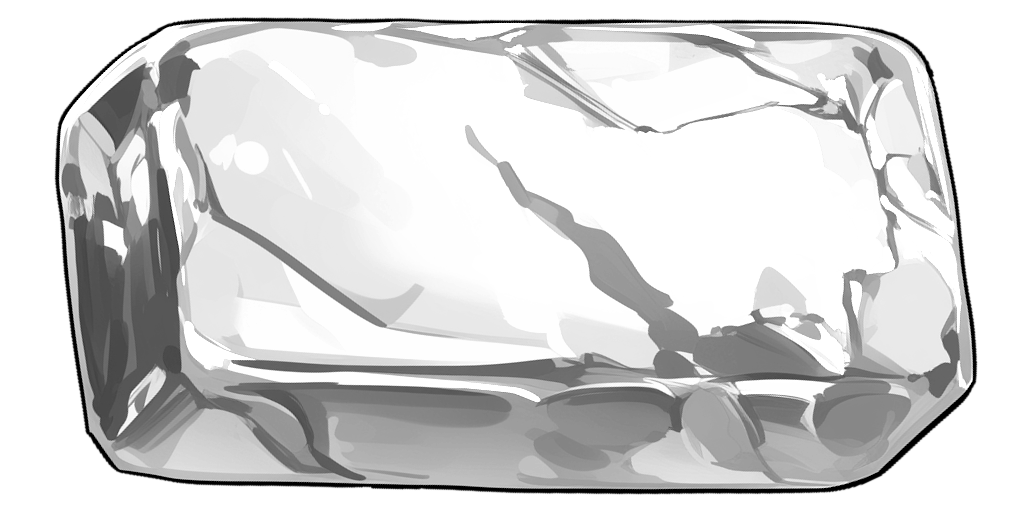
Mythril
Mythril on Vreathe is mentioned in only one written passage from the Bronze Age. It describes when Kalbeth descended from the heavens to gift the Irrelthian King a Mythril Javelin that was "Brighter than silver, more beautiful than gold, and stronger than adamant." This Javelin instigated a long war between the elves, humans, orcs, and gods.
The Javelin changed hands many times throughout history, and several different kingdoms attempted to melt down the weapon to turn it into something else, but all attempts failed. The metal might be tied to the Fairies, as they often create gifts for their favored humans made of a similarly bright and indestructible metal.
Weapon Materials - Other
Wood
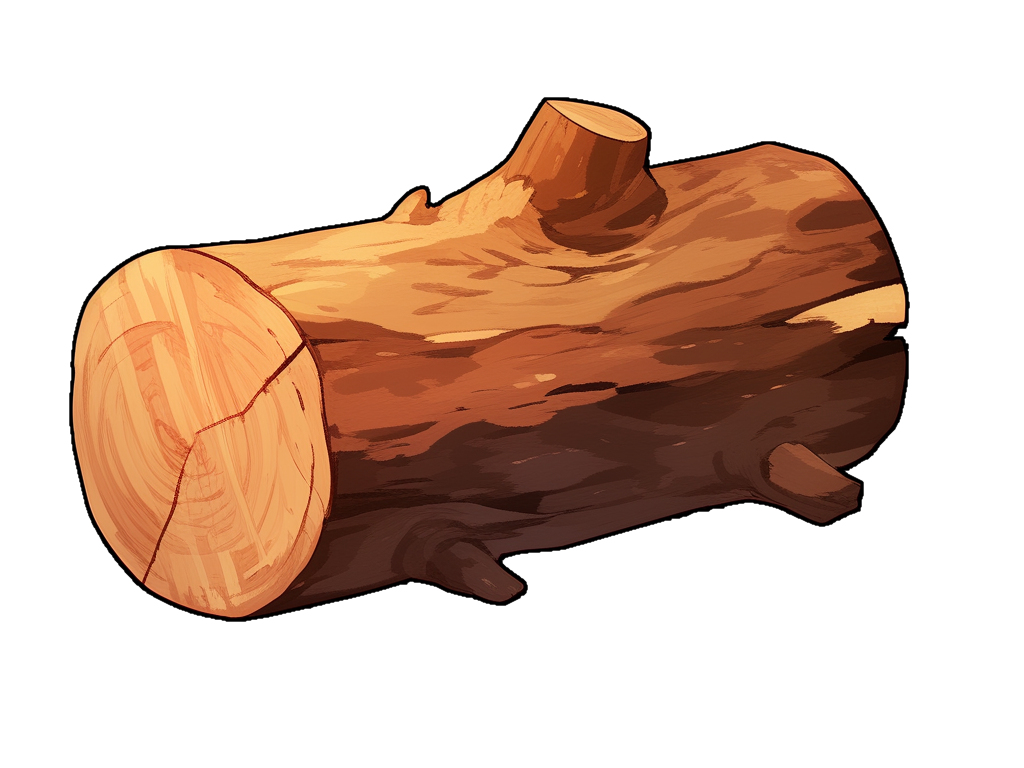
Wood makes up the primary component of axe and staff handles, arrow shafts, spear hafts, bows, wands, and more. Different species of trees react to magic differently, usually by amplifying its naturally occuring effects in some way. Live Oak for example can temporarily harden itself to be stronger than steel when charged with mana. As another example, Cedar will completely negate the effects of fire and water magic.
Common Types of Trees in Cassel
Almond
Ash
Cedar
Carob
Cork
Elm
Ash
Cedar
Carob
Cork
Elm
Fig
Fir
Heartwood
Juniper
Lemon
Maple
Fir
Heartwood
Juniper
Lemon
Maple
Oak
Olive
Orange
Pine
Willow
Yew
Olive
Orange
Pine
Willow
Yew
Obsidian
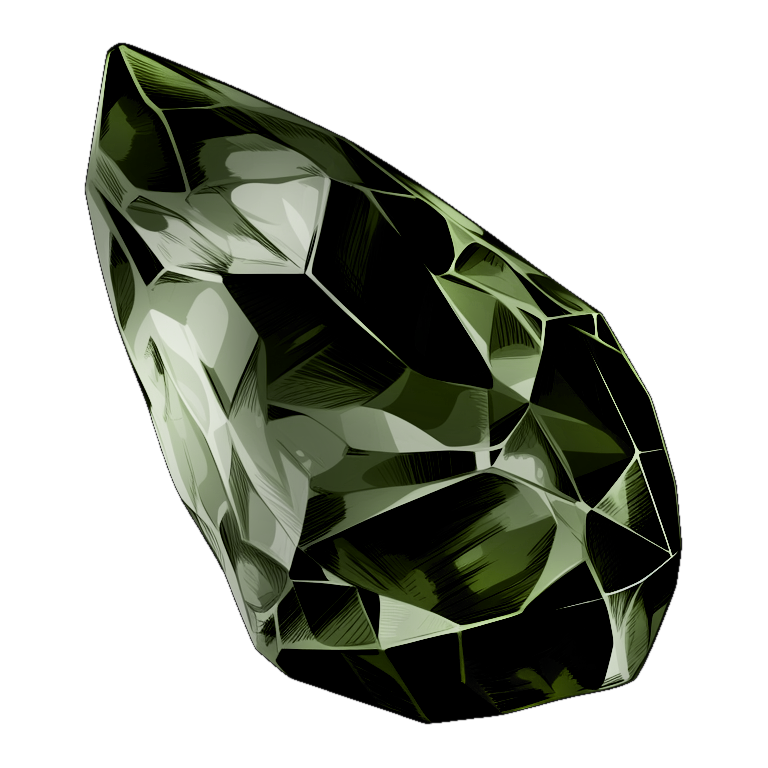
Obsidian can function as an Aethercite crystal and there is an Abyssal Gemsteel that is made from volcanic glass. Obsidian can be used as a weapon by itself as it can maintain an extremely sharp edge, sharper than almost any metal can mimic. Generally it is used in arrowheads and small knives, but there is rumor that the Xinopta Empire across the sea has massive wooden clubs lined with obsidian blades that could cleave a horse and its rider in half.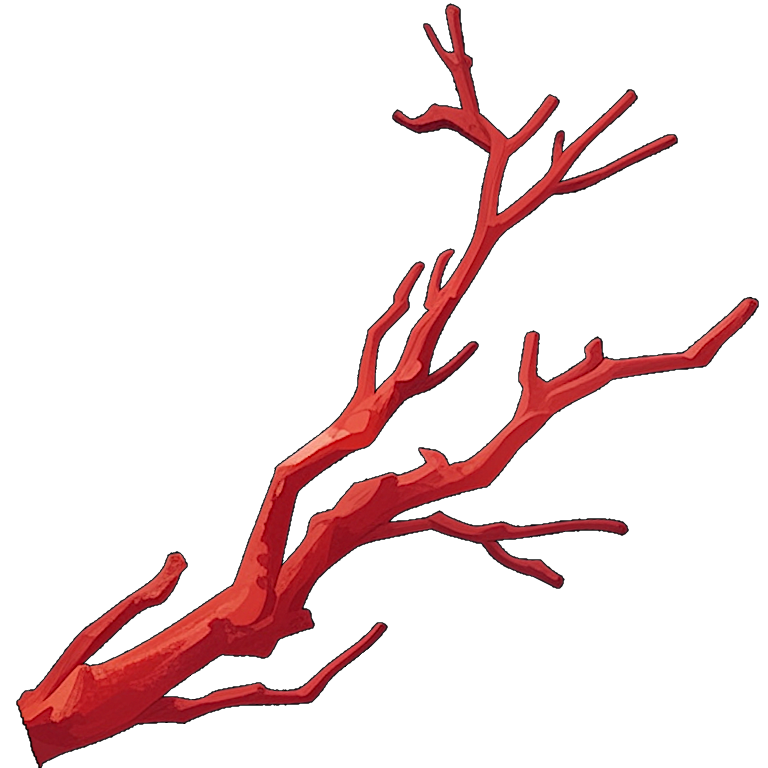
Coral
Coral is mainly used by the Sea Elves as weapons. Through some unknown process, the sea elves have created mainly harpoons and tridents, though many examples of small blades exist as well. For everyone else who lives on land, when fighting in maritime campaigns, soldiers are encouraged to line their armor with large sheets of coral to better guard against water magic. Specialized anti-water shields are often made of this material.
Leather/ Hide
Normally used as nothing more than wrappings for weapon handles. Different types of leathers are also often picked for comfort, durability, or as a show of wealth over anything else. Various furs are also used by more primitive races like the centaurs and trolls as decorations for their clubs and axes.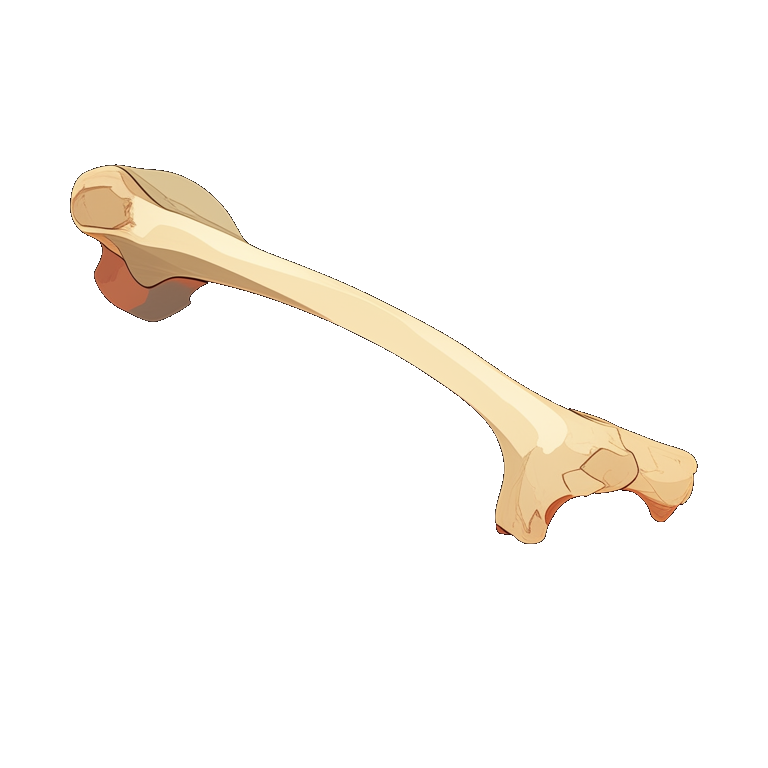
Bones
Bones and scales are a great mana Insulator, and are highly resistant to the effects of any magic. This makes bones very effective for anti-mage weapons and armors. And unlike Iron which will eventually break down if it absorbs too much mana, bone will never suffer a similar negative effect.Weapons - Blades
Daggers
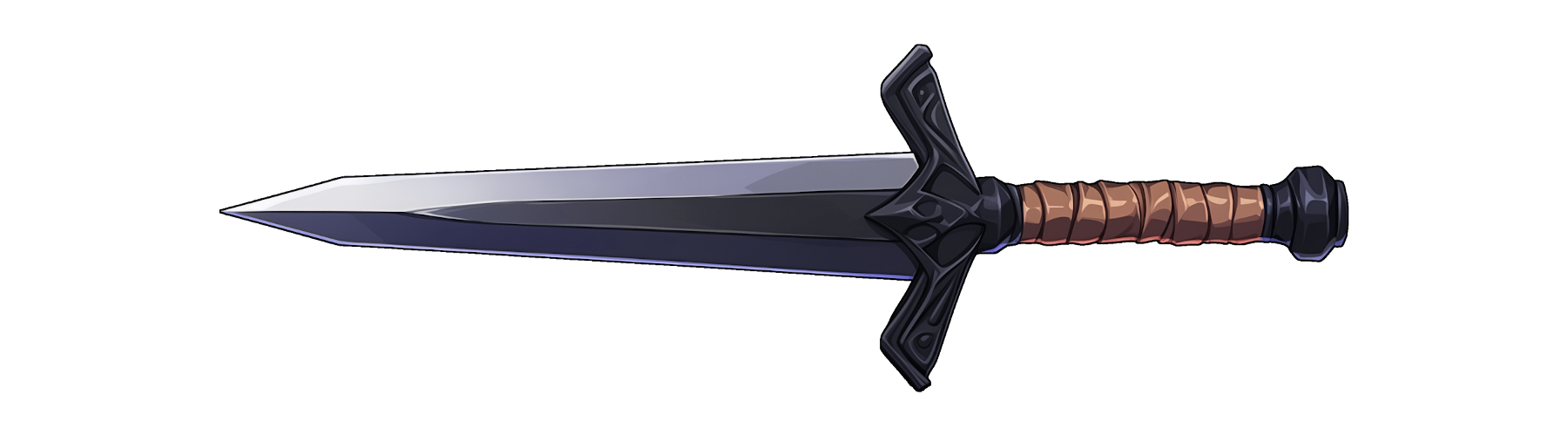
Small and usually light and easy to handle, daggers are the favored weapons of thieves, assassins. They also make great backup weapons for just about any mercenary, soldier, or spell caster. The small blades allow a mage to channel magic through it with ease but because of a dagger's small size, it is likely to be damaged unless it is made of the correct materials.
Daggers in Cassel usually have straight double edged blades, and have an overall length of around 12-16 inches.
Daggers in Cassel usually have straight double edged blades, and have an overall length of around 12-16 inches.
Shortsword
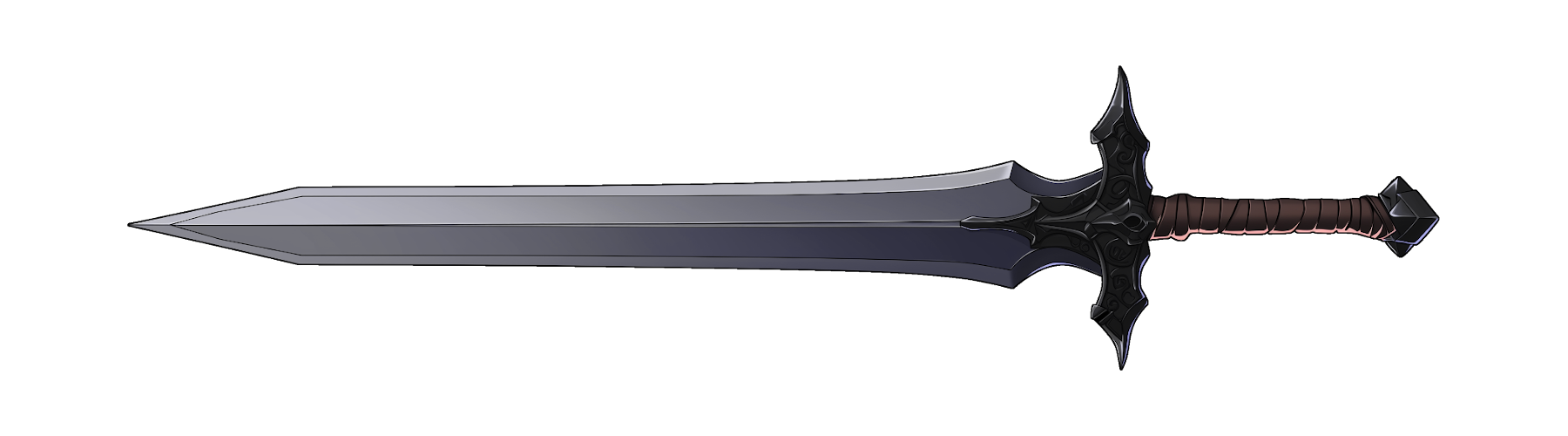
Shortswords are two-edge swords typically 16 - 36 inches in overall length. Longer varieties may have a two-hand grip, but generally are one-hand or hand-and-a-half. If Soldiers aren't equipped with a dagger or small axe as a backup weapon, then often they are equipped with a shortsword.
Shortswords in Cassel appear like miniature varietes of longswords with little variation in the actual design.
Shortswords in Cassel appear like miniature varietes of longswords with little variation in the actual design.
Backsword
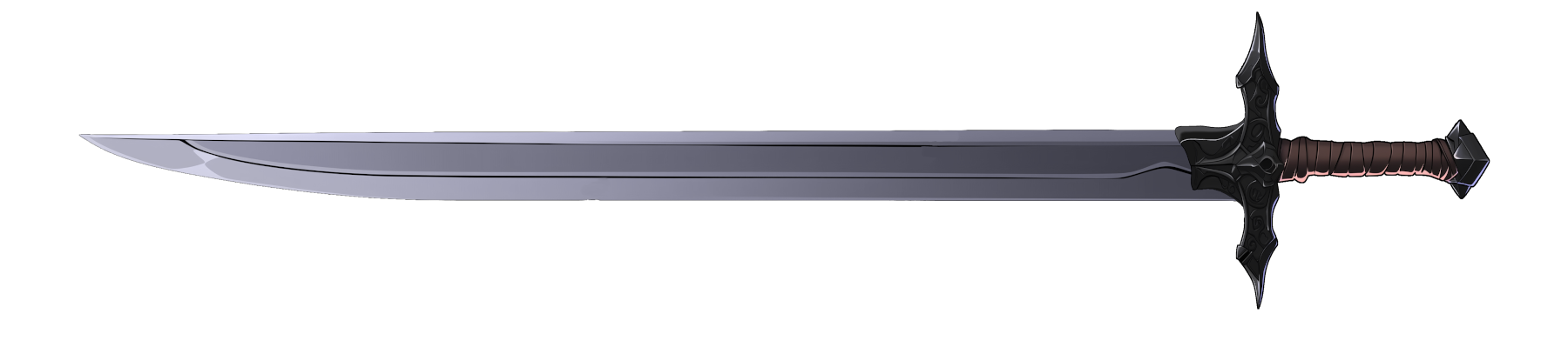
Backswords are a one-hand, single-edge straight sword. There are also varieties with a slight curve such as Sabers. Either type of sword may have a second edge, but only near the tip. These swords have an overall length of 36 - 42 inches.
Casselian backswords lack a knuckle guard or basket-hilt, which is characteristic of single-edge swords in all other neighboring countries. Instead they have large crossguards like a long or shortsword.
Casselian backswords lack a knuckle guard or basket-hilt, which is characteristic of single-edge swords in all other neighboring countries. Instead they have large crossguards like a long or shortsword.
Scimitar
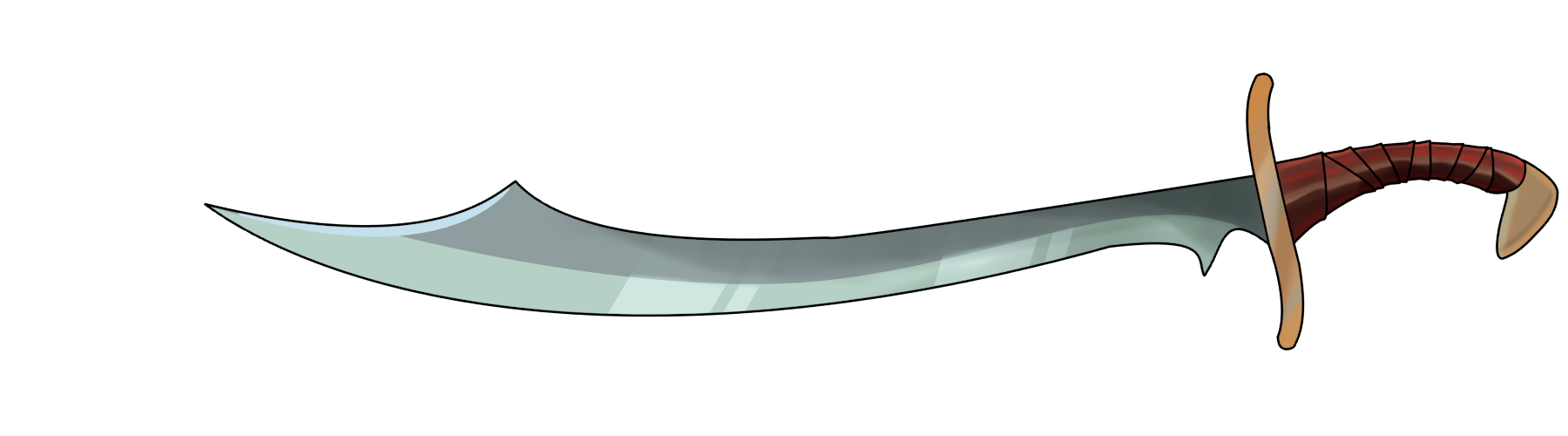
Scimitars are a single-edge sword with a pronounced curve, and an overall length of 30 - 36 inches. They are excellent slashing weapons but require some amount of skill to use properly.
Scimitars can be found all over West Cassel and to a lesser extend in South Cassel, but only in the Sands of Nessa. In others parts of the country, backswords and sabers are the preferred single edge weapons.
Scimitars can be found all over West Cassel and to a lesser extend in South Cassel, but only in the Sands of Nessa. In others parts of the country, backswords and sabers are the preferred single edge weapons.
Longsword
A straight two-edge, two-hand sword. Longswords have an overall length of 36 - 50+ inches. Even larger varieties are often called Greatswords, but generally there is no real distinction between a longer longsword and a shorter one.
Longswords are found all over Eastern Vreathe and are the most common variety of sword to be found among soldiers. This is no exception in Cassel where individual military units often have a unique longsword distinct from others.
Longswords are found all over Eastern Vreathe and are the most common variety of sword to be found among soldiers. This is no exception in Cassel where individual military units often have a unique longsword distinct from others.

Katana
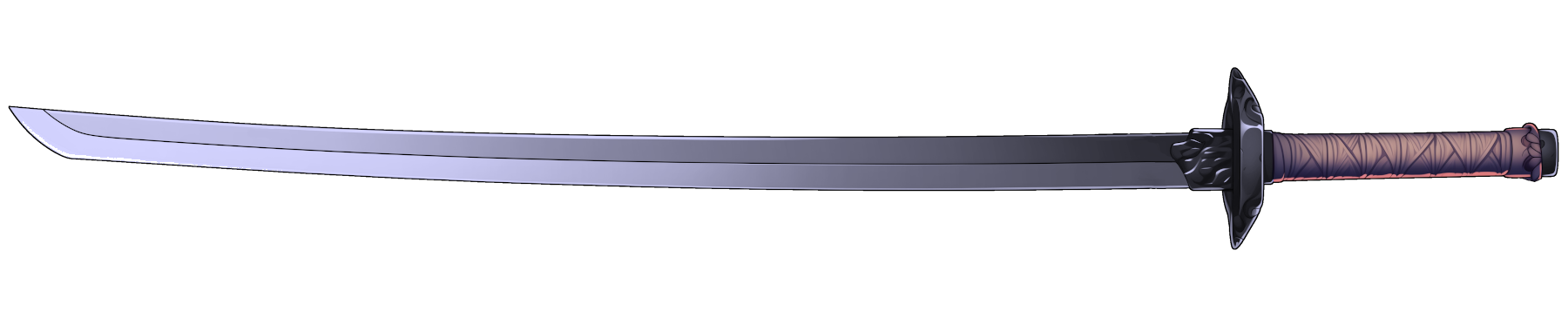
A long single-edge curved blade with a two-hand grip. These blades are quite rare to see in Eastern Vreathe, as they originate from the Continent of Tensen far to the west, from the Moya Empire. These blades have an overall length of 36 - 48 inches.
Nearly all examples of Katanas found in Cassel are owned by or linked to the Horosha Explorer's Guild.
Nearly all examples of Katanas found in Cassel are owned by or linked to the Horosha Explorer's Guild.
Weapons - Axes and Hammers
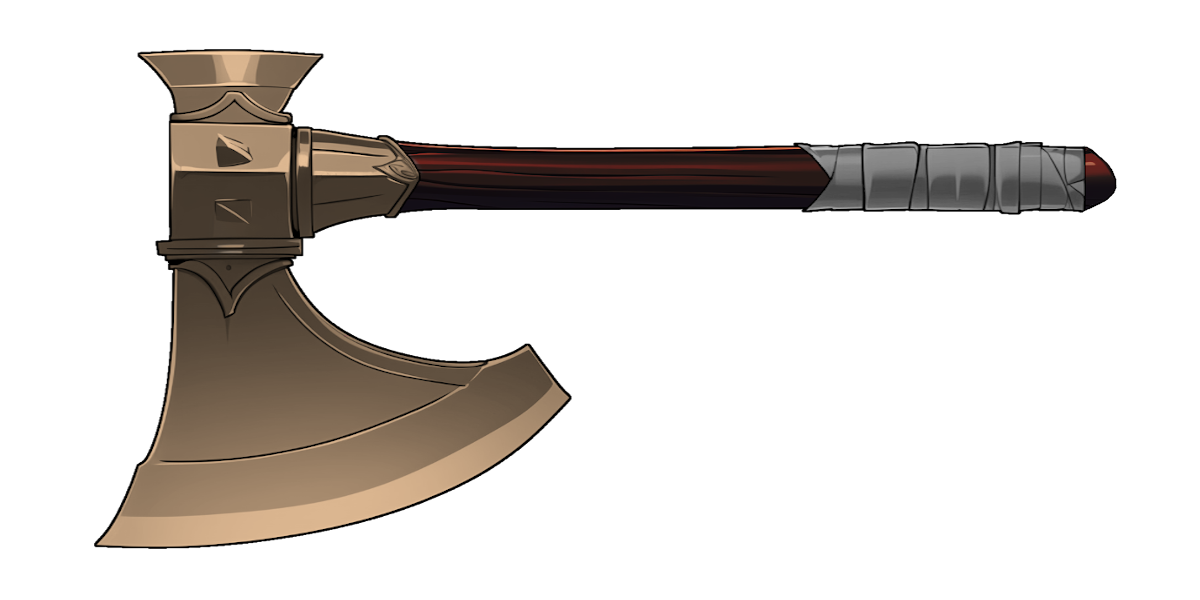
Hand Axe
Hand Axes measure between 16 - 30 inches in overall length and can be used with one hand. They are characterized by having a sharp metal blade on one side, and a flattened edge or hammer head on the other. They might or might not have a spike on the top of the head. The size of the axe head and the material used varies quite a bit depending on the function.
Casselian hand axes tend to have a flat top and a distinct hammer head. They are also more favored by specialized mages, so the axe heads are often made of solid Bronze.
Casselian hand axes tend to have a flat top and a distinct hammer head. They are also more favored by specialized mages, so the axe heads are often made of solid Bronze.
Battle Axe
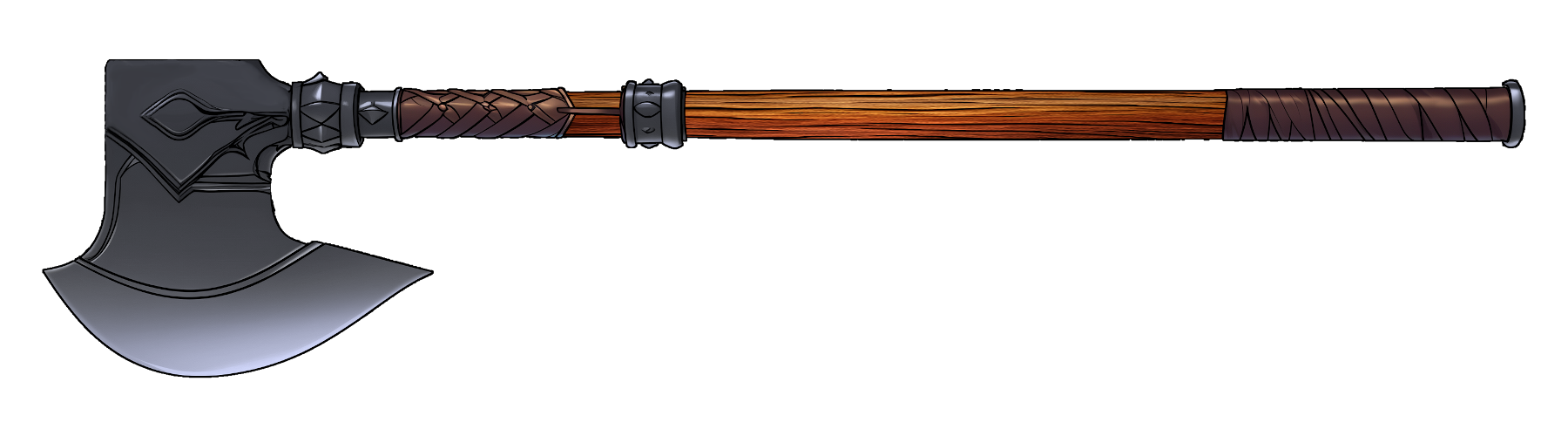
Battle Axes measure 30 - 60 inches in overall length and are similar in appearance to smaller hand axes. They can be used either one handed or two handed.
Battle Axes are quite common among various military units in Cassel and similar to longsword, each unit has a distinct design.
Battle Axes are quite common among various military units in Cassel and similar to longsword, each unit has a distinct design.
Pole Axe
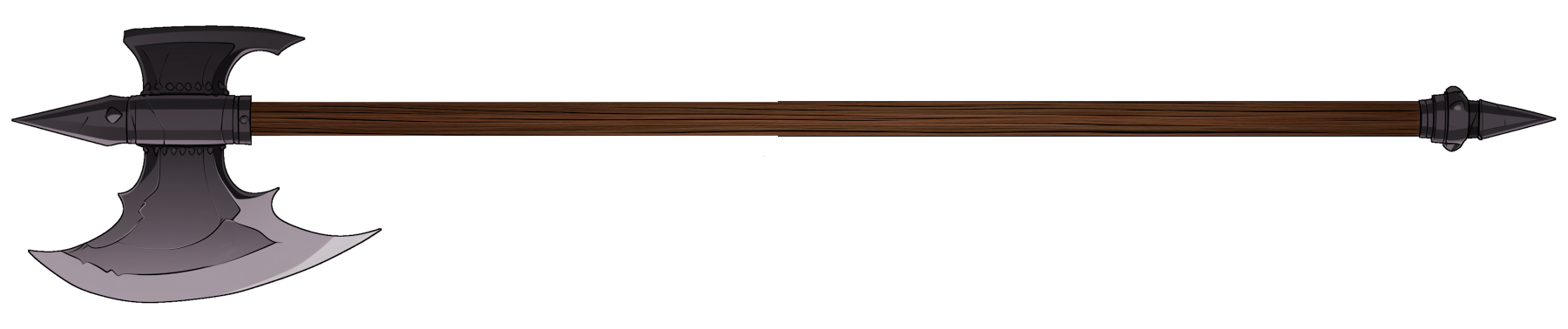
Poleaxes include any axe that is over 60 inches in overall length and are often matched to the height of the user. The full weight of the axe is not the first thing brought down on enemies, instead, the various ends of the weapon are used to disarm, trip, and otherwise disorient opponents before moving in for a killing blow.
In Cassel, poleaxes are usually have a simple design and aren't often used in tandem with magic, though some mages will set a large aethercite crystal in the axe head, creating an axe/magic staff combination weapon.
In Cassel, poleaxes are usually have a simple design and aren't often used in tandem with magic, though some mages will set a large aethercite crystal in the axe head, creating an axe/magic staff combination weapon.
War Hammer
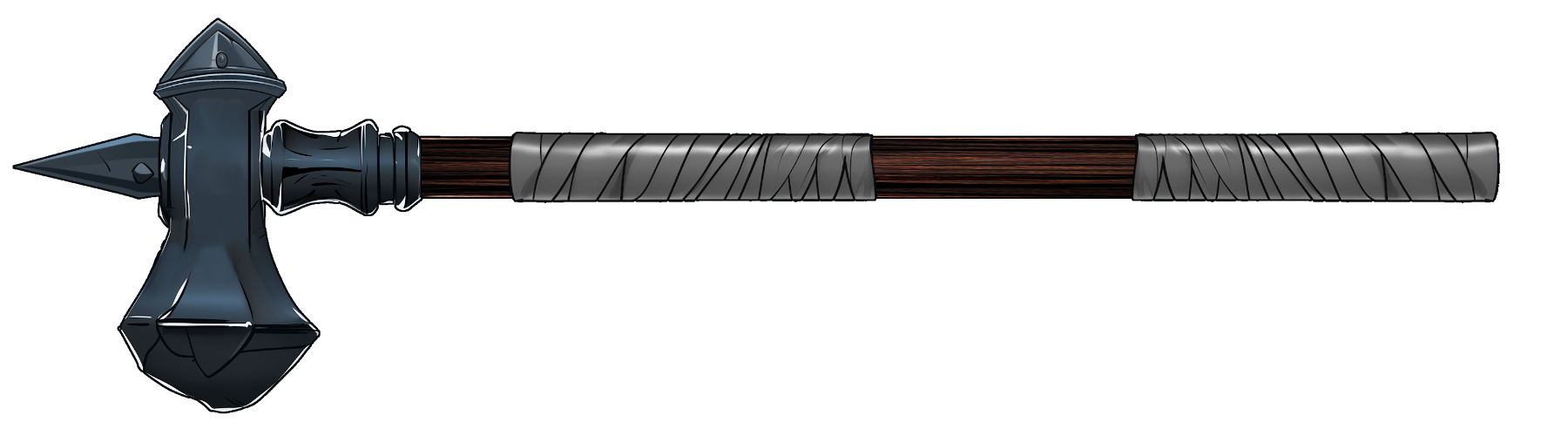
War Hammers feature a dense steel head, either completely flat or slightly pointed, and are meant to bring overhwelming force into a small area. There might be a spike on the other side or another hammer head. These weapons have an overall length of up to 36 inches long and are wielded with one hand, though there are much longer examples that require two hands. Very Effective against plate armor.
Hammers are not common weapons used in Cassel, though a number of foreign knights and mercenaries will carry these weapons.
Hammers are not common weapons used in Cassel, though a number of foreign knights and mercenaries will carry these weapons.
Sledgehammer
Often too slow to be used in melee combat, these hammers have a head that weighs 10+ pounds and the weapon has an overall length of 36 - 60 inches. The purpose of these hammers is to channel mana through the weapon as the hammer is slammed into the ground, a wall, or anything else. The spell will reverberate outwards spreading its effect quickly.
As said earlier, in Cassel, foreign knights and mercenaries are usually equiped with these weapons.
As said earlier, in Cassel, foreign knights and mercenaries are usually equiped with these weapons.

Weapons - Magic
Magic Staff

Any weapon that contains a large piece of aethercite crystal at the end of a shaft that is 60 inches in overall length or longer is considered a Magic Staff. Anything shorter than this is generally considered to be a Magic Rod instead, though there isn't actually anything else distinguishing these from eachother. Staves are the weapons of choice for many spellcasters. The large crystal can hold dozens of times more mana than the user and gives them the ability to cast very powerful spells.
In Cassel, magic staves are generally used by healers more than combat mages, who tend to either use axes, gemsteel swords, or magic rods. The shaft is often made of oak wood while the staff head is made of silver or gold.
In Cassel, magic staves are generally used by healers more than combat mages, who tend to either use axes, gemsteel swords, or magic rods. The shaft is often made of oak wood while the staff head is made of silver or gold.
Magic Wands
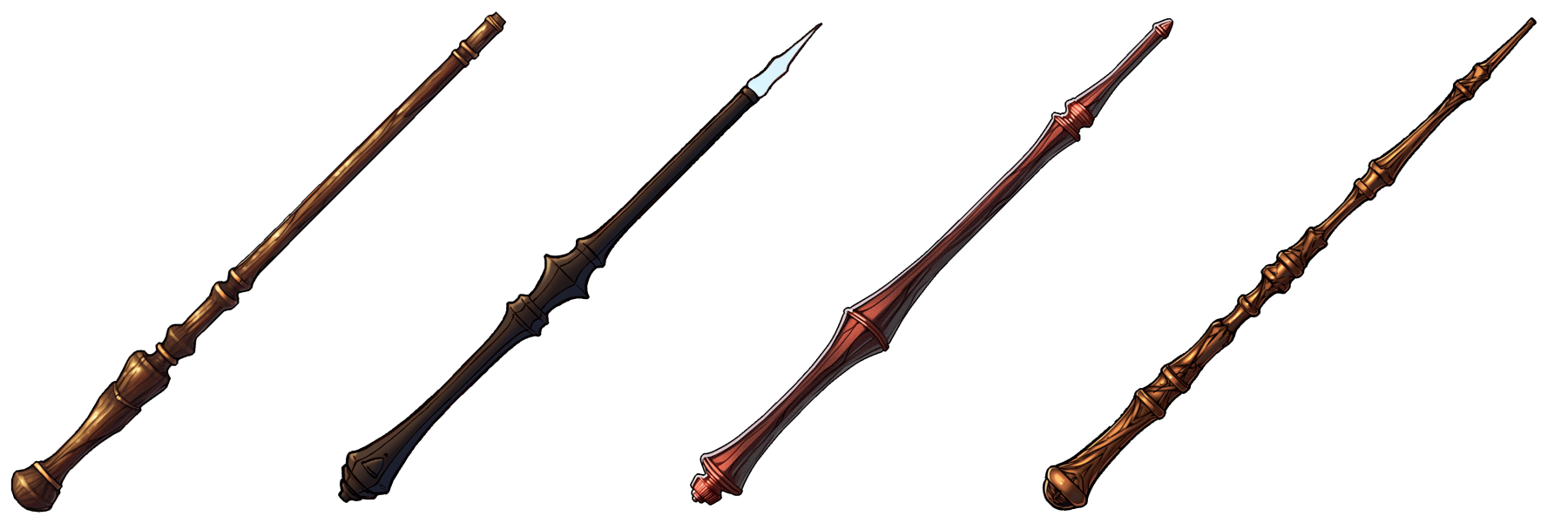
Magic Wands typically have an overall length of 10 - 20 inches and consist of an aethercite core inside of any number of various species of wood. Sometimes the core is visible at the end of the wand but generally it is entirely surrounded by the wood.
Wands are typically used by students learning how to cast magic for the first time. It acts as a focus allowing them to channel mana to a single point more easily. Experienced Mages don't normally use wands as they have learned how to effectively channel magic through their hands as easily as breathing. There are of course exceptions, especially with spells where pinpoint accuracy is the most important aspect.
Wands are typically used by students learning how to cast magic for the first time. It acts as a focus allowing them to channel mana to a single point more easily. Experienced Mages don't normally use wands as they have learned how to effectively channel magic through their hands as easily as breathing. There are of course exceptions, especially with spells where pinpoint accuracy is the most important aspect.
Aether Cannon
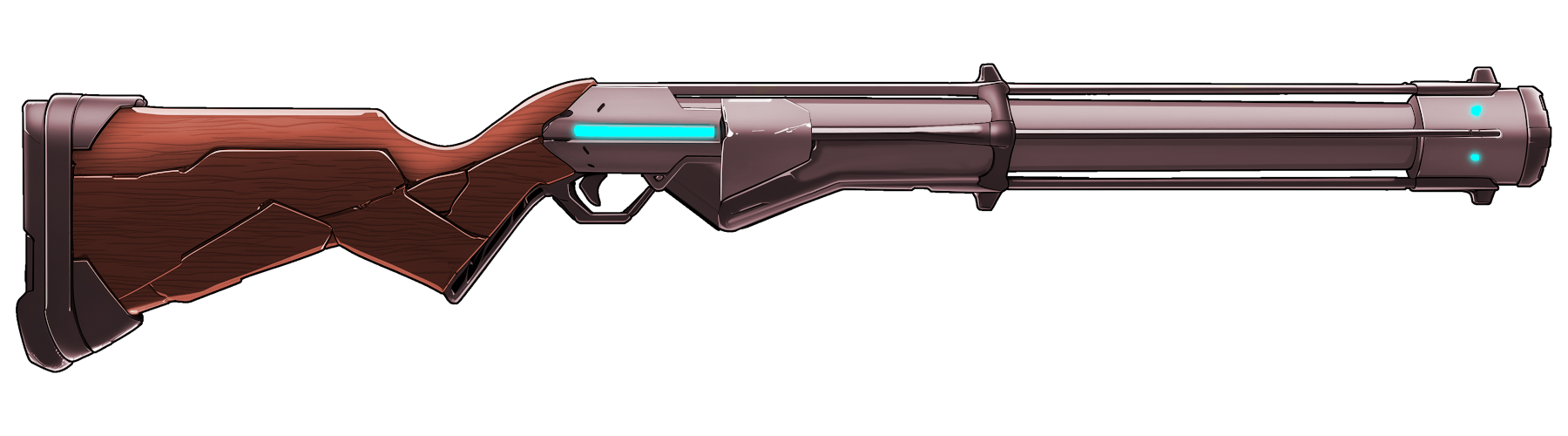
Aether Cannons exploit the properties of some aethercite crystals such as rubies or sapphires. When these crystals reach aetheric saturation, they are able to fire beams of concentrated magical energy with an element aligned to the crystal. Whether this beam burns, freezes, electrifies, and more depends on the specific crystal uses as ammunition.
These weapons have for a long time been owned solely by the Orcs of Veracrul, though many examples from across the world have been stolen from them.
These weapons have for a long time been owned solely by the Orcs of Veracrul, though many examples from across the world have been stolen from them.
Weapons - Bows
Longbow

There are many types of bows across Vreathe. Recurve Bows, Flat Bows, Longbows, Crossbows, Ballista, and more are commonly used. Steel arrows are amazing anti-mage weapons as they can pass right through a mana shield with almost no issue, and there are a large number of different magic arrows that are used for almost any stuation. For now, due to how magic interacts with certain metals, bows are still used more than firearms, though that is quickly changing with advancing technology.
In Cassel, Longbows are by far the most common type of bow used. An unstrung longbow is often as tall or taller than the user, and when strung still measures up to 70 inches long. These weapons are usually laminated bows made of multiple types of wood, usually Yew and Heartwood, though single pieces of Oak are also used due to that wood's great strength when charged with mana.
In Cassel, Longbows are by far the most common type of bow used. An unstrung longbow is often as tall or taller than the user, and when strung still measures up to 70 inches long. These weapons are usually laminated bows made of multiple types of wood, usually Yew and Heartwood, though single pieces of Oak are also used due to that wood's great strength when charged with mana.
Arrows
There is a huge variety of arrows made of standard materials like steel or bronze, crafted in various shapes for various purposes, from needle-like armor piercing arrows to large broadhead arrows that cause deep wounds.
There is also a wide assortment of arrows made of materials that exploit the nature of magic, from Lithium arrows that explode on impact, to Homing arrows that immediately lock on and seek out sources of magic.
There is also a wide assortment of arrows made of materials that exploit the nature of magic, from Lithium arrows that explode on impact, to Homing arrows that immediately lock on and seek out sources of magic.


Weapons - Firearms
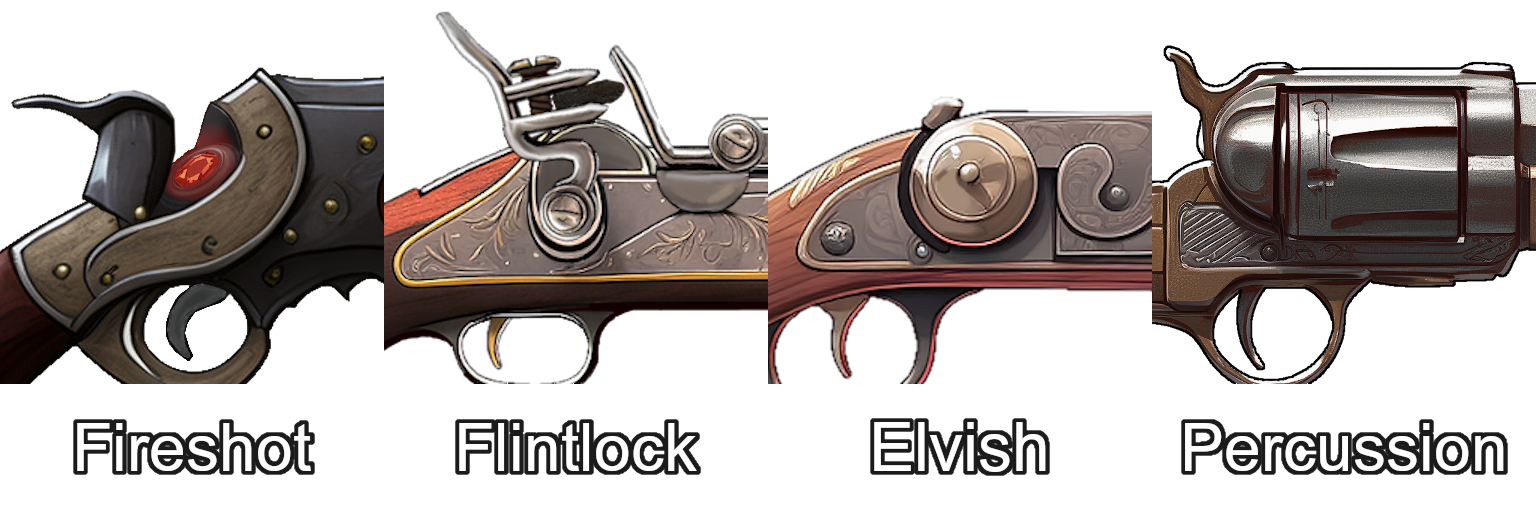
Firearms on Vreathe include any weapon with a barrel that fires a projectile using flammable powder. There are multiple mechanism for igniting this powder, whether it involves flint striking steel, a percussion cap, magical fire crystal, or one of various elven methods.
Firearms have much longer ranges than bows and with inventions like rifling, paper cartridges, and jacketed bullets, it is quickly starting to become more prominent on the battlefield. A few centuries ago, guns were single shot only and were very inaccurate, but recent firearm models are just better than bows in almost every way.
The only thing that holds firearms back on Vreathe is the nature of Lead. This metal is extremely easy to manipulate with magic and even a basic mana shield will stop a bullet from moving. Jacketed ammunition will help a bullet to pierce this shield, but it often loses so much energy that it doesn't actually do much damage. Many armors have built-in enchantments to project a mana shield and protect from guns.
Firearms have much longer ranges than bows and with inventions like rifling, paper cartridges, and jacketed bullets, it is quickly starting to become more prominent on the battlefield. A few centuries ago, guns were single shot only and were very inaccurate, but recent firearm models are just better than bows in almost every way.
The only thing that holds firearms back on Vreathe is the nature of Lead. This metal is extremely easy to manipulate with magic and even a basic mana shield will stop a bullet from moving. Jacketed ammunition will help a bullet to pierce this shield, but it often loses so much energy that it doesn't actually do much damage. Many armors have built-in enchantments to project a mana shield and protect from guns.
Firing Mechanisms
Fireshot
Uses an aethercite crystal, usually a garnet or ruby, to ignite the powder charge. The crystal can last for potentially dozens or even hundreds of shots before replacing.Flintlock
An obsolete technology still used by hunters. This mechanism relies on striking a piece of flint against a piece of steel on an external pan of powder, which ignites the internal charge.Elvish
Sometimes called an Elflock. This complex mechanism relies on several internal springs and dissimilar metals to create a spark which then ignites the powder charge.Percussion
uses a small brass cap filled with a tiny amount of black powder. The hammer striking the cap is enough to make the powder explode, which then ignites the powder charge.Pistols
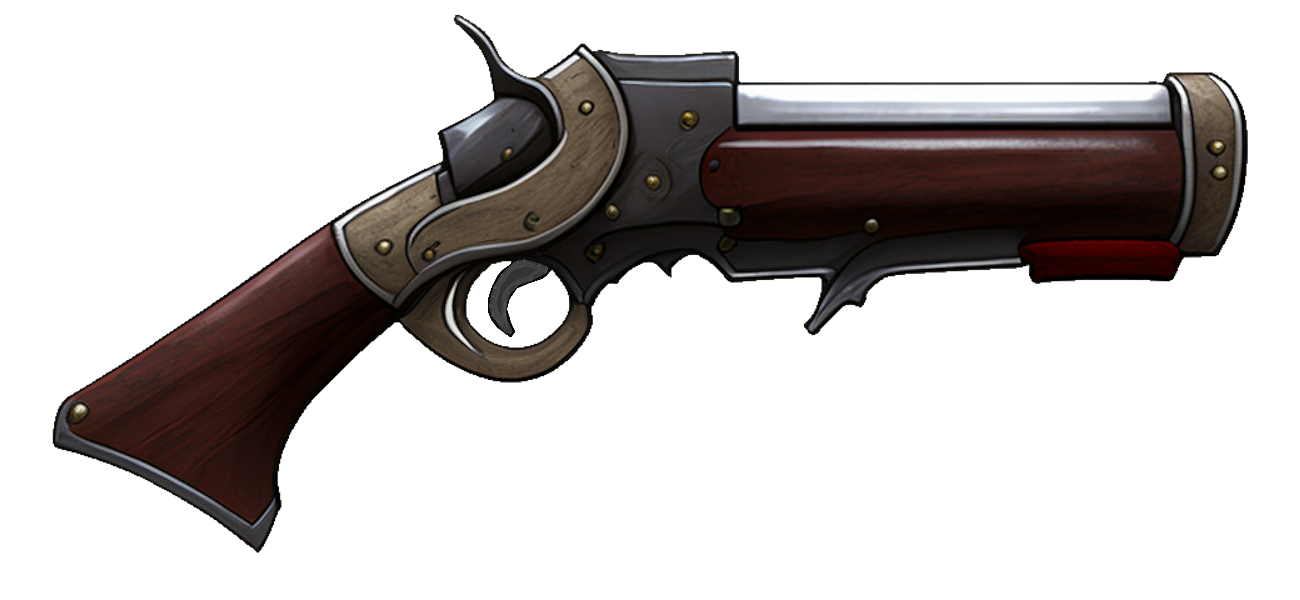
Pistols are firearms that can be effectively used with one hand. They are small and light enough that they can be easily concealed. Many people across Vreathe have a pistols or two for self defense, but they are almost never used in an actual battle. The single-shot nature of them means they are only good for one well placed shot, only to be blocked by a mana shield.

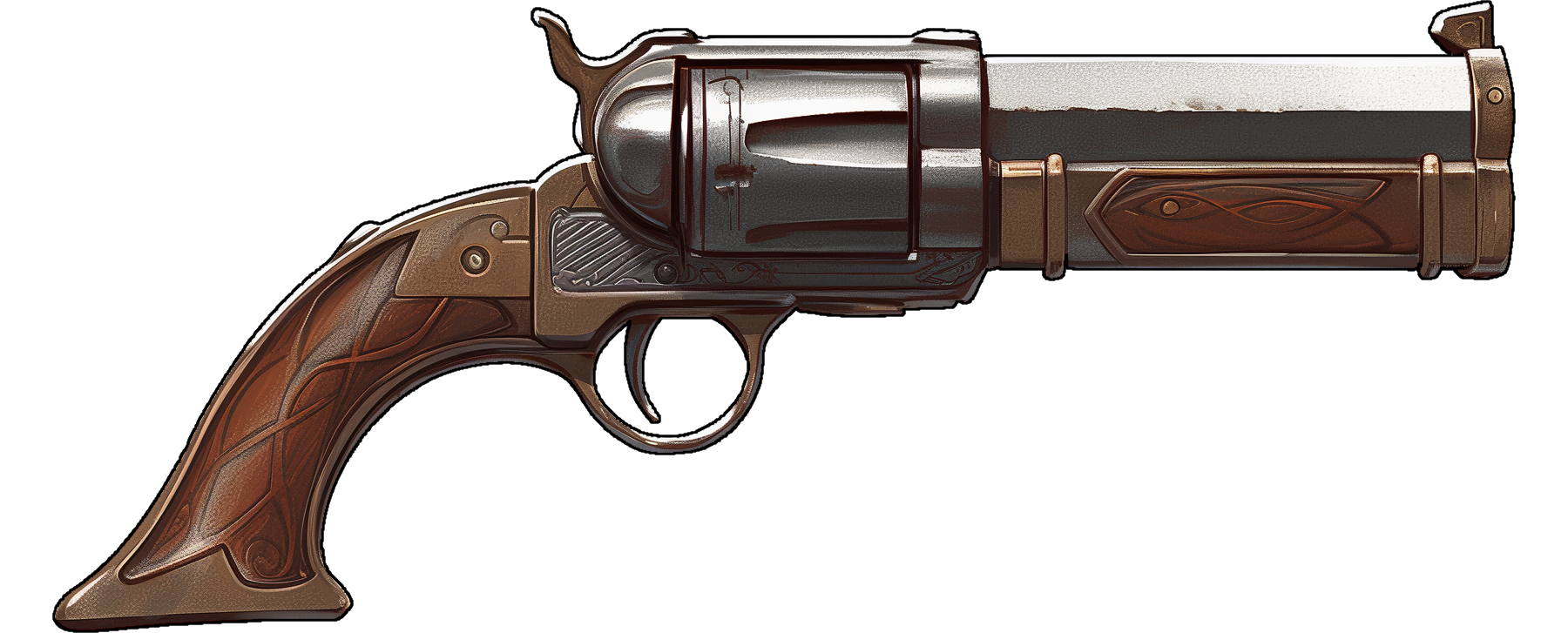
Revolvers
Revolvers or Revolving Pistols utilize a rotating cylinder and either percussion caps or paper cartridges with a primer. Capacity is between four and six rounds. If all of these shots are fired in quick succession and are also able to strike the same general area of a mana shield, it can overload the shield and allow the last bullet or two to deal serious damage.
First developed only about a century ago in the Empire of Irrelith, these weapons were very expensive and not the most relaible of weapons. In Cassel, it is quite rare to see a revolver, or really any multi-shot firearm of any kind.
First developed only about a century ago in the Empire of Irrelith, these weapons were very expensive and not the most relaible of weapons. In Cassel, it is quite rare to see a revolver, or really any multi-shot firearm of any kind.
Carbines
Carbines are just barely short and light enough that they can be used with one hand in an emergency, but for best results, two hands are needed. Carbines on Vreathe are defined as having a barrel length of 20 inches or less.
Carbines are very common cavalry weapons in Cassel. They are often kept in a long holster on either side of the horse and be quickly drawn and fired. Mage units are also equipped with carbines for when either they or the enemy runs out of magic.
Carbines are very common cavalry weapons in Cassel. They are often kept in a long holster on either side of the horse and be quickly drawn and fired. Mage units are also equipped with carbines for when either they or the enemy runs out of magic.

Long Guns
Long Guns include any firearm with a barrel longer than 20 inches and almost always require two hands to effectively fire. In current times, nearly all long guns have a rifled barrel and are accurate to much farther distances than almost any other weapon.
In Cassel Long Guns are used by a number of sharpshooter units, who pick off mages and commanders with concentrated volleys of gunfire. They are also popular weapons used by hunters.
In Cassel Long Guns are used by a number of sharpshooter units, who pick off mages and commanders with concentrated volleys of gunfire. They are also popular weapons used by hunters.

Explosives
Bombs
There is no shortage of explosive devices on Vreathe, both magical and non-magical, from stick explosives lit with a fuse, to a glass sphere filled with an impossible number of angry fire ants. Bombs have other utility uses like holding large amounts of water in a smaller space than normal.There also exist much older arcane explosives that have terrifying effects. One such bomb only known as the Singularity destroyed an entire city, pulling everything into the void in an instant. These bombs haven't been crafted since the end of the Silver Age, but there are a good many ruins from that era that might contains these destructive weapons.


A truly awesome article, love the attention to detail with the various materials, weapon types etc. I have learned several things from this article. Thank you for sharing.