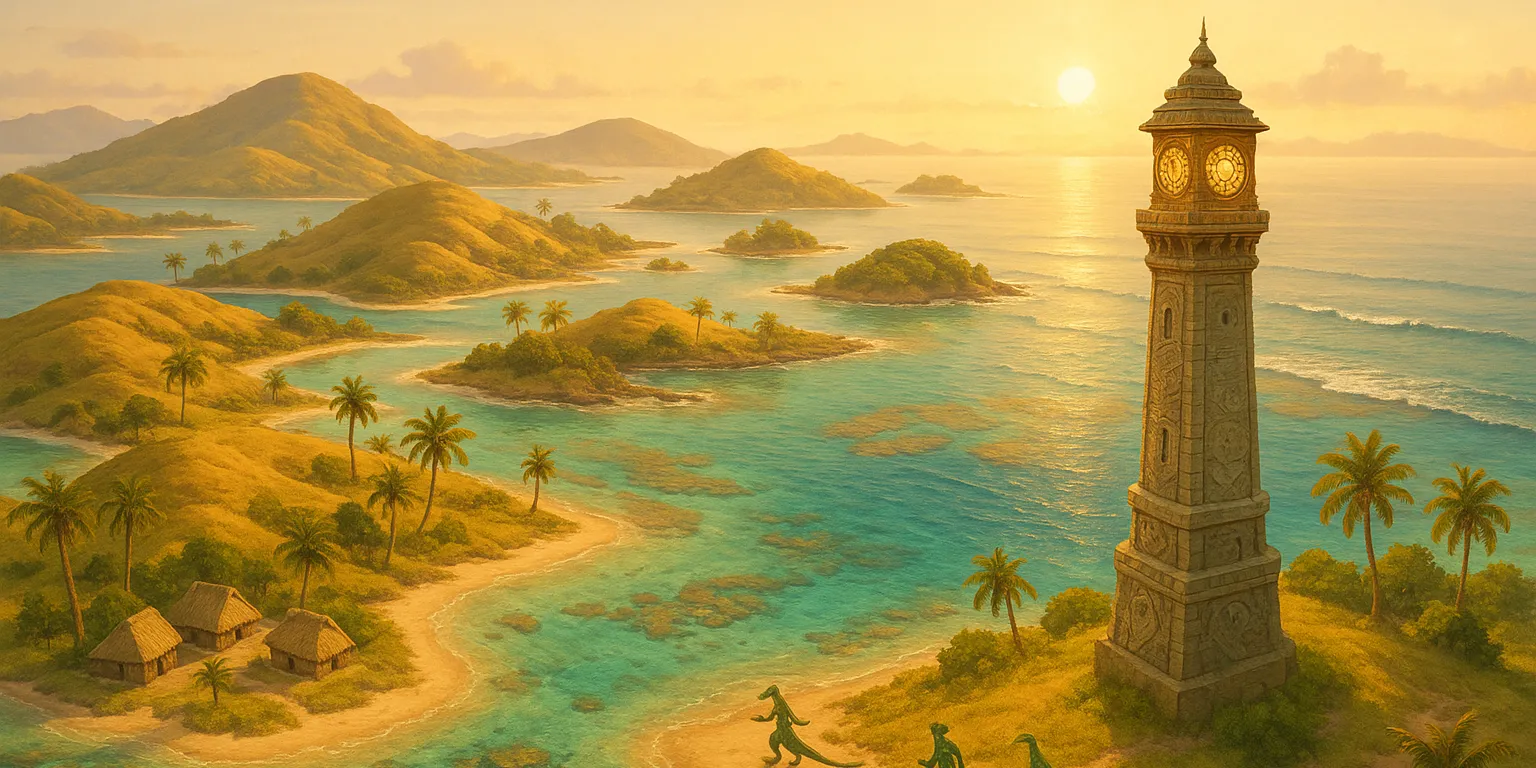
Bakunawa
Bakunawa is the largest of the three islands that make up the Sabu Islands archipelago. It lies southwest of the large island of Pulo and is home to the greatest concentration of Naga communities outside the Sabaen Archipelago in the Southeastern Region. It was settled largely by Naga merchants who were away from Saba when the Malika's armies swept across the island and overthrew the Nagarajya. As news of the conquest spread, many Naga vessels abroad chose not to return and live under the Malikate. Instead, they settled on the then uninhabited island of Bakunawa, though they have always considered it a temporary refuge, even centuries later. The Naga of Bakunawa have never relinquished their dream of restoring the Nagarajya, and they now wait only for the coming of the prophesied Nagavirosha to lead them home and restore their homeland.
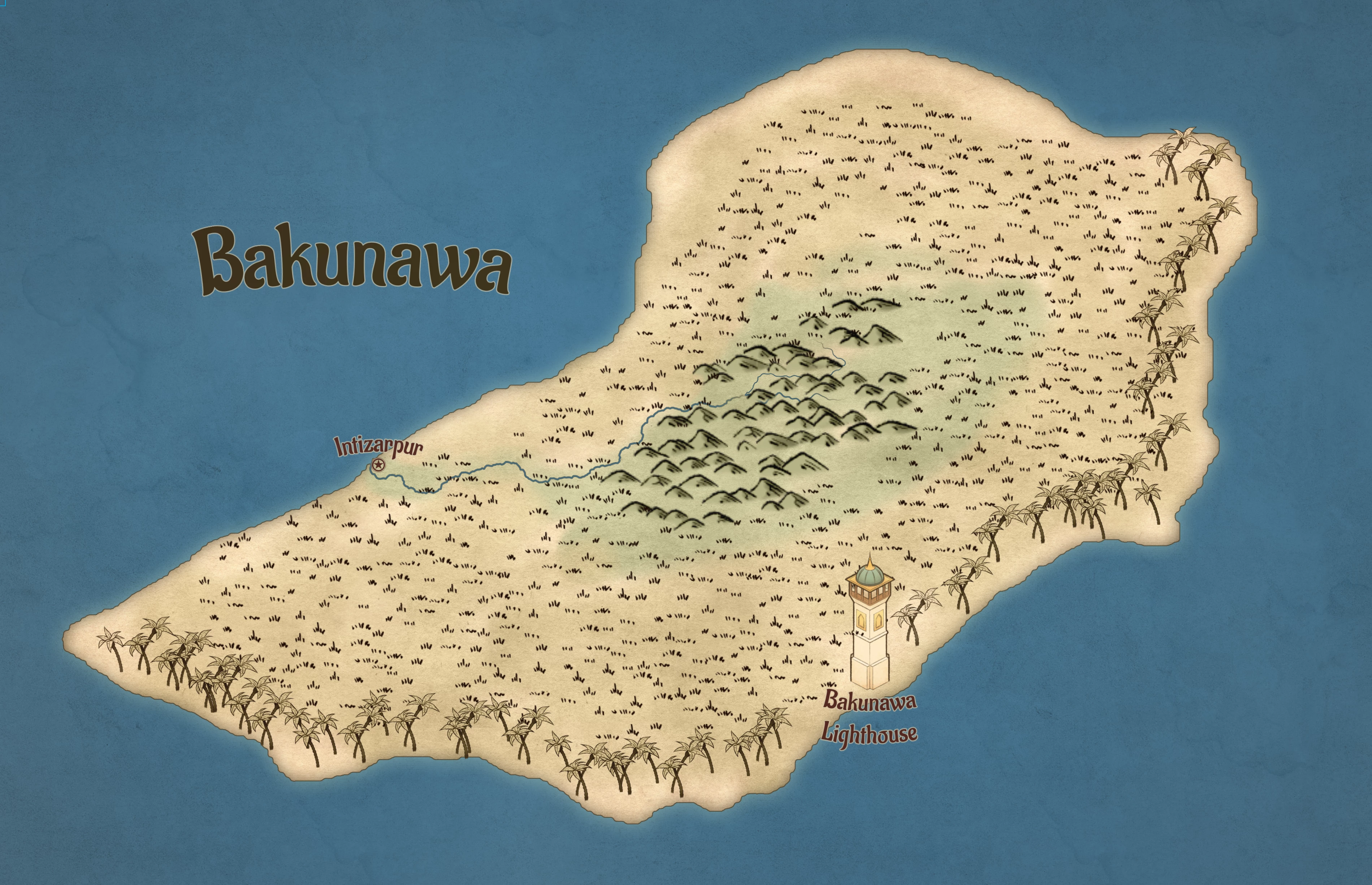
The merchants who established themselves on Bakunawa arrived with more resources than most other refugees. They came with ships, cargo, and considerable wealth, and they have continued to trade across the Great Ring, including in the Malikate, though they tend to call only at ports with Naga majority communities. They formed an oligarchic government led by a council of merchants based in the island's largest town, Intizarpur. Later refugees who fled the Malikate with fewer resources settled in the interior grasslands and became herders who tend the livestock of the wealthier Naga along the coast. Through careful trade, the Naga of Bakunawa have become the wealthiest of the Naga expatriate communities, and many who fall out of favor with the Malikate choose to flee there.
There are many small villages along the islands coast where the various Bamsams of the Naga have established their nests. The most renowned is the village of Menara on the southern shore. Here, the inventor Zaman al-Razaz has taken over the Bakunawa Lighthouse to house the notorious Prophecy Clock. This device was built to predict the coming of the Nagavirosha, and while it has shown remarkable abilities in forecasting events, it has not yet offered any timeline for its primary purpose. The clock has gained a grim reputation among the people of Menara, who believe it is influencing their personal futures for the worse. Al-Razaz has even had to create a new kind of soldier, the Muhandasa, to protect the clock from angry villagers.
Notable Spirits
Although the island was uninhabited when the Naga merchants chose to wait out their exile there, it was not without its indigenous Numina. The people of nearby Pulo told stories of the Nitu, small folk said to live in the grass and fiercely resist all who encroached on the island. The Naga who settled along the coasts were merchants accustomed to dealing with spirits like the Nitu, and they succeeded in negotiating a bargain with the grass folk: the Naga would leave regular offerings of food and drink, and the Nitu would leave their communities in peace.
Over time, this relationship has influenced the appearance of the Nitu. Once small green and gold humanoids, their long connection with the Naga has given them a noticeably serpentine aspect, especially after snakes were introduced to the island to control the rat population. The Nitu are now said to shift between the form of a serpent and that of a diminutive Kikipua, and they feature prominently in the folklore of Bakunawas herders.
Geography
Bakunawa is a largely flat island covered with savannah and palm groves. The center rises into higher, hillier terrain, while the coasts are marked by long sandy beaches and offshore coral reefs. Fresh water is limited, and the streams that cross the island often dry up during the dry season, leaving the inhabitants dependent on wells. When the Naga settled the island, they introduced cattle and goats, which remain the most common large animals on Bakunawa. Many species of seabird nest there, though the accidental introduction of rats and the intentional introduction of snakes, for both religious purposes and pest control, have threatened their nesting sites.
Maps
-
Bakunawa
Geographic Details
Location: Southwestern RegionLatitude: 11.05 degrees North
Longitude: 27.9 degrees West
Average Elevation: 42 ft
Highest Point: 366 ft
Lowest Point: 0 ft
Area: 162.71 sq mi
Related Articles
This article was originally written for Spooktober 2024. You can find all of my Spooktober Articles at Spooktober Central.
This article was originally written for Spooktober 2023. You can find all of my Spooktober Articles at Spooktober Central.

I was hoping for a moon eating dragon article, but this is good too!!
Learn about the World of Wizard's Peak. Visit my Worldember 2025 Hub as I work on 50,000 words in December!
Ah! I forgot to put in the reason the island is named Bakunawa - it’s the Tagapulo word for the Naga (and yes, it is from the moon eating dragon ;) )