
The Wildlands & Moonlit Rise
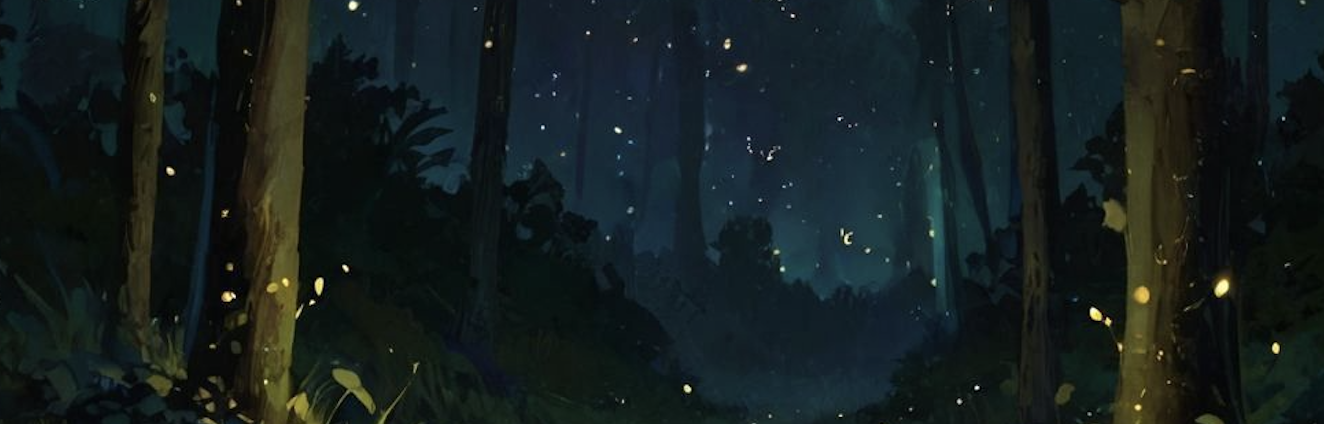
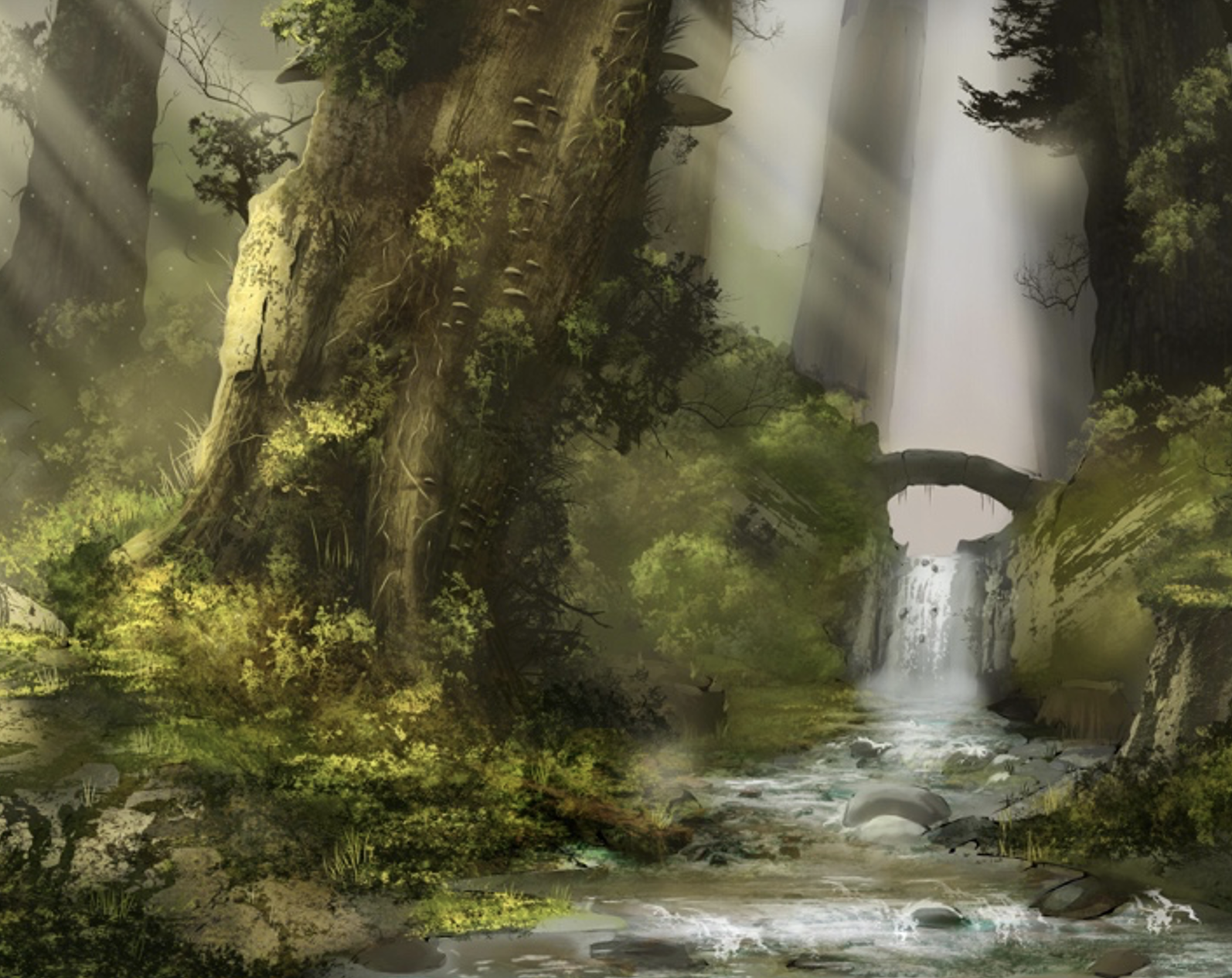
Thin strands of silver moonlight drift through the thick, lush canopies of the sprawling forests that cover the Wildlands. Beneath the canopy, there are few signs of civilization, save for the remnants of campsites, well-trodden paths, and a few wood and stone shrines built where the moonlight drifts more strongly through the treetops. And near the shore, the snow-covered sheer cliffs of the Moonlit Rise tower over the forests below. At night, hundreds of moonstones float throughout the forests and cliffs, mirroring the vast expanse of stars above. Here, between the forests, shores, and cliffs, the world is powered by the moon, whether it be primal lunacy… or its cold, silvery restraint.
Basic History
Era of The One. In the early years of history, the Wildlands were the refuge for various druidic cults and communes. Here, beneath the silver light of the moon and the forest’s canopy, ostracized nomadic groups came together, united by their blasphemy and heretical lunar worship. Hidden within the depths of the woods, these druidic Communes encouraged – and occasionally induced – intense body dysphoria in their members. The body was a prison from The One, the false god. In the dark of night, these Communes listened for the “whispers of the Moon”, which filled their minds with the promise of freedom and the means to sever the shackling connection between body and soul. Through intense, corrupted and twisted rituals, the druidic Communes created partial lycanthropes, with bodies warped and bent by lunar influence and flesh riddled with scars. Although insular, the Communes’ rituals were difficult to ignore especially as warped, partially lycanthropic humanoids crossed into the aarakocra dominated portion of the Forest. The aarakocra dared not venture into the Eastern Forest, viewing it as corrupted by heresy and lunacy.
Rise of the Pantheons. Druidic Communes tended to operate independently, united only by a join pursuit of lunar perfection. One Commune believed they had uncovered a variation of the lycanthropic ritual that would achieve the optimal separation of body and soul, thus ushering in the perfect lunar form. Dozens of children were groomed for this ritual. So indoctrinated were the Commune’s children that some volunteered, either ignorant of the price or willing to bear the cost. The night of the ritual, all lunar Communes gathered to bear witness… and only 2 souls survived the ritual: the siblings Kesar’Arrat and Otsana Daciana. The Creator arrived at the site of a massacre in the Wildlands. Unaffected by the carnage, The One bestowed a gift upon the savage Otsana Daciana and the woe-ladened Kesar’Arrat. The ritual made them both lycanthropes, but the One made both spirits of the moon. Otsana Daciana became a goddess of the night, the embodiment of primal madness and wild nature – the animalistic side of lycanthropy. Kesar’Arrat became a god of the night, the embodiment of restraint and the path back to the human side of lycanthropy. Changed, scarred, and woven anew with silver, the siblings divided their land; Otsana claimed the forests and the wilds, while Kesar’Arrat built a spire atop the Moonlit Rise.
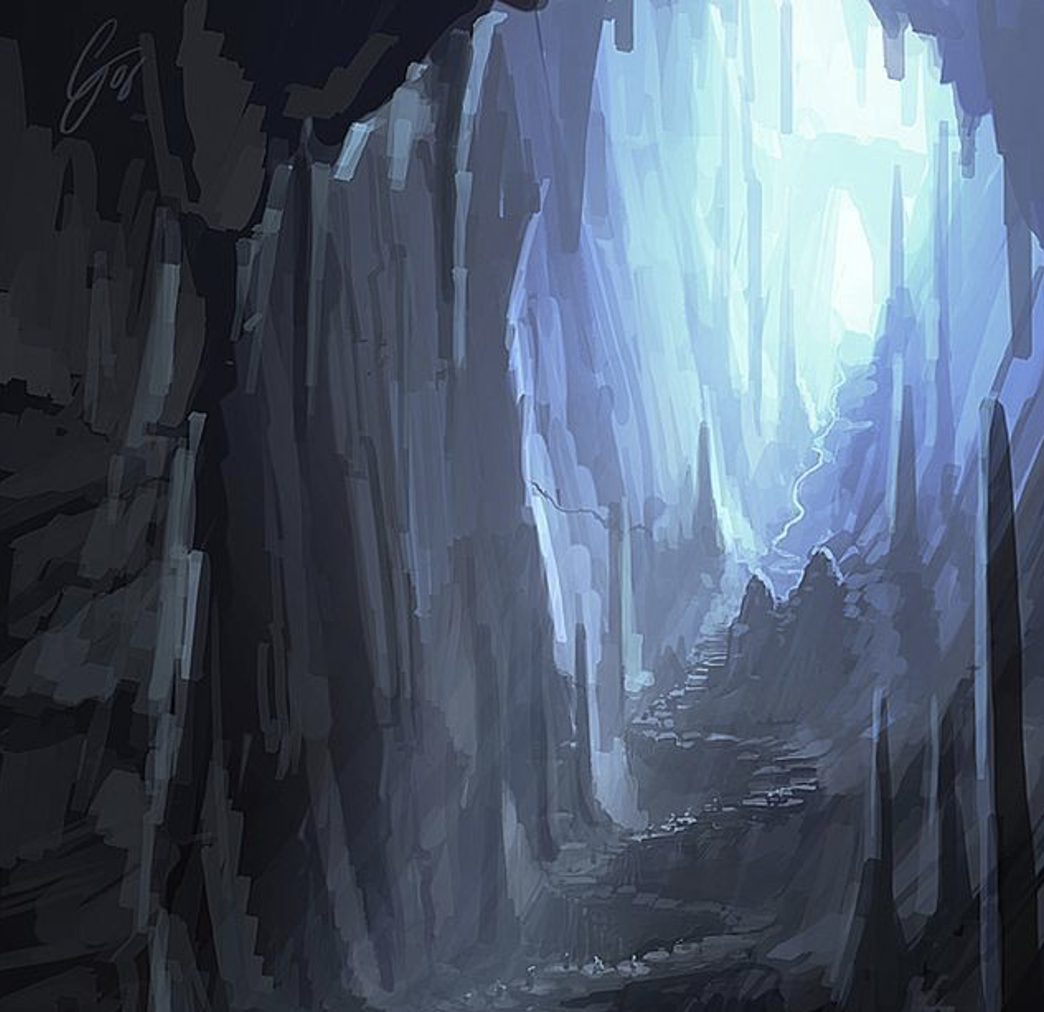
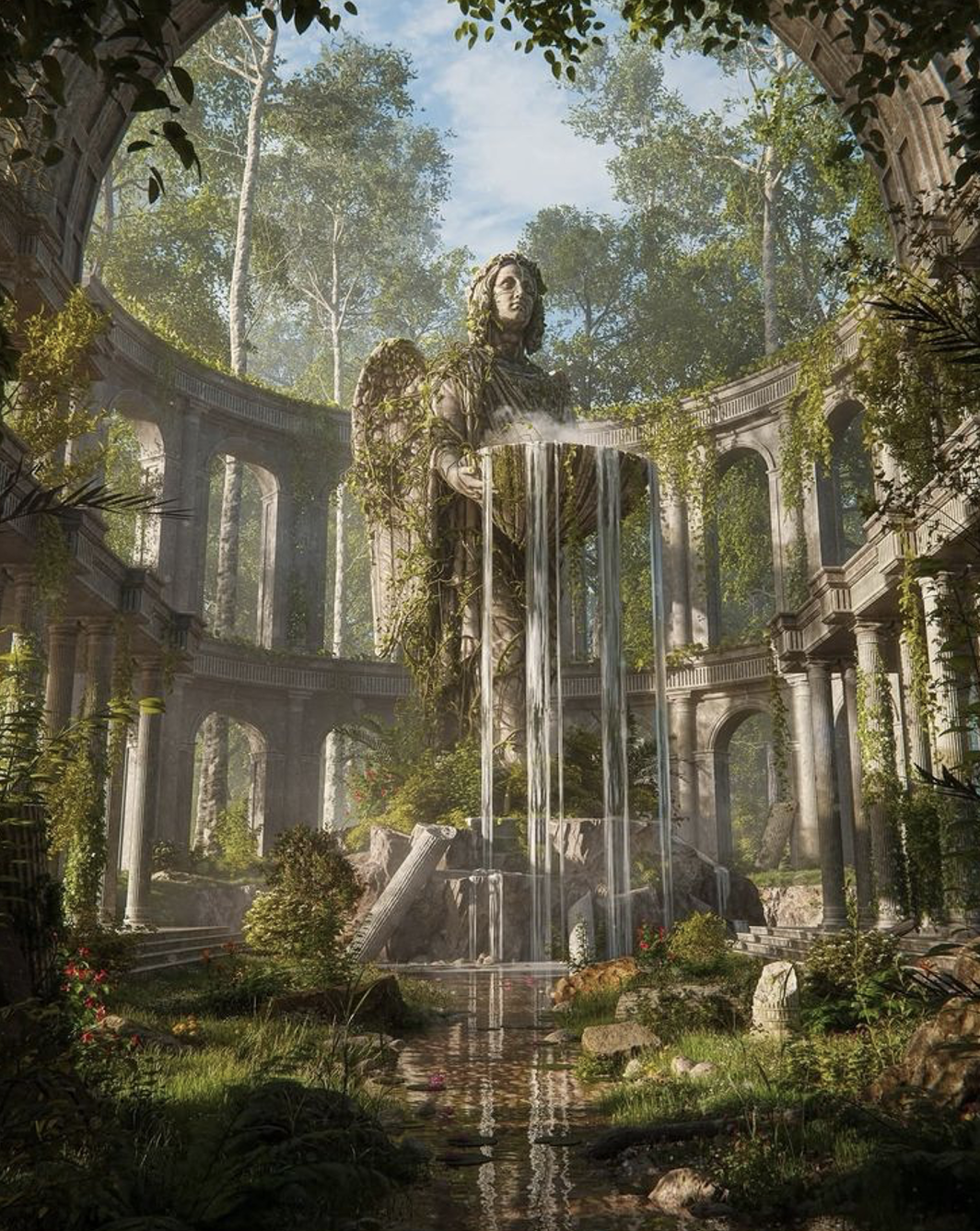
Of Circles, Not Communes. Kesar’Arrat began to travel across the continent, building his Silver Path. In his travels, he found those who had once heard the whispers of the warped moon and guided them to the Wildlands. Those he brought to his sister’s care coined Kesar’Arrat “The Woeful Traveler” for he carried with him an unmeasurable sorrow yet still took the woes of others upon himself. The new settlers of the Wildlands formed Circles (or clans), adopting a semi-nomadic or purely nomadic lifestyle. One Circle settled in the Moonlit Rise and sought a higher balance between primal nature and higher thought. The remaining Circles were blessed by Otsana, embracing the primal aspects of lycanthropy and integrating themselves seamlessly with nature. The Circle of the Silver Path built a town in the caverns near the Moonlit Tower, shielded from the harsh weather but still bathed in the Tower’s silver glow. Other Circles built no permanent settlements save for a Moonlit Refuge, circular shrines in honor of Otsana Daciana.
The Warden & The Huntress. For a time, perfect balance was achieved within the spectrum of lycanthropy whereby the restraint and control of the Silver Path balanced the primal madness embraced by the various Circles of the Wildlands. That balance was disturbed by the emergence of the Warden and the Huntress, sibling figures that mirrored and opposed the divine lunar siblings. The Huntress sought the joy of the hunt and felt there was no better prey than a lycanthrope in the full throes of lunar madness. The Warden sought to contain the Silver Path and bind it behind lock and key. What followed was a decades long period of imbalance. When the Warden faltered and the Huntress surged, Circles cowered and hid within the darkest depths of the Forests, suppressing their primal madness and overcompensating with the Silver Path’s restraint. Perhaps far worse, however, was when the Huntress faltered and the Warden controlled the Woeful Traveler’s path. Primal madness surged unchallenged, and groups of lycanthropes were reported to be the perpetrators of massacres in neighboring regions. Each Circle maintained a series of cautionary tales regarding the 4 figures of Lycanthropy: the First Lycanthrope, The Woeful Traveler, The Warden, and the Huntress. When balance was restored, the Circles began to elect Wolfspeakers who, beyond serving as a shaman or religious leader, existed to maintain the balance.
Vast Interlude. Although it was rarely ever perfect for long, the Wolfspeakers and Circles achieved an oscillating balance with decades favoring primal madness and decades favoring restraint. The Warden maintained his presence in the Moonlit Tower, while the Huntress established herself in O’Lycaon – a trade hub between the Wildlands and neighboring regions. Merchants from Prospera visited to seek the region’s Moonstones (and other resources) and one Circle adopted a “Twilight” stance, pursuing the tenets of Kesar’Arrat and Solva by seeking the path between day and night.
After The Barrier (0+ YAR). Hostilities rose between the continents of Dremora and Jalasar. In response, the smaller continent put up a magical Barrier to shield themselves from the larger continent. Deprived of their smaller target, the rising tensions on Jalasar turned inward. War and violence spread across the continent like a plague and with it… came agony, strife, sorrow, and pain. There were many that sought to capitalize on the chaos and disarray. Military and political leaders seized Keepers of Woe, believing that they could manipulate the Silver Path into leading their faction to victory. And, in response, Keepers began to remain in the Moonlit Rise. The merchants of Prospera became more forceful in their "requests" for Moonstones. As the Keepers retreated up the Rise, the merchants pursued, traveling further and further from O’Lycaon.
With Kesar’Arrat’s retreat to the Moonlit Rise, primal madness began to spread without the guiding light of the Silver Path. Entire Circles were consumed by their lunar forms when the full moon rose, wreaking havoc in their primal madness. Soon, these bouts of madness stretched beyond full moon nights and followers of the Huntress began to strain under the burden of slaying only those who were truly lost. And all the while, the emotional maelstrom within Kesar’Arrat continued to surge and grow, hidden behind the cool and collected face of the Woeful Traveler.
Kesar’Arrat’s Unbearable Guilt (~450-500 YAR). Near the end, the divine howls of Otsana echoed across the Wildlands, accompanied by frequent earthquakes and tremors. And then the Wildlands fell silent as blood stained the Silver Path. Kesar’Arrat retreated fully into his Tower, descending into a guilt-ridden madness unintentionally facilitated by the Warden’s natural tendency to control and contain. Was this fated? Was it destined? Kesar’Arrat stumbled beneath the yoke he carried. Unwilling to look at the blood upon the Silver Path, Kesar’Arrat closed himself off in the dark. And the miasma covered the Moonlit Rise that day.
Politics
In the Wildlands, there is very little formal political structure beyond the call of the moon and the balance of the 4 figures of Lycanthropy. However, each Circle was typically led by a group of shamans and/or elders who adhered to guidance provided by the Wolfspeaker of their nearest Moonlit Refuge. O’Lycaon, where followers of the Huntress resided, had a more defined structure. The Wolfspeaker and First Hunter shared religious authority and convened with an elected council to manage the affairs of O’Lycaon.
In the Moonlit Rise, the Warden was formally believed to oversee the general affairs of the Moonlit Tower. His influence, however, was – in theory – restricted to the building. The surrounding settlement was jointly led by the Silverlight and an elected Speaker from the Circle of the Silver Path. The Speaker was, on most occasions, a respected elder who was not and had not ever formally been a Keeper of Woe. As Keepers tended to travel frequently, they were often trained to serve as emissaries and ambassadors to nearby regions, facilitating trade and other agreements as needed.
Economy
The Circles of the Wildlands and the Moonlit Rise were generally very self-sufficient. They imported only what they absolutely needed and exported very little in return. In general, any formal trade was conducted more at a community-level rather than an individual-level. Resources belonged to a Circle first and the individual second. The Keepers of Woe were often exceptions to this rule as they engaged with trade during their often solitary travels across the continent.
The locals of the Wildlands traded directly with the Illanian aarakocra and followers of Solva at the border of their lands. Various food items – notably meats and berries – were traded to the Illanian aarakocra in exchange for unique herbs, alcohols and liqueur, and other food items often used for druidic rituals. The Circle of Twilight traded pelts and furs with the followers of Solva to the South, accepting amber, metals, medicines, and alchemical components in exchange. Formalized trade with the rest of the Jalasaran continent occurred primarily through O’Lycaon and was facilitated by the regular presence of Prosperan Merchants.
People
The primary residents of the Wildlands and the Moonlit Rise were lycanthropes and shifters, all of whom were typically members of a Circle. There was a sizeable minority of goliaths and half-giants in the South, often members of the Circle of Twilight or followers of Solva who had settled in Otsana’s lands. While rarely permanent residents, the Illanian aarakocra frequently visited the Wildlands and humans, Aetherians, keresello, Triton, and goblins were regularly found in O’Lycaon.
Lycanthrope Circles. The ancient term “Commune” was discontinued in favor of “Circle”, which was generally equivalent to Clan. The Circles were generally formed by different lycanthrope types. There was only one Circle in the Moonlit Rise: The Circle of the Silver Path, unique in that it was made up of roughly equal numbers of all lycanthrope types. The remaining Circles were in the Wildlands: Wolf, Bear (orange), Rat, Panther, and Twilight.
Religion and Culture
The culture of the Wildlands and the Moonlit Rise was fittingly lunar oriented and emphasized living alongside, with, and between nature. Circles moved across the land beneath the moonlight, hunting in their lunar forms and gathering in their humanoid forms. During the full moon and for other major lunar rituals, they would congregate at a Moonlit Refuge and receive lunar blessings from Otsana through the Wolfspeaker. Although more directly worshipped in the Moonlit Rise, all Circles beseeched the Woeful Traveler as a guiding light and a means to find the path (metaphorically, mentally, emotionally, and physically). Those who fully devoted their lives to one or both lunar siblings were recognizable by moonstone jewelry.
Religious Titles.
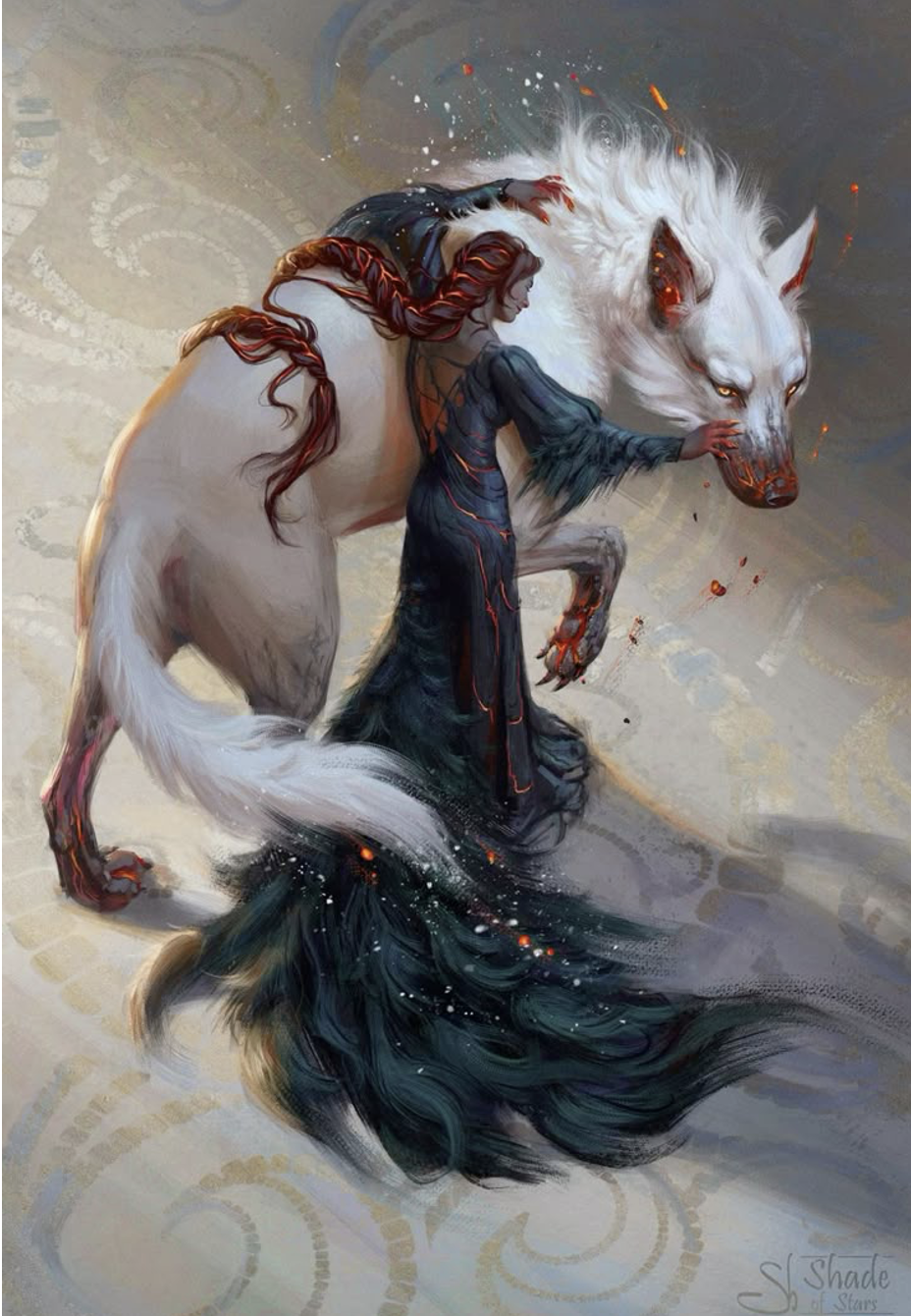
- Wolfspeaker – Roughly equivalent to a Priest/ess of Otsana Daciana. They often behaved in a delirious, half lucid manner and remained within a Moonlit Refuge. Each was gifted a wolf companion, the favored animal and form of Otsana. It was through this companion that Otsana was believed to speak to her chosen. The Wolfspeaker of O’Lycaon was attended by a retinue of Acolytes.
- The Silverlight – Roughly equivalent to a High Priest/ess of Kesar’Arrat. The term is the shortened form of “The Keeper of the Silver Light”. They were the leader of the Keepers of Woe and were blessed with an enhanced ability to perceive the Silver Path. Although some possessed abilities akin to Oracles, most were only able to guide people in the present.
Type
State
Included Locations
Characters in Location
Related Reports (Primary)
Lycanthropes and the Full Moon
Within every Circle, there was at least one lycanthrope who swore they heard the Moon whisper to them on full moon nights, inciting them to violence and mania. Although dismissed as extreme cases of madness and "lunar disorientation", it was impossible to deny that hte Moon did hold some sway over those of lycanthropic descent. Without proper training and restraint, lycanthropes often forcefully assumed their lunar forms and found it difficult, if not impossible, to revert to humanoid form until the sun had risen.The Shifter Race
Over many generations, lycanthrope blood thinned in some areas, particularly where lycanthropes married outside the Wildlands. This inter-mingling ultimately led to the formalization of the Shifter race on more than one occasion. The first instance of a shifter race occurred in Oshiv’Ran, when a group of lycanthropes traveled and chose to remain there, establishing good relationships with the firbolgs in Antiek’Vee long before the Dremoran Calendar was instated. Why the group chose to remain so far from the Wildlands has been lost to time.Hair & Clothing
Men and women of the Wildlands and the Moonlit Rise tended to wear their hair long and braided. Circles in the Wildlands preferred "wilder" styles with feathers, bone, carved moon iconography, and various random twigs/leaves inlaid within the hair. The Circles of the Silver Path and Twilight often wore neater styles, with more refined and meticulously placed silver or amber jewelry, respectively.Both cultures tended to prefer fur-lined garments and even full fur tunics and cloaks in the south and in the Moonlit Rise. Almost all clothing was made meticulously by hand and, thus, was made to last. Important items (such as fur tunics or ceremonial items) were often made with a “bursting seam”. This allowed the garment to tear in an easy, predictable pattern when a lycanthrope unexpectantly transitioned to their lunar form and later facilitated repair. Very little metal was used save for silver mined in the Moonlit Rise and imported from nearby regions.
Moonstones
The followers of Prospera were content to acquire any item the Circles required from anywhere on the continent… in exchange for Moonstones. The silver stones could only be found in the caverns of the Moonlit Rise and their specific location was guarded intensely by the Circle of the Silver Path. The trade of Moonstones was the most regulated trade in the Wildlands. Changes in the quantity that could be exported had to be directly approved by the Silverlight.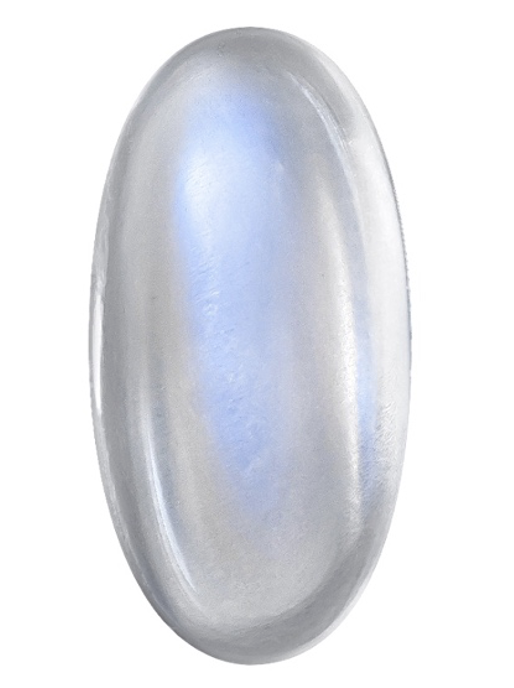
Moonlit Refuge Vibes
Wolfspeaker Vibes

Comments