
Sylvaren (SILL-vah-ren)
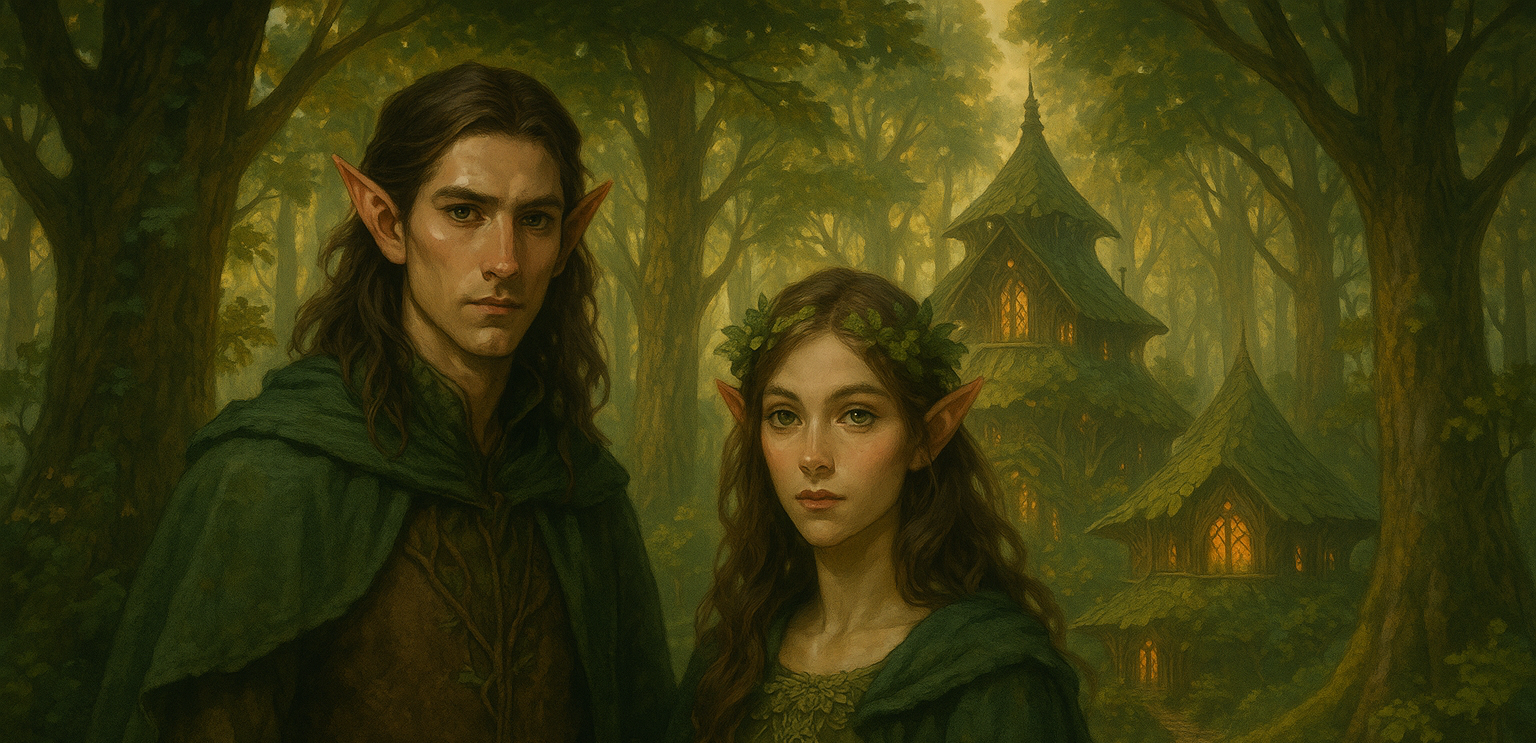
The Sylvaren are the guardians of Tanaria’s ancient forests, a deeply rooted people whose lives are intertwined with the rhythm of the natural world. Unlike their Aelvaren cousins, the Sylvaren do not seek to master nature but to exist within it, listening to its whispers and drawing power from its primal essence. They dwell in hidden groves, tree-canopied villages, and living structures grown from the land itself—places where roots curl into hallways and moonlight filters through leaves like falling silver.
Sylvaren society is built on harmony, respect, and quiet resilience. While not as rigid or isolationist as the Aelvaren, they still value privacy and do not welcome outsiders freely. They believe every tree has memory, every animal a voice, and they often commune with the land through druidic rites or nature-based magic. Among the elves, they are the most attuned to the elemental and fey forces of the natural world.
Hunters, shamans, spirit-guides, and wardens form the backbone of Sylvaren culture. Though peaceful by nature, they are fierce defenders of their territory. Their warfare is swift and precise—ambushes from the treetops, poisoned arrows, and spells that cause roots to rise and strangle. To threaten a Sylvaren forest is to awaken an ancient wrath.
Their art is understated but deeply spiritual—woven from bark, carved from bone, or sung into being by magic. Their clothing blends into the landscape, and their rituals often take place under moonlight or during storms, drawing power from natural phenomena. They revere Sylvanna, the Verdant Mother, as their prime deity and view themselves as her stewards upon the mortal plane.
Sylvaren are a people of quiet strength, ancestral memory, and unshakable connection to the land. To speak with one is to hear the voice of the forest itself.
Naming Traditions
Feminine names
- Naevia
- Thalira
- Elyra
- Sirael
- Virelle
- Maevyn
- Seralyn
- Lywen
- Ithria
- Ysolde
Masculine names
- Theren
- Caelir
- Faenor
- Sylian
- Orinel
- Ravon
- Elaric
- Varen
- Lioren
- Thalos
Unisex names
- Aeren
- Sylas
- Velrin
- Ilvara
- Draelin
- Zareth
- Nyrel
- Elunor
- Talen
- Veris
Family names
- Thornbough
- Leafshade
- Moonglen
- Ashwalker
- Silverbark
- Willowheart
- Dawnmire
- Nightgrove
- Starbranch
- Mossveil
Culture
Shared customary codes and values
The Sylvaren live by a quiet, enduring code rooted in nature, balance, and legacy. Their customs are not dictated by written law, but by an ingrained sense of harmony and generational memory—an understanding that every action echoes through the land and the lives of others.
Stewardship of the Land
Above all else, the Sylvaren value the health of the land. Forests are not merely homes—they are ancestors, teachers, and sacred spaces. Every leaf turned, every tree harvested, is done with intention, prayer, and replacement. Wastefulness is taboo; greed is unforgivable. Even in war, they avoid damage to the land where possible.Truth in Silence
Words carry weight among the Sylvaren. They speak sparingly, preferring meaning over embellishment. Silence is not uncomfortable but sacred—a shared moment of communion with one another or the forest. Promises are rarely made, but once spoken, they are unbreakable. Lies are not forbidden, but manipulation is looked down upon.Balance over Extremes
Sylvaren reject extremes in behavior, magic, and emotion. To them, imbalance—whether in nature or one’s spirit—invites corruption. They practice seasonal rituals to realign themselves and consult shamans or spirit-guides when grief, rage, or sorrow threatens to overwhelm.Legacy of Footprints
Each Sylvaren is taught to consider the marks they leave—on the earth, in memory, and through magic. Children are raised with the question, “What will your footprints say of you?” Personal achievements are less valued than quiet contributions to the greater whole: a healed animal, a well-tended grove, a story passed to the next generation.Communal Responsibility
While privacy is respected, no Sylvaren lives entirely for themselves. From foraging to raising children to maintaining magical wards, responsibilities are shared. Elders are revered as storytellers and advisors, and youth are not coddled but taught early to listen and contribute meaningfully.Rites of Passage
Coming-of-age often involves a journey alone into the deeper wilds—known as The Listening. There, a young Sylvaren must commune with a spirit, survive with only their knowledge and instinct, and return having learned a truth about themselves. Upon return, they may choose a new name or mark themselves with a tattoo grown from living ink.Respect for the Dead
Death is treated as a transformation, not an end. Bodies are laid in moss crypts or entombed within the roots of sacred trees. Spirits are honored on moonless nights, when the veil thins. To forget the dead is considered a betrayal of one’s bloodline and the forest alike.Common Customs, traditions and rituals
The daily life of a Sylvaren is steeped in reverence for the natural world and in the rhythms of the forest. Their customs are deeply seasonal, often tied to the turning of moons, the migration of beasts, and the blooming or withering of certain sacred plants. These traditions bind their scattered communities with shared meaning, even across great distances.
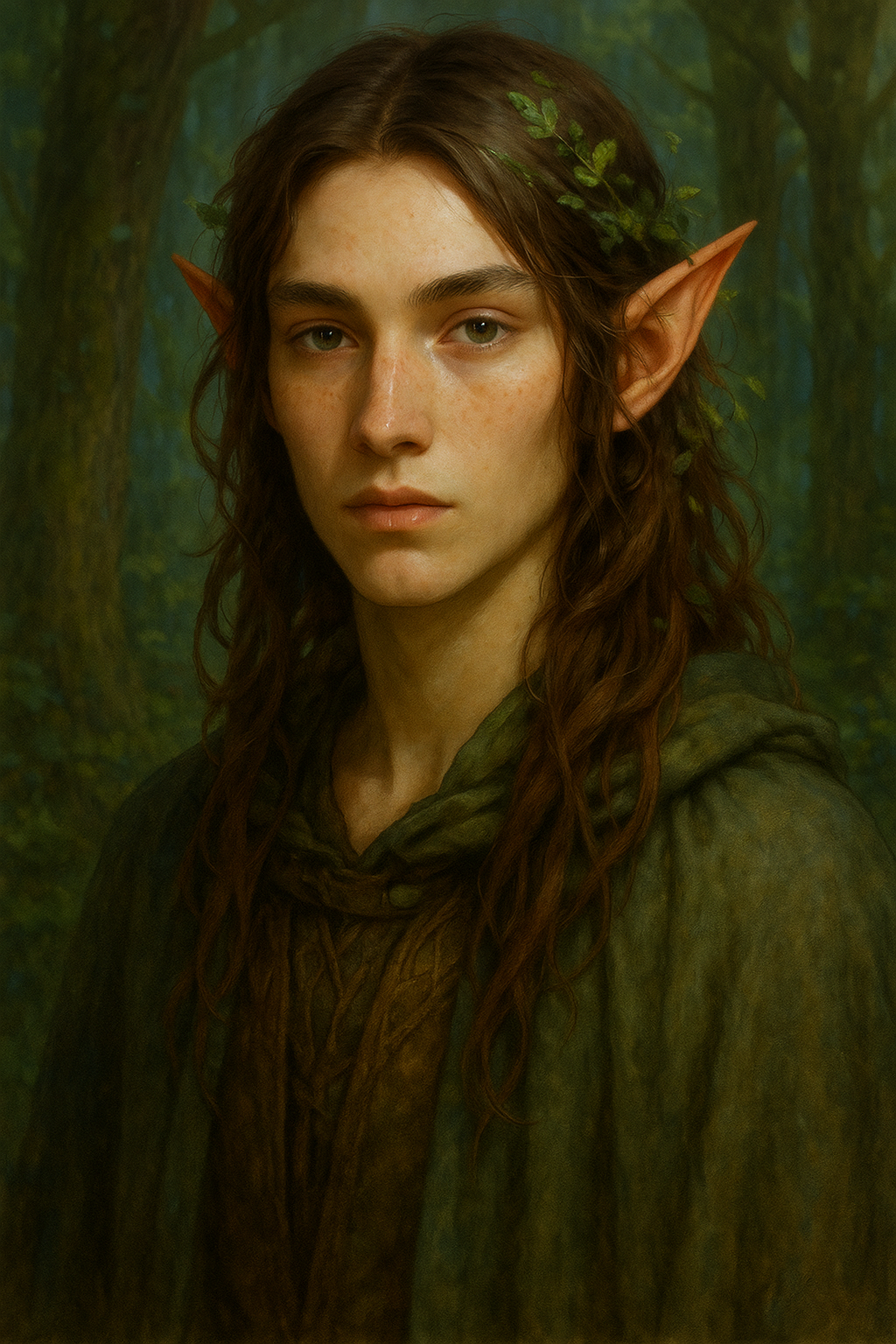


I love all their cultural rituals, but I think my favourite is the tattoos of living ink. :)
Explore Etrea | WorldEmber 2025
Thank you! Glad you liked it! Making the cultures different is one of my fave parts of worldbuilding.
"Every story is a thread, and together we weave worlds."
The Origin of Tanaria