
Athrukar
The Wildmen of Northern Siar
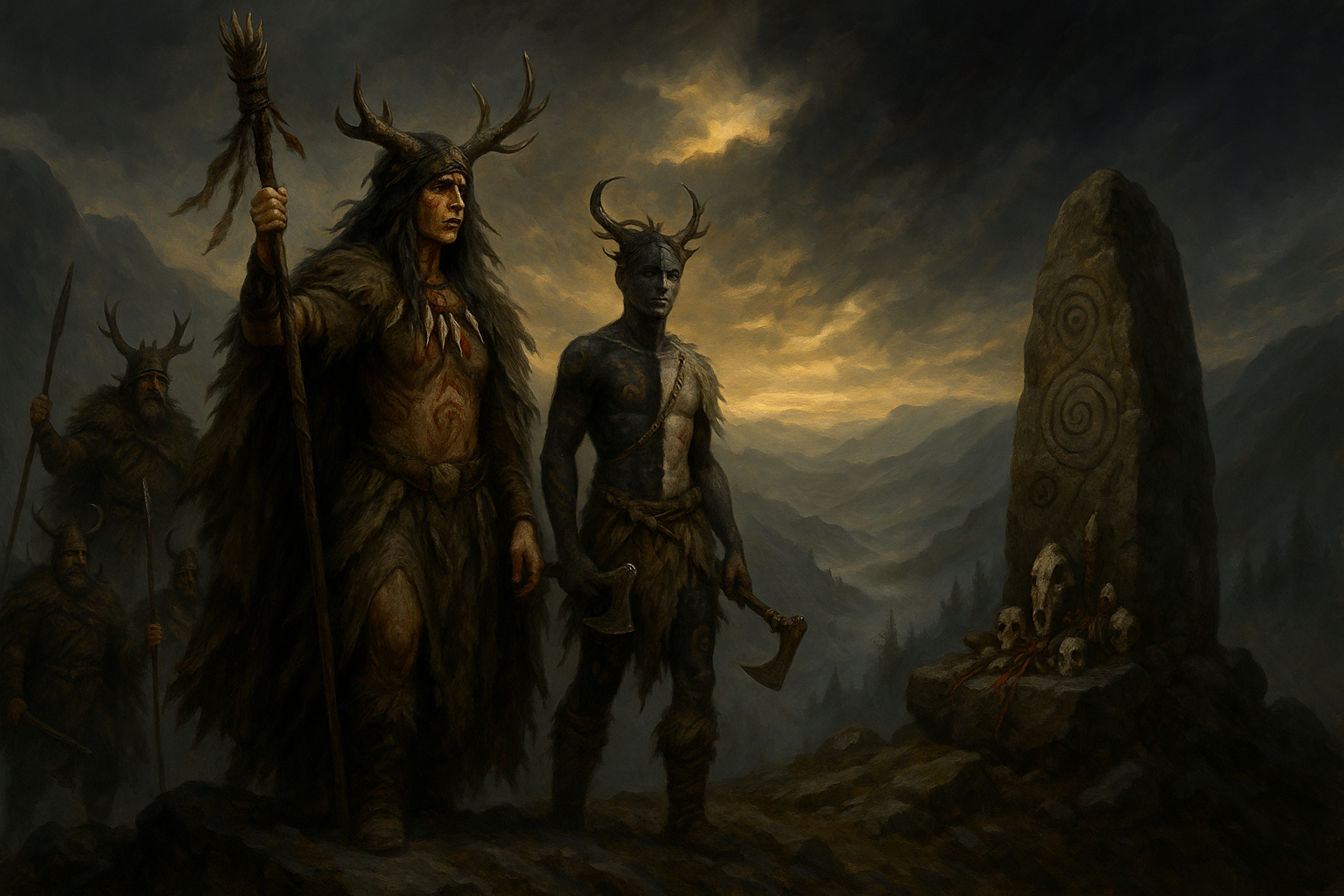
The Wildmen of Northern Siar are a Human ethnic group native to the wild marches of Northern Siarland. Believed to be related to the Siar Clansmen of Upper Siar, the wildmen are distinct from their kin due to the geographical isolation provided by the tall peaks of the Khelreach Range and have limited interaction with the feudal kingdoms of Siarland. They remain largely outside the authority of these kingdoms, retaining ancient cultural practices that have withered throughout most of Siarland.
The Wildmen refer to themselves as the Athrukar, the term Wildmen being popularised by The Siar Conclave in the accounts of the first Elven encounters with the Athrukar. The label endured, persisting in common usage well into the 2nd century of the Imperial Era with the citizens of Upper Siar and Farraige.
The Wildmen refer to themselves as the Athrukar, the term Wildmen being popularised by The Siar Conclave in the accounts of the first Elven encounters with the Athrukar. The label endured, persisting in common usage well into the 2nd century of the Imperial Era with the citizens of Upper Siar and Farraige.
Culture
Major language groups and dialects
The Athrukar speak a dialectal offshoot of the Siar clan languages, marked by archaisms and spirtually flavoured phrases that are absent among the Clansmen. Few among them speak the Common Imperial Tongue, which has contributed to their greater seperation from wider Siarland.
Culture and cultural heritage
Shared customary codes and values
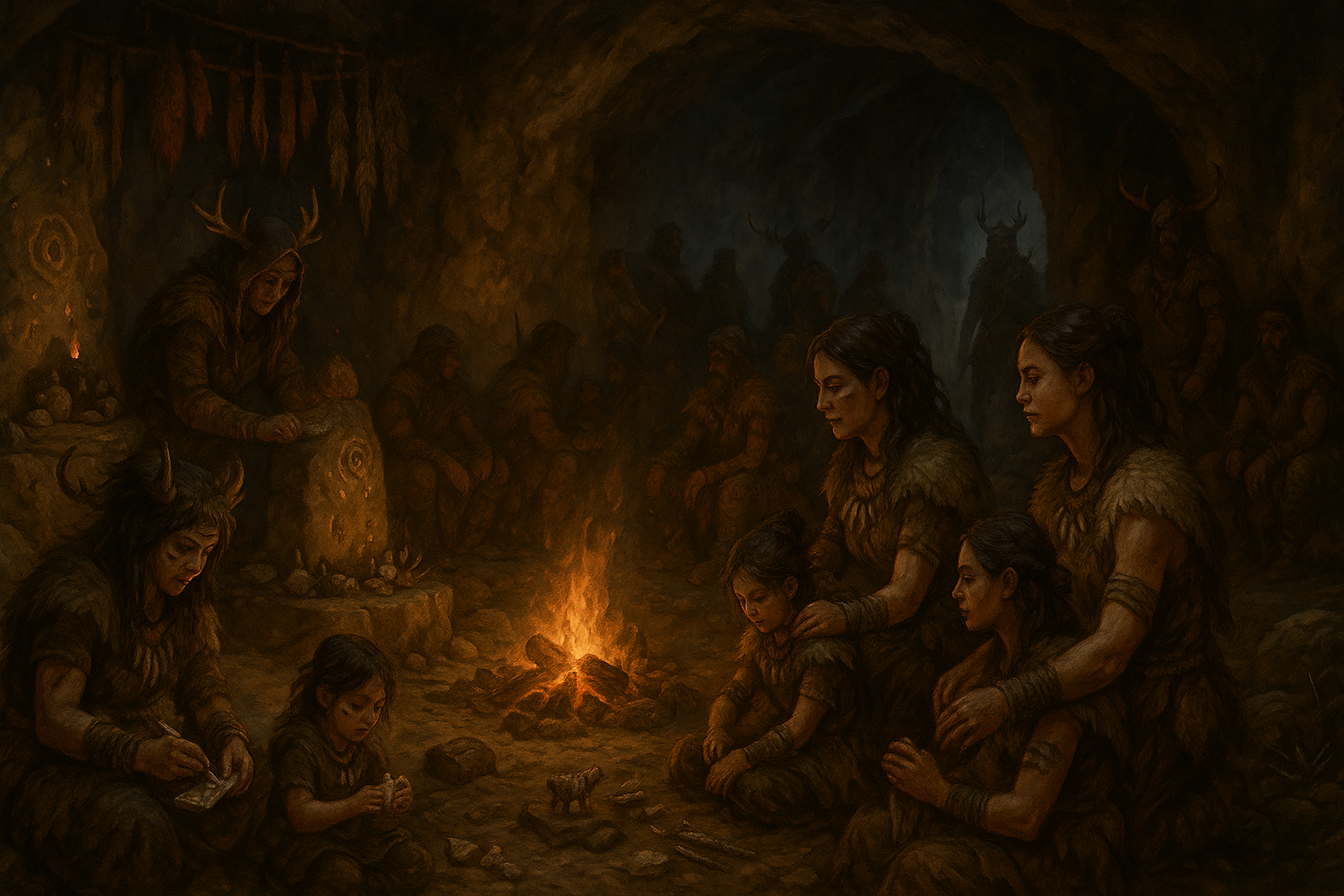
The Fire shelters all. Harm not the guest who shares your hearth. The Hunt feeds the clan. Waste nothing; the first cut belongs to the spirits. Oaths bind the soul. A broken word curses blood and bone alike. The Dead remember. Honor the ancestors in shrine, stone, and song. Storm and Soil endure together. All walk as one in balance. Courage is the measure of flesh. Stand for kin; do not spill blood without cause. Truth belongs to the fire. Lie not in council, lest the spirits turn away.
Common Dress code
Clothing is fashioned from goat-hide, deer skin, and woven wool, often un-dyed or coloured with natural pigments. Warriors often cloak themselves in wolf, bear, or stag pelts, believing they take on the spirit of the beast in battle. Armour is scarce, but warriors adorn themselves with bone plates, antler helms, or tusk charms, more symbolic than practical. However, to wear the pelt of a beast one has not slain personally is considered dishonourable.
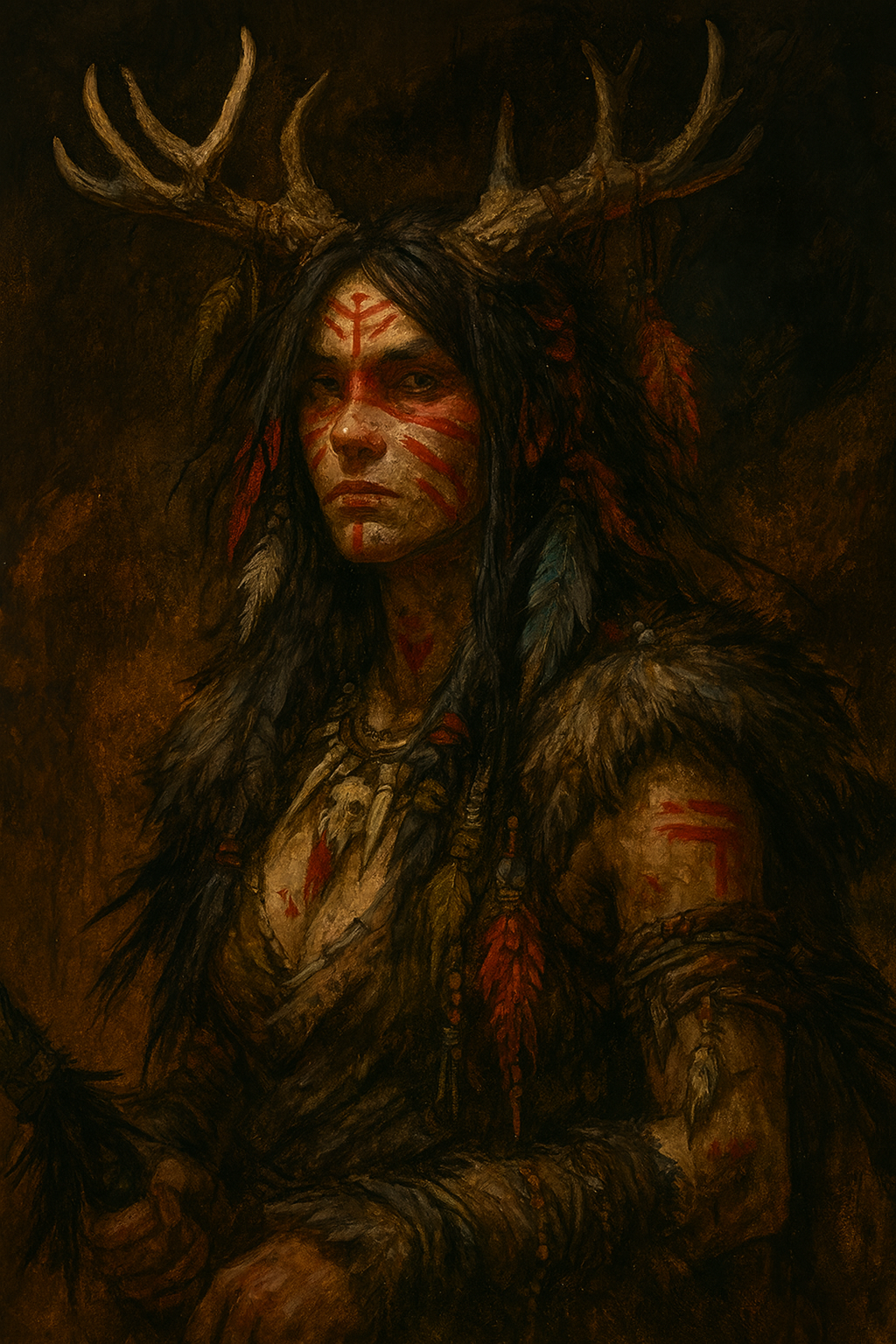
Shamans typically wear antlered or horned headpieces, cloaks hung with feathers, bones, and charms. Their skin is heavily covered in ritual scars and tattoos.
Foods & Cuisine
The Athrukar's food reflects their harsh environment. Meat, goat-dairy, roots, and coarse grains, sustained by hunting, foraging, and raiding. Meals are simple but communal, bound with ritual significance. Every feast honours the spirits, every offering feeds the ancestors, and every hearth fire carries the memory of those who ate before.
Birth & Baptismal Rites
A newborn is carried to a sacred stone, tree, or waystone near the village within the first seven days. The shaman marks the child’s brow with paint, whispering the names of ancestors so they may recognize the child. Children are given a name at this presentation, often descriptive of omens at the time of birth.
Coming of Age Rites
If a youth is marked by unusual visions, markings or birth omens, they may be set apart as a future shaman.
Common Taboos
Ideals
Gender Ideals
Both genders are expected to fight when the clan is threatened. Women are revered as voices of the ancestors, believed to carry their strength and memory more strongly than men, leading to them being largely represented among shamans and the magic practicing druids of the wildmen. Men are measured in hunting and raiding prowess, storm-song, and their ability to protect kin.
Together, storm (male) and soil (female) are valued as two parts of a whole to maintain balance in clan life.
Some wildmen walk the Athruna or Two-Spirited Path. Two-spirited people are known to mix traditionally masculine and feminine attire, speech and ritualistic practices. Among the wildmen they are not viewed as crossing or breaking gender roles but rather embodying wholeness in order to represent their breadth of their tribe's interests when they commune with the spirits.

Comments