
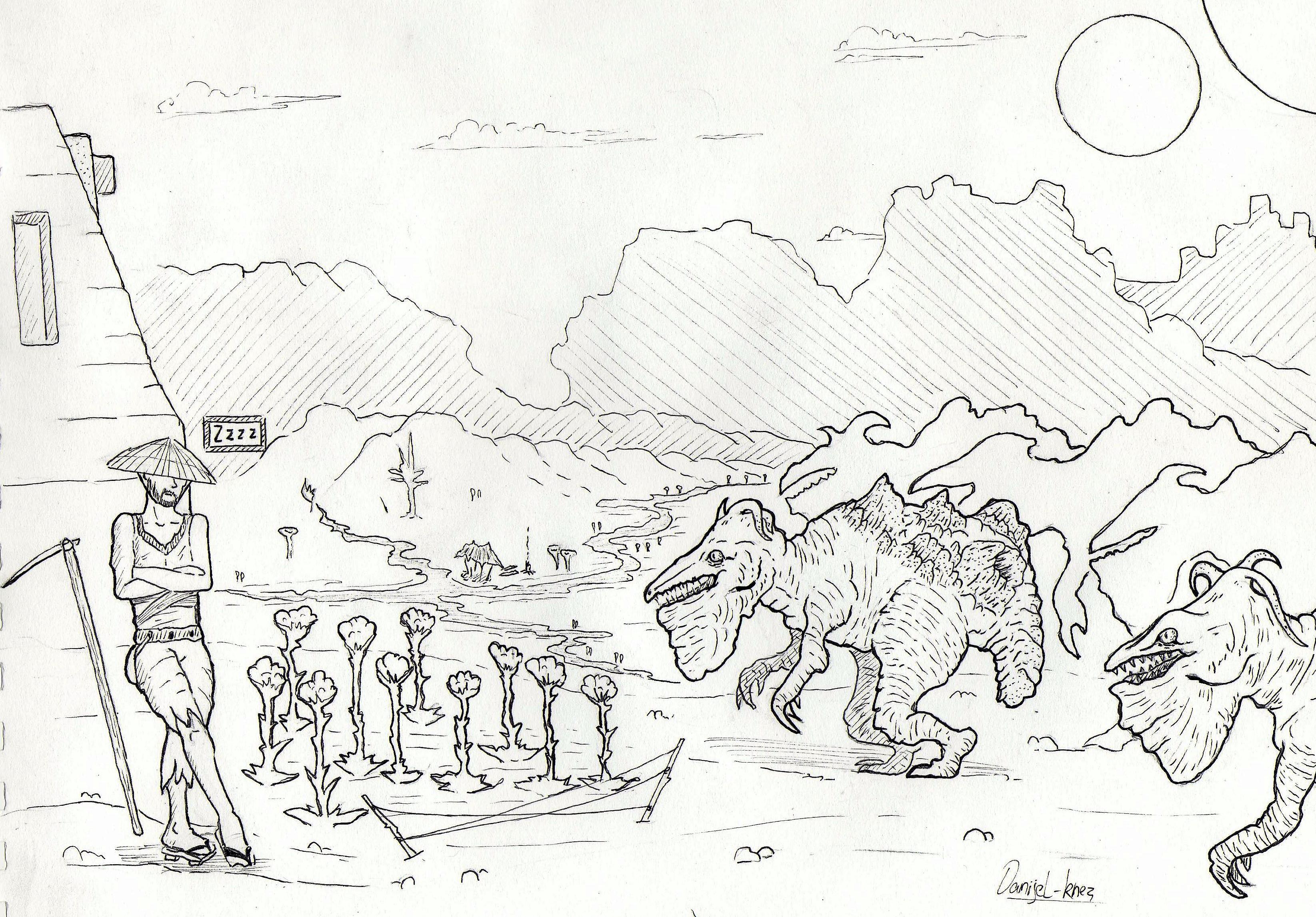
River Raptor
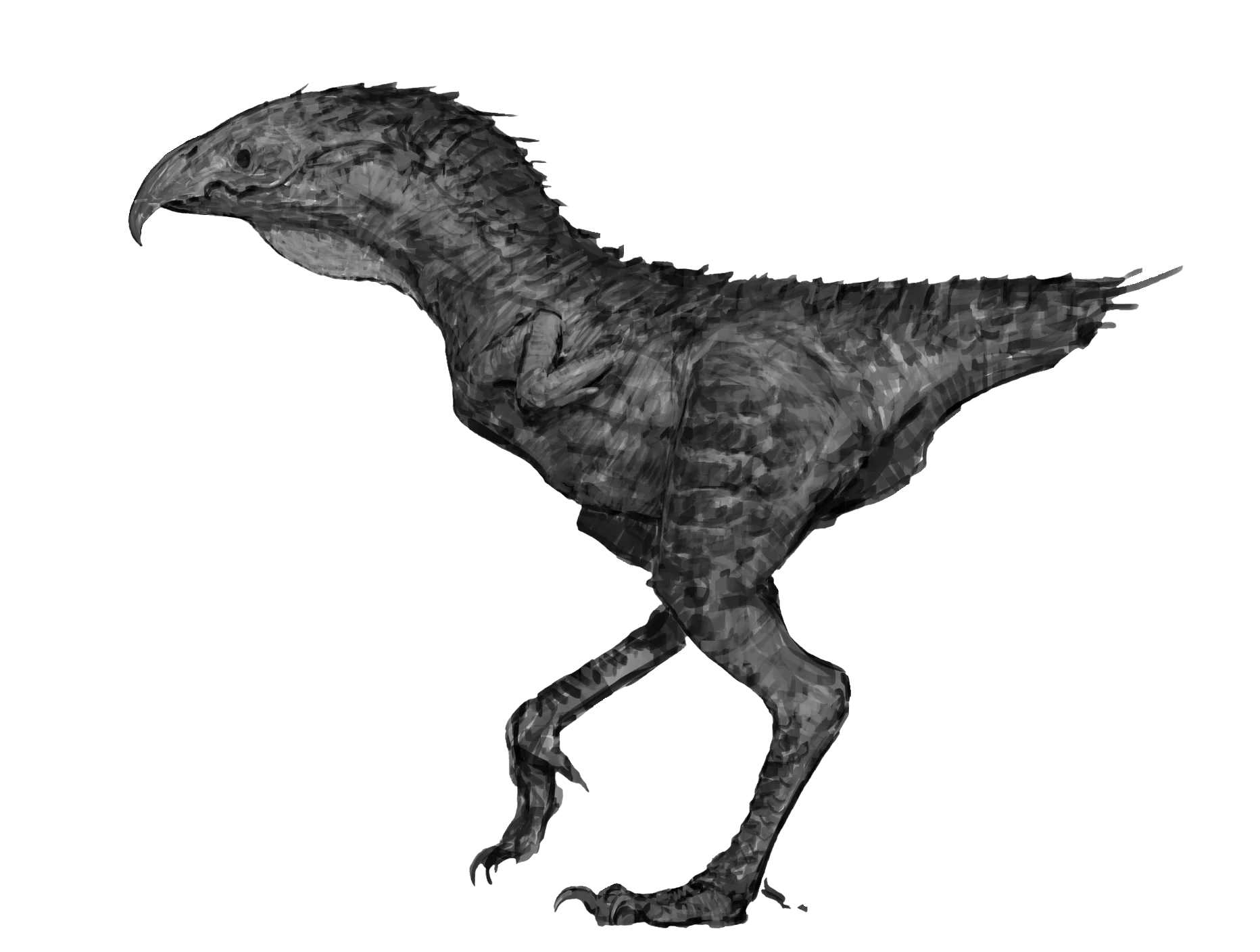
The River Raptor is a bipedal scavenger and forager common to river valleys and floodplains, known for its calm disposition and simple habits. Despite their size and sharp beaks, these creatures are remarkably docile, seldom attacking unless cornered or defending their nests. They wade through shallow water in search of fish and reeds, communicating in soft, clucking calls that echo across the shallows.
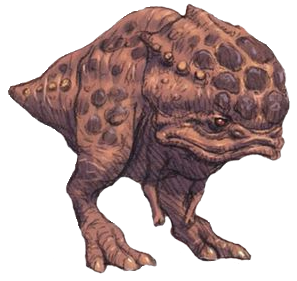
In the wild, River Raptors gather near the edges of rivers and flooded plains, nesting in shallow mud hollows lined with reeds. They feed on small fish, amphibians, and insects, using their narrow beaks to probe beneath the surface for movement. During the wet season, their flocks can be seen drifting lazily downriver, half-submerged and unbothered by passing travelers. Yet when threatened, they stand their ground in eerie silence, heads low, beaks clicking, eyes fixed, until the intruder either backs away or learns just how much damage a slow creature can do when cornered.
Raptor Nests
Simple but cleverly placed, often found tucked beneath the roots of large trees or carved into shallow ditches along muddy riverbanks. The creatures use reeds, dried mud, and bits of shed feathers to line the interior, forming a soft, insulated basin that stays cool in the heat of day and warm at night. The nests are built low to the ground, half-submerged, making them difficult to spot until one is nearly upon them.

Domestic Life
Domesticated generations ago, River Raptors are now raised on ranches across the deserts and wetlands alike. They adapt well to human care, growing tame enough to follow handlers and even recognize voices. Their large, nutrient-rich eggs form a staple food for many settlements, while their slow, deliberate movements make them easy to manage. Still, when provoked, a River Raptor’s beak can shear through bone, a reminder that even the gentlest beasts of Kenshi carry the wild in their blood.
Geographic Distribution
Natural Ingredients
Pelt - 2
Animal Fat - 2
Raptor Claw - 2

Comments