
Congregation of Breyta
The concept of wisdom can branch into many variations. The definition of wisdom is built on figurative implication. Wisdom in the preservation of knowledge, the driven desire of the purest truth, the understanding of self-reflection, the perception of the world, or to do better. At the time of the Institution of Breyta, the first faith of the Goddess of Wisdom, these variations were the motivations of followers. To protect, respect, and collect knowledge to preserve the memory and wisdom of the mortal race. Drawing closer to learning more of existence and seeking their purest truths. However, as the faith became more faithful, the variations of belief split into a new variation of conceptual wisdom, the collection of knowledge as power and supremacy. A form of radical faith stemming from the iconography of knowledge and wisdom. A belief that greater knowledge makes one truly greater than the less intelligent. Percieving that one with vast knowledge is gifted by Breyta herself to lead and stand high above the rest of the mortal races. Founded by their prophet, Cassian Sage, the priesthood split off from the original faith and became the Congregation of Breyta. Following the guidance of the Prophet Cassian, they sailed from the small continent of Eitabera to Forodren, where they spread their influence among the refugee humans who were desperate for salvation from the shame of their race's sinful past. When Argon Owenar, brother to the first King Utheos Owenar, invited the congregation to the newly founded Kingdom of Owenar, they did not hesitate to seize a rare opportunity to help form a new nation according to their beliefs. Since then, their history of gathering believers, meddling in the affairs of government, their rise to council the monarchy, and their fall from the height of their power during the Wiseman's Purge has changed their once-nation-dominating faith into the most powerful religion in the Kingdom of Owenar.
Structure
The Congregation of Breyta is a complex religious and political entity with a hierarchical structure built upon the tenets of knowledge and power. This organization is defined by its rarity of divine leadership, the practical authority of its governing body, the functions of its clergy, and the existence of specialized parties that enforce and oversee its mission. This framework allows the Congregation to not only maintain its faith but to continue to exert influence in the Kingdom of Owenar despite its tumultuous history.
At the very pinnacle of the organization is the Prophet, a figure of singular authority. The Prophet is considered a divine figure and is the sole interpreter of all religious dogma and texts, making them the ultimate authority on all matters of faith. This position is not hereditary, but is instead bestowed upon an individual who possesses a prodigious level of intellect, selected by the High Priests. Due to this demanding criterion, a Prophet is exceedingly rare, with only four having been deemed worthy of the title in over 1,000 years. When a Prophet is not present, the Inquisitors hold governing authority. This collective is led by a single Grand Inquisitor, who commands the Congregation’s small militia and is responsible for its overall direction. Inquisitors are further ranked by years of experience, from 1st to 3rd Level. They are tasked with passing judgment on heretics, directing the acquisition of knowledge, and enforcing the Congregation’s will, often with a severity that creates tension with the general populace.
The daily operations of the faith are managed by the Priesthood, which is divided into three ranks: Acolytes, Priests, and High Priests. Their primary role is to teach and preach the words of the Goddess Breyta, as recorded in their sacred text, the Heart of Wisdom. Continuing the original mission of the faith, the priesthood actively travels the world to collect and record knowledge, spreading their beliefs to strangers as they do so. The common followers are ordinary individuals who attend services, study the provided texts, and respectfully work with the priesthood. While they generally get along with the priests, they are often at odds with the Inquisitors, who have shown a willingness to accuse even followers of heresy. The Congregation maintains its influence by offering positions within the priesthood or the Inquisition to followers who demonstrate exceptional intellect.
 Beyond the core hierarchy, the Congregation also operates two specialized parties that reflect its complex nature. The Sage's Sentinels serve as the organization's dedicated defense force, a military order of clerics, knights, and paladins sworn to protect the faith from imminent threats. Commanding the Sentinels is House Sage, the direct descendants of the founder, Prophet Cassian Sage. This party was given authority over the Congregation after its fall from power during the Wiseman's Purge. Their presence is a deliberate measure by the monarchy to ensure the faith is overseen by a bloodline with a history of leadership, preventing a single figure or a collective like the Inquisitors from regaining the overwhelming influence it once had.
Culture
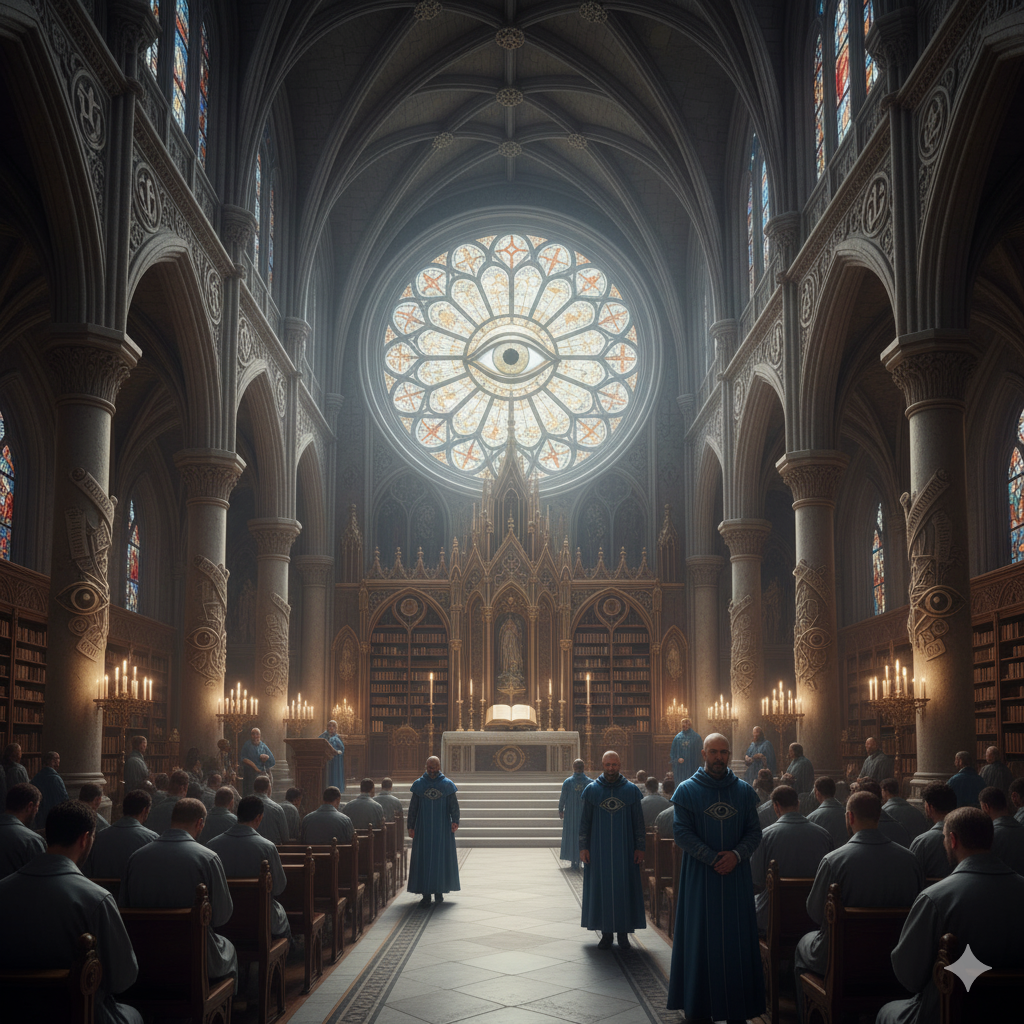
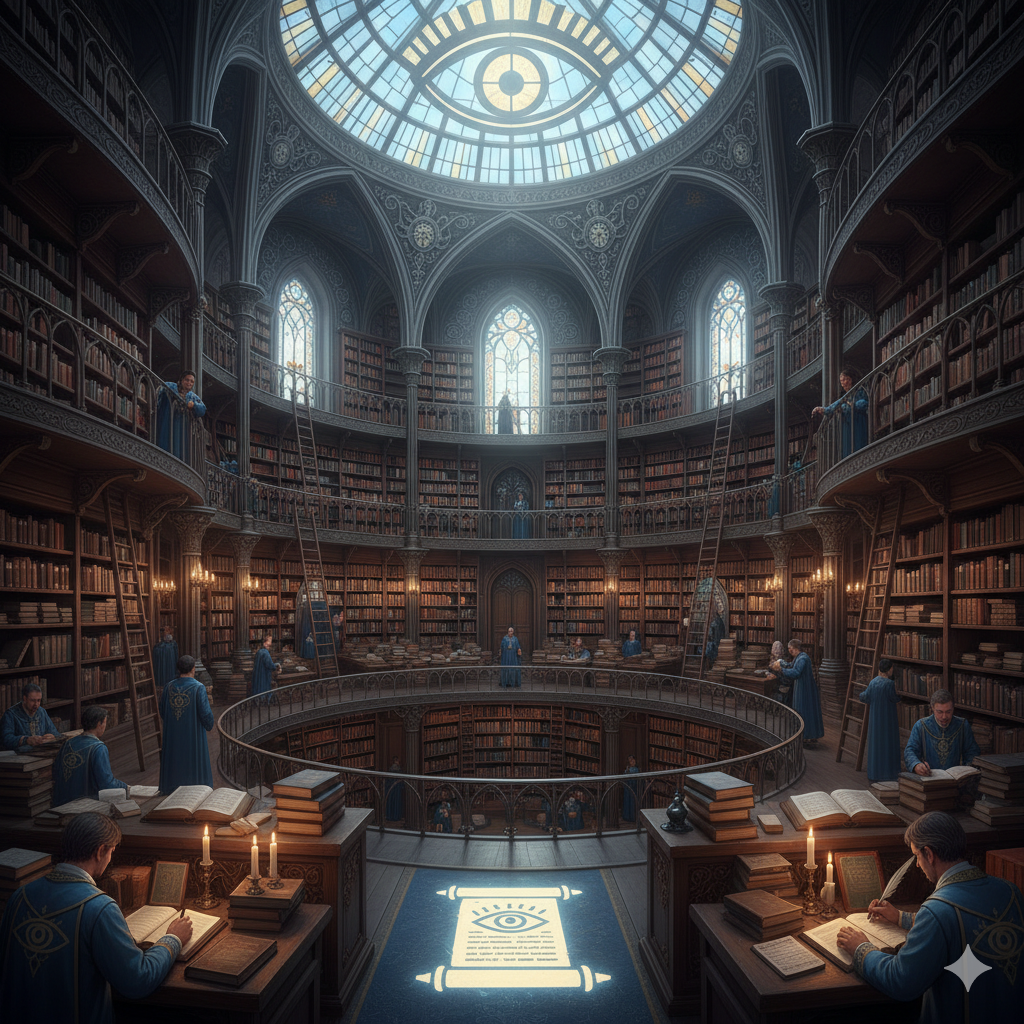
The culture of the Congregation of Breyta is defined by its two opposing interpretations of wisdom. At its core, the culture is one of intellectual pursuit, reverence for knowledge, and meticulous record-keeping. Their faith dominates in an emotional and spiritual core that practices debate, scholarly research, and the silent contemplation of texts within the vast archives of the Silver Eye, their central temple. This intellectual-first approach sets them apart from other faiths, appealing to those who believe the path to enlightenment is through the mind.
This culture of learning, however, is constantly in tension with the radical, militant wing of the faith. The original tenet of seeking knowledge for wisdom's sake has been overshadowed by the belief that knowledge grants supremacy. This has fostered a culture of elitism and suspicion, particularly among the Inquisitors, who view those with less knowledge or different interpretations of the faith as intellectually inferior. This cultural divide is the source of the friction between the Inquisition and the common followers, who are often judged with harshness and contempt.
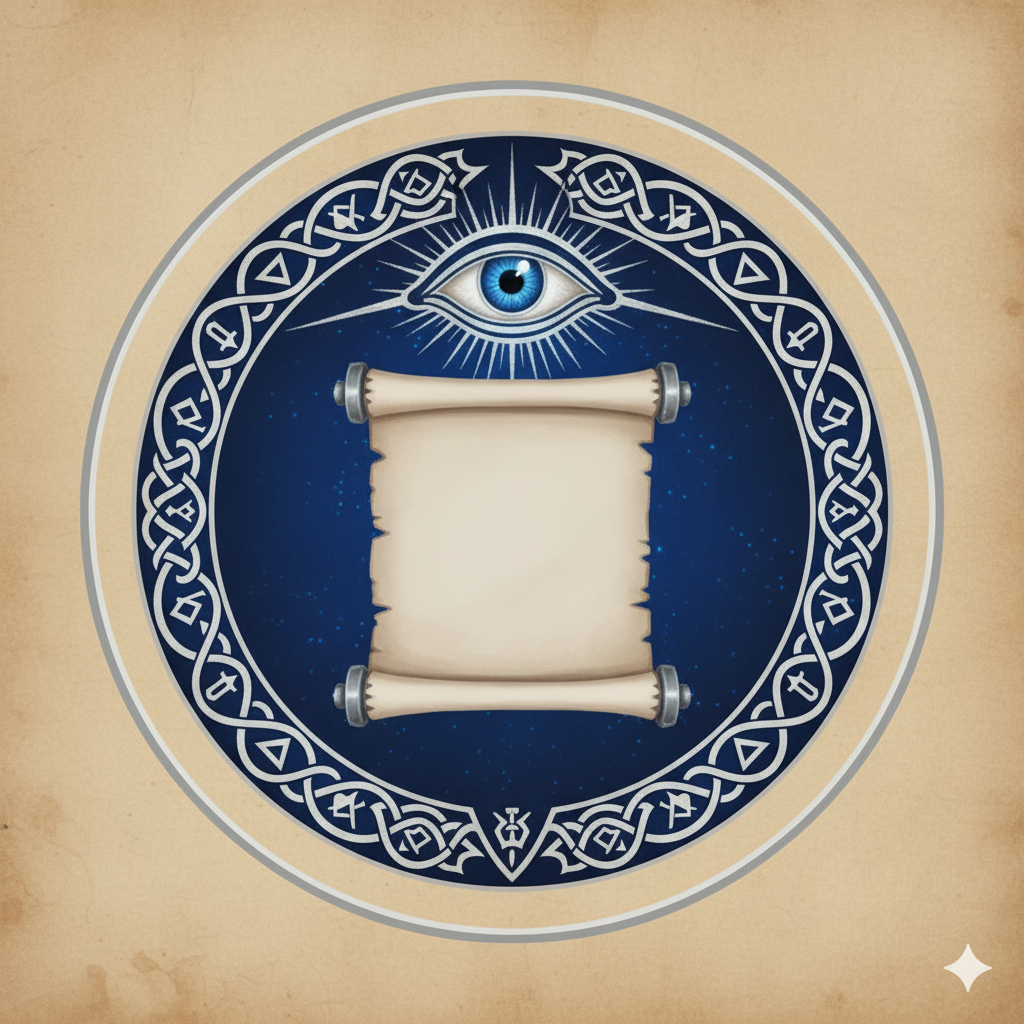
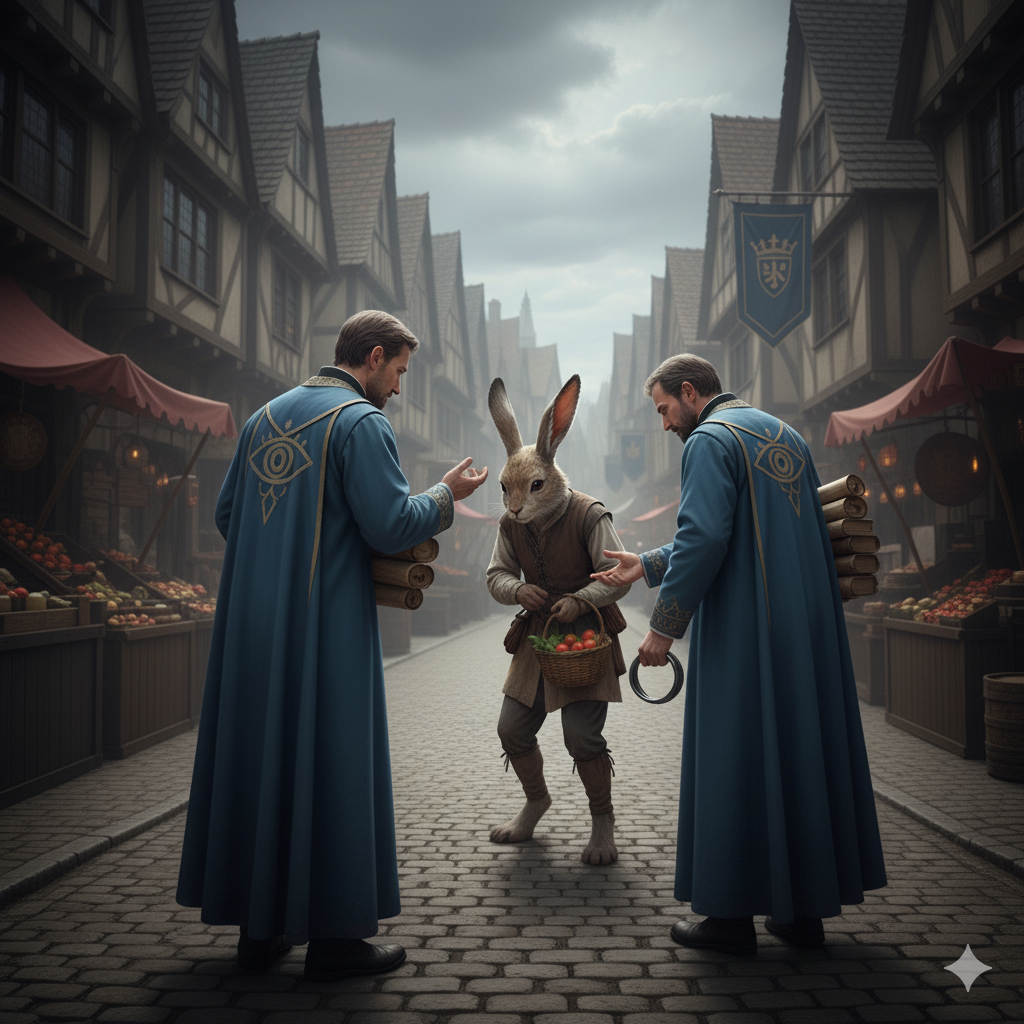 The priesthood is easily identifiable by their uniform: ornamental blue robes bearing the sigil of the Congregation—a shining eye over a written scroll. They are rarely seen without paper and ink, prepared to record new knowledge. The Inquisitors wear the same robes but carry steel rings to symbolize their rank and a copy of the Prophets' teachings. They do not interact with non-believers unless they are proselytizing or seeking information. Those who show a lack of intellect are willfully ignored and deemed "sinners."
Every year on the Moon of Aerin, the third month, the Congregation celebrates the birth of King Altheos, whom they regard as a divine vessel of Breyta for his role in establishing a constitutional monarchy. This celebration is a solemn affair; they lock themselves in their archives for a full week, spending little to no time outside while fasting to dedicate more time to reading every document in their possession.
Since their fall from power, the Congregation has been viewed with a mix of fear and respect by the Kingdom of Owenar's populace. Their followers, while respectful of the teachings, often feel shame for the Congregation's ambitious past. Outsiders like the Atheistic Coalition recognize the faith to keep the peace, but work with House Sage to oversee their activities and prevent another rise to power. Ultimately, the Congregation's culture is a reflection of its history—a constant struggle between the pure pursuit of truth and the human temptation to use wisdom as a tool for power.
The priesthood is easily identifiable by their uniform: ornamental blue robes bearing the sigil of the Congregation—a shining eye over a written scroll. They are rarely seen without paper and ink, prepared to record new knowledge. The Inquisitors wear the same robes but carry steel rings to symbolize their rank and a copy of the Prophets' teachings. They do not interact with non-believers unless they are proselytizing or seeking information. Those who show a lack of intellect are willfully ignored and deemed "sinners."
Every year on the Moon of Aerin, the third month, the Congregation celebrates the birth of King Altheos, whom they regard as a divine vessel of Breyta for his role in establishing a constitutional monarchy. This celebration is a solemn affair; they lock themselves in their archives for a full week, spending little to no time outside while fasting to dedicate more time to reading every document in their possession.
Since their fall from power, the Congregation has been viewed with a mix of fear and respect by the Kingdom of Owenar's populace. Their followers, while respectful of the teachings, often feel shame for the Congregation's ambitious past. Outsiders like the Atheistic Coalition recognize the faith to keep the peace, but work with House Sage to oversee their activities and prevent another rise to power. Ultimately, the Congregation's culture is a reflection of its history—a constant struggle between the pure pursuit of truth and the human temptation to use wisdom as a tool for power.
Public Agenda
The Congregation's public agenda is built on the pillars of collecting, preserving, and sanctifying knowledge. They present themselves as humble scholars, earning favor with the nobility through information and influence peddling. For the common folk, they provide helpful lessons on everyday problems in an effort to identify and invite those with promising intellect into their faith. Their historical relationship with the monarchy has been central to their public power. Under King Varius, they were granted favoritism and significantly increased their influence in the noble houses, leading to the nationalization of the faith into law during the Rust Age. This power reached its apex under King Altheos II, whom they deemed their third prophet. He enabled their status as being "untouchable by the law", allowing them to freely advocate policies to quell other religions and hoard knowledge gathered by the government's own institutions. However, following the Wiseman's Purge, their political influence became extremely limited, and they are now viewed with a mix of fear and respect. Their followers, in particular, feel a great deal of shame for their faith's ambitious past, and their every move is monitored by the monarchy and groups like the Atheistic Coalition.
Assets
For the Congregation of Breyta, information is not merely a collection of facts; it is their primary currency, a fungible asset that can be traded for influence, favor, and power. This makes the Silver Eye not just a place of worship, but the kingdom's ultimate vault of intellectual wealth. The value of this currency is measured by its secrecy and its utility. The most prized items are the classified government records they hoarded during their time of power. These records contain the secrets of noble houses, military strategies, and political vulnerabilities, giving the Congregation the ability to sway decisions and control individuals without ever drawing a blade.
Their information economy operates on a system of mutual benefit. They provide carefully curated knowledge to those in power, such as a noble seeking a weakness in a rival's lineage or a merchant looking for an advantage in trade. In exchange, they receive political favors, financial donations, or influence over new policies. They also use this currency to attract and retain new members, offering "divine knowledge" in the form of practical solutions to problems as a means of proselytizing. Their vast archives serve as a bank, where the value of a person or a group is measured not in gold, but in the knowledge they can provide or the influence they can offer. The Congregation's true power, therefore, lies not in the numbers of its followers, but in its absolute monopoly on the most valuable resource in the kingdom: the written and unwritten secrets of its history.
History
Before its founding, there was one faith to Breyta, Goddess of Wisdom: the Institution of Breyta. More bureaucratic than a religion, it built itself in seclusion to gather and preserve knowledge in its purest form. While many who joined saw this as necessary to preserve knowledge, some believed the cold isolation violated the divinity of knowledge—that these blessings of wisdom should not be wasted collecting dust, but actively used. Cassian Sage, a promising scholar taught by Axiom Osha'tai IV, was the most committed to this principle. Rumors suggest there was a more personal reason behind her dissent, but ultimately, Cassian used her profound intellect to inspire others, leading to the formation of a reformed faith called the Congregation of Breyta in 532 DA.
Their first act was to secretly gather knowledge under the nose of the Carcerum Librorum, the vast archive beneath the Institution of Breyta. During this time, Cassian Sage took on the role of a prophet and rewrote sections of the Heart of Wisdom, the sacred text of their faith. She held secret meetings with other dissenters to acquire knowledge. They were eventually caught when they accessed the forbidden archives, resulting in their banishment from the Carcerum Librorum. With no other choice, they took what knowledge they could and set sail for the human colonies in Forodren, the land of the elves. From there, the congregation spread its influence across the colonies and elevated Cassian's status to that of an incarnation of Breyta. Their influence was initially limited, matching the scale of the human colonies. This changed after one of their devoted clerics, Argon Owenar, invited them to a new nation for humanity, the Kingdom of Owenar—a divine providence or fate, some might say.
Settling in Archshire, the Owenarian capital, their influence remained stagnant. The neighboring tribes maintained their own customs and traditions, which often conflicted with the congregation’s teachings. Struggling to establish a foothold in Owenarry, it wasn't until the coronation of Altheos Owenar that their plans shifted. King Altheos was an exceptionally intelligent individual—so much so that he and a select group of scholars created the kingdom's constitution, the Silver Sun, the first written law of its kind. The congregation saw his talent as a divine blessing, elevating him to the status of a prophet despite his objections, and calling him Altheos the Wise. With this endorsement, they focused on influencing the nobles and royal family— efforts that could garner power among the masses and help spread their faith and gather knowledge from the kingdom's resources.
Following the king's death, his daughter Lauren was crowned queen, but the congregation strongly opposed it, preferring her second-born, Tyrus, whom they considered unfit to rule. Despite their opposition, Queen Lauren proved herself a capable ruler, pushing back an invading armada during the First Salted Steel War. Recognizing her strength, they turned their attention to her son, Varius, hoping he would join their faith. They successfully converted Varius Owenar into Varius the Pious, a devoted member of the faith, the next king of the kingdom, and the third prophet of the congregation.
Under King Varius's rule, the kingdom constructed an illustrious temple for the faith called the Silver Eye. Its architecture was carefully designed under the vision of the king and the priesthood. For about a decade, King Varius enacted favoritism through written policies and assigned House Sage—the descendants of Cassian Sage—to create a special defense force called the Sage’s Sentinels to protect the nation’s religions. He also started the ceremonial practice of celebrating King Altheos's birthday with a week of fasting and reflection on the knowledge collected in their temple. King Varius pushed this ceremony to an extreme, hoping to inherit his grandfather's intellect by consuming minimally and purifying himself, but unfortunately, it led to his death from malnutrition. By the time his son, Utheos II, took power, the congregation had gained many new followers and significant influence in the kingdom, attracting the attention of groups opposed to religious control, like the Atheistic organization Coalition.
During the short reign of King Baron, the Cruel Fool, the congregation exploited their own ambition of human supremacy by supporting the invasion of the dwarven lands of Ninthiad, spreading propaganda and false claims that the dwarves sought to dominate the kingdom's economy. However, this reign was short-lived as the king's son, Prince Beyl, overthrew his father to ensure peace between the dwarves and humans, preventing the congregation from influencing the monarchy once again. As luck would have it, and suspiciously in favor of the congregation, King Beyl's reign lasted even shorter due to an unknown illness. He died in the same year he executed his father, in 320 ADA. The next monarch, Queen Melody II, was more lenient toward religion within the government. In her eyes, all religions should have every opportunity to spread their worship. She did not consider the power the congregation already held. With whispers in the ears of parliamentary members, they proselytize current and future generations until the majority of elected members are practitioners of the faith by 372 ADA. As a result, the kingdom's parliament passed the 5th Amendment of the Silver Sun. The integration of the faith of Breyta into the government as a national faith. Combining the kingdom and the congregation into a theocratic system.
Granted great power over the path of the government, the congregation paved the way for much of the religious fervor. They hosted social events, excluded the public from the royal records, built a spiritual gathering in the royal castle, and even named future kings "Altheos" in remembrance of their prophet. The congregation's radical beliefs in man's superiority led to the oppression of other mortal races, especially those of the Harengon. Even the Kingdom of Thaznir expressed its concerns to the King, but fell on deaf ears as the monarchy had become subservient to the faith's words rather than those of its allies. In one incident, the native Harengon near Camp Leos became victims of a violent uproar caused by a zealot soldier who discriminated against a fellow Harengon. It later passed to King Atheos III, also known as Altheos the Heretic, who shattered the bond between the faith of Breyta and the royal line through a catastrophic event. The Atheistic Coalition, which had slowly regained influence in Parliament, fought against the Congregation of Breyta's control. With this, they managed to secure a special audience with King Altheos III. During that meeting, they presented the grievances of the people whom the faith had systematically oppressed. This did not entirely deter the king from his devotion, but he did show signs of doubt. The priests, fearing they would lose power over the monarchy, foolishly tightened their grip on the king, making him attend more ceremonies at the Silver Eye and review the tenets of faith. This only complicated matters for the king, as he found himself torn between the faith imposed upon him at birth and the need to respond to the overreach of power supported by the non-believers. In 466 ADA, the final line was drawn during a hearing at Castle Ashcrown when Elizabeth Sage, head of the Sentinels, ordered the public execution of the atheistic noble Marcus Valceran for organizing a protest at the Silver Eye and supporting the Atheistic Coalition. The noble house's death transformed him into a martyr and ignited a revolution that would alter the kingdom's deeply rooted connection to the faith. By 467 ADA, what would be known as the Wisemen Purge resulted in severe civil outrage and political instability. The capital experienced riot after riot, leading to the deaths of many priests, sentinels protecting the church, city guards defending the city, and citizens from all walks of life. Ultimately, King Altheos III betrayed the faith by issuing an order to his judges to restore order amidst the chaos. He elevated House Valceran by granting its head, Benjen Valceran, the son of the executed noble, the title of Judge. Judge Benjen and the other judges united their efforts to prosecute multiple priests who had committed atrocities against the people, resulting in the execution of several dozen members of the faithful and parliamentary figures who incited violence.
With King Altheos III's death from old age in 489 ADA, King Damian the Fate Shifter rose to power. He earned his nickname for his determination to restore the kingdom's former glory after the Wisemen's Purge and influenced Parliament to recognize the dangers of religious interference. This led to the passage of the 7th Amendment—establishing a government to separate church and state and removing the centuries of harmful influence of the Congregation of Breyta. While their followers continued the practices for generations, their power never reached the heights of their golden age. Those who saw its flaws recognized that time as the Rust Age of the kingdom.
With the advent of the Age of Twin Omens around the 8th century, those who feared the fall of the monarchy due to the ambitions of twins sought faith to find order in the chaos. While their numbers grew, the ever-present Atheistic Coalition and the turned-moderate family of House Sage quelled the more radical practices of the faith. Wherever priests or followers acted negatively towards other races, the atheists would intervene, and the House Sage would uphold societal order—a balance of trials and tribulations that persists to this day.
Mythology & Lore
According to the Heart of Wisdom, the sacred text of the Congregation, the universe was created by the Celestial gods, eight beings born from Zeherius, the warden of the stars. Breyta, the goddess of wisdom, was the brightest among them, possessing consciousness and intellect even before her form was shaped.
The pantheon includes:
- Edhea, goddess of twilight
- Fuxenar, god of valor
- Thaznir, god of dreams
- Daphine, goddess of serenity
- Behlios, god of chaos
- Maltheus, entity of equilibrium
- Zakara, entity of life
- Primal orcs and Shiyang: Punished with enervation for their ambition.
- Elves and animals: Elves were banished after a rebellion.
- Dwarves and Kenku: Became reclusive isolationists.
- Dragons and Falconen: Became aggressive and territorial.
- Gnomes, centaurs, harengon, tabaxi, and kappa: Deemed docile for their aversion to conflict.
Tenets of Faith
The Congregation of Breyta's faith is not founded on cold logic, but on emotional devotion and obedience to those they believe have been gifted by Breyta. These tenets guide the daily lives of the faithful and reflect their belief in a subjective form of truth and the supremacy of intellect.
Worship Through Obedience: The Congregation teaches that to honor Breyta is to obey the guidance of those with superior intellect, as they are seen as the most direct vessels of her divine will. This creates a system of strict hierarchy where one's perceived wisdom determines one's place.
Embracing All Knowledge: Unlike other faiths that seek absolute truth, the Congregation embraces the accumulation of all knowledge, regardless of its truth or falsity. They believe that all information holds value, as even a lie can reveal the motives and vulnerabilities of those who spread it.
Truth is Subjective: The Congregation holds that truth is not an objective fact but a concept that shifts and changes based on one's perspective and understanding. Their goal is not to find a single, universal truth, but to possess the most complete collection of information—both factual and fabricated—to grant them an advantage.
The Superiority of Intellect: The faith's core belief is that intellect is the most excellent form of power. They believe those with the sharpest minds are divinely favored and are therefore destined to lead. This intellectual elitism justifies their past actions of hoarding knowledge and manipulating events from the shadows.
Humanity is Wisdom Incarnate: The faith believes that humans possess the most significant potential for intellect because they are the last creation of mortals and therefore the least flawed compared to other mortals. As such, their status is to be elevated to divine stature—to be the descendants of Breyta's infinite knowledge and the carriers of the future for all living things.
ATAM Record File: C276760
Source: Carcerem Librorum Head Records
Title: The 5 Pillars of Breyta (Congregation Reformation)
To walk the path of Breyta is to understand that the world is a tapestry of thought, woven not from a single thread of objective truth but from countless strands of wisdom, both bright and dark. We are humble followers of the goddess, and our faith is the surrender of our minds to those who have been gifted with a greater share of her divine light. These principles will guide our every thought and action, from the silent archives to the streets of the world beyond. I. The Pillar of Obedience To honor Breyta is to follow the guidance of those with superior intellect, for they are the most direct vessels of her divine will. In their wisdom, you will find your place, and through their words, you will understand your purpose. II. The Pillar of All-Knowledge Embrace all knowledge, as every piece holds value. A fact reveals a truth, and a falsehood exposes the weakness of the speaker. In the entire collection of known and unknown, greater wisdom will emerge. III. The Pillar of Subjective Truth Do not seek a single, unchanging truth, for truth is a concept that shifts with the perspective of the perceiver. Your goal is not to find a universal truth, but to gather the most comprehensive collection of information to give you the greatest advantage. IV. The Pillar of Superior Intellect Recognize that intellect is the highest form of power. Those with the sharpest minds are divinely favored by Breyta and destined to lead. Their wisdom guides all, and their knowledge unlocks the future.w V. The Pillar of Humanity Incarnate Believe that humanity, the last and most perfect of mortal creations, holds the greatest potential for intellect. We are the final expression of Breyta's infinite wisdom, destined to ascend to divine stature and carry the future of all living beings.
"To Know is to Rule"
Founding Date
532 DA
Type
Religious, Inquisitorial
Capital
Alternative Names
The Faith of the Wisemen
Predecessor Organization
Training Level
Trained
Veterancy Level
Trained
Leader
Ruling Organization
Leader Title
Founders
Parent Organization
Deities
Location
Related Species

Comments