
Crime and Punishment
"I'll see you hang monster, you're under arrest for the rape and murder of Anne MacCleary." -Guard Captain Samuel Redding, arrest of Jaques Lefleur.
Despite its grand name, The Civil Age has been anything but. Nearly five centuries of turmoil, treachery, and bloodied streets have defined this era, where crime festers in shadowed alleyways, and justice is dealt with a heavy hand. The Monarchy of Everwealth stands firm, issuing decrees that shape the land, yet countless souls have sought to twist, break, or simply ignore the laws in their pursuit of power, wealth, or wicked indulgence. Still, law endures. Not gently, nor kindly, but absolutely. At the heart of its enforcement stand the guards, a dwindling but unyielding force tasked with keeping civilization from collapsing under its own corruption. Their duty is twofold:
- Protect the law-abiding from the beasts of the wilds and the worse ones within the walls.
- Hunt those who defy the law, drag them into the light, and deliver them to whatever justice awaits.
The laws of the land are neither complex nor negotiable:
- Do not steal.
- Do not trespass.
- Do not deface property.
- Do not murder, maim, or assault your fellow citizens.
- Pay what you owe-taxes, debts, and duties alike.
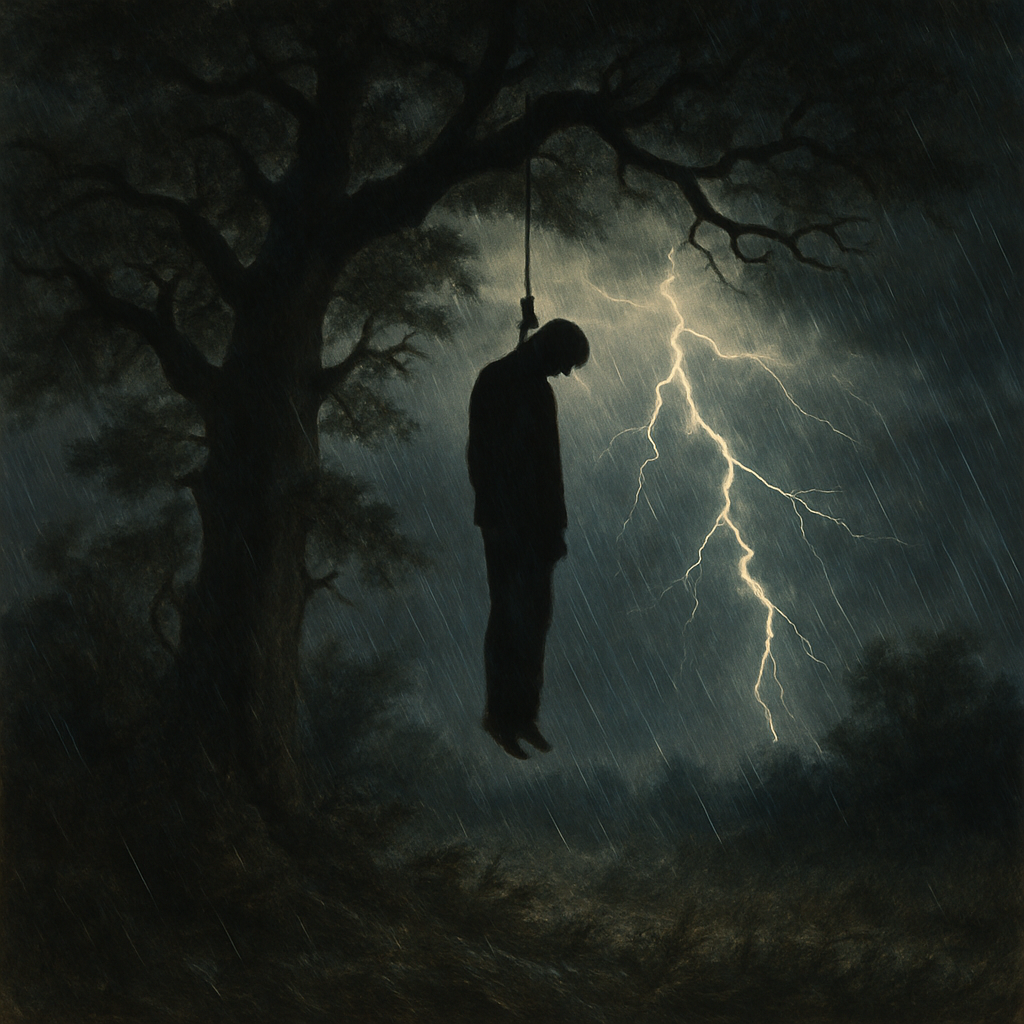
The courts, in theory, abide by the principle of “Innocent until proven guilty.” Accused criminals are brought before a Judge, where evidence, witness accounts, and the word of the Guard determine their fate. The trials are simple, efficient, a criminal who cannot talk their way free will soon find their body at the mercy of Everwealth’s unique sense of criminal deterrence. Prisons are not the preferred means of punishment. The kingdom does not have the resources to house filth indefinitely. Instead, it deals with criminals as swiftly as it does brutally. For the minor offender, there are crippling fines, levies that demand months or years of labor’s worth in gold. A pickpocket may be left with no hands to steal with, one who runs from the law may see their legs too broken to ever run again. For the more grievous criminal, Everwealth ensures that justice is remembered. A murderer, particularly one who preys on the innocent, may find themselves sentenced to The Barrel, a punishment both agonizing and poetic in its cruelty. The condemned is sealed within a great ale cask, filled with milk and honey, and cast adrift in the bogs. The milk curdles, the honey clings, and before long, the prisoner is forced to stew in their own filth. The scent draws flies, maggots, and worse, their flesh becoming a feast long before death finally grants them mercy. And this is merely one of the many lessons carved into Everwealth’s criminals. The Crown believes in public deterrence, punishments as much a spectacle as a warning, ensuring that all who see them will think twice before crossing the law. Everwealth is a kingdom of many freedoms, but lawbreaking is not among them. It does not ask much, only that its people abide, pay, and respect the order of things. And yet, the gallows remain busy, the stocks never empty, and the Guards never idle. Perhaps it is the nature of the age, that no rule, no decree, no punishment will ever quell the hunger for crime entirely. But Everwealth is patient. Its justice does not tire. And those who test its limits will, sooner or later, find themselves hanging from a rope, drowning in a barrel, or breaking beneath the wheel.
Interesting Facts
- The Barrel - Though infamous, the punishment known as The Barrel began as a fisherman’s revenge. In the bog towns of the western marshes, poachers were sealed in empty wine casks and set adrift. The Monarchy adopted the practice, added honey for symbolism, and called it “justice made sweet.”
- Executioners’ Guild - Headsmen, lashers, and torturers belong to a registered guild under the Ministry of Labor. Members keep ledgers noting every death they deliver, signed in both ink and blood. Guild dues include a mandatory donation of one finger bone per year, “for recordkeeping.”
- The Price of Rope - In Opulence, hemp for hangings is auctioned publicly. The rope that kills a noble sells for a fortune; one used on a beggar is practically worthless. Wealthy collectors display them like relics. It’s said that every gallows creaks with envy for its richer cousin.
- False Justice - Judges often pay the Crown for their seats, turning verdicts into business transactions. When famine strikes, sentences grow harsher, the gallows feed fear better than the granaries feed grain. The people say, “In thin years, mercy costs extra.”
- The Grave Watch - In Bordersword, executed criminals are tied upright to the walls for one night as “sentinels of repentance.” If a corpse falls before dawn, its ghost is said to walk free. Few guards volunteer for that shift, and fewer last the full night awake.
- Brands of the Law - Criminals are marked with magickal brands. The sigils glow under moonlight and whisper the bearer’s crime when rain falls. Entire taverns have gone silent watching a man’s arm confess his sins during a storm.
- The Jurors - Seven justiciers have vanished in the last century while traveling their circuits. The Crown blames bandits. Locals whisper of a secret brotherhood of wrongfully condemned souls who try the judges instead. Their verdict, always the same: “Retrial.”
- Public Justice - Punishment days are civic festivals. Vendors sell sugared nuts, minstrels play, and children are invited to throw the first stones during stonings for a copper. In some towns, couples wed on gallows stages for luck, believing that where life and death meet, vows hold firmer.

Comments