

Hellissandur
Hellissandur is a small nation located in and encompassing the Iron Lands of the Tteokseo-Akmyeon. It is a relatively young nation, having unified only a couple centuries ago. Before then, the Iron Lands were made up of warring clans of Skäkti and small fishing towns.
Now, while Hellissandur is still very isolationist, the nation has begun to look outwards, as their plentiful raw minerals and newly discovered oil has brought a massive influx of capital into the young nation. While the Last War left significant lasting damage to the nation, they have sustained far less harm than many of their allies, and the boost to their economy has brought Hellissandur into an economic boom. Their new All-Hel, Björn Fiskandl, has been a major advocate for reform and change. In 1349, he encouraged and sponsored the writing of a new constitution that created the Lörgsver, a new parliamentary body, and shifted executive power from the All-Hel to a new prime ministerial position.
Government
From its unification in 1201 until 1349, Hellissandur was an absolute monarchy under the rule of an All-Hel, passed hereditarily through the Fiskandl family of the Yaekong clan. In the 1300s, calls for political democratization and modernization began to spread, particularly among the new urban working class. When Björn Fiskandl came to power in 1348, he started the process of creating a new constitution to re-envision the future of Hellissandu, calling an assembly of representatives from the political and social institutions of Hellissandur. The structure that emerged took clear inspiration from Brevia and the first Tehanti Republic.Constitutional Framework
The new constitution established a parliamentary system, with the Lörgsver as a unicameral body of 219 representatives, elected under universal sufferage. The Lörgsver also appoints a prime minister to serve as head of government. The clans retain a significant degree of autonomy, with their own judicial systems and ability to self-govern, a necessary inclusion to keep the mountain clans on-board. Most of the All-Hel's authority has been shifted to the prime minister, though they still retain a veto over legislation from the Lörgsver and serve as an arbitrator and ultimate authority within the clan structure. The new constitution, influenced by the powerful mining and oil unions, enshrines significant worker protections and a social liberal corporatist and state welfare system, similar to Brevia's.Culture
Demographic and Cultural Divide
Despite its location in Tteokseo-Akmyeon, Hellissandur is culturally and demographically Fjodthi . Since even before the common era, the Iron Lands have been a stopover for traders going to Umbrak or Teshoya from Jideran or Vieluesse. In the first century CE, the first large wave of Skäkti settlers from the Fjodthi Subcontinent landed in the Iron Lands. More settlers continued to arrive from Fjodthi, fleeing the rule of the Derrstymsver. Over time, the demographics of the Iron Lands shifted, through cultural and genetic intermingling as well as sporadic conflict and violence. The majority Tvöngärd are descendants of the Skäkti and the Nakeunok of southwestern Tteokseo-Akmyeon. The culture of the Tvöngärd is split between the lowlands of Hellissandur and the mountain clans. The mountain clans, who have remained far more isolated, have remained closer to their Fjodthi roots and are often more traditional and conservative in outlook. The lowlands have assimilated further into the culture of Tteokseo-Akmyeon and are generally more progressive. With only a little more than a hundred years since Hellissandur unified, there is significant conflict between the lowlands and mountain clans. Hellissandur is politically dominated by the lowland clans and has begun to modernize, much to the outrage of many in the mountains. In some ways, the Last War helped smooth over these differences, as the appearance of a common cause brought the clans together. It will take time to completely bridge the divide, but the process is beginning. Not everyone in Hellissandur is a part of the Tvöngärd clan structures, either. There is still a significant Nakeunok population in the Iron Lands, as well as a growing industrial working class in the western cities. Until recently, both of these groups had essentially no voice in the political system of Hellissandur, but the new constitution has shifted political governance from the clan structure to a parliamentarian system, including political suffrage for citizens outside of the Tvöngärd clans.Spiritual Beliefs
The culture of the Iron Lands is deeply superstitious, and spiritual matters are folded closely into everyday life. Most clans have their own mythologies and folklore, though they share commonalities across the region. In particular, iron and metalworking are seen as almost universally sacred. A blacksmith is representative of a creator-figure in most clan mythology, and iron trinkets and symbols are used for good fortune and protection across the region. The Endless Sky is worshipped by most of the clans, particularly in the mountains, alongside a host of other, more localized folk gods and spirits.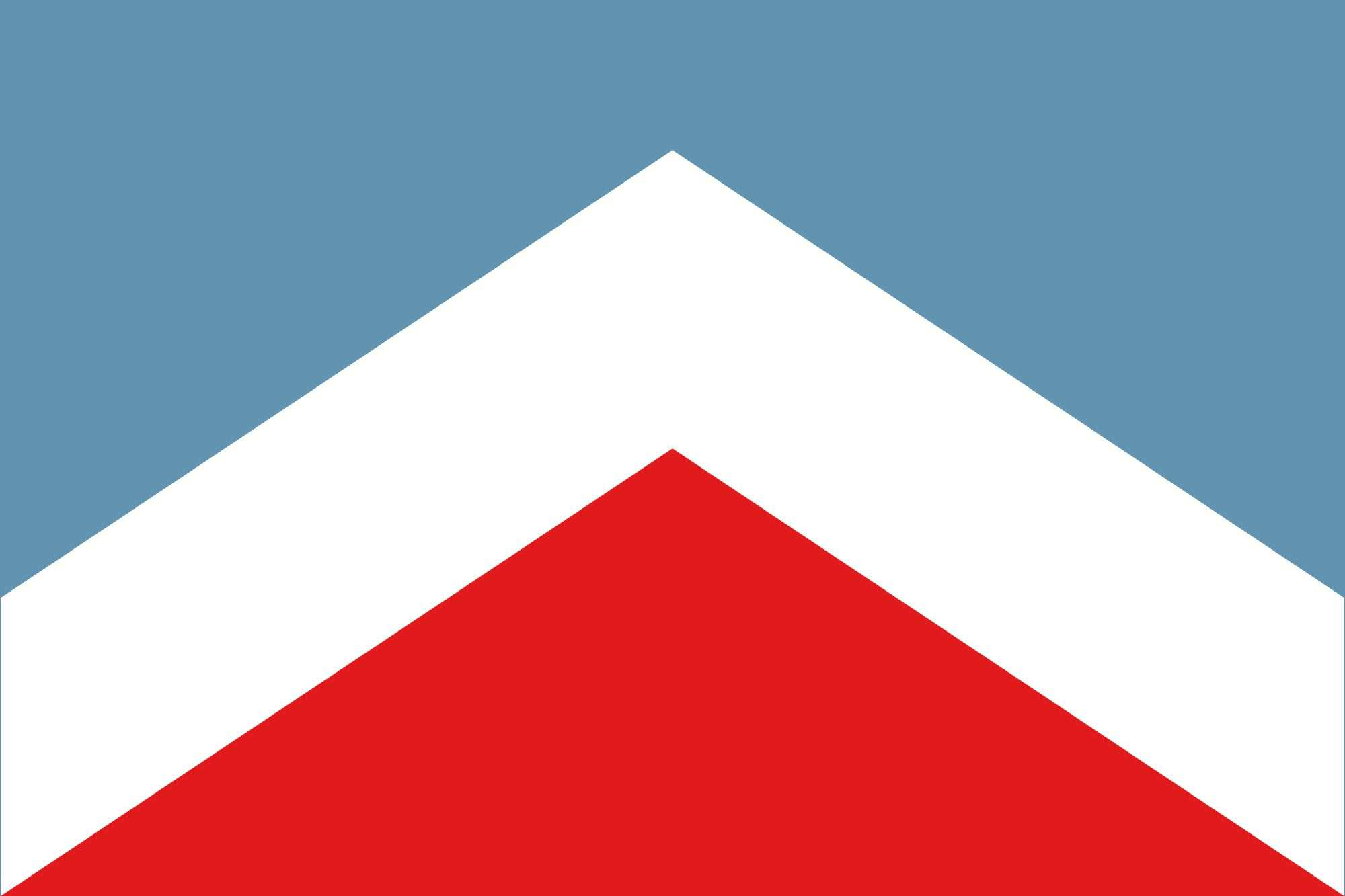
Blood and Iron
Capital
Alternative Names
The Iron Lands
Head of State
Head of Government
Location
Related Ranks & Titles
Notable Members
Related Myths
Remove these ads. Join the Worldbuilders Guild




Comments