
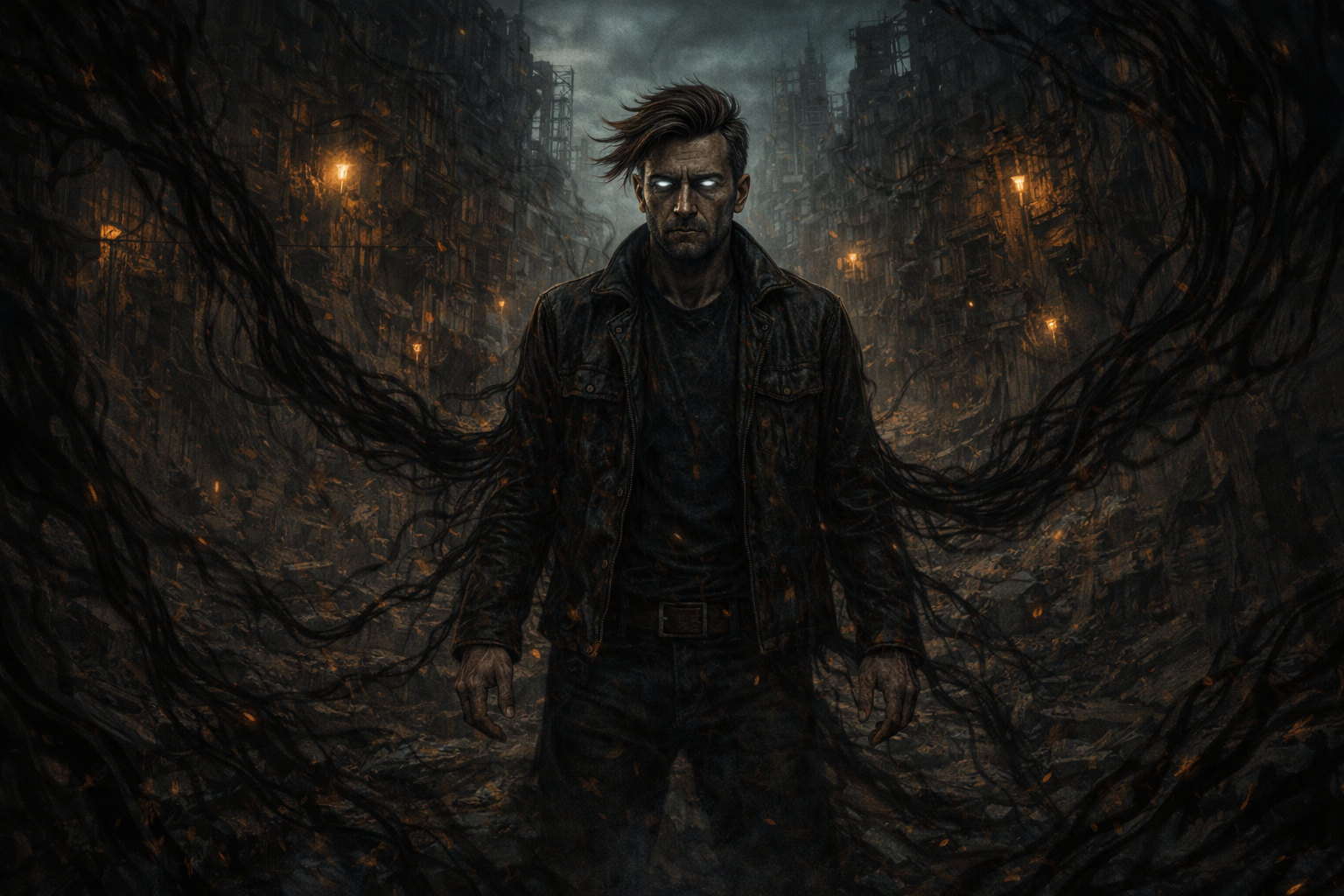
Tuner
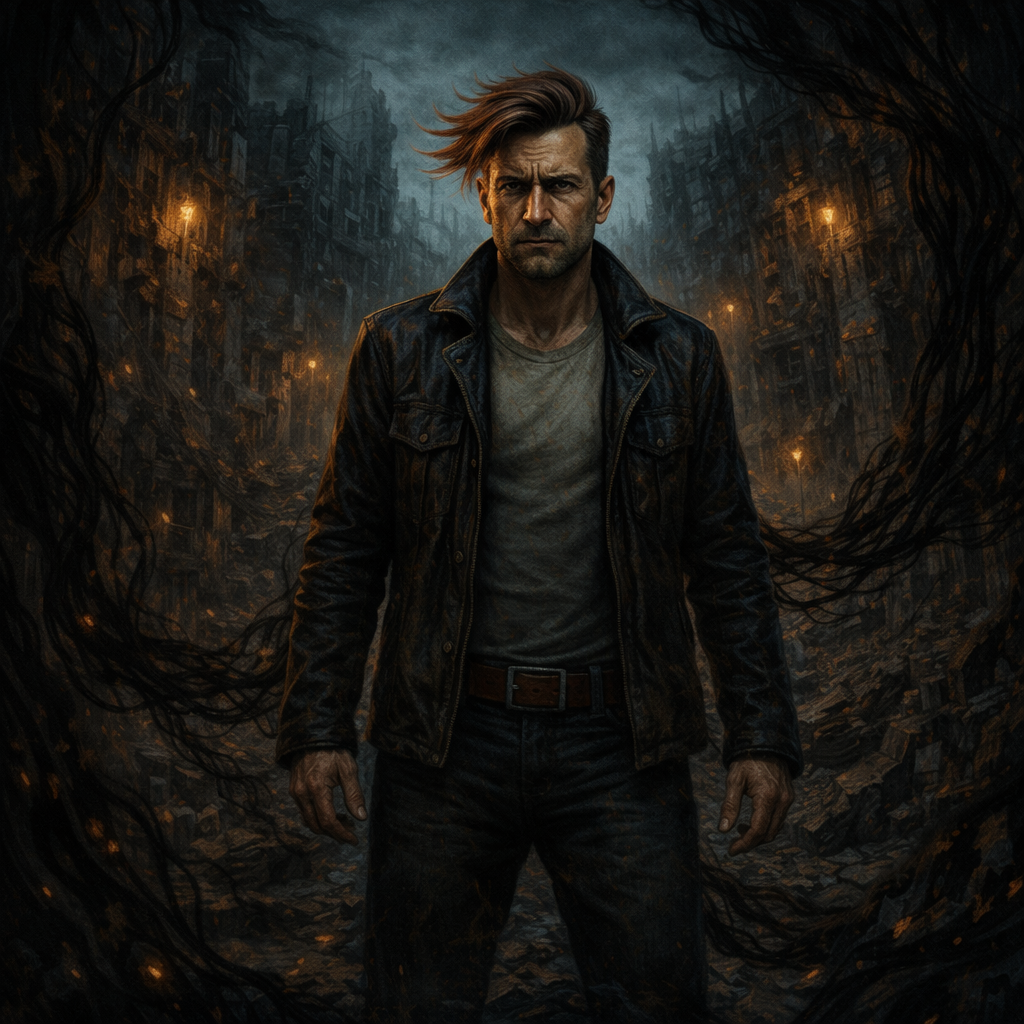
Tuners are individuals who become attuned through direct and sustained exposure to the Dark itself, rather than through inheritance, ritual practice, or deliberate invocation. Their transformation commences when prolonged contact with Dark-saturated environments, often intensified by trauma, isolation, and moments of acute recognition, compels the mind to adapt for survival. This adaptation is involuntary; perception shifts initially, followed by cognition, until the individual aligns with the underlying logic of the Dark. A Tuner does not manipulate the Dark as an external force. Instead, the Dark becomes a context within which they operate, a condition of reality they have learned, often at significant personal cost, to endure and navigate.
Species
Homo sapiens sapiensPhenotypic Condition
Dark-Attuned VariantCommon Academic Term
Dark-Tuned HumanColloquial Term
Tuner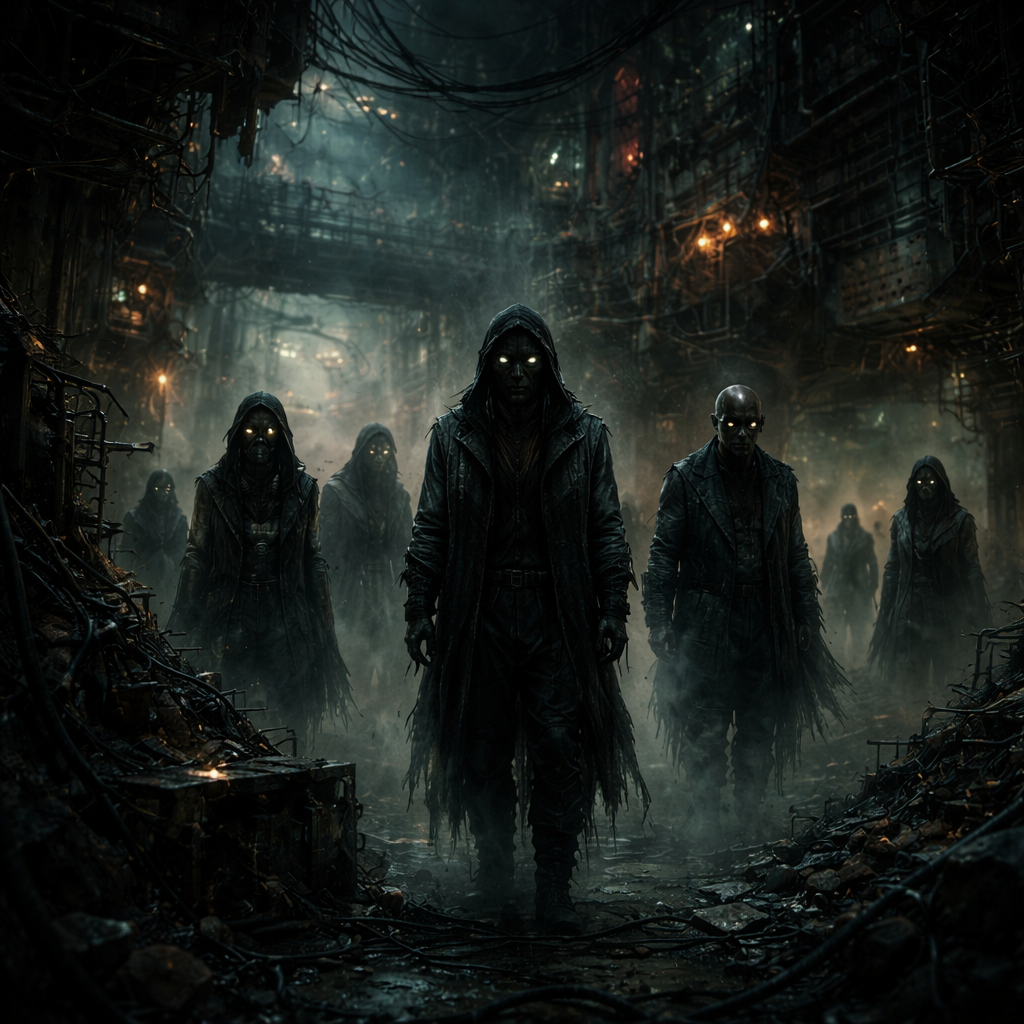
Origin
The emergence of Tuners is closely linked to the development of densely populated human settlements and the accumulation of unresolved trauma within these environments. As cities expanded both downward and upward, layering transit systems, abandoned infrastructure, and forgotten spaces, the Dark found stable environments in which to persist. Individuals who lived, worked, or sought refuge in these Dark-saturated zones were not transformed simultaneously; rather, a select few adapted. Tuners initially appeared not as a distinct group, but as survivors of collapses, massacres, transit disasters, and prolonged urban decay who endured exposure long enough for their perception to shift. Over time, these individuals were mislabeled as cursed, mad, or unnatural. In reality, they represent a recurring human response to the Dark: those who did not break, did not flee, and did not invoke, but instead endured, recognized, and aligned.
Geographic Distribution
Tuners are most frequently located in regions where the Dark has accumulated as a result of neglect, repetition, and unresolved harm. Their distribution closely parallels abandoned or deteriorating urban infrastructure, such as subway systems, derelict transit corridors, condemned housing, and collapsed civic spaces, particularly within major metropolitan centers. Areas characterized by repeated mass trauma, displacement, or metaphysical instability serve as reservoirs in which Dark saturation endures long enough for human exposure to become sustained rather than incidental. In these environments, the probability of Dark Tuning increases, not due to intentional congregation by Tuners, but because adaptation is necessary for survival. Consequently, cities with layered ruins and histories of systemic collapse consistently generate more Tuners than rural or well-maintained regions, establishing urban decay as the primary vector for their emergence.
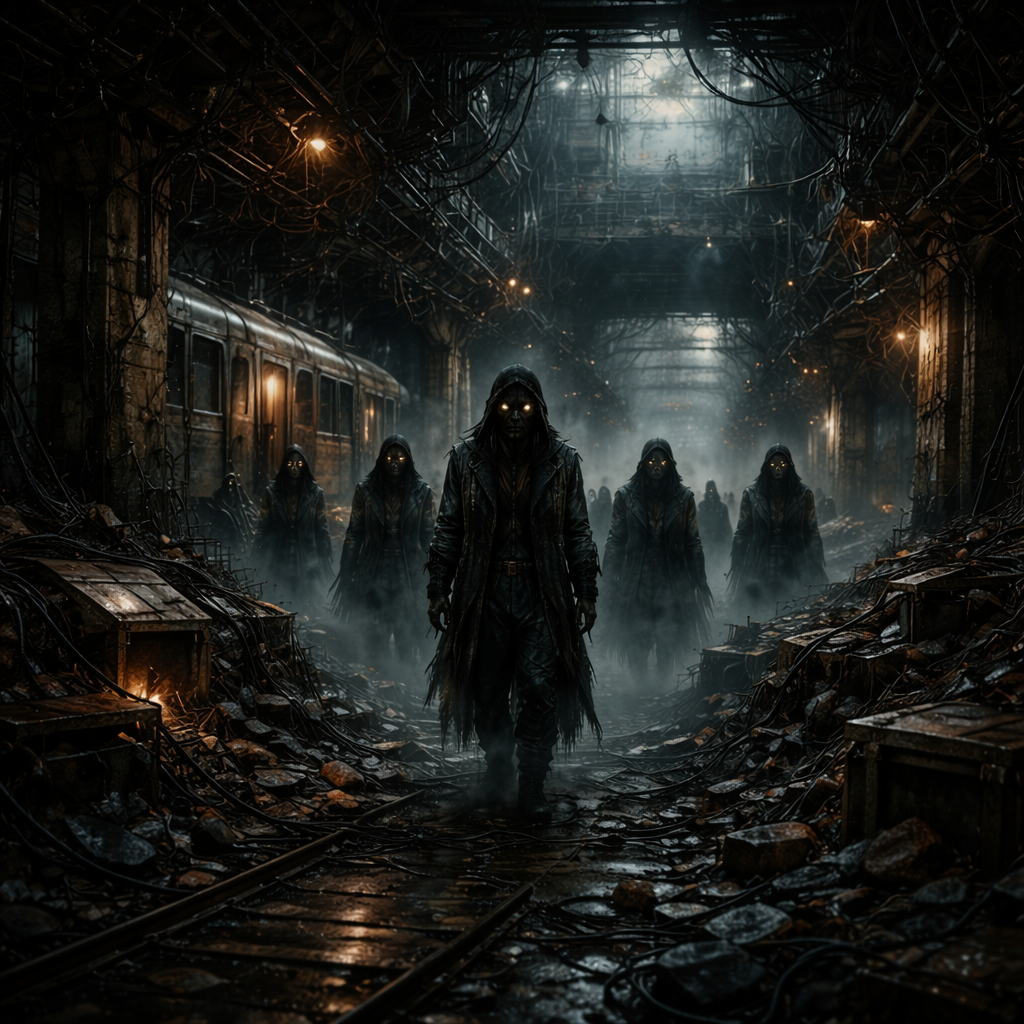
Men who walk out when no one else does
Tuner Status
Within institutions that recognize the Dark, Tuners are typically classified as hazardous anomalies rather than as a population warranting protection. Most Tuners are subjected to observation, restricted movement, or eventual containment, implemented as preventative measures against environmental destabilization and anchor formation. Corporations such as Draco Industries employ Tuners for their specialized abilities, particularly in Dark-saturated zones and collapse sites, while maintaining strict oversight of their stability. When a Tuner’s resonance exceeds acceptable thresholds, employment generally concludes with containment rather than retirement. The general public remains unaware of Tuners, as their activities are concealed behind the Veil. Among those with knowledge of their existence, Tuners are considered too dangerous for casual association. Nevertheless, certain Shadow Kind actively seek out Tuners, valuing their power and adaptability. Some individuals even attempt deliberate exposure to the Dark in hopes of undergoing Tuning themselves, often resulting in catastrophic outcomes.
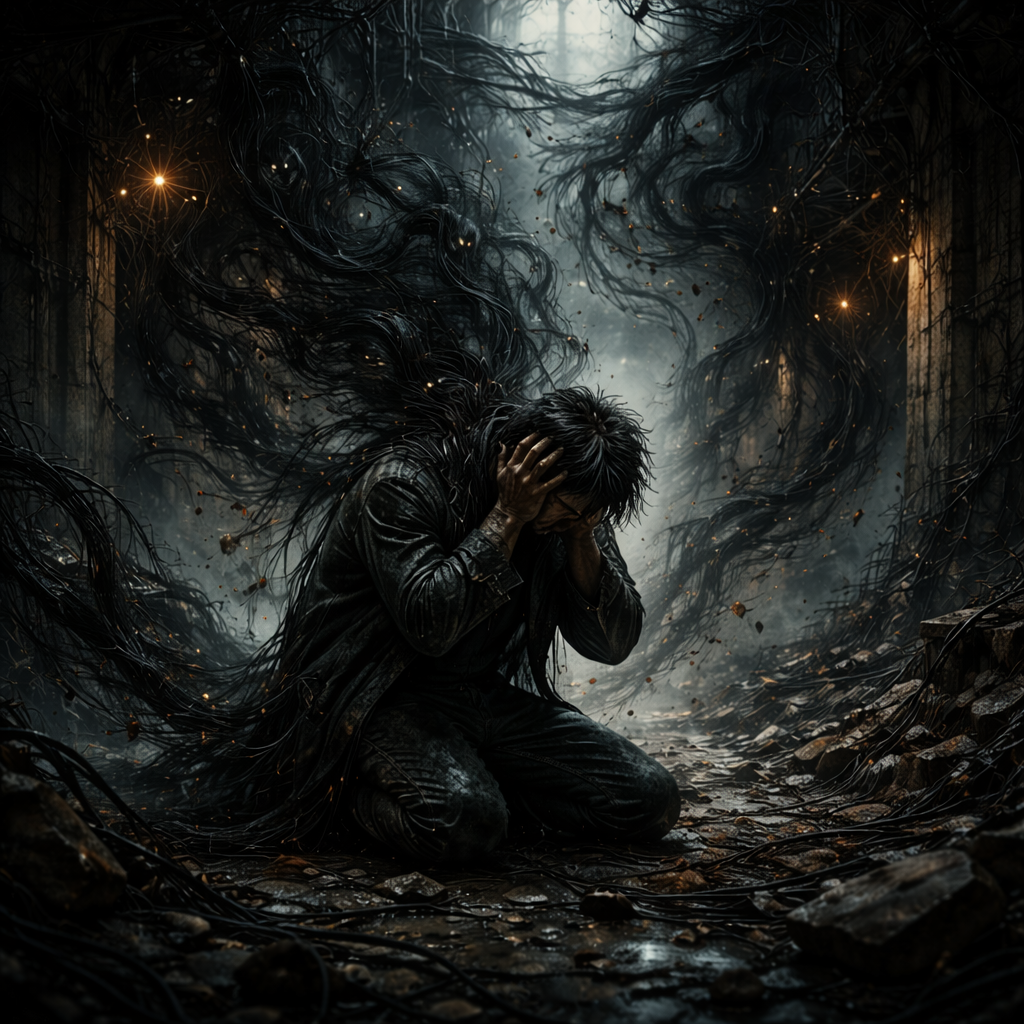
Stage 1: Psychic Alignment
Dark Tuning commences not with corruption, but with recognition. During periods of intense despair, obsession, desperation, or hubris, an individual may undergo psychic alignment with the Dark, particularly in locations where metaphysical boundaries have weakened, such as ruins, disaster sites, abandoned infrastructure, or sites marked by unresolved endings. In these instances, the Dark is not imposed upon the individual; rather, it is perceived. This recognition alters cognitive processes, enabling the mind to serve as an interface for perceiving and eventually expressing the Dark. Following alignment, complete separation becomes increasingly challenging, as the Dark acquires a reference point within the individual's perception.
Stage 2: Tuning Phase
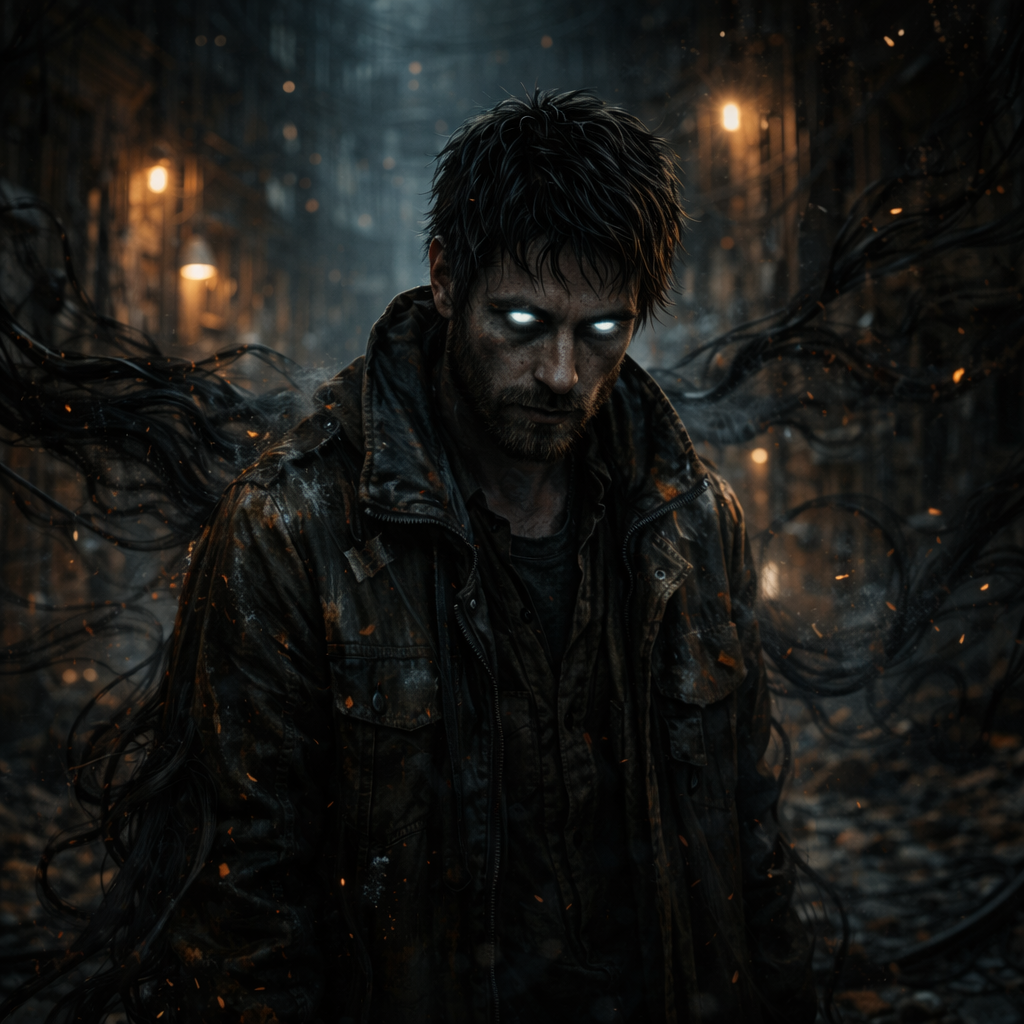
In the early tuning phase, symptoms are subtle and frequently misattributed to stress or trauma. Individuals may exhibit heightened perception in low-light conditions, experience intrusive thoughts characterized as pressure rather than sound, and demonstrate emotional flattening or an unnerving calm in circumstances that would typically elicit fear. Temporal perception may become inconsistent, with time appearing to stretch or compress without discernible cause. At this stage, individuals generally remain functional and outwardly human, unaware that their internal frame of reference has already begun to shift toward the Dark.
Stage 3: Resonance Phase
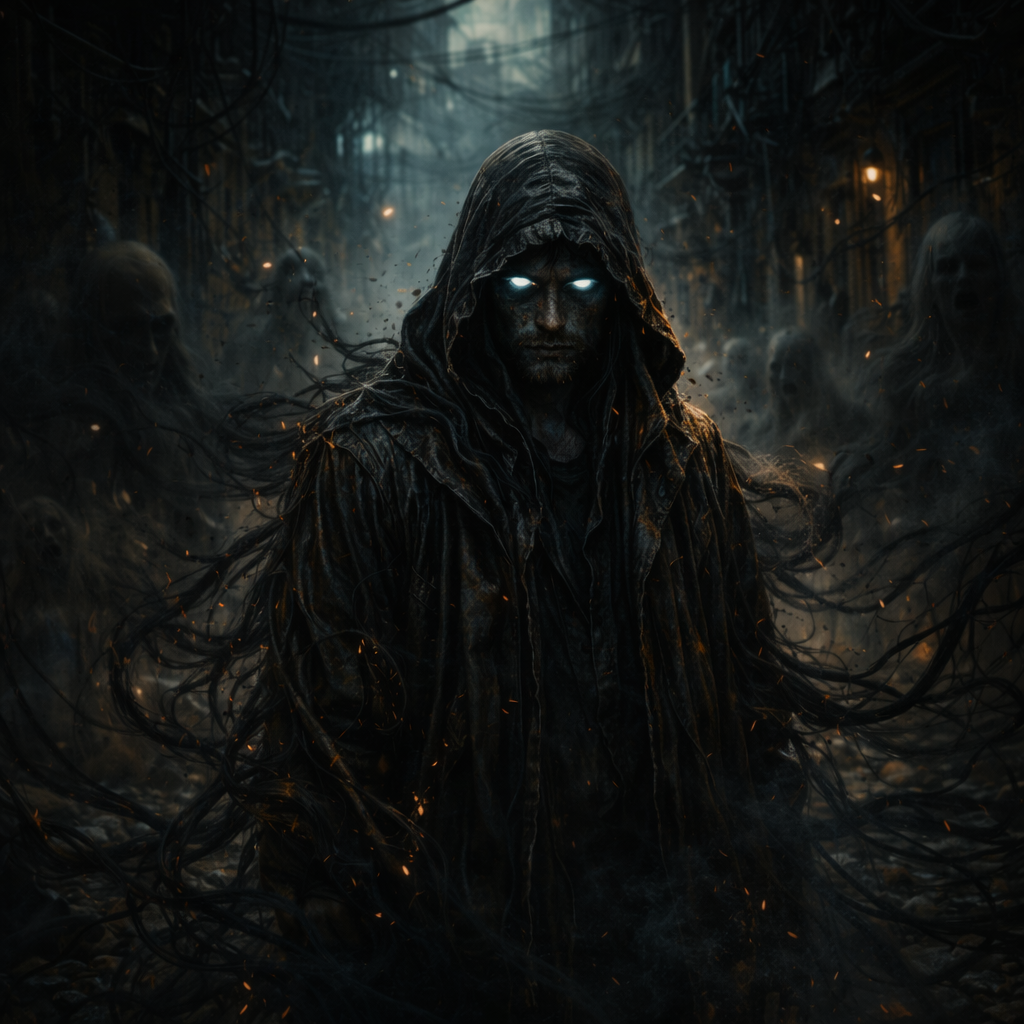
As Dark Tuning advances into the resonance phase, both psychological and environmental effects intensify. Shadows may exhibit unnatural behavior around the individual, skin may feel persistently cold without external cause, and nonverbal, whisper-like auditory phenomena become frequent. The individual increasingly withdraws from social interaction, driven by compulsion rather than conscious intent, and secrecy becomes habitual. Simultaneously, proficiency in Dark-adjacent phenomena increases: movement through saturated spaces becomes more efficient, survival odds improve, and the individual appears unnervingly adapted to environments that are detrimental to others.
Stage 4: Manifestation Phase
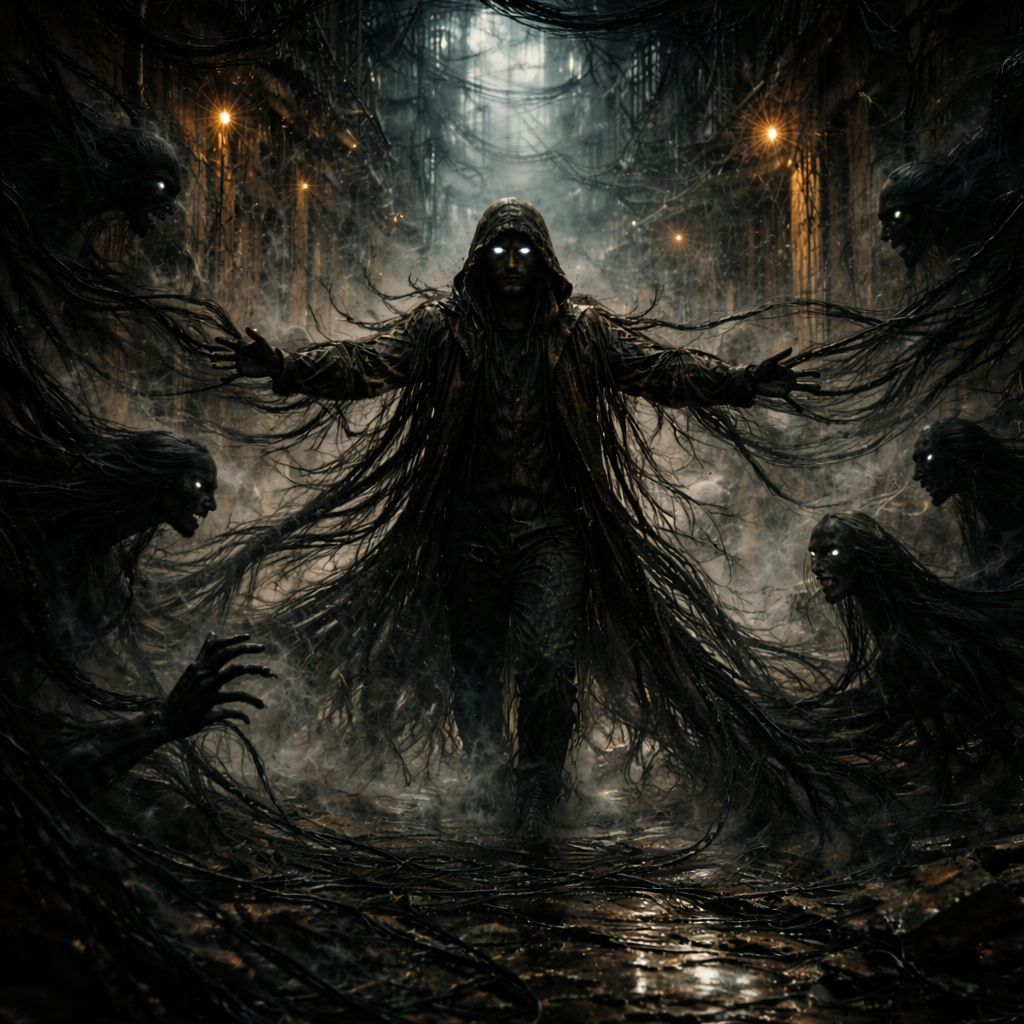
During the manifestation phase, the Dark expresses itself through both the body and the immediate environment. Physical anomalies, including elongated or autonomous shadows, aversion to bright light, and localized spatial distortions, are frequently observed. Psychologically, the erosion of identity accelerates, accompanied by fixation on thresholds, exits, endings, and transitional points. Reality in proximity to the individual becomes unstable during periods of stress, and observers often report perceptual distortions that cannot be explained by conventional means.
Stage 5: Dark Anchoring
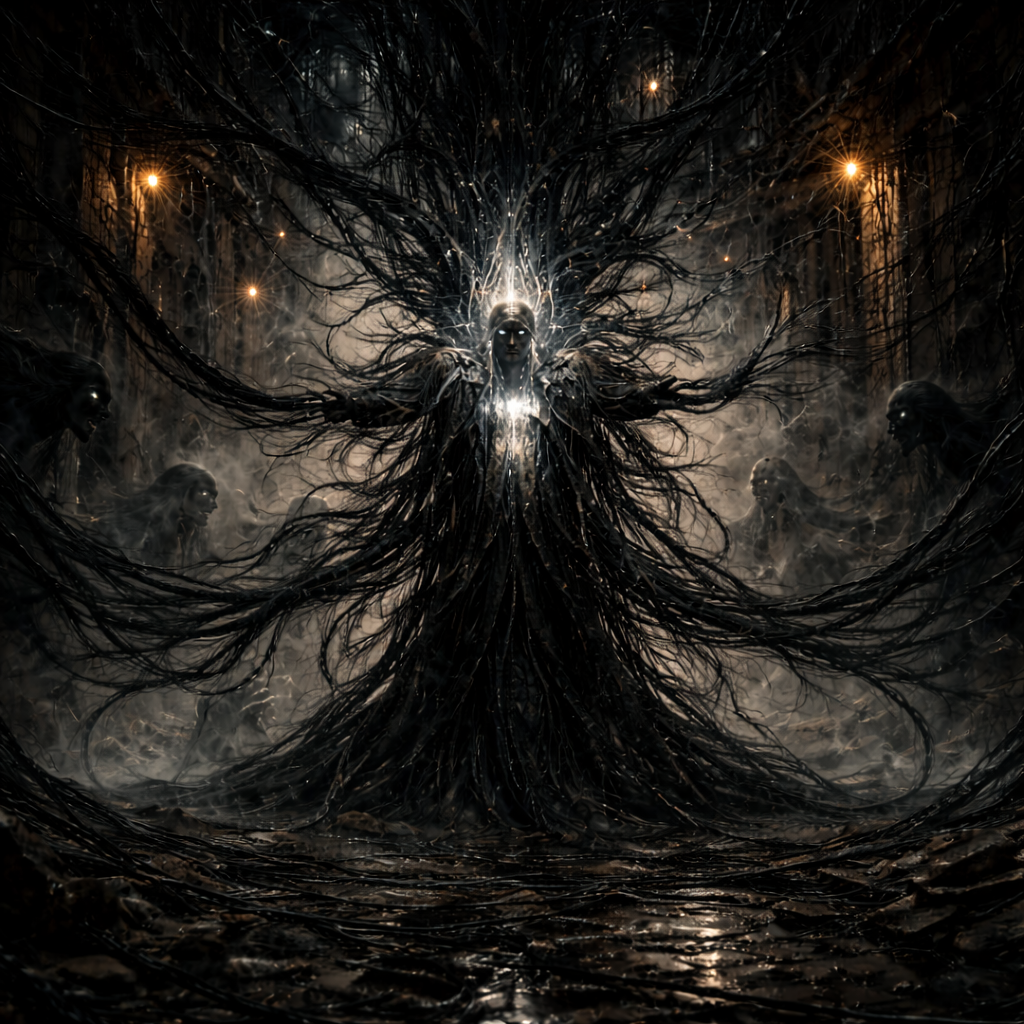
The final stage of Dark Tuning is Dark Anchoring, wherein the Tuner dissolves entirely into the Dark. At this stage, the individual ceases to exist as a discrete entity and instead becomes a stable anchor, serving as a physical manifestation through which the Dark can enter and persist within the Mundane world. These anchors act as gateways, enabling the propagation of Dark phenomena. There is no evidence that consciousness or identity survives this transformation; rather, the Tuner is consumed, their existence subsumed so that the Dark may take form.
Those who hear the city breathe
Adaptive Shifts and Behavioral Convergence
As Tuners advance in their attunement, subtle yet pervasive changes manifest in their interaction with the environment. They increasingly prefer enclosed spaces and transitional zones such as platforms, corridors, stairwells, and tunnels; areas characterized by movement and the potential for escape rather than rest or arrival. Environments associated with endings, crossings, or imminent departure are perceived as safer and more coherent than open or static spaces. Although their physical needs remain human, appetite frequently diminishes during periods of heightened resonance; Tuners may neglect to eat entirely while engaged with the Dark, and when they do eat, they select routine, utilitarian meals that emphasize function over pleasure. Psychologically, Tuners demonstrate heightened vigilance and pragmatic, survival-oriented cognition, with emotions tightly regulated or flattened rather than openly expressed. Their thought patterns become increasingly analytical, concentrating on thresholds, routes, contingencies, and outcomes. It remains uncertain whether this cognitive shift is a consequence of the Dark itself or if individuals predisposed to such thinking are more likely to survive and ultimately align with it.
Biology
From a biological perspective, Tuners remain fully human throughout the attunement process. They retain their innate physical characteristics, including typical human variation in height, weight, intelligence, and overall physique. No consistent anatomical markers differentiate Tuners from non-Tuned individuals. Despite this, their lifespan is significantly reduced due to the progression of Dark Tuning. The rate of progression through the stages of attunement varies considerably; some individuals remain in early resonance for years, while others advance rapidly following destabilizing events. Nevertheless, the outcome is uniform. If the process proceeds without intervention, Dark Tuning culminates in Dark Anchoring, an event that results in the complete consumption of the individual. Consequently, Tuners experience premature mortality, not as a result of biological failure, but due to the completion of the attunement process.



Comments