

Tanarian Zodiac
The Tanarian Zodiac is a celestial system rooted in both astronomy and mythology, used across much of the world to mark the passage of time, divine personality traits, and guide 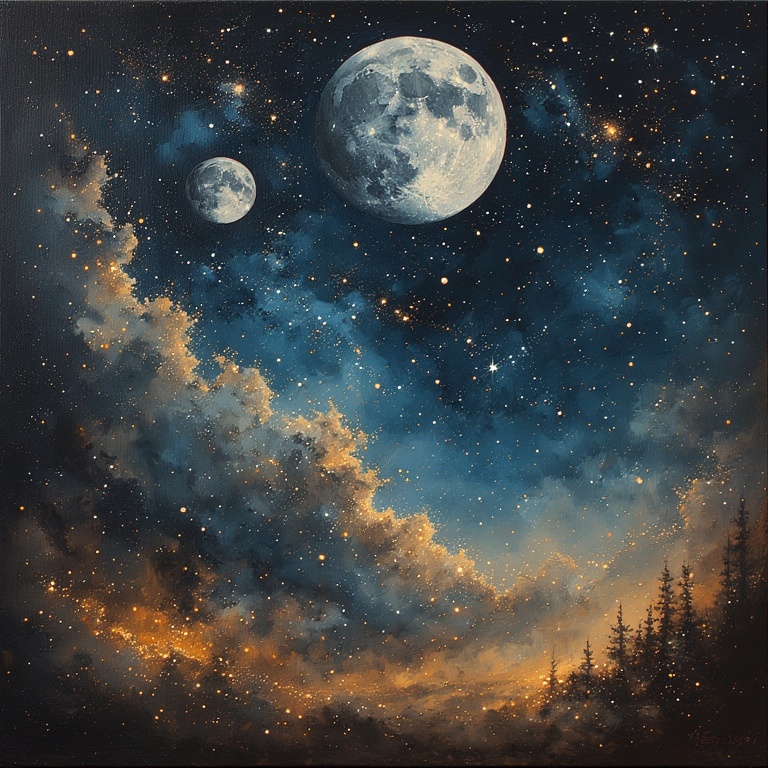 spiritual or arcane practices. Comprised of ten constellations, each associated with a specific time of year and a set of symbolic meanings, the Zodiac is a fixture of Tanarian culture, from rural omens and noble house heraldry to arcane rites and daily horoscopes.
The Tanarian Zodiac is not based on solely on lunar cycles, but instead follows the solar calendar, with each of its ten signs aligned to one of the Tanarian months. These constellations are said to have been carved into the sky by the gods themselves, serving as seasonal markers and divine symbols. Some embody sacred beasts or mythic figures; others are remnants of ancient prophecies, astral sentinels, or manifestations of elemental power.
While the Sun Sign governs identity and will, the positions of the twin moons—Callista and Umbriel—determine a person’s Callistic and Umbric signs, shaping their emotional core and hidden self. This triad forms the foundation of Tanarian astrology, reflecting not just who someone is, but who they are becoming… and what shadows they carry.
While interpretations vary by region, faith, and tradition, the Zodiac remains a unifying thread across cultures, blending divine mystery, cultural symbolism, and cosmic order into a framework that influences birth signs, destinies, omens, and even magical affinity.
The moon sign for Callista changes every 3 days, where Umbriel’s sign changes every 3.5 days. This makes the hour of birth important for calculation, because Umbriel’s sign might be different in the morning than in the evening of the same day.
The sun sign is generally referred to as the main sign. It determines a person’s true identity or main characteristics. The Callistic sign refers to the outward representation or outer self, where the Umbric sign refers to the inner representation or inner self. The meaning of each sign changes for which moon sign it refers.
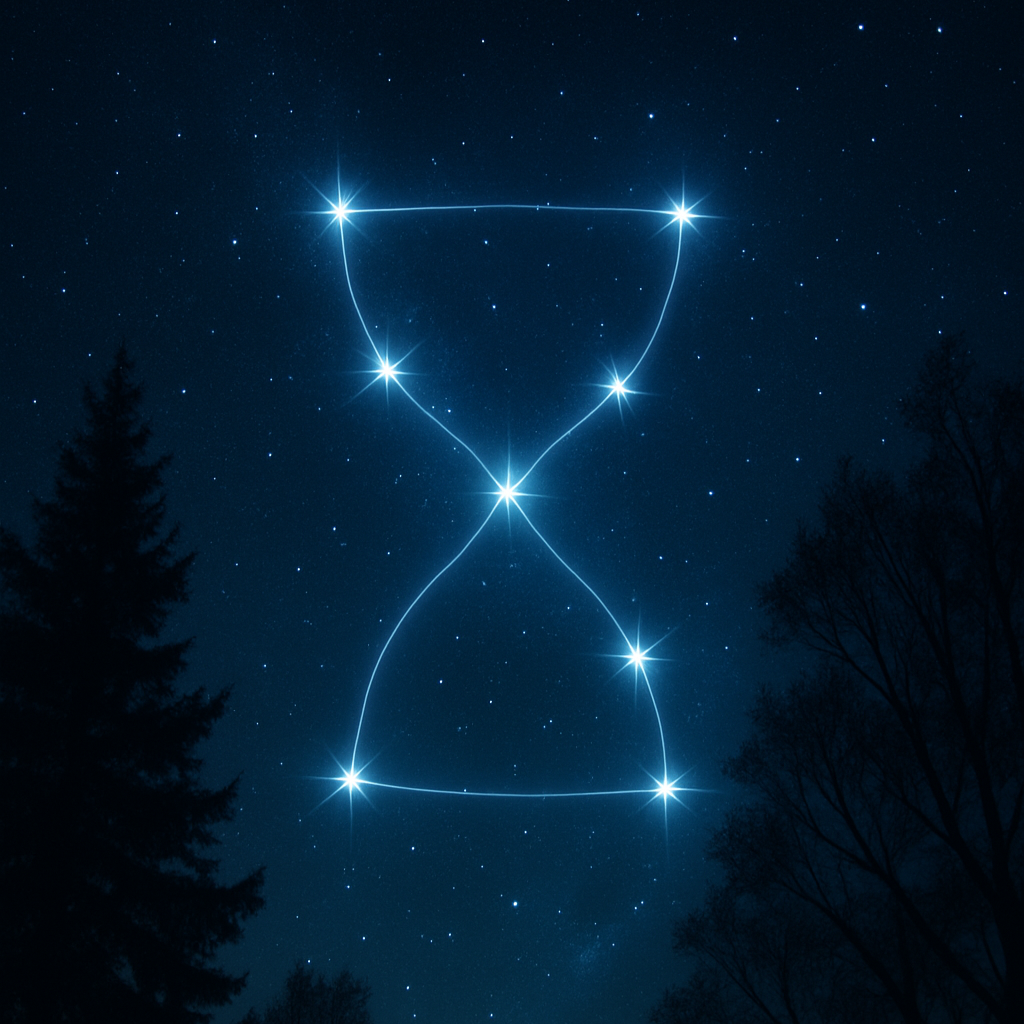 The hourglass constellation represents the Hourglass of Aeternum—Solarius’s divine hourglass filled with golden sand that never depletes.
Positive Traits: Visionary, Outgoing, Principled
Negative Traits: Perfectionistic, Judgmental, Self-Righteous
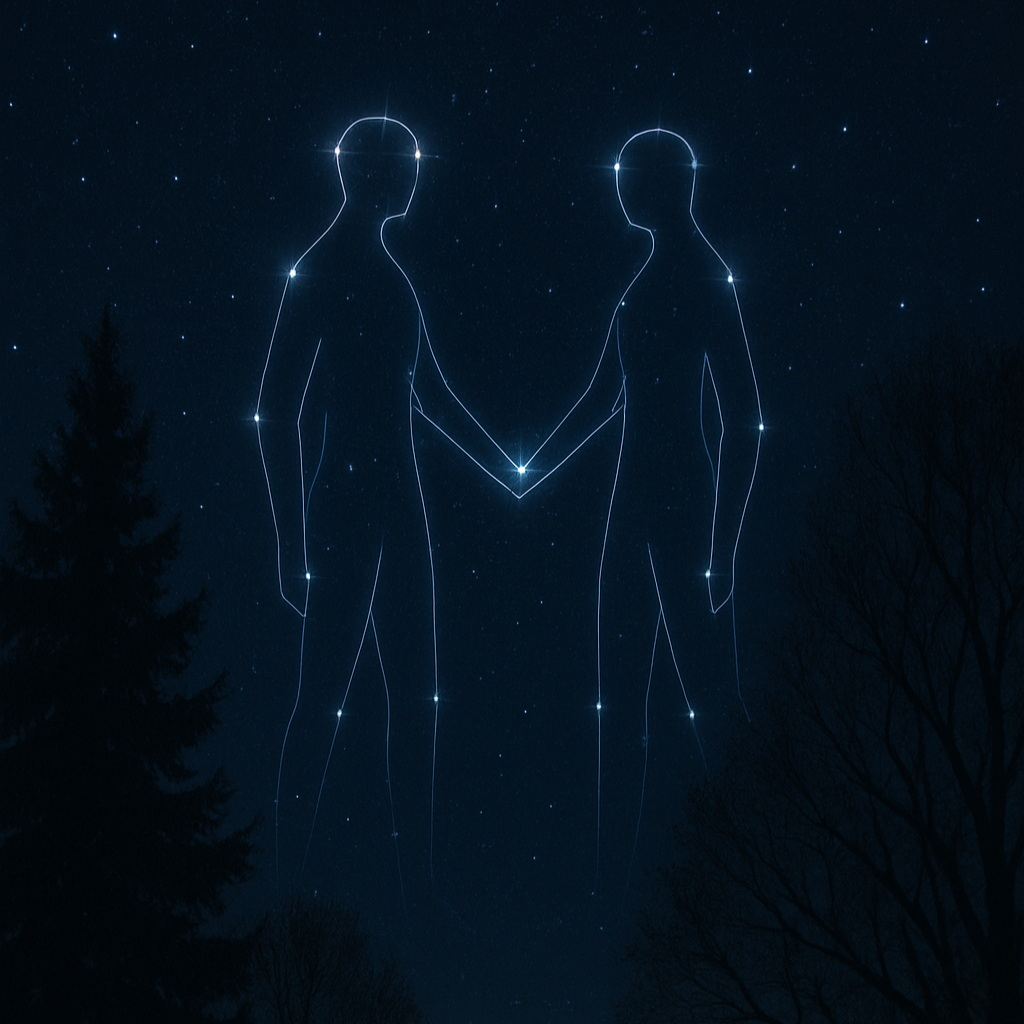 Dyara is the shape of two starcrossed lovers finally united after being torn apart by death and battle. Dyara represents the positive and negatives of relationships.
Positive Traits: Empathetic, Caring, Sentimental
Negative Traits: Possessive, Needy, Mercurial
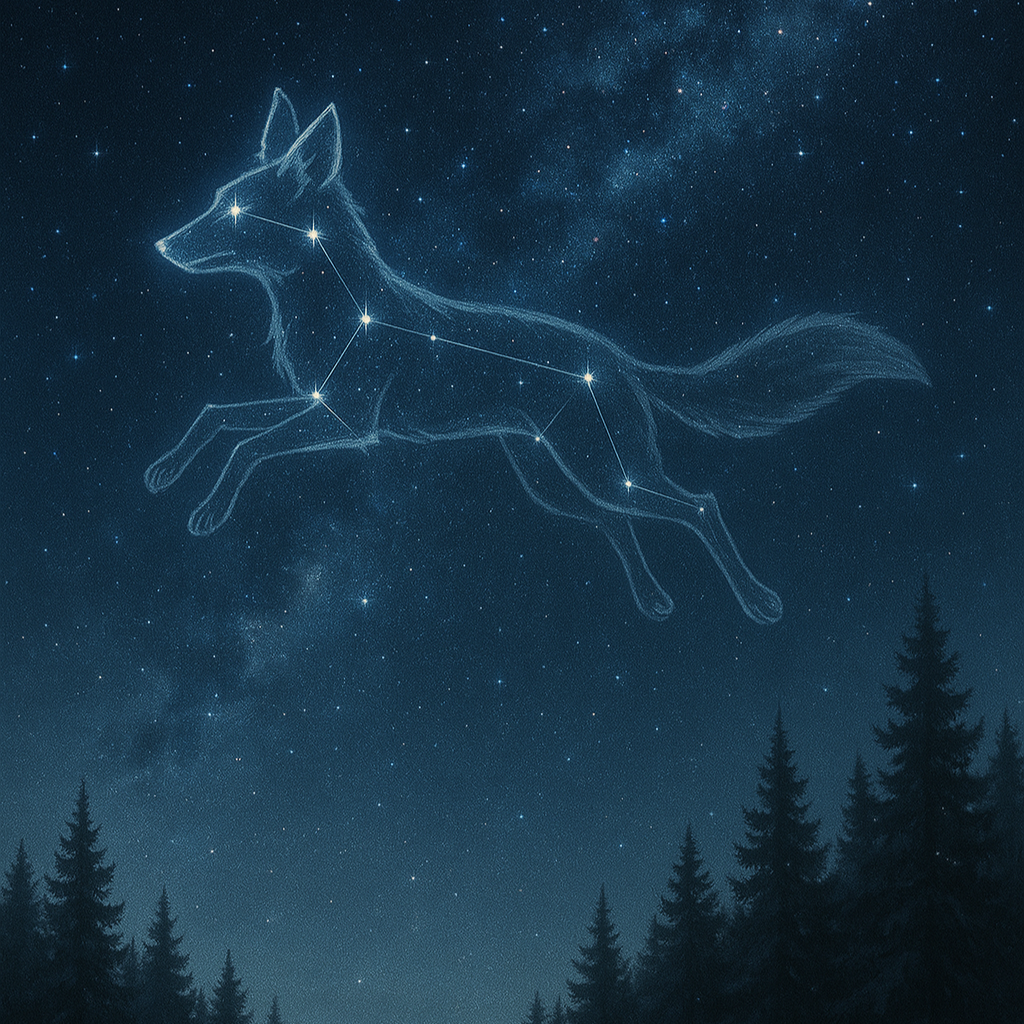 Positive Traits: Adventurous, Expressive, Spontaneous
Negative Traits: Frivolous, Distractible, Fickle
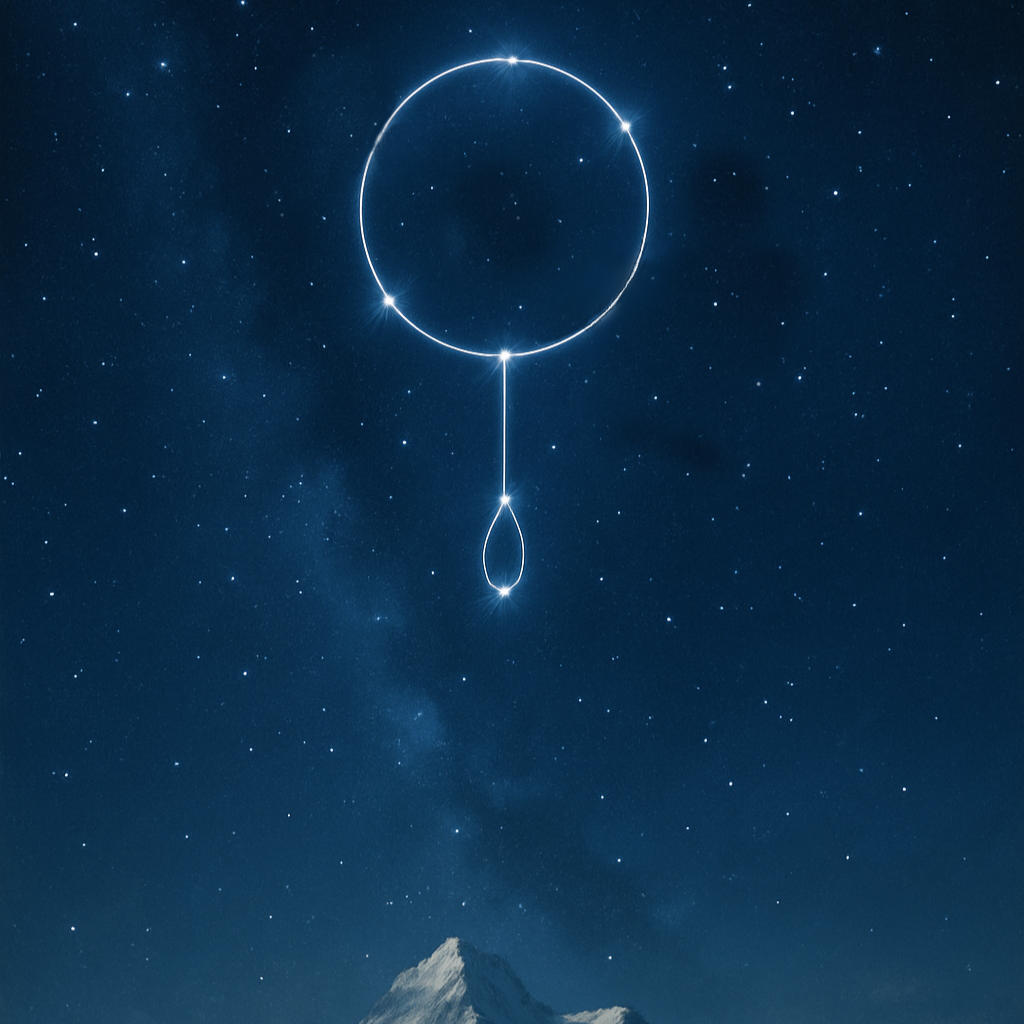 The Mirror constellation represents the Mirror of Callista.
Positive Traits: Idealistic, Gentle, Honest
Negative Traits: Dramatic, Narcissistic, Insecure
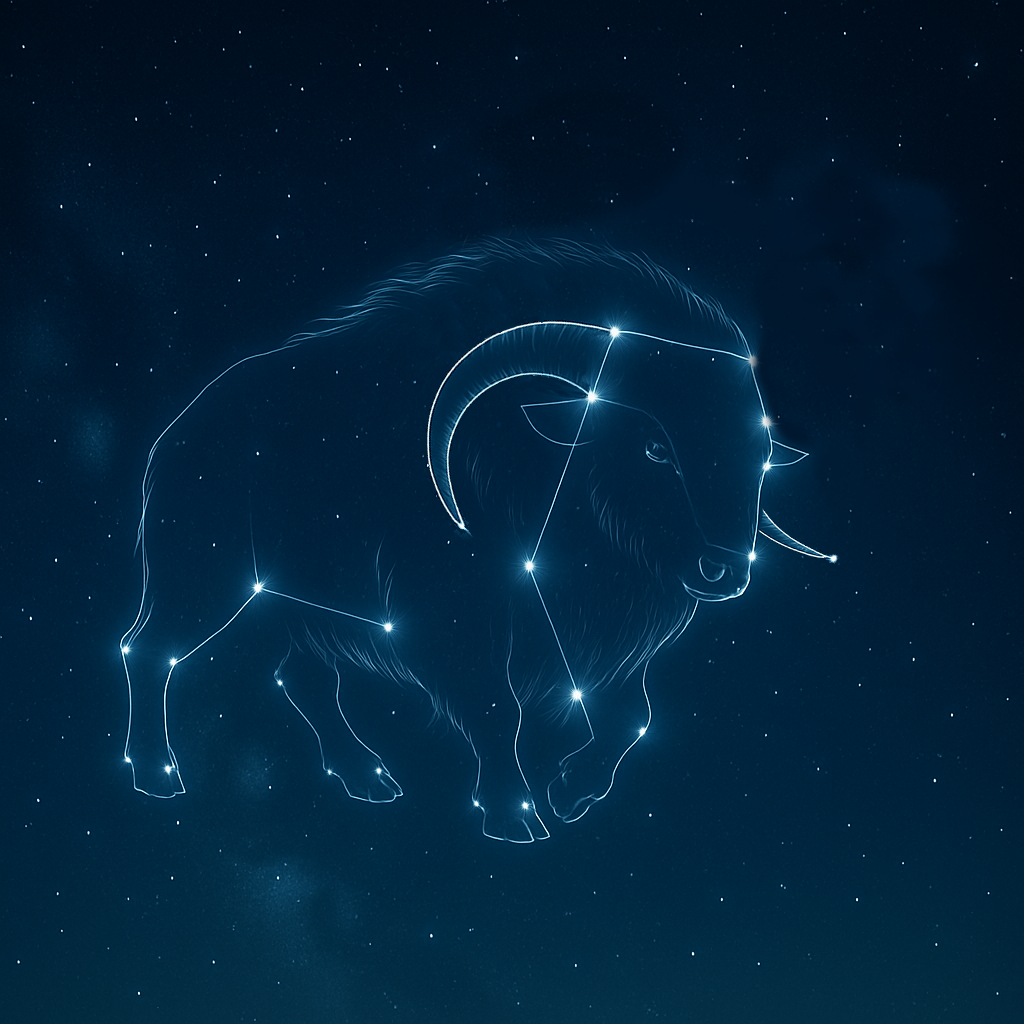 Positive Traits: Serious, Disciplined, Dependable
Negative Traits: Stubborn, Tense, Abrasive
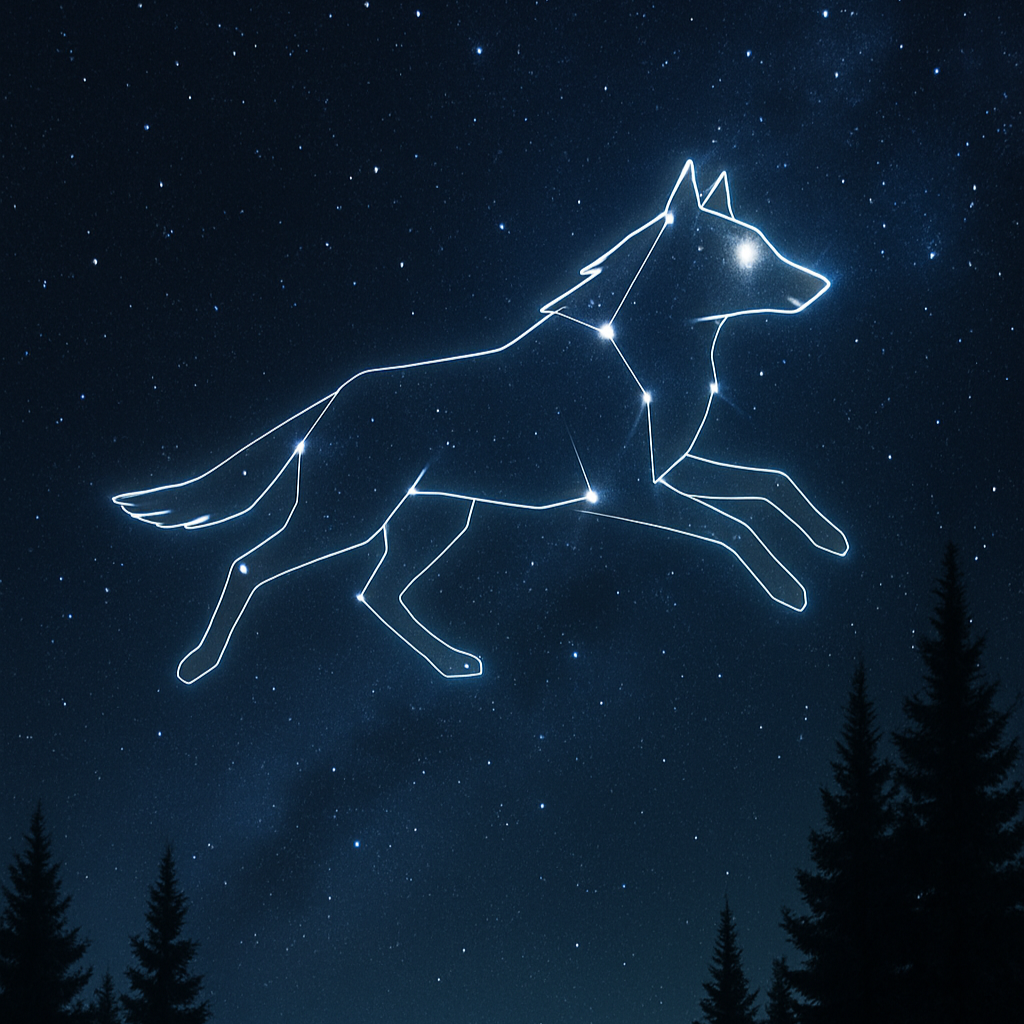 Meaning: “Hunt in Motion.” Etymology: rael (movement, chase) + vyr (predator / fang). Vibe: Energetic and celestial.
Positive Traits: Brave, Confident, Independent
Negative Traits: Suspicious, Reckless, Egotistical
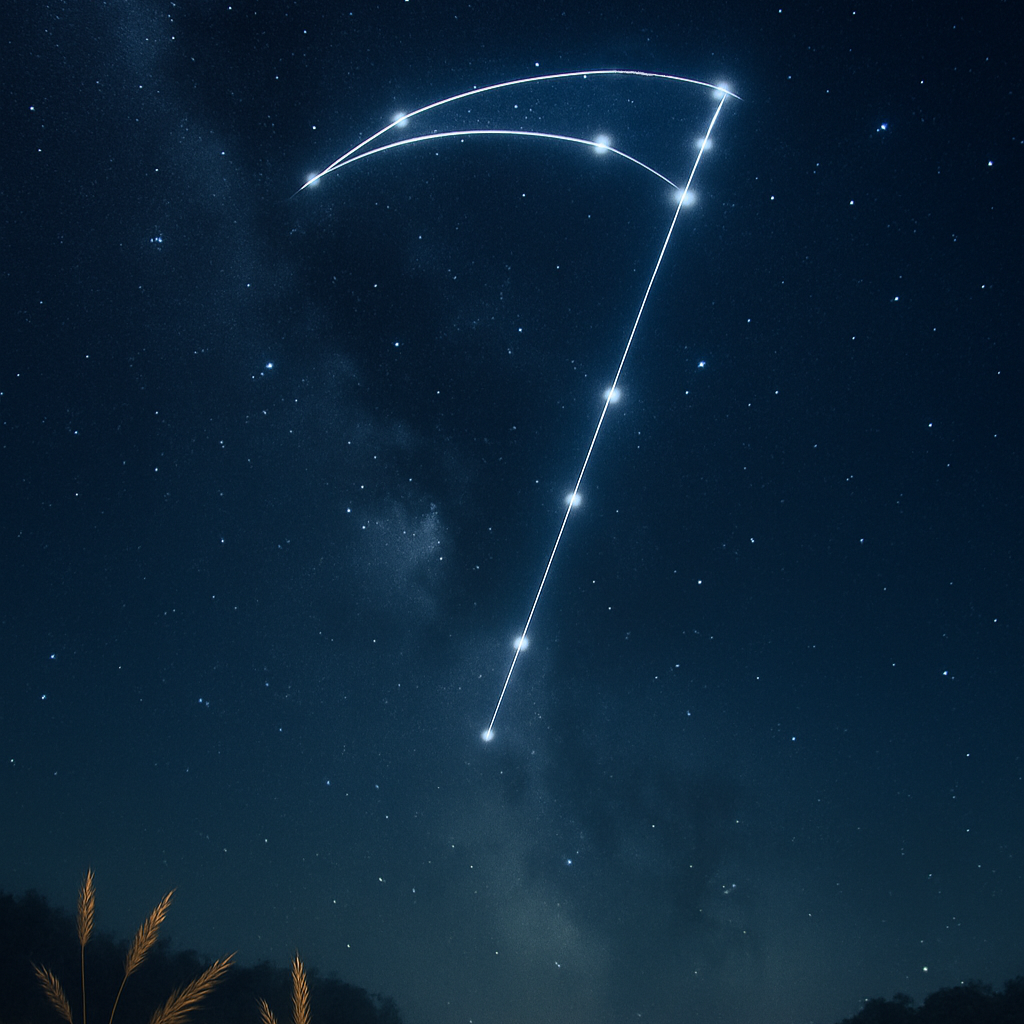 Meaning: “The Thresher.” Etymology: Directly tied to threshing grain; -ane gives it a zodiac sound. Vibe: Earthy and authentic for a farming scythe.
Positive Traits: Pragmatic, Wise, Decisive
Negative Traits: Unyielding, Self-Indulgent, Arrogant
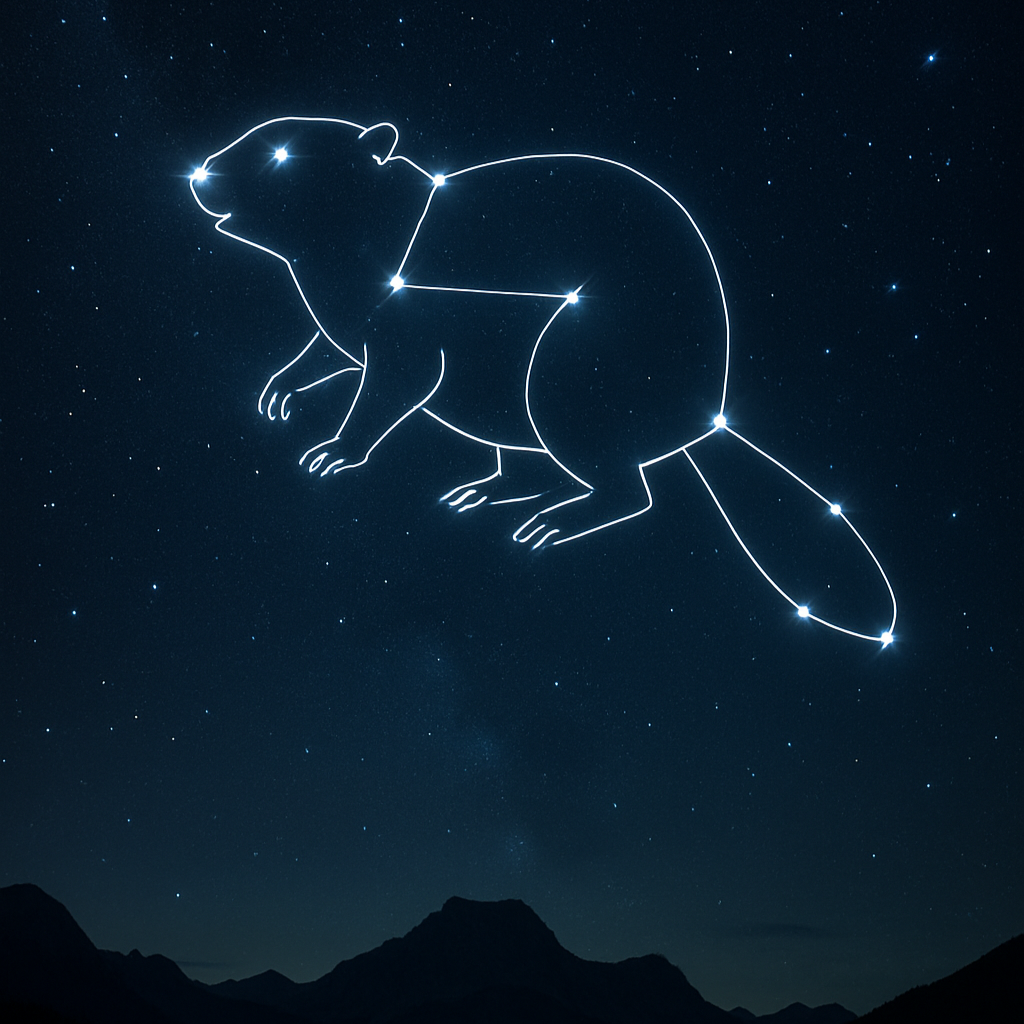 Meaning: “He Who Prepares the Way.” Etymology: Old regional term for trail-breaking and dam-building. Vibe: Practical and ancient.
Positive Traits: Industrious, Loyal, Kind
Negative Traits: Materialistic, Controlling, Territorial
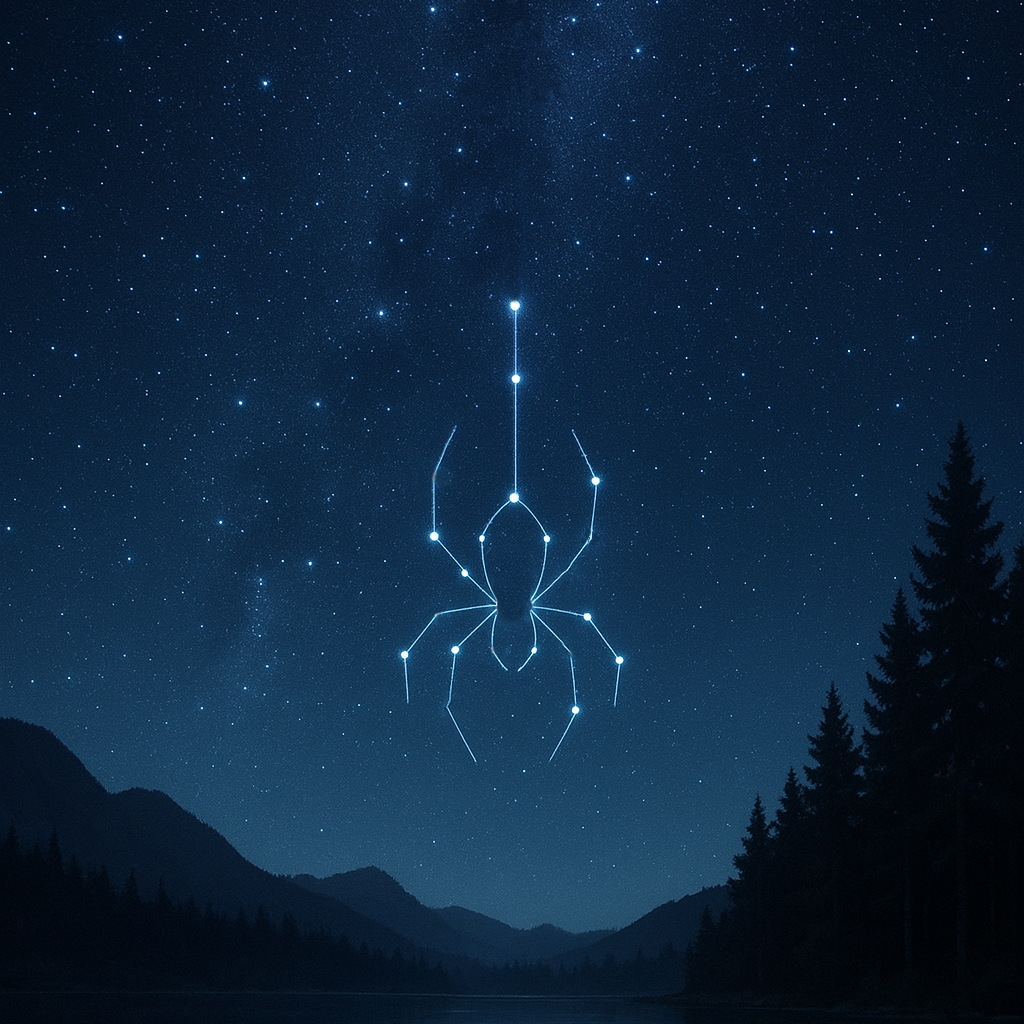 Meaning: “The Hidden Maker.” Etymology: From nyss (secret / unseen) + ara (craft). Vibe: Feminine, mysterious, ideal for subtle magic.
Positive Traits: Imaginative, Creative, Intuitive
Negative Traits: Obsessive, Emotional, Eccentric
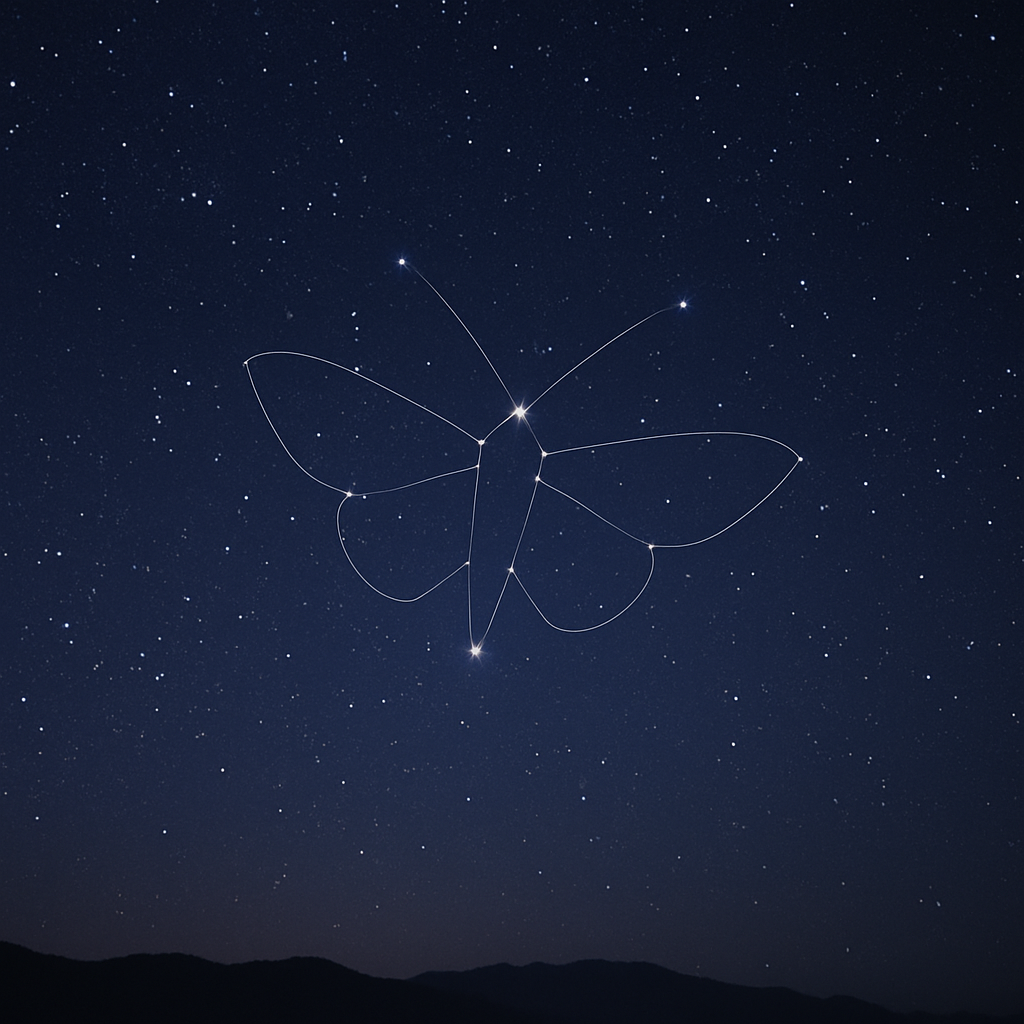 Meaning: “The Final Grain / The Last Moment.” Etymology: Meru (end) + nox (night). Why it fits: Dramatic, works well if the Hourglass has associations with endings, transitions, or death.
Positive Traits: Adaptable, Pragmatic, Analytical
Negative Traits: Detached, Indecisive, Insensitive
The Tanarian Zodiac is not based on solely on lunar cycles, but instead follows the solar calendar, with each of its ten signs aligned to one of the Tanarian months. These constellations are said to have been carved into the sky by the gods themselves, serving as seasonal markers and divine symbols. Some embody sacred beasts or mythic figures; others are remnants of ancient prophecies, astral sentinels, or manifestations of elemental power.
While the Sun Sign governs identity and will, the positions of the twin moons—Callista and Umbriel—determine a person’s Callistic and Umbric signs, shaping their emotional core and hidden self. This triad forms the foundation of Tanarian astrology, reflecting not just who someone is, but who they are becoming… and what shadows they carry.
While interpretations vary by region, faith, and tradition, the Zodiac remains a unifying thread across cultures, blending divine mystery, cultural symbolism, and cosmic order into a framework that influences birth signs, destinies, omens, and even magical affinity.
Basic Meanings
The Tanarian zodiac is divided into 10 equal parts to correspond to the 10 months of the year. Each month has a ruling god or goddess, a theme, a symbol, and an element. The first sign refers to the sun sign, which rules an entire month. The two moon signs are for which sign is in Umbriel and Callista at the time of birth.The moon sign for Callista changes every 3 days, where Umbriel’s sign changes every 3.5 days. This makes the hour of birth important for calculation, because Umbriel’s sign might be different in the morning than in the evening of the same day.
The sun sign is generally referred to as the main sign. It determines a person’s true identity or main characteristics. The Callistic sign refers to the outward representation or outer self, where the Umbric sign refers to the inner representation or inner self. The meaning of each sign changes for which moon sign it refers.
| Month | Constellation | Name | Theme | God/Goddess | Element | Color |
|---|---|---|---|---|---|---|
| Astralon | The Hourglass | Aevyss | Beginnings | Solarius | Life | White |
| Zephyren | The Lovers | Dyara | Love | Erotas | Air | Pink |
| Velnir | The Fox | Faelix | Playfulness | Igmut | Water | Blue |
| Cythrea | The Mirror | Prismael | Beauty | Callen | Earth | Gold |
| Fyrden | The Borvhan | Dominus | Power | Molgrin, Kharak | Fire | Red |
| Veridom | The Wolf | Raelyvr | Bounty | Thalor | Air | Yellow |
| Aurumeth | The Scythe | Threshane | Harvest | Sylvanna | Earth | Green |
| Harwane | The Beaver | Vernok | Preparation | Enkira | Fire | Orange |
| Sombriel | The Weaver | Nyssara | Darkness | Nyxara, Umbra | Water | Silver |
| Mirithan | The Moth | Merunox | Endings | Velmorra | Death | Black |
Astralon - The Hourglass (Aevyss)
Positive Traits: Visionary, Outgoing, Principled
Negative Traits: Perfectionistic, Judgmental, Self-Righteous
Zephyren - The Lovers (Dyara)
Positive Traits: Empathetic, Caring, Sentimental
Negative Traits: Possessive, Needy, Mercurial
The Fox (Faelix)
Negative Traits: Frivolous, Distractible, Fickle
The Mirror (Prismael)
Positive Traits: Idealistic, Gentle, Honest
Negative Traits: Dramatic, Narcissistic, Insecure
The Borvhan (Dominus)
The BrovhanNegative Traits: Stubborn, Tense, Abrasive
The Wolf (Raelvyr)
Positive Traits: Brave, Confident, Independent
Negative Traits: Suspicious, Reckless, Egotistical
The Scythe (Threshane)
Positive Traits: Pragmatic, Wise, Decisive
Negative Traits: Unyielding, Self-Indulgent, Arrogant
The Beaver (Vernok)
Positive Traits: Industrious, Loyal, Kind
Negative Traits: Materialistic, Controlling, Territorial
The Weaver (Nyssara)
Positive Traits: Imaginative, Creative, Intuitive
Negative Traits: Obsessive, Emotional, Eccentric
The Moth (Merunox)
Positive Traits: Adaptable, Pragmatic, Analytical
Negative Traits: Detached, Indecisive, Insensitive


Comments