

Downfallen Rainlancer
A pelagic hunter that uses controlled leaps and targeted Loopfern dives to flush out prey from the floating gardens of The High Sea. Rainlancers are sleek, fast, and built for precision, turning Loopfern rings into both hunting grounds and arenas for showy courtship splashes.
Most adults measure between 3 and 5 feet in length, with older individuals tending toward the upper end of that range.
Their preferred depth shifts with light and weather. At dawn and dusk they hunt in the shallows near the surface. Around noon they tend to move a little deeper, especially on bright, clear days. In rough weather they follow the broken light and surge, using the extra force of the waves to power their dives.
They often hunt in small pods that take turns. One fish performs the stunning dive, while the others circle and sweep up anything that escapes the first pass. During storms they get noticeably bolder, using the extra momentum from heavy waves to crack stubborn, overgrown fern knots that would resist lighter dives.
Courtship is all about height and spectacle. Potential mates compete in splash contests, leaping as high as they can out of the water. The tallest, flashiest splash is usually the one that earns the approving attention.
Ecologically, they help keep Loopfern gardens from becoming too clogged with small grazers. Their repeated raids stir up the mats, break apart old tangles, and redistribute prey, which in turn opens space for fresh Loopfern growth and clears pathways for other species that share the habitat. Their leftovers provide a steady source of scraps for scavengers in the calmer water beneath the gardens.
In some communities rainlancers are occasionally hunted for their meat and for decorative spear-snout trophies, but in most places they are simply respected as efficient predators and left to their work.
Appearance
Rainlancers are sleek marine fish with an elongated spear-snout that overgrows the upper jaw. Their scales shine iridescent slate over a pale belly, marked by a thin lightning-bolt stripe along each side of the body. When they leap, the dorsal and pectoral fins fold tight against the body for speed, then flare open once they hit the water again for control and tight turning. Their eyes lean slightly forward to give them accurate depth judgment and aim when diving.Most adults measure between 3 and 5 feet in length, with older individuals tending toward the upper end of that range.
Habitat
Rainlancers are common across The High Sea wherever Loopfern gardens drift thick on the surface. They favor the lee-side waters of raft-towns, the shadowed undersides of sky-trees, and the calmer corridors between coral lifemasses where floating mats can collect.Their preferred depth shifts with light and weather. At dawn and dusk they hunt in the shallows near the surface. Around noon they tend to move a little deeper, especially on bright, clear days. In rough weather they follow the broken light and surge, using the extra force of the waves to power their dives.
Behaviour
Rainlancers are specialized Loopfern raiders. A typical hunt begins with a single fish rocketing out of the water, tucking its fins tight, and spear-diving straight down into the center of a Loopfern ring. The impact thumps the fern mat like a drum, flushing out the small fish and crustaceans hiding in the tangle. The rainlancer then whips around the inner rim of the ring, gulping at the panicked swarm as it tries to bolt through the fronds, before finally exiting through the open side.They often hunt in small pods that take turns. One fish performs the stunning dive, while the others circle and sweep up anything that escapes the first pass. During storms they get noticeably bolder, using the extra momentum from heavy waves to crack stubborn, overgrown fern knots that would resist lighter dives.
Courtship is all about height and spectacle. Potential mates compete in splash contests, leaping as high as they can out of the water. The tallest, flashiest splash is usually the one that earns the approving attention.
Diet & Ecological Role
Rainlancers primarily feed on small fish and crustaceans that shelter within Loopfern rings and other floating growths. Their loopfern-diving style is built to shock these creatures out of hiding so they can be snapped up in quick bursts around the inner rim.Ecologically, they help keep Loopfern gardens from becoming too clogged with small grazers. Their repeated raids stir up the mats, break apart old tangles, and redistribute prey, which in turn opens space for fresh Loopfern growth and clears pathways for other species that share the habitat. Their leftovers provide a steady source of scraps for scavengers in the calmer water beneath the gardens.
Relationship to Humanoids
Seafarers and raft-town folk mostly know rainlancers by the sharp sound of their dives and the tall plumes of spray that mark an active Loopfern garden. Their splashes can help fishers locate rich shoals of smaller fish, although heavy hunting near inhabited gardens is often discouraged, since repeated raids can make domesticated or cultivated fern beds unstable.In some communities rainlancers are occasionally hunted for their meat and for decorative spear-snout trophies, but in most places they are simply respected as efficient predators and left to their work.
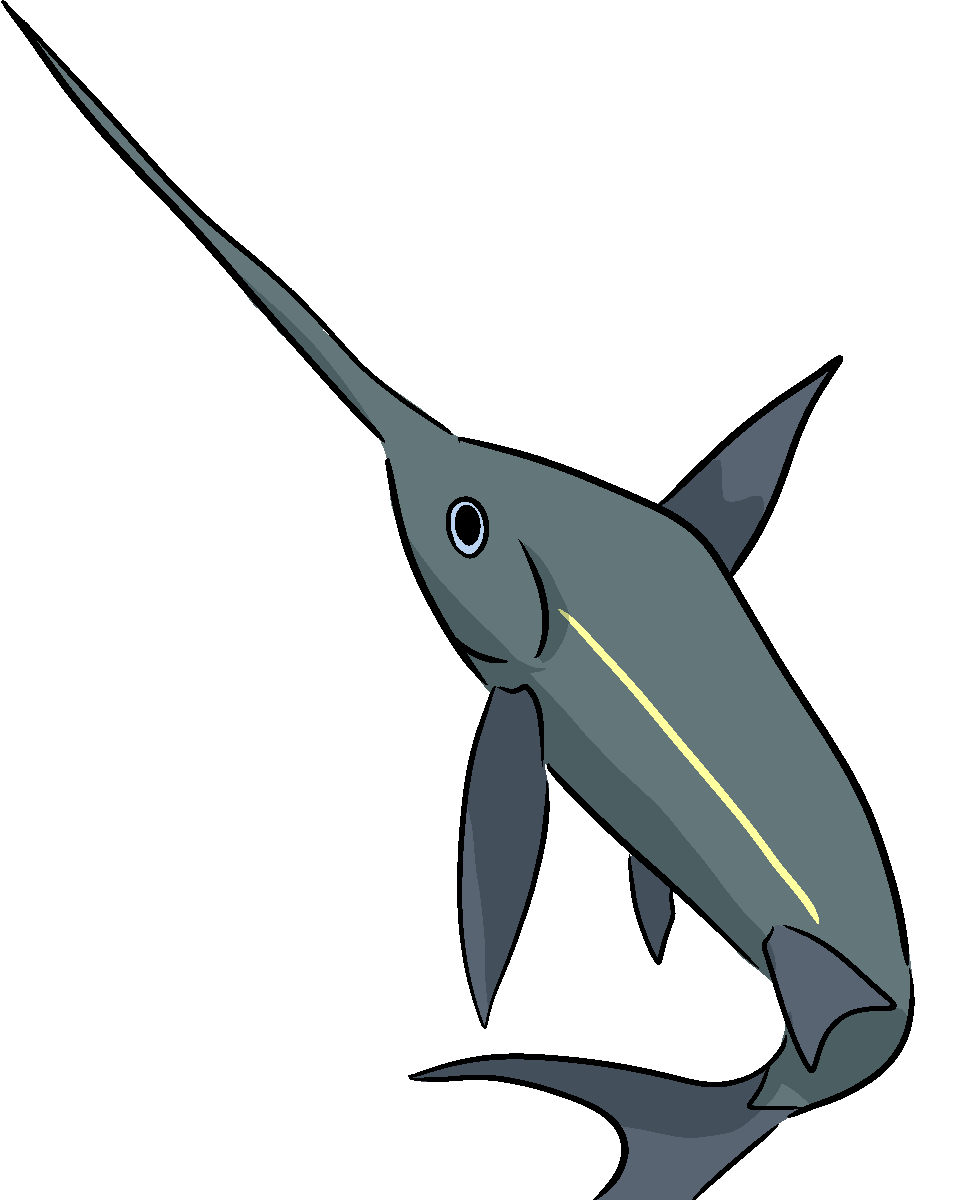
Downfallen Rainlancer by Lou
Basic Facts
- Classification: Beast, Fish.
- Size: Small
- Habitat: Loopfern Gardens
- Temperament: Predatory
- Rarity: Uncommon
- Domestication: Wild

Comments