

Loopfern
A floating wreath of the High Seas, loopfern is both staple crop and quiet omen. Its living rings drift with the currents, sheltering whole pocket-ecosystems in their hollow centers while marking the places sailors tie their homes and whisper their prayers.
The outer fronds are a dark, glossy green that often glitter with a dusting of dried salt crystals. Along the inner edge, the plant fades to a paler tone and is lined with a fibrous, edible membrane that gives the ring a soft, padded look when seen up close.
Older growth rarely drifts alone. Mature loopferns often snag on one another, knotting into floating gardens made of interlocked circles. From above, these beds resemble overlapping wreaths, with hollow pools and channels threading through the tangle.
The plants prefer calm or gently rolling water. They often cluster in the lee of raft-villages, beneath sky-trees, and along the edges of coral lifemasses, where they can form wide, loosely anchored beds that ride the surface with the waves.
The hollow center of each loopfern ring acts as a sheltered pocket in the open sea. Shoals of small fish, drifting shrimp, and seedlings of other plants gather in these calm inner pools, using the fronds as cover from predators and rough water. Larger hunters patrol the outer edge, turning every bed into a layered food web.
 Loopfern spreads both by releasing tiny, buoyant spores from the inner lining and by shedding damaged fragments of frond. Spores and fragments drift on the currents until they find slow, nutrient-rich water, where they begin to curl into new spirals. Over time, repeated growth and interlocking rings create floating gardens that stabilize the surface, slow local currents, and provide vital habitat in otherwise exposed stretches of open sea.
The pale inner lining is edible. It can be eaten raw as a salty, fibrous snack or dried into chewy rings that keep well as rations. When fully dried, the fronds harden into tough hoops that are shaped into bracelets, rope fastenings, and even steering wheels for small raft-ships. Boiled loopfern lining produces a tonic that eases nausea and motion sickness, making it a common remedy for those who live their lives on the waves.
Culturally, loopfern is often called Oaths of the Sea-Gods. Many High Sea peoples believe each ring is a promise whispered by a deity and set adrift. Wearing a loopfern hoop is seen as placing oneself under divine witness. Breaking a loop is considered dangerous; tales say those who sever one will find their vessel cursed to wander in circles, never touching land again. Because of this, many ships weave whole loopferns into wreaths and hang them from their masts as offerings and protection.
Appearance
Loopfern is an aquatic plant that grows in a near-perfect circle. Thick, rubbery fronds weave together into a seamless ring that floats on the surface of the High Sea. Some loops are no larger than a dinner plate, while the biggest can grow wider than a house.The outer fronds are a dark, glossy green that often glitter with a dusting of dried salt crystals. Along the inner edge, the plant fades to a paler tone and is lined with a fibrous, edible membrane that gives the ring a soft, padded look when seen up close.
Growth & Structure
Loopfern begins life as a curling spiral, a single strand coiling tighter and tighter as it matures. Over the years, the two ends of the spiral approach each other until they finally fuse, forming a complete and seamless loop. Once sealed, the ring thickens as new fronds braid into the existing structure.Older growth rarely drifts alone. Mature loopferns often snag on one another, knotting into floating gardens made of interlocked circles. From above, these beds resemble overlapping wreaths, with hollow pools and channels threading through the tangle.
Habitat
Loopfern thrives in the drifting currents of the High Sea, especially around floating landmasses and raft-towns. These large bodies create shadowed, nutrient-rich zones where currents slow and debris collects, giving young spirals a place to root and grow.The plants prefer calm or gently rolling water. They often cluster in the lee of raft-villages, beneath sky-trees, and along the edges of coral lifemasses, where they can form wide, loosely anchored beds that ride the surface with the waves.
Reproduction & Ecological Role
The hollow center of each loopfern ring acts as a sheltered pocket in the open sea. Shoals of small fish, drifting shrimp, and seedlings of other plants gather in these calm inner pools, using the fronds as cover from predators and rough water. Larger hunters patrol the outer edge, turning every bed into a layered food web.
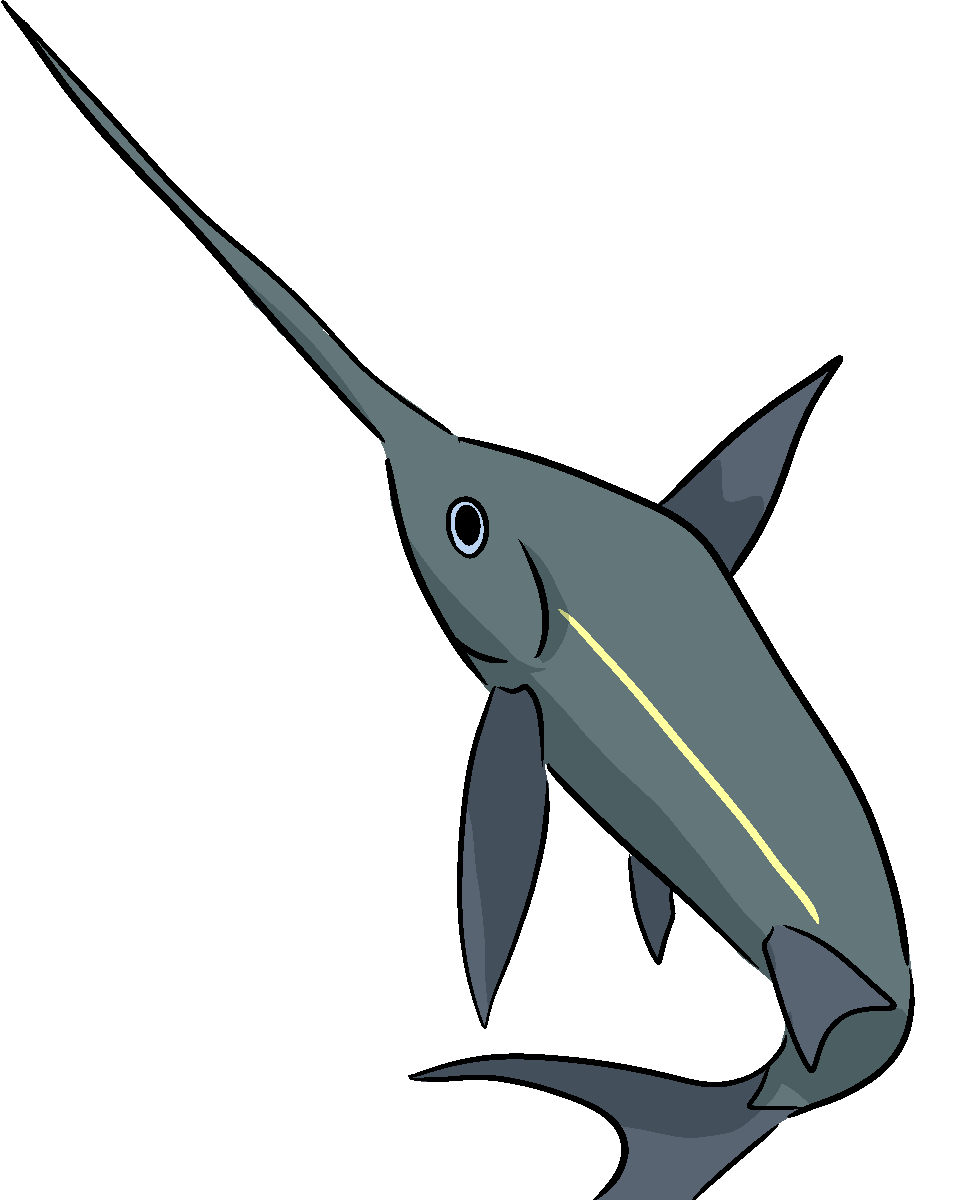
Downfallen Rainlancer by Lou
Relationship to Humanoids
Sailors and raft-folk rely heavily on loopfern. Clusters of thick rings are used as living anchors, with ropes threaded through and around the loops to hold raft-villages in place even during heavy weather.The pale inner lining is edible. It can be eaten raw as a salty, fibrous snack or dried into chewy rings that keep well as rations. When fully dried, the fronds harden into tough hoops that are shaped into bracelets, rope fastenings, and even steering wheels for small raft-ships. Boiled loopfern lining produces a tonic that eases nausea and motion sickness, making it a common remedy for those who live their lives on the waves.
Culturally, loopfern is often called Oaths of the Sea-Gods. Many High Sea peoples believe each ring is a promise whispered by a deity and set adrift. Wearing a loopfern hoop is seen as placing oneself under divine witness. Breaking a loop is considered dangerous; tales say those who sever one will find their vessel cursed to wander in circles, never touching land again. Because of this, many ships weave whole loopferns into wreaths and hang them from their masts as offerings and protection.
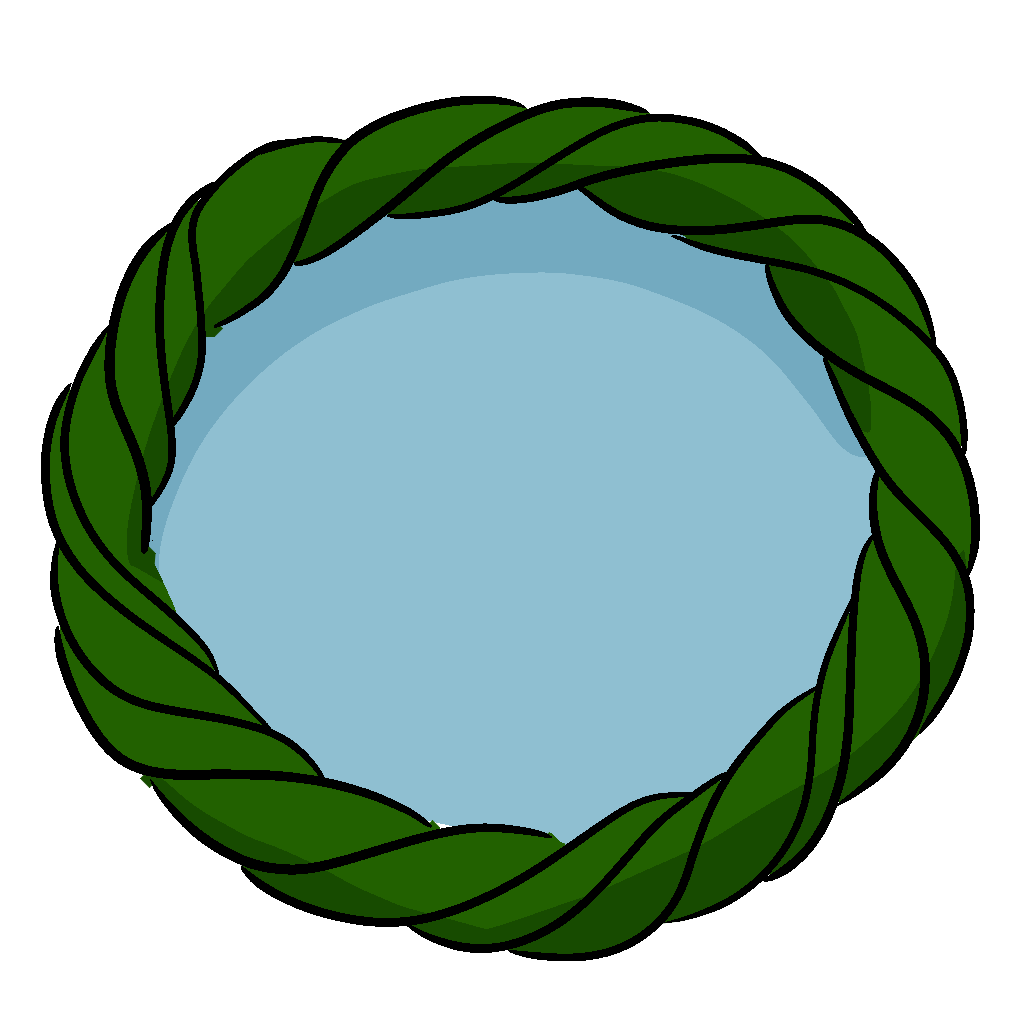
Loopfern by Lou
Basic Facts
- Type: Herb
- Size: Starts very small, but it can grow very large very quickly. The largest recorded loopfern garden was almost 80ft wide!
- Habitat: Primarily clings to calmer, more stable waters with high nutrients
- Growth Pattern: Creeping, the loopfern grows fast into large intricate spirals.
- Rarity: Common
- Cultivation & Use: Wild & Foraged, but some farmers have recently started maintaining them as crops.

Comments