
Practicing Magick:
in Magick:"Gods' sake boy! You know not what you do, stop this spell at once or you'll doom us all!" -Kingswizard Gorkin Mann, the Library Incident, 333 CA.
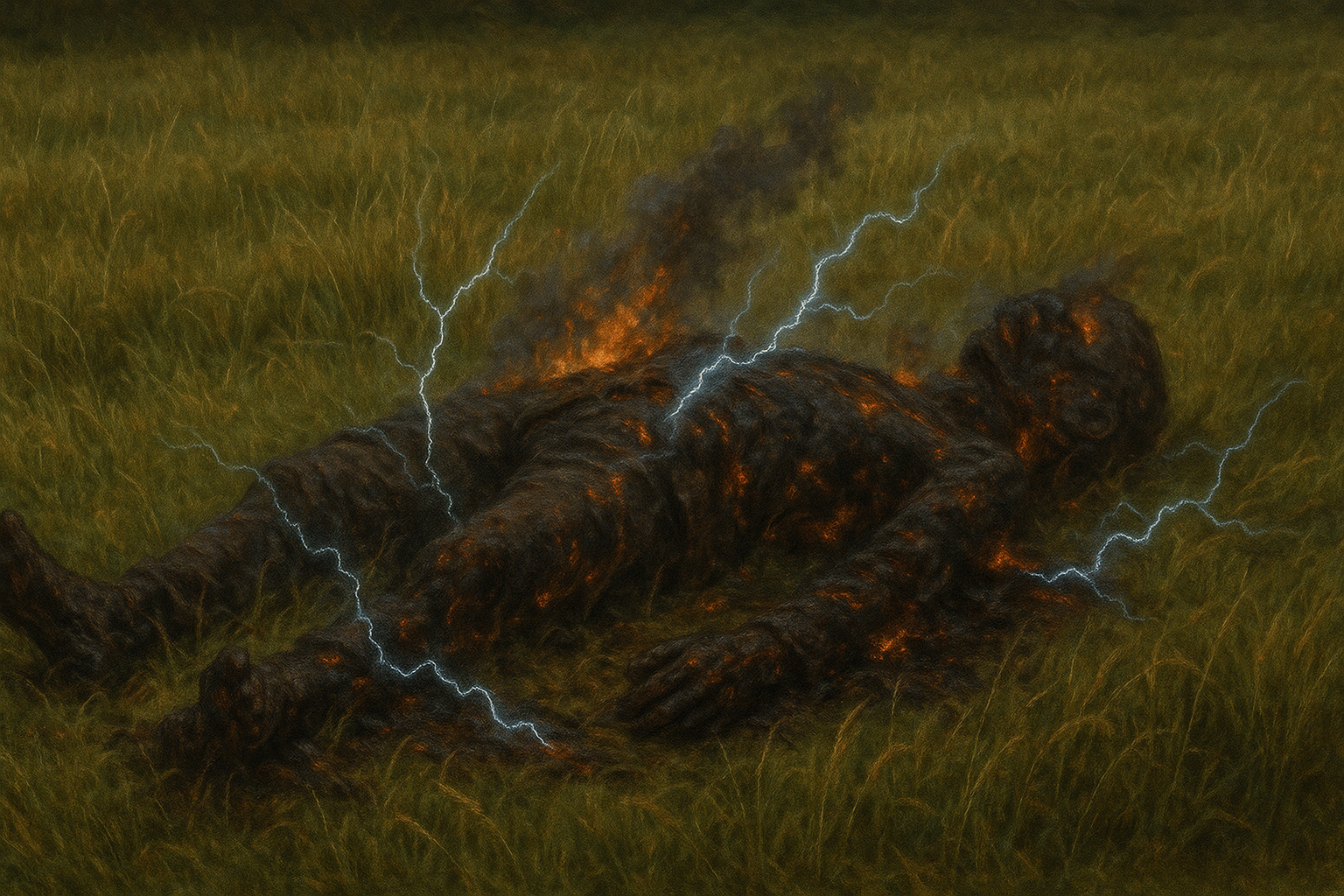
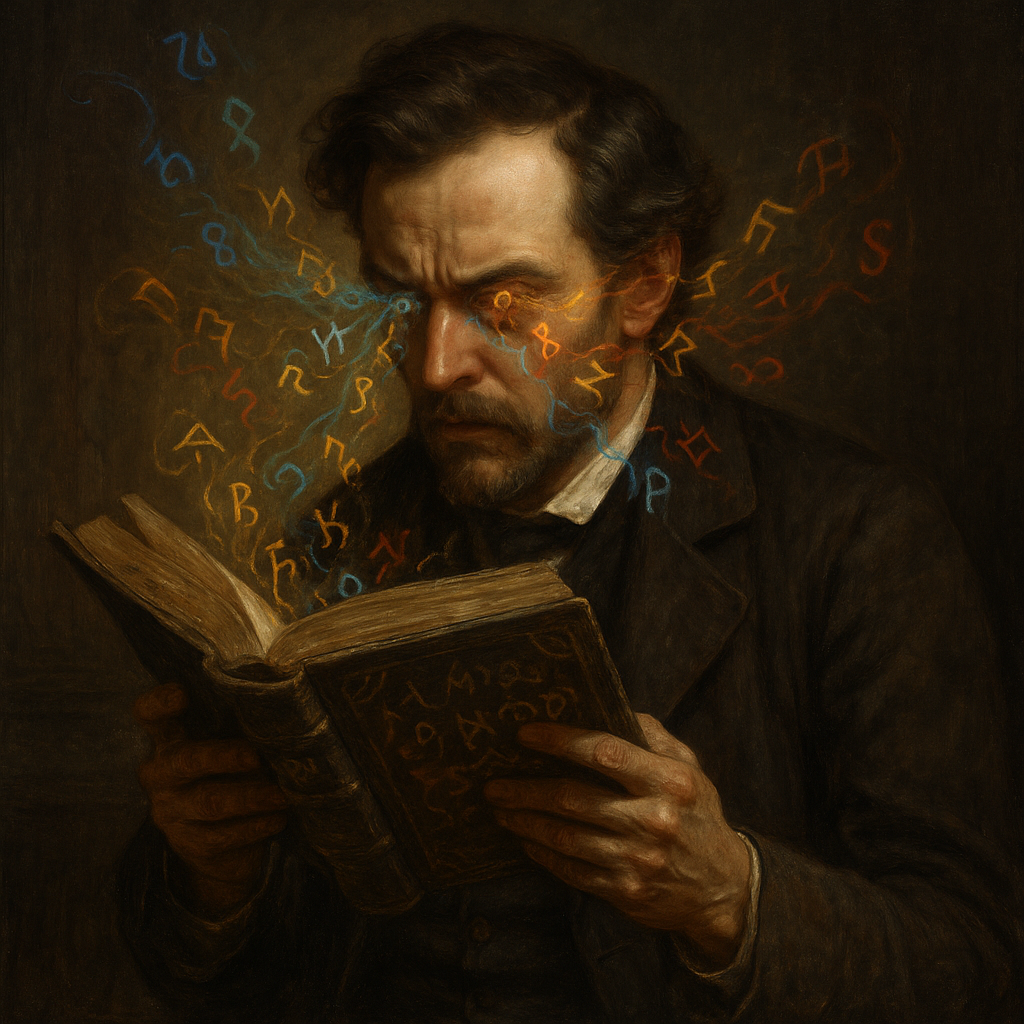
All magick, no matter its form or folly, springs from one truth, the soul. Beneath every spark of conjured fire, every whispered ward or mirrored illusion, lies the living lattice of the caster’s essence. The soul is not merely spirit, it is a coil of raw Arcane resonance, the inner architecture that remembers creation itself. Every being born with a soul, from the smallest beast to the dreaming Folk, carries a tether to The Arcane's currents that wind invisibly through the world. These flows pulse like unseen rivers beneath soil and sea, drawing the sensitive and the reckless alike toward their hum. To practice magick, then, is to feel, feel with that inner thread of the self that knows what the world remembers. The first lessons are not incantations but awareness, teaching one to feel the heat beneath the stone or the breath of a storm before it breaks. But knowing is not enough. To shape magick is to translate will into form, and form demands language. Casters employ components, words, gestures, or offerings, to anchor their intent and keep the soul from unraveling. A syllable may carry resonance into the weave, a gesture may bind its rhythm, a token of blood or herb may ground the energy in matter. These are not superstitions but safeguards, the framework through which raw power becomes ordered. A spell cast without its proper trappings is a door without a hinge, possible to open, yes, but likely to fall upon the one who did. The body is the vessel for this current, and it can only bear so much strain before it cracks. This cracking is called Magebane, the sickness of those who's greed lets them forget the soul’s importance . It begins as fever and bleeding pores, progresses to seizures and decay, and ends in annihilation. At its worst, the soul does not pass on but bursts, leaving neither ghost nor ash behind. Many believe talent spares the gifted; it does not. The prodigy burns hottest and thus first. The wise learn patience, months spent kindling candleflame before daring a spark of lightning, years of channeling rain before calling storm. Power is measured not in what one can conjure, but in what one refuses to. To practice magick is to trespass, gently, upon the pulse of the world. Every spell is both dialogue and duel between soul and source. The greatest mages are not conquerors of the Arcane, but its translators, those who step lightly through its fires and emerge whole. Each casting is a wager, that one’s vessel can contain the infinite, that the ember can be touched without being consumed. To study magick is to learn restraint before wonder, discipline before discovery. For the world remembers every spark it gives, and takes interest in how you return it.
All writing and lore by author Patrick Enger; All art done by Chat-GPT (for now).