

Order of Healers
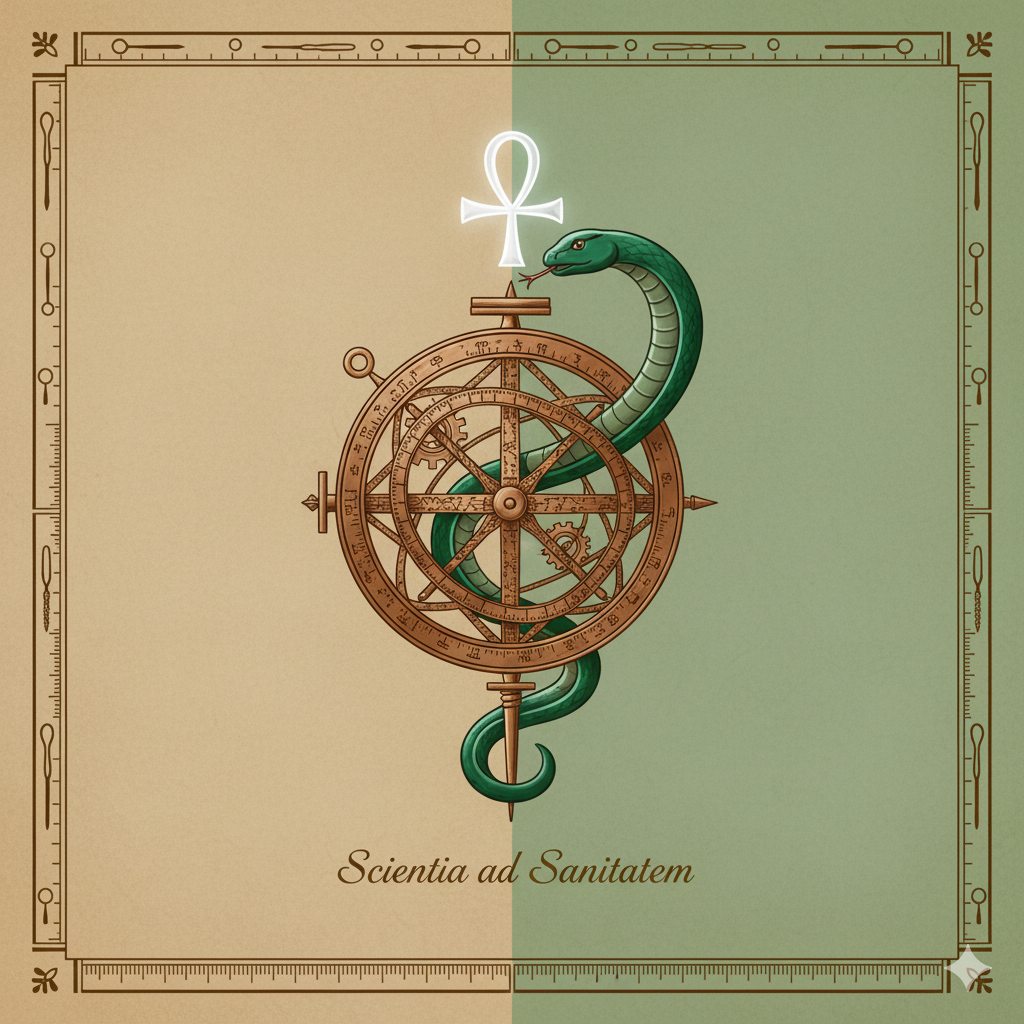
The Order of Healers is dedicated to the Neutral Good demigod Imhotep, the original patron of Medicine, Science, and Craftsmanship. The Order’s theology is unique in that it places rational inquiry and the scientific method on equal footing with spiritual faith. The organization functions as the primary medical authority and research institution in Draconia, believing that healing should be available to all, regardless of magical affinity.
Tenets of Faith
The theological focus is on practical compassion, scientific rigor, and the ethical responsibility of those who practice healing.
- The Scientific Imperative: Knowledge is sacred, but applied knowledge is divine. Followers are compelled to pursue healing and scientific inquiry rigorously, constantly testing theories and seeking evidence-based solutions.
- The Vow of the Artificer: Every consecrated member must swear the Vow of the Artificer, dedicating their skill to the service of the sick and injured, and never knowingly doing harm. They must share their knowledge with others in the Order and hold the sanctity of life as their highest priority.
- Healing Without Bias: Healing is a divine act and must be rendered to all people without bias toward alignment, race, or social standing.
- Craftsmanship as Worship: Mastering a craft—whether engineering, surgery, or spell-creation—is a form of worship, honoring Imhotep's status as a master builder and artificer.
Worship
The Order of Healers centers its worship on the disciplined, practical application of knowledge, viewing scientific service as the purest form of devotion to Imhotep.
Everyday Practices (The Rites of Discipline)
Daily rituals focus on maintaining the ethical standards and mental clarity required for healing and research.
- The Daily Vigil of the Method: This mandatory morning ritual is a private mental exercise focused on objectivity and precision. Practitioners review the scientific method and reaffirm their commitment to fact-based inquiry and the ethical limitations of the Vow of the Artificer (never knowingly doing harm).
- The Vow of Service: Throughout the day, followers are obligated to perform their work—whether medical, administrative, or research—with the highest dedication, maintaining the principle of Healing Without Bias to all who require their assistance.
Weekly Service (The Communal Practice)
The communal gathering is focused on education, sharing, and the continuous improvement of the art of healing.
- The Covenant of Shared Knowledge: This is the primary weekly service, often held in a lecture hall or assembly room. The service consists of mandatory presentations where Practitioners and Senior Clinicians share new diagnoses, surgical techniques, or successful alchemical formulas. This communal exchange reinforces the tenet that knowledge must be shared.
- The Healing Litany: A brief service is held in the central hospital ward of each complex, where priests collectively channel prayers and healing magic toward the sick and injured, reinforcing the Order's compassionate mission.
Sacraments and Ordinances
The Order's ordinances are reserved for the consecrated ranks and mark professional commitment and the sanctity of tools.
| Sacrament/Ordinance | Description and Purpose | Participants |
|---|---|---|
| The Consecration of the Instrument | A sacred rite where the tools of the trade (scalpels, surgical needles, alchemy glassware, drafting compasses) are ritually blessed by a Senior Clinician to ensure they are used with precision, accuracy, and ethical intent. | Practitioners and Masters of the Art. |
| The Ordination of Rank | The formal ceremony for the transfer of spiritual authority and leadership keys via the laying on of hands, granting authority over the ranks of the clergy. | Clergy only. |
Export to Sheets
Annual Festivals and Holy Days
The annual calendar celebrates the foundation of the Order and its continuing mission of service.
- The Festival of the First Cut: The most significant annual holiday, celebrated on the anniversary of the first successful surgical procedure performed by Imhotep (the symbolic "first cut"). New Practitioners formally take the Vow of the Artificer, and the Order provides a full day of free medical care and surgical procedures to the general public.
- The Grand Review (Periodic Festival): A spontaneously called event following a major medical or scientific breakthrough validated by the Dicastery of Scientific Innovation. The festival is a celebration of the advancement of knowledge and usually features public lectures detailing the new discovery.
Priesthood
I. Priesthood Structure
The organization is highly structured to manage its research, monastic services, and administrative arms.
| Position | Title | Role and Function |
|---|---|---|
| Spiritual Leader | The Grand Curator (High Priest) | The administrative and spiritual head; responsible for the direction of all medical and scientific research. |
| Governing Quorum | The Quorum of Six Masters of the Art | The chief administrative body that sets medical and doctrinal standards and reviews major scientific breakthroughs. |
| Quorum Rank | Master of the Art | The highest earned priestly rank; members are renowned masters in a field of science, medicine, or arcane art. |
| Grandmaster Rank | Master of the Applied Art | A rare, ultra-elite rank achieved through pioneering medical or engineering breakthroughs. This priest serves as a Master-at-Large, directing global research priorities and advising on ethical dilemmas. |
| High Administrative | Senior Clinician | Senior priests responsible for regional medical policy, managing major hospitals, and training high-level practitioners. |
| Presiding Keys (Local Temple) | Warden of the Sanatorium | The specific calling given to a cleric to preside over and direct a local hospital/research temple complex. |
| Mid-Level Rank | Practitioner | The core clerical rank; serves as doctors, researchers, and field healers. |
| Low-Level Rank | Acolyte of the Method | Entry-level rank; focuses on learning basic medical and scientific principles; assists practitioners in their work. |
II. Administrative Dicasteries
The Order’s administrative burden requires two specialized councils to manage its unique functions.
| Dicastery | Head Title | Purpose and Oversight |
|---|---|---|
| Dicastery of the Monasteries | Prior of the Disciplines | Oversees all monastic orders affiliated with Imhotep, focusing on the rigorous daily study and service unique to medical monasticism. |
| Dicastery of Scientific Innovation | The Grand Inquisitor of the Method | Serves as the primary academic review board. Responsible for researching and validating major scientific breakthroughs before they are implemented globally (similar to a peer review and patent office). |
Paladin Arm: The Guardians of the Vow
The Guardians of the Vow are the specialized paladin corps dedicated to protecting the vulnerable, preserving medical knowledge, and ensuring the absolute sanctity of the healing process. Their military actions are governed entirely by the Vow of the Artificer (never knowingly do harm).
I. Paladin Structure
The ranks reflect the unique mission of integrating defense with healing and surgical precision.
| Military Rank | Title | Role and Function |
|---|---|---|
| Supreme Commander | The Surgeon of the Shield (Chief Paladin) | Leads the corps; ensures all military actions comply with the Vow of the Artificer. Responsible for the global protection strategy. |
| Presiding Paladin | Sentinel of the Sanatorium | The calling given to an officer to preside over the defense and security of a local hospital/research complex. |
| Officer Corps | Master of the Field | Commands detachments protecting research sites, escorts medical supplies, and oversees regional security. |
| Core Warrior | Sentinel of the Cure | The fully consecrated warrior rank; serves as security for practitioners and medical facilities. |
| Novice | Adept of the Blade | Paladin in training; focuses on martial discipline, surgical precision, and non-lethal defense techniques. |
II. Unique Mandate
Their primary mission is protection, preservation, and rescue. They focus on guarding medical supplies, protecting research sites from theft or destruction, and providing armed escort for Practitioners and Senior Clinicians traveling to dangerous territories. They are strictly bound to use non-lethal force unless the sanctity of life or the core tenets of the Order are directly threatened.
Now that both the Priesthood and the Paladin Corps are defined, what would you like to develop next? We could move to the Ordination and Promotion process, or tackle another deity.
Ordination & Promotion
I. Priesthood Ordination and Promotion (Clerical Ranks)
The authority structure is centralized, with the High Priest holding the keys for the highest offices and delegating authority for the lower ranks.
| Office/Rank | Appointment/Promotion Authority | Ordaining Authority |
|---|---|---|
| High Priest (The Grand Curator) | Elected by the Quorum of Six Masters of the Art. | Ordained by the Quorum of Six Masters of the Art. |
| Master of the Art (Quorum Rank) | Appointed and called by the High Priest. | Ordained by the High Priest. |
| Master of the Applied Art (Grandmaster Rank) | The Quorum of Six Masters of the Art | Master of the Art (Quorum Rank) |
| Senior Clinician (High Administrative) | Appointed and promoted by the High Priest (requires approval from the Quorum). | Ordained by the High Priest. |
| Warden of the Sanatorium (Presiding Keys) | Called by the High Priest to preside over a local complex. | Ordained by the High Priest or a Master of the Art designated by the High Priest. |
| Practitioner (Mid-Level Rank) | Promotion granted after approval from the local Warden of the Sanatorium. | Ordained by a Senior Clinician. |
| Acolyte of the Method (Low-Level Rank) | Promotion granted after approval from the local Warden of the Sanatorium. | Ordained by a Practitioner. |
II. Paladin Promotion and Ordination (Guardians of the Vow)
The promotion structure emphasizes martial and administrative merit, with the Chief Paladin holding the ordination authority for the highest Paladin ranks.
| Rank/Title | Promotion Requirement | Ordaining Authority |
|---|---|---|
| The Surgeon of the Shield (Chief Paladin) | Appointed by the High Priest based on merit and loyalty. | Ordained by the High Priest. |
| Sentinel of the Sanatorium (Presiding Paladin) | Calling: Appointed by the Surgeon of the Shield. | Ordained by the Surgeon of the Shield. |
| Master of the Field (Officer Corps) | Requires documented merit and a recommendation from the Warden of the Sanatorium (Priesthood). | Ordained by a Master of the Art (Priesthood Quorum Rank). |
| Sentinel of the Cure (Core Warrior) | Requires successful completion of all training and approval from a Master of the Field. | Ordained by the Warden of the Sanatorium (Presiding Priest). |
| Adept of the Blade (Novice) | Entry granted after testing and vow of allegiance. | Vow administered by a Practitioner (Mid-Level Priest). |
Granted Divine Powers
I. Affiliation Score Criteria (AS)
The modifiers reward medical discovery, non-biased healing service, and the defense of scientific integrity.
| Action/Event | Modifier (AS Change) | Type |
|---|---|---|
| One-Time Modifiers (AS Added Once) | ||
| Take the Vow of the Artificer (Initiation) | +5 | One-Time |
| Character Level | +1/2 Character Level (rounded down) | One-Time |
| Knowledge (Alchemy) 5 or more ranks | +3 | One-Time |
| Knowledge (Architecture and Engineering) 5 or more ranks | +3 | One-Time |
| Possess Skill Focus (Heal) feat | +2 | One-Time |
| Possess 1st level spells of the Healing or Artifice domain | +2 | One-Time |
| Successfully perform a High-Level Ritual for the Quorum | +10 | One-Time |
| Successfully pioneer a minor medical breakthrough (e.g., a new antidote/surgical technique) | +12 | One-Time |
| Stacking Modifiers (AS Added Multiple Times) | ||
| Successfully treat a patient of hostile alignment or social standing (Healing Without Bias) | +4 | Stacking |
| Successfully defend medical or scientific records/research from destruction | +3 | Stacking |
| Successfully perform a complex surgery or healing procedure | +3 | Stacking |
| Successfully craft a complex, high-quality non-magical item | +2 | Stacking |
| Penalty Modifiers (AS Deducted) | ||
| Willfully fail to aid an injured person due to prejudice | -8 | Stacking |
| Knowingly perform an action that violates the Vow of the Artificer (harming a patient) | -10 | Stacking |
| Destroy or sabotage scientific research/equipment | -6 | Stacking |
| Practice healing without verifiable scientific or magical method (quackery) | -4 | Stacking |
II. Cleric/Priesthood Ranks, Benefits, and Duties (4 Ranks)
| AS Range | Title/Rank Achieved | Priesthood Office | Primary Duty & Benefit (Game Mechanics) |
|---|---|---|---|
| 0 - 5 | Lay Follower | None | No special duties or benefits. |
| 6 - 15 | Acolyte of the Method | Low-Level Rank | Duty: Assist researchers and practitioners; logistical support. Benefit: +1 bonus to Craft checks when creating medical or scientific tools. |
| 16 - 30 | Practitioner | Mid-Level Rank | Duty: Serve as doctors/field healers; primary patient care. Benefit: Gain +2 bonus to Heal checks. May ignore one instance of non-lethal damage from a failed procedure once per day. |
| 31 - 75 | Senior Clinician | High Admin Rank | Duty: Regional medical policy; manage hospitals; train high-level practitioners. Benefit: Gain Leadership feat (if eligible). +2 bonus to all Concentration checks when casting healing spells. |
| 76+ | Master of the Applied Art | Grandmaster Rank | Duty: Direct global research; advise on major ethical dilemmas. Benefit: Gain a +1 bonus to the save DC of all spells of the Healing or Artifice domains. Once per day, may cast Neutralize Poison as a spell-like ability (CL equal to character level). |
III. Paladin Ranks, Benefits, and Duties (3 Ranks - Guardians of the Vow)
The ranks now progress through the three specified tiers, focusing on the martial defense of the healing process.
| AS Range | Title/Rank Achieved | Military Rank | Primary Duty & Benefit (Game Mechanics) |
|---|---|---|---|
| 0 - 5 | Lay Follower | None | No special duties or benefits. |
| 6 - 30 | Adept of the Blade | Novice Rank | Duty: Focus on martial discipline, surgical precision, and non-lethal defense. Benefit: Gain +1 bonus to Initiative when providing an armed escort for a medical supply caravan. |
| 31 - 60 | Sentinel of the Cure | Core Warrior | Duty: Security for practitioners and medical facilities. Benefit: Gain Weapon Focus (Chosen Martial Weapon). May use the Disarm action without provoking an attack of opportunity once per round. |
| 61+ | Master of the Field | Highest PC Rank | Duty: Command detachments protecting research sites and escorting medical supplies. Benefit: Gain Improved Disarm feat (if eligible). Gain +1 bonus to Attack and Damage Rolls with non-lethal attacks. |
Comments