
The Astorian Republic
The Astorian Republic is a vibrant and diverse nation, founded on the principles of freedom, justice, and democracy. Emerging from a brutal civil war and the abolition of slavery, the Republic has integrated freed Valtoran slaves into its society, enriching its culture and economy. Governed by an elected president and a senate, the Republic emphasizes community participation, open trade, and equal rights for all. With its fertile lands, thriving trade routes, and dedication to democratic values, The Astorian Republic stands as a symbol of resilience and hope in a complex and often turbulent world.
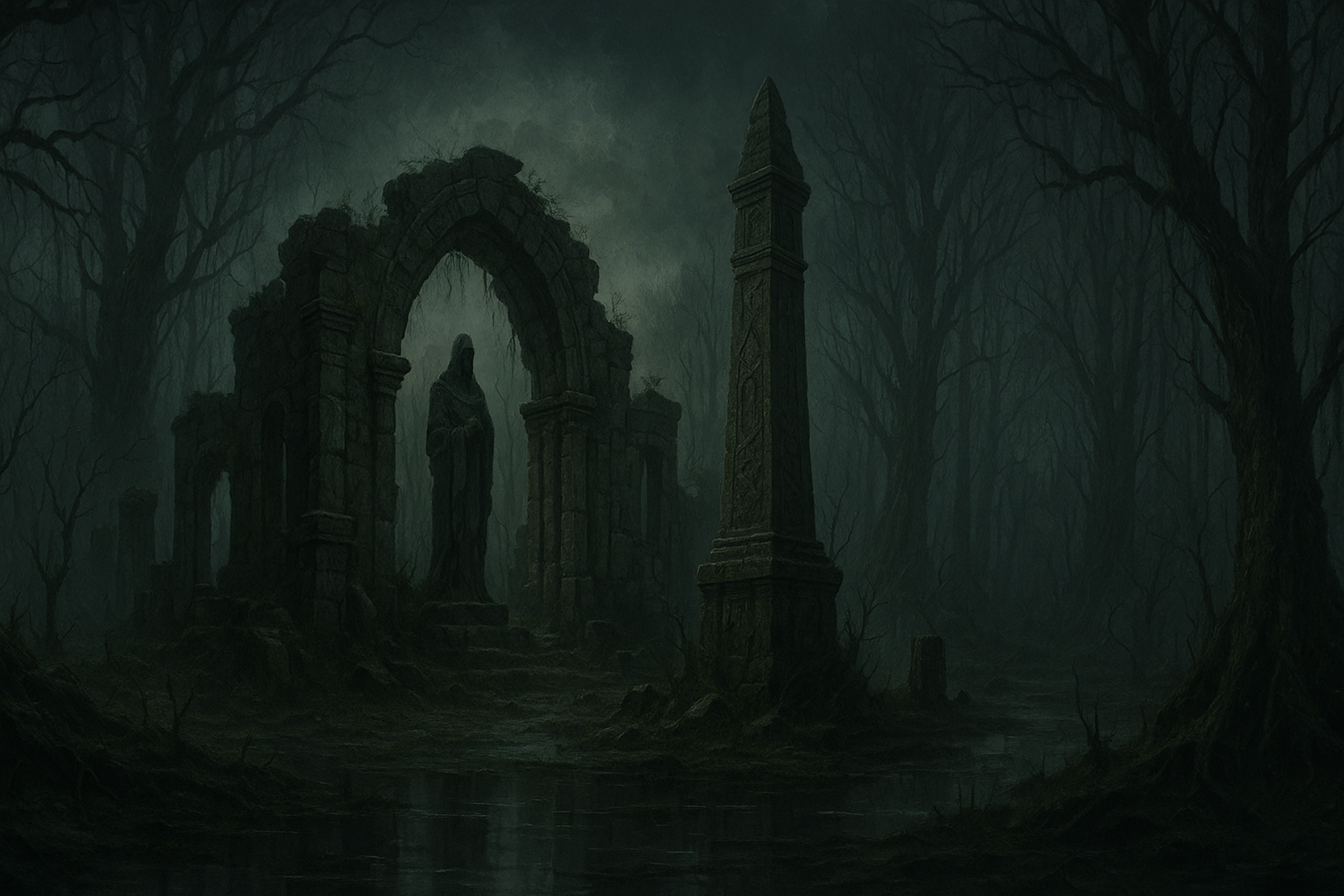
The climate is warm and humid, with long summers and mild winters. The landscape features a mix of fertile plains, dense swamplands, and expansive river valleys, making it ideal for agriculture and trade.
River Festival: A celebration of the Republic’s waterways, featuring boat races, fishing competitions, and water-themed games.
Current President: , a former abolitionist leader who played a key role in the civil war.
Governing Bodies:
Fishing and Aquaculture: The Freeman Bayou and the plentiful rivers provide abundant seafood and fish farming opportunities.
Trade: Free trade policies encourage commerce, with the Astorian River facilitating both domestic and international trade.
Craftsmanship and Industry: Skilled craftspeople, including many freed Valtoran slaves, contribute to a growing economy of artisanal goods and small-scale manufacturing.
Liberation Square: A large public square in Freehaven, featuring a monument to the heroes of the civil war and a market where freed slaves and their descendants sell goods.
Sunfield Academy: An institution dedicated to education and the promotion of democratic values, welcoming students from all backgrounds.
Riverport: A bustling trade hub on the Astorian River, facilitating commerce and cultural exchange.
The Great War: After the devastating conflict with Valtora, the southern region of Astoria experienced a growing abolitionist movement.
The Civil War: A bloody conflict erupted between the pro-slavery north and the abolitionist south. Unable to reconcile their differences, the south declared independence, forming The Astorian Republic.
Reconstruction: The Republic focused on rebuilding its economy and infrastructure, integrating freed slaves from Valtora into society and ensuring their rights and freedoms.
Current State: The Republic stands as a beacon of freedom and democracy, committed to justice and equality for all its citizens. It fosters strong economic and cultural ties with its neighbors, while remaining vigilant against any threats from The Astorian Dominion.
Geography & Location
The Astorian Republic occupies the southern half of the former unified nation of Astoria. It shares borders with The Astorian Dominion to the north, separated by a militarized border due to ongoing tensions, Valtora to the east, a region known for its stark mountains and the origin of many freed slaves who now call the Republic home, The Astorian River to the west, which flows into the Tirian Gulf, providing a natural trade route and a vital source of freshwater, and a currently unexplored region to the south.The climate is warm and humid, with long summers and mild winters. The landscape features a mix of fertile plains, dense swamplands, and expansive river valleys, making it ideal for agriculture and trade.
Major Regions
- Riverlands: A network of interconnected rivers and tributaries, vital for irrigation and transport, crisscrossing the Republic and connecting it to major trade routes.
- Freeman Bayou: Southern swamplands rich in biodiversity, offering resources like fish, game, and medicinal plants.
- Borderlands: The lands along the border with Valtora where slaves often attempt to cross into the Republic, heavily guarded on the other side by Dominion forces.
Culture
Language
Common Astorian (official), with significant Valtoran influence due to the presence of freed slaves.Religion
The dominant religion follows the worship of The Five Divines, with strong reverence for Agrista, The Bountiful Mother and Rhapsody, the Wandering Minstrel. The Republic emphasizes freedom and harmony in its religious practices.Festivals
Liberation Day: Celebrating the Republic’s independence and the abolition of slavery, marked by parades, speeches, and communal feasts.River Festival: A celebration of the Republic’s waterways, featuring boat races, fishing competitions, and water-themed games.
Art and Architecture
Art in the Republic is characterized by themes of freedom, resilience, and community. Architecture is eclectic, combining practical designs with Valtoran and other cultural influences.Politics
Government Type: Democratic republic with an elected president and a senate.Current President: , a former abolitionist leader who played a key role in the civil war.
Governing Bodies:
- The Senate: A legislative body elected by the citizens, responsible for making laws and overseeing the government.
- The Assembly of Free Citizens: A forum where representatives of various communities, including freed slaves, can voice their concerns and influence policy.
Economy
Major Industries
Agriculture: The Sunfield Plains produce grains, vegetables, and fruits, supported by irrigation from the Riverlands.Fishing and Aquaculture: The Freeman Bayou and the plentiful rivers provide abundant seafood and fish farming opportunities.
Trade: Free trade policies encourage commerce, with the Astorian River facilitating both domestic and international trade.
Craftsmanship and Industry: Skilled craftspeople, including many freed Valtoran slaves, contribute to a growing economy of artisanal goods and small-scale manufacturing.
Trade
Free and open, with significant interactions with Valtora, neighboring regions, and sea routes via the Tirian Gulf.Currency
Republican Crown, a stable currency used for both internal and external trade.Notable Locations
Freedom Hall: The central government building in Freehaven, where the Senate and the president conduct official business.Liberation Square: A large public square in Freehaven, featuring a monument to the heroes of the civil war and a market where freed slaves and their descendants sell goods.
Sunfield Academy: An institution dedicated to education and the promotion of democratic values, welcoming students from all backgrounds.
Riverport: A bustling trade hub on the Astorian River, facilitating commerce and cultural exchange.
History
Founding: The region that became The Astorian Republic was originally part of the unified nation of Astoria, known for its agricultural wealth and cultural diversity.The Great War: After the devastating conflict with Valtora, the southern region of Astoria experienced a growing abolitionist movement.
The Civil War: A bloody conflict erupted between the pro-slavery north and the abolitionist south. Unable to reconcile their differences, the south declared independence, forming The Astorian Republic.
Reconstruction: The Republic focused on rebuilding its economy and infrastructure, integrating freed slaves from Valtora into society and ensuring their rights and freedoms.
Current State: The Republic stands as a beacon of freedom and democracy, committed to justice and equality for all its citizens. It fosters strong economic and cultural ties with its neighbors, while remaining vigilant against any threats from The Astorian Dominion.
Capital
Head of State
Government System
Democracy, Representative
Economic System
Market economy
Official Languages
Neighboring Nations
Comments