
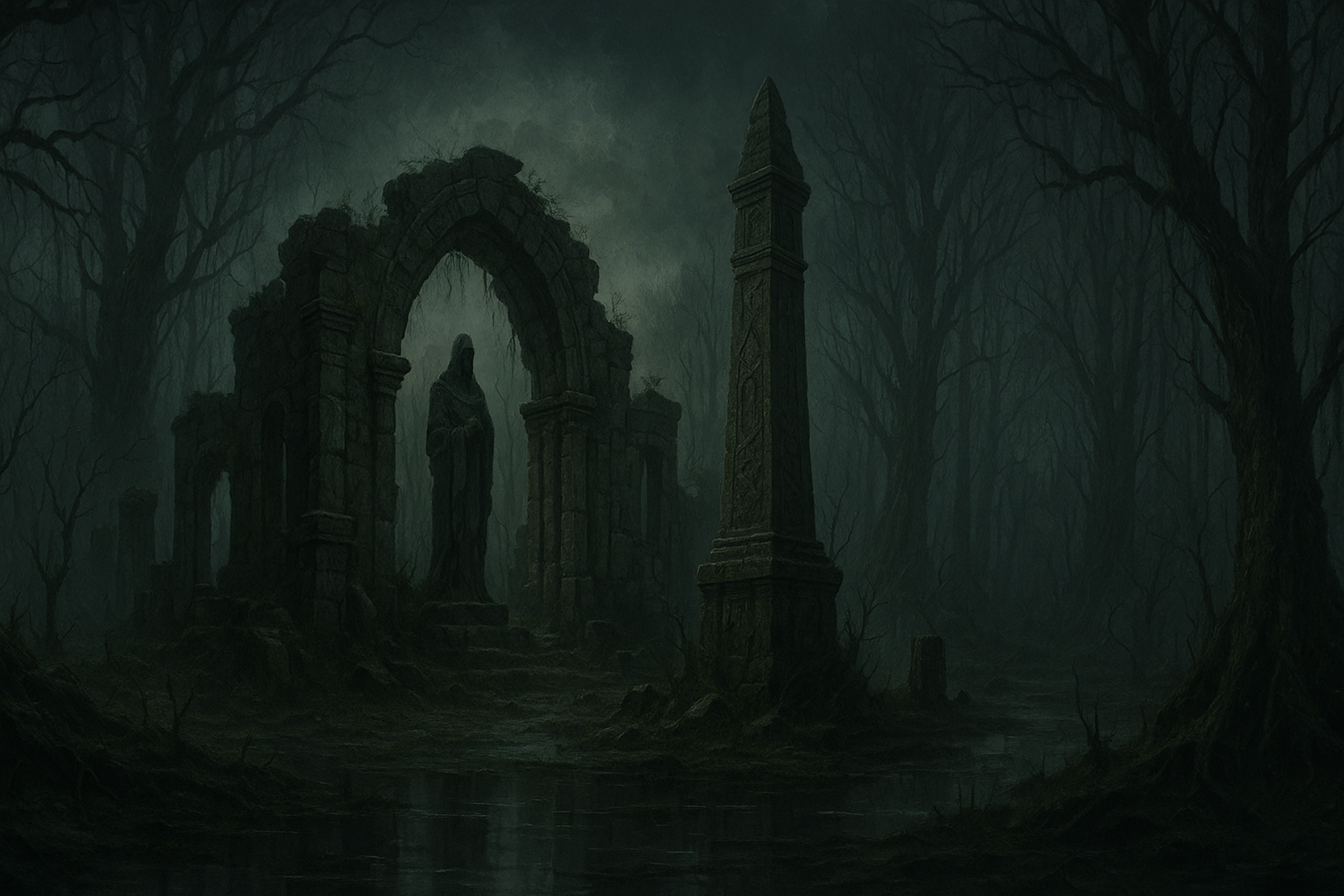
Valtora
Valtora is a nation marked by its tragic history and ongoing subjugation by the neighboring kingdom of The Astorian Dominion. Once a proud and formidable military state, Valtora's attempt to expand its territory resulted in a devastating defeat. As a consequence, a significant portion of its population was taken as slaves, and The Astorian Dominion continues to annually claim the best and brightest of Valtora as tribute, maintaining a harsh reminder of their defeat.
Despite these hardships, the people of Valtora retain a resilient spirit, reflected in their culture and daily life. The fertile Heartlands, the rugged Crimson Highlands, and the mysterious Shadowfen Wilds shape the landscape, while the capital city, Alarath, named after the first king who united the warrior clans, stands as a somber reminder of past glories and ongoing struggles. Valtora's economy, heavily controlled by The Astorian Dominion, focuses on agriculture and mining, with the once-grand craftsmanship industry now reduced to producing practical, everyday items. Yet, beneath the surface, the desire for freedom remains strong, fueling a quiet but persistent hope for a better future.
Harvest Home: A somber festival marking the end of the harvest season, overshadowed by the impending arrival of Astorian slavers.
Current Monarch: King Alaric the Broken, a figurehead with little real power.
Governing Bodies: The Valtoran Council, A group of local nobles and elders who manage day-to-day affairs under scrutiny from The Astorian Dominion.
Law and Order: Maintained by the Iron Watch, a local militia force heavily monitored by Astorian overseers.
Mining: The Crimson Highlands are mined for iron and copper, though much of the output is sent to The Astorian Dominion.
Craftsmanship: Blacksmithing and simple, practical crafts have replaced what was once a flourishing industry of fine goods.
The Chains of Valor: A monument to the enslaved, located in the center of Alarath, where an annual vigil is held.
Elysian Fields: Fertile lands known for their bountiful harvests, often targeted by Astorian collectors.
The Red Mines: Mines in the Crimson Highlands where many Valtorans toil under harsh conditions.
The Great War: Valtora, seeking to expand its influence, launched an ambitious campaign against Astoria. Despite early victories, they were ultimately defeated in a protracted and bloody conflict.
The Fall: After their defeat, Astoria imposed harsh terms. A significant portion of Valtora's population was taken as slaves, and each year, the best and brightest are taken as tribute to prevent rebellion.
Current State: Valtora lives under the shadow of its past glory, struggling with the loss of its freedom and the ongoing oppression by The Astorian Dominion.
Despite these hardships, the people of Valtora retain a resilient spirit, reflected in their culture and daily life. The fertile Heartlands, the rugged Crimson Highlands, and the mysterious Shadowfen Wilds shape the landscape, while the capital city, Alarath, named after the first king who united the warrior clans, stands as a somber reminder of past glories and ongoing struggles. Valtora's economy, heavily controlled by The Astorian Dominion, focuses on agriculture and mining, with the once-grand craftsmanship industry now reduced to producing practical, everyday items. Yet, beneath the surface, the desire for freedom remains strong, fueling a quiet but persistent hope for a better future.
Geography
Valtora is a landlocked nation, nestled between the imposing Crimson Peaks to the east and the dense, mysterious Shadowfen Wilds to the north. The absence of coastal regions emphasizes the importance of its rich agricultural Heartlands and the mineral-rich highlands. This diverse geography not only shapes the economic activities of its people, focusing on farming and mining, but also influences the strategic significance of the landlocked territory in its historical conflicts and current subjugation by The Astorian Dominion.Location
Valtora is a country nestled in the northeastern part of the continent of [Placeholder], bordered by the Shadowfen Wilds to the north and the imposing Crimson Peaks to the east. To the west lies the fertile land of The Astorian Dominion, a nation that conquerored Valtora in a recent war.Climate
Valtora experiences a temperate climate characterized by distinct seasons. The winters are cold, often bringing snow to the higher elevations of the Crimson Highlands and a crisp chill to the Heartlands. Summers are mild, providing ideal conditions for agriculture in the fertile plains. Spring and autumn are marked by moderate temperatures and frequent rains, which support the lush vegetation and bountiful harvests that Valtora is known for.Capital City
Alarath, a once-mighty fortress city now marked by the scars of war.Major Regions
- The Hearthlands: The Heartlands are the central plains of Valtora, characterized by their fertile soil and extensive farmlands. This region is the agricultural backbone of the nation, producing a variety of crops, vegetables, and fruits. The Heartlands are known for their mild summers and bountiful harvests, which sustain the local population and support trade, despite the heavy taxation imposed by The Astorian Dominion.
- Crimson Highlands: Located to the east, the Crimson Highlands are rugged, mountainous terrains rich in minerals such as iron and copper. This region is crucial for Valtora's mining industry, though much of the output is commandeered by The Astorian Dominion. The highlands experience colder winters and are home to many mining communities, who endure harsh conditions to extract the valuable resources buried within the mountains.
- The Shadowfen Wilds: To the north, the Shadowfen Wilds are a dense and mysterious forest region, shrouded in mist and danger. This area remains largely unexplored due to its treacherous terrain and the numerous legends surrounding it. The Wilds' perpetual mist and dampness create a unique microclimate, adding to the region's enigmatic reputation.
Culture
Language
Valtoran (official), with influences from Astoria due to occupation.Religion
In Valtora, religious beliefs are deeply intertwined with the dominant faith of the world, which venerates the pantheon of divines and acknowledges the existence of malevolent banes within the cosmic order of Daure. Valtoran religious doctrine centers on the worship of The Five Divines, benevolent beings revered as creators, protectors, and guides. These divines embody virtues such as courage, wisdom, compassion, and justice, and are believed to influence the natural world and the fate of mortals. Valtorans participate in rituals, prayers, and ceremonies to honor the divines, seeking their blessings, guidance, and protection in all aspects of life. Temples and shrines dedicated to the divines serve as places of worship and community gathering, where priests and priestesses lead congregations in devotion and meditation. In addition to venerating the divines, Valtoran religious teachings emphasize the eternal struggle against the banes, malevolent entities that seek to disrupt the natural order and sow chaos and suffering in the world. Valtorans believe in the importance of vigilance, courage, and resilience in confronting the influence of the banes, both in the physical realm and in the hearts and minds of mortals. Overall, Valtoran religious beliefs instill a sense of reverence for the divines, a commitment to virtuous living, and a steadfast resolve in the face of adversity, drawing inspiration from the broader religious traditions of Daure while also reflecting the unique cultural and historical experiences of the Valtoran people.Festivals
Day of Rememberance: Commemorating the lives lost in the war with Astoria and honoring the enslaved.Harvest Home: A somber festival marking the end of the harvest season, overshadowed by the impending arrival of Astorian slavers.
Art and Architecture
Valtoran art is marked by its somber tones and themes of loss and resistance. Architecture is sturdy and practical, with remnants of grander, more militaristic designs.Politics
Government Type: Puppet Monarchy under The Astorian Dominion oversight.Current Monarch: King Alaric the Broken, a figurehead with little real power.
Governing Bodies: The Valtoran Council, A group of local nobles and elders who manage day-to-day affairs under scrutiny from The Astorian Dominion.
Law and Order: Maintained by the Iron Watch, a local militia force heavily monitored by Astorian overseers.
Economy
Major Industries
Agriculture: The Heartlands produce grains, vegetables, and fruits.Mining: The Crimson Highlands are mined for iron and copper, though much of the output is sent to The Astorian Dominion.
Craftsmanship: Blacksmithing and simple, practical crafts have replaced what was once a flourishing industry of fine goods.
Trade
Restricted and heavily taxed by The Astorian Dominion, focusing on basic needs and subsistence.Currency
Valtoran Mark, though devalued and closely controlled by Astorian authorities.Notable Locations
The Broken Citadel: The heart of Alarath, a once-grand fortress now serving as a grim reminder of their defeat.The Chains of Valor: A monument to the enslaved, located in the center of Alarath, where an annual vigil is held.
Elysian Fields: Fertile lands known for their bountiful harvests, often targeted by Astorian collectors.
The Red Mines: Mines in the Crimson Highlands where many Valtorans toil under harsh conditions.
History
Founding: Valtora was established centuries ago by warrior clans who united under a common banner.The Great War: Valtora, seeking to expand its influence, launched an ambitious campaign against Astoria. Despite early victories, they were ultimately defeated in a protracted and bloody conflict.
The Fall: After their defeat, Astoria imposed harsh terms. A significant portion of Valtora's population was taken as slaves, and each year, the best and brightest are taken as tribute to prevent rebellion.
Current State: Valtora lives under the shadow of its past glory, struggling with the loss of its freedom and the ongoing oppression by The Astorian Dominion.
Type
Geopolitical, Kingdom
Capital
Head of State
Government System
Monarchy, Absolute
Power Structure
Client state / puppet state
Economic System
Command/Planned economy
Official Languages
Neighboring Nations
Comments