
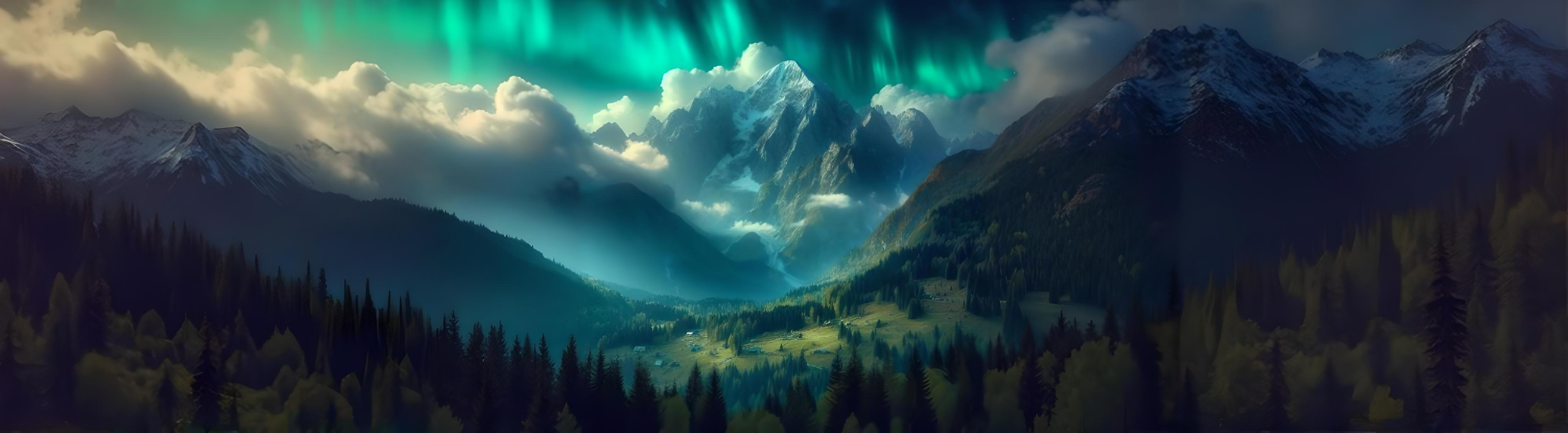
Blue Mountain
Archivist's Excerpt from: From Aikó to Ergospek: The Folklore & Legends of Interior North, South, & Every Which Way, Unabridged Edition, CVI 11.2 – 42:5
Although it is hardly limited to this region, the Blue Mountain is a myth central to the life and culture of Glassander. Although not considered accurate doctrine by their largely pagan/agrarian beliefs, the essence of the mountain is, unsurprisingly, a cornerstone of life on the mountain.
The myth itself is broad, more of a symbol than a story, an image of sovereignty, fate, the cycles and pageantry of nature, similar in Terior to the Green Man mythos of various Celtic groups on Exterior.
What's more is that Blue Mountain isn't even a specific mountain, various villages and tribes and nomads over the centuries all claiming ownership of Blue Mountain in regards to their own local peak along the Andernes Mountains, of which there are many.
As for the name, no known history remains, nor any explanation among any surviving folklore regarding the term "Blue" mountain. The oldest known reference to the myth and name comes from The Journey of Aikó, also long associating it with the Land of Living Rest, which is said to lie "Beyond" the Blue Mountain, whatever in blazes that means.
Historical Basis
Whether or not the Blue Mountain has any basis whatsoever in reality is wholly up to speculation. The whole high country of and around Glassander is entirely mountainous, as are much of the northern circles of Terior. As such, any number of peaks can be and have been credited with being Blue Mountain, and every tavern and pub in distance from each peak will fight to the last fist the right to call their mountain Blue Mountain. While it might do to say it's hardly worth fighting about, that sentiment is hardly popular in Glassander.
Spread
Despite the sparse and isolated origins of the myth(s) of Blue Mountain, its regional spread has been impressive, as references and variations have hailed as far as the southern hemisphere of Terior, all the way south of the Equatorial Sea.
Variations & Mutation
In distant regions, the myth takes on more of a generic sort of afterlife locale, or occasionally home-of-the-gods motif, and is generally less accurate to the original and less descriptive of the surroundings. The further out one explores, the further variations become regarding the The Journey of Aikó myth so closely associated with the mountain, yet the myth prevails, though is only so beloved in its home region, ans is treated as more of an anthropological curiosity elsewhere, because some people simply have no soul.
In Literature
The most common literary appearances of Blue Mountain are certainly attempts by would-be author types to make literary genius out of the The Journey of Aikó folk tale, an endeavour as sure to end in tragedy as all other attempts to transform folklore into contemporary literature or modernize it.
Beyond this, is does make some passing references in Shenda of Azure Stables by P.G. Onsomery, CVI 42.2, The Secret Warden by J.P. Flimins, CVI 42.2, and in Yipes Alive: The Curious Dietary Habits of Mammoks by Ordermane Lund, CVI 39.0.
In Art
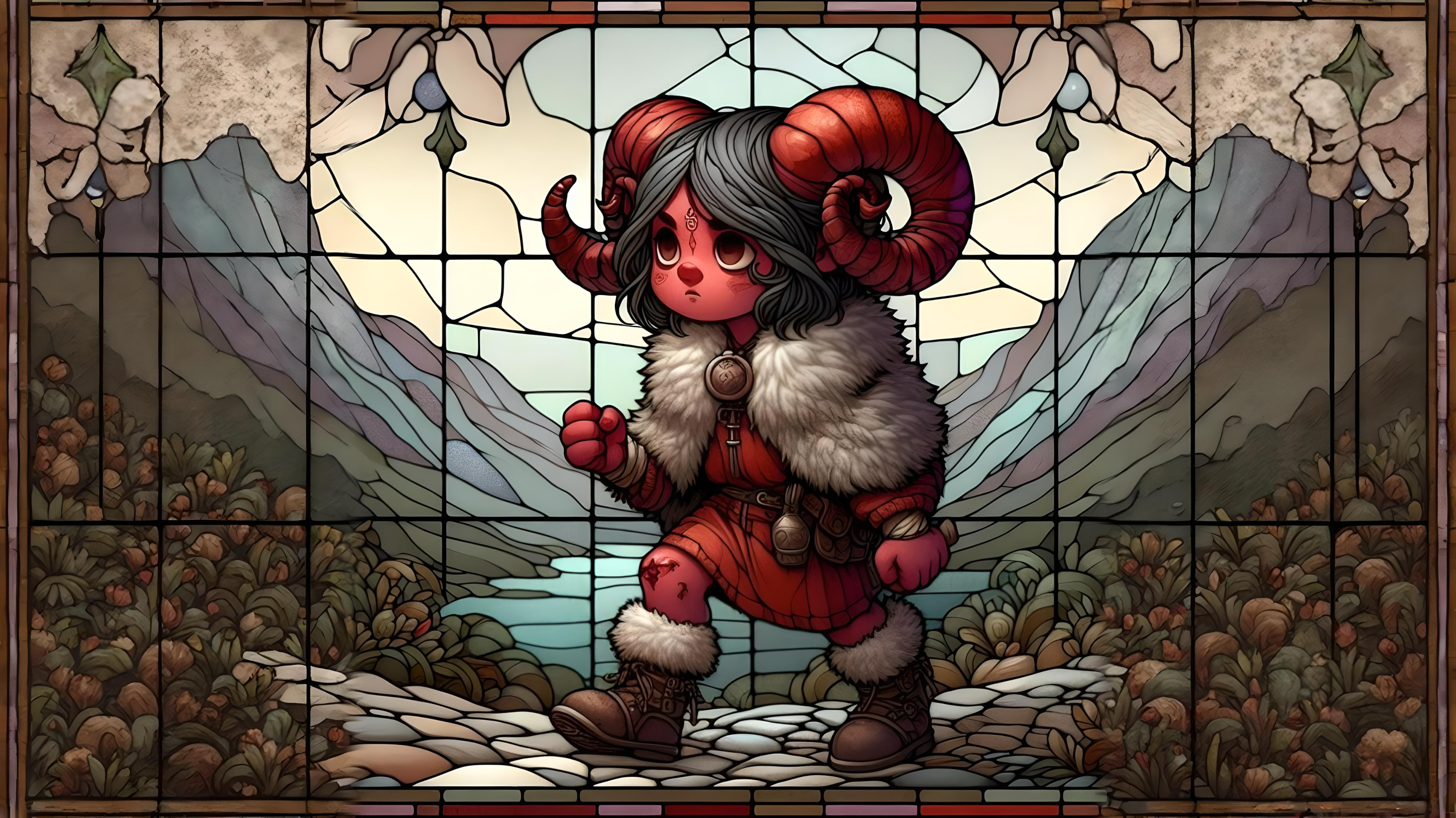
Given its associations, Blue Mountain is often illustrated in connection with visual depictions of The Journey of Aikó, most famously in the antiquated stained glass window still present in Old Hillhaven Church in Interhill, pictured below, though even this is not the only one. Blue Mountain is seen in the background of the artwork, as it often is.



Comments