
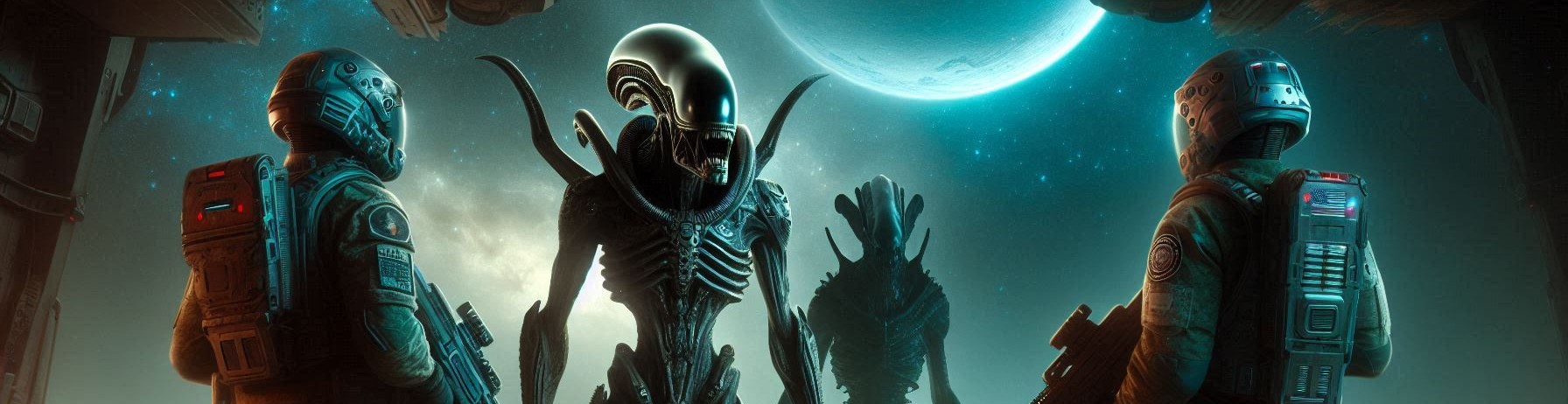
TYPES OF MUTATIONS
Mutations are broken down into four basic categories; Cosmetic, Deformity, Mental, and Physical Mutations. Both physical and psychic mutations are commonly referred to as beneficial mutations throughout this work.
COSMETIC MUTATIONS
The simplest and least genetically complicated mutation is a cosmetic mutation. A cosmetic mutation has no game effect other than to change a creature’s appearance in some fashion. Cosmetic mutations do not require deformities. A mutant with any template can select any number of cosmetic mutations.
DEFORMITIES
A mutant takes deformities to gain points in their Gene Pool which can be spent on purchasing beneficial psychic and physical mutations. Deformities are special disabilities or vulnerabilities that negatively affect a creature. Many deformities are difficult to disguise and make the mutant stand out from more common members of their race.
In addition to creating a Gene Pool to purchase mutations from the deformities presented in the Gravity Age: Mutants accessory can be used to counter balance retroviruses. When a character has more retroviruses than their body can handle it induces a deformity. For more information on retroviruses see “Gene Therapy”, in the Overview section of the Gravity Age: Bioware Emporium.
PHYSICAL MUTATIONS
Physical mutations grant the creature extraordinary (Ex) abilities in most cases. Creatures with physical mutations can benefit from a wide variety of advantages. Improved attack and damage rolls, saving throws, and skill checks are common. While others gain new movement types or defensive bonuses. Like deformities, physical mutations are often difficult to hide.
PSYCHIC MUTATIONS
Psychic mutations are usually super natural (Su) abilities awakened at birth or when the creature first becomes a mutant. Psychic mutations mimic the effects of spells and psionic powers. Other psychic mutations allow the creature to mimic abilities normally limited to specific classes. These abilities are easy to hide when not in use.
MUTANT ABILITIES
Mutant abilities operate like class abilities and are categorized similarly. In the description of each mutation the name of the mutation is followed by the type of ability it represents; extraordinary (EX) , spell-like (SP), or supernatural (SU).
Extraordinary Abilities (Ex): Extraordinary abilities are nonmagical, despite the fact that they’re not something just anyone can do, or even learn without extensive training. Effects or areas that suppress or negate magic have no effect on extraordinary abilities.
Spell-Like Abilities (Sp): Spell-like abilities are magical abilities similar to spells. Spell-like abilities are subject to spell resistance (see page 265) and do not function in areas where magic is suppressed or negated. Spell-like abilities can be dispelled.
Supernatural Abilities (Su): Supernatural abilities are magical but not spell-like. Supernatural abilities are not subject to spell resistance, but they don’t function in areas where magic is suppressed or negated. A supernatural ability’s effect cannot be dispelled.

Comments