
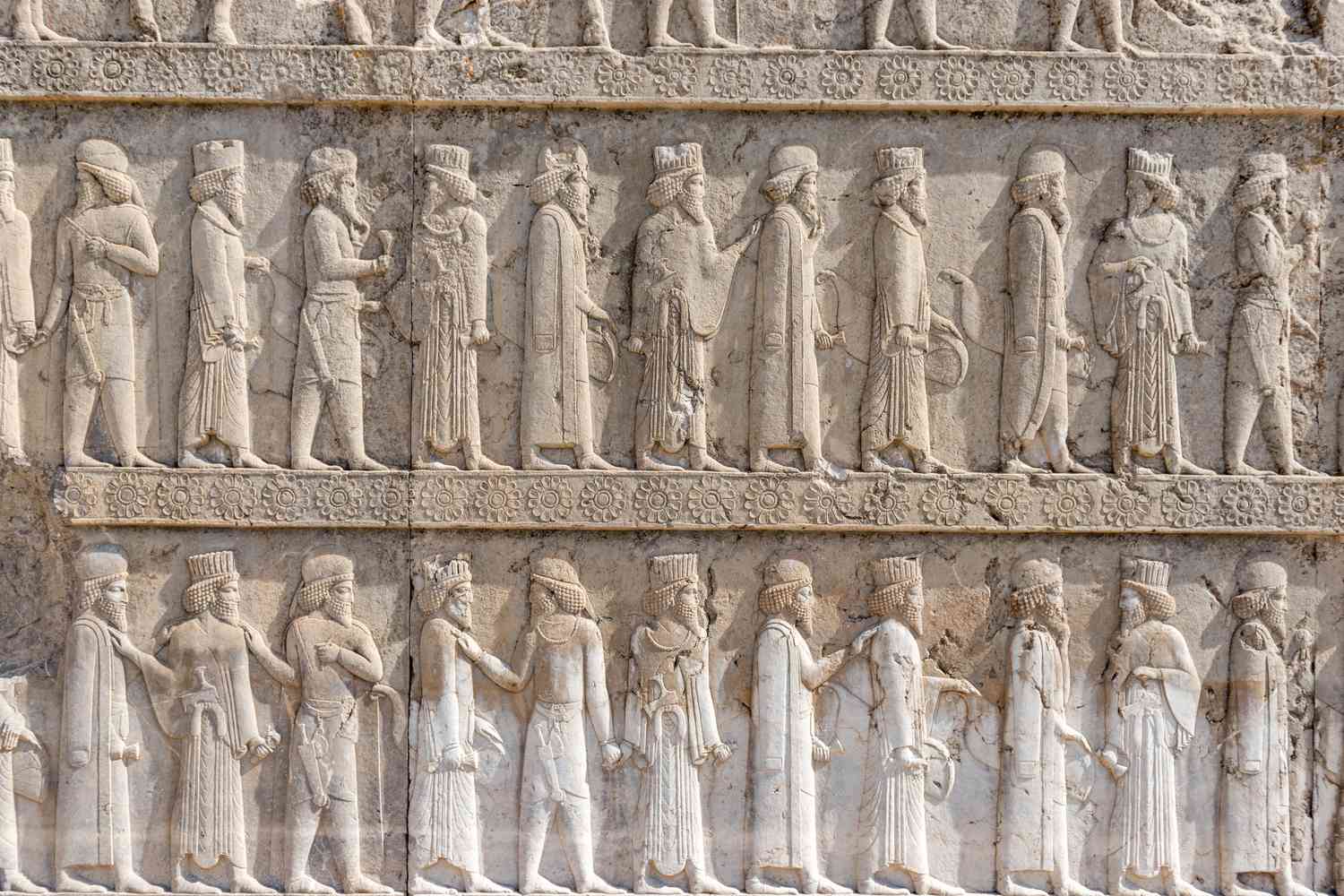
Satrap
I swear my allegiance and loyalty to you, Exalted One, I'll obey your commands and make the people respect and obey them, I'll carry on your will to the ends of my realm, and I shall seek to establish harmony, peace and prosperity through the land with wisdom and the help of the Gods. Then noble one, be my tongue, and my spirit, you'll carry on and fulfil my will in the lands you are about to rule in my name, take this staff with you, symbol of the authority I now grant you , may your governorship be beneficial for the empire and to my people!.
History
Early Arshakid Dynasty
With the unification of all the Seris lands and the birth of the Seris Empire, its first Emperor, Arshakes I created a series of reforms that set the foundations of the Imperial Administration for centuries to come. Among this reforms he eliminated the provinces and other administrative divisions that existed in the pre- Imperial Seris Kingdoms, creating new ones called Satrapies, headed by a Satrap, a governor he trusted, or a member of proven loyalty from that region. The satraps governed their regions with considerable autonomy, although once a year they had to go to the imperial capital, Sakouramish, to give an account to the Emperor and swear loyalty to him again. Their titles and positions were not theoretically hereditary, although if the Emperor believed the satrap's son was competent for the post, he could appoint him. There were also cases of families holding the position of satrap in a region for generations thanks to an imperial edict, it was the case for example of the Frataru family, which saw four consecutive generations of the family serving as satraps of the same province. During the latter Arshakid Dynasty most of the most prestigious satrapies were given to members of the Imperial family or from its cadet branches. These, in theory satraps, were given the title of marquis , and ruled their satraps for life though after their death, this territory returned again to the Imperial family who then could decide if given it to another member of the imperial family or give it to a "normal" non- imperial family related satrap. In 211 BP by an imperial edict, the satrapies were divided into smaller administrative units called prefectures, governed by members of the local aristocracy. This prefects formed the council of the satrap and answered to him, they were the responsible of carrying out the orders of the satrap in their respective districts . This form of administration survived until the end of the Arshakid Dynasty and was also adopted by the foreign Mervadid Dynasty in the Southern Provinces.Sittakid Dynasty reforms
With the replacement of the Arshakids by their Sittakid relatives, the new Dynasty began to centralize the government and this affected the Satraps and the Satrapy system, especially after the Seven Colour Ranks reform in 31 AP by Emperor Yuni which established a series of ranks in the court and the Imperial Administration . From then on, after this reform, only courtiers and nobles from the second (yellow) and third (orange) ranks could be appointed as satraps. Furthermore, prefects now had to be chosen from among bureaucrats of ranks 4 and 5, while the rest of the satrap's staff had to be composed of bureaucrats of ranks 6 and 7. Another novelty lay in the fact that all ranks had to pass the Imperial Examinations (previously reserved only for providing satraps and other government officials with staff to manage the Imperial bureaucracy) to obtain a position, whether as a satrap, prefect, or simply as a bureaucrat in the service of the Empire. With the annexation of the Southern Elven territories, three new satrapies were created with the novelty that, due to elven customs, women could take the exams and apply for positions in the bureaucracy of these satrapies. The only territory excluded from the system of Satrapies was the Seris Protectorate of the East which was permanently under military administration.Survival in the Yuutakid dynasty
Nowadays with the rise of the Namru class and the feudalization of most of the realm, the old Satrapies in most of the centre and south of the country have been divided between feudal lords, absorbing the powers of the satraps themselves and appointing the prefects and bureaucrats themselves. In the north however, in the lands still in hands of the Emperor and the Court, as well as the Elian League of cities, Satrapies and Satraps are still appointed like in ancient times, but now even taking on more military duties as the defence of the crown lands requires it.Duties of a Satrap
The Satrap rules the land he is assigned to on behalf of the Seris Emperor enforcing imperial laws and directives across the land. They have their own court, formed by the prefects and highly skilled bureaucrats who have passed the Imperial examinations that help them rule the country. Among their many duties are those of collecting taxes, being the supreme judge of the province, before whom any civil or criminal case could be presented, being the responsible of building the necessary infrastructure to ensure the development and welfare of the province and maintaining the order in their territories, defeating brigands or rebels and ensuring the safety of the roads. In times of war, Satraps can command the professional armies as well as raise the levies from the population in case of need. Both for this and for taxation he is also responsible for conducting the census of the inhabitants of the satrapy. In the late Arshakid dynasty some satraps who were in control of the mines and local mints issued coins with their portraits as well as the emperor’s portrait. These coins were inspired by Ikarian designs and it's very plausible that the satrap used Ikarian artist to create the portraits. Satraps, however loyal they may be, are always under the watchful eye and supervision of the inspectors sent by the emperor each year, and by his own secretaries, also appointed by the monarch. If the emperor is not happy with the way they are ruling the land, or if he finds some indication of corruption, they are usually removed and punished in the most severe of cases.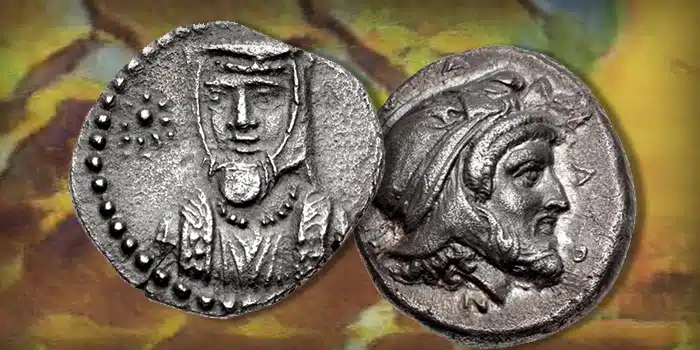
Regalia and Symbols of power
The most distinctive and characteristic element of a Satrap's regalia is its hat, called "Kärpish" in Seris. From the Arshakids up to the Late Sittakid dynasty this was a turbant like hat with a diadem . The colour of the Karpish was Yellow during the Arshakid dynasty but after the Seven Colour Ranks Reform was either yellow or orange depending on the court rank of the person who was the satrap. Late on satraps also began to wear tall rounded hats similar in shape to those worn by Blatian courtiers at the other side of the Suris Strait. Satraps also wear a long tunic made of silk and a long coat with sleeves, whose collar was lined with leopard skin. Another, really important element of the satraps regalia is their scepter or royal staff, decorated at the top by the figure of a phoenix or the Primordial Dragon made of jade or gold. This staff is given by the emperor itself when he appoints the new satrap and it's the symbol of his authority as representative of the Emperor, ruling on his behalf. When a satrap is dismised from his position or dies, the staff has to be returned to the Emperor symbolizing the returning of power to the rightful and true ruler of the land.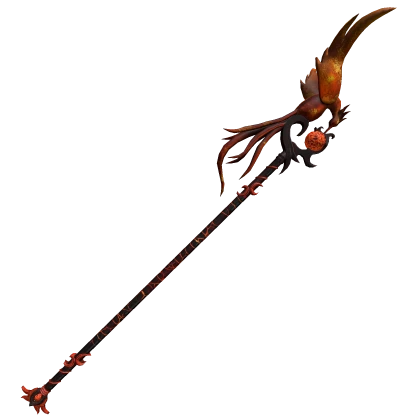
Type
Civic, Political
Source of Authority
Imperial appointment
Length of Term
For life or until the Emperor recalls him to the court
Reports directly to
Related Organizations

I like the sound of their hats. It's interesting how those eligible to be a satrap have changed throughout the years.
Explore Etrea | WorldEmber 2025
Thanks so much as always, Emy!! If I've time I want to draw a satrap with their hat!