

Dark Tuning
Dark Tuning is a metaphysical condition that develops when an individual becomes attuned to the force known as the Dark, not through biological infection but via cognitive and existential exposure. Transmission does not occur through air, water, blood, or physical contact; rather, it spreads through mechanisms such as attention, intention, and recognition. Prolonged exposure to Dark-saturated environments, participation in rituals, whether intentional or incomplete, contact with Dark-resonant artifacts, or extended proximity to an already Tuned individual during periods of active manifestation can all serve as vectors. The condition becomes infectious only after attunement, at which point the affected individual unconsciously radiates resonance that can draw others into alignment, particularly those who fixate on, fear, or seek to understand the Dark.
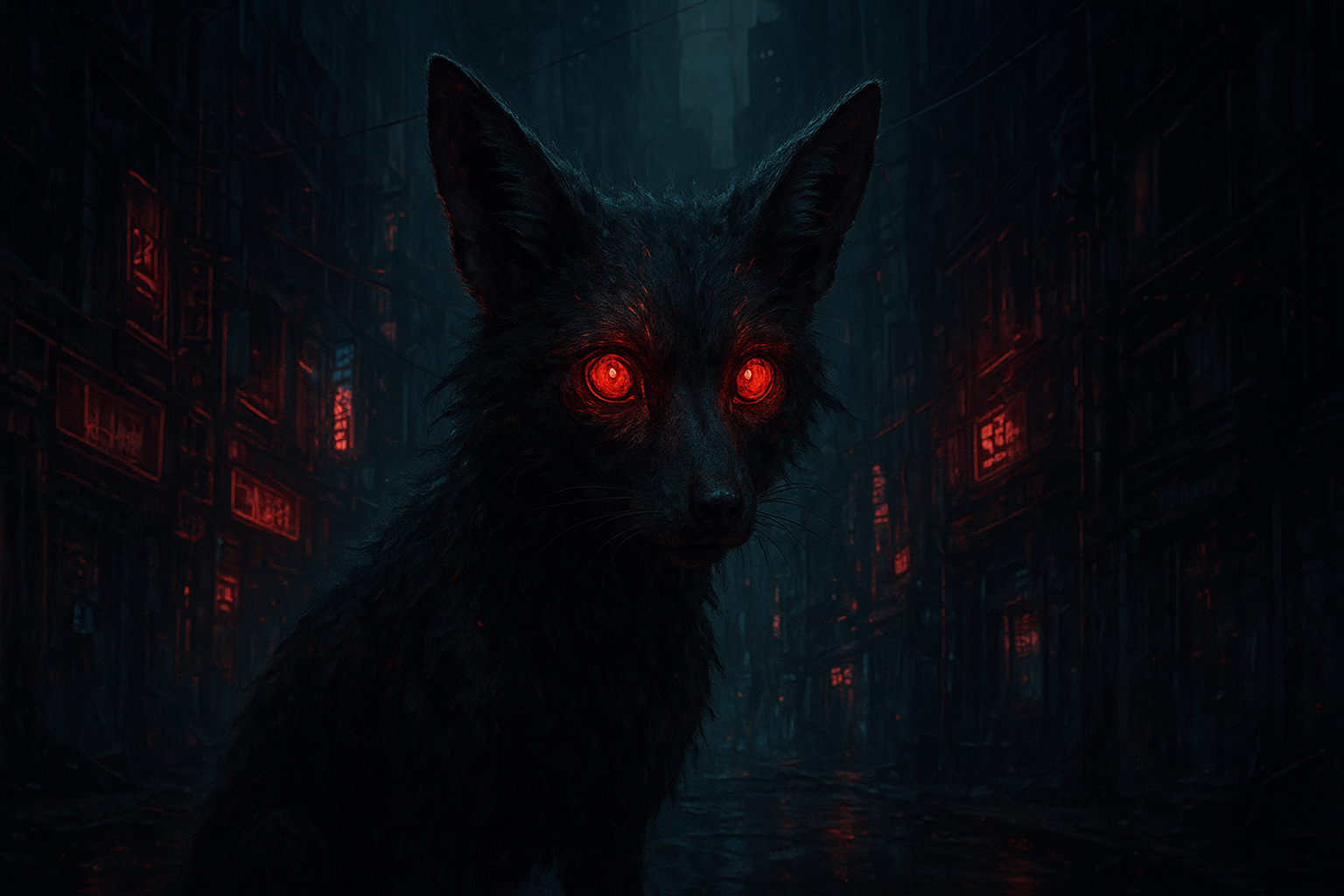
Dark Tuning is triggered by a moment of psychic alignment, typically arising during periods of despair, obsession, desperation, or hubris. Environmental factors are significant, particularly in locations where metaphysical boundaries have weakened, such as ruins, disaster sites, abandoned infrastructure, and places marked by unresolved endings. In these settings, the Dark is not so much an invading force as one that is recognized by the individual. Following this recognition, separation becomes increasingly difficult, as the mind functions as an interface for the Dark’s expression.
Symptoms of Dark Tuning initially manifest subtly during the early tuning phase. Affected individuals may experience heightened perception in low light, intrusive thoughts described as pressure or weight, emotional flattening, inappropriate calm, and distortions in time perception. As the condition advances to the resonance phase, both physical and mental symptoms intensify. Shadows may distort unnaturally around the body, skin may feel cold without external cause, and whisper-like, nonverbal auditory hallucinations become common. Social withdrawal increases, secrecy becomes compulsive, and the individual demonstrates increased effectiveness in Dark-adjacent phenomena. In the late manifestation phase, physical anomalies may develop, including elongated or autonomous shadows, aversion to light, and localized spatial warping. Identity erosion, fixation on endings or thresholds, and instability of reality in the immediate vicinity are frequently observed.
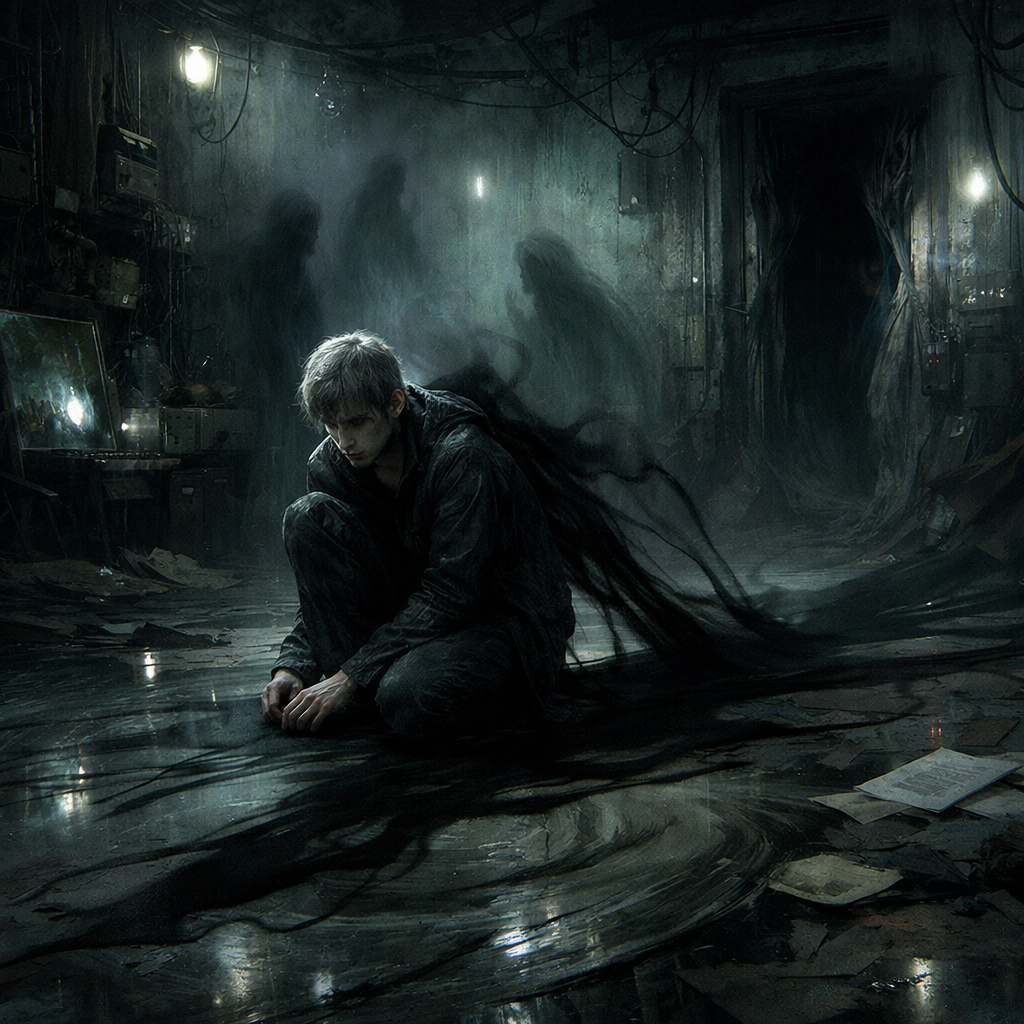
No definitive cure exists for Dark Tuning; only mitigation or suppression is possible. Treatment generally involves hazardous and costly ritual grounding, cognitive anchoring techniques to reinforce identity and memory, and the use of containment artifacts that deteriorate over time. Removal from Dark-saturated environments and narrative severance, which entails destroying the meaning the individual assigns to the Dark, may slow progression but often results in severe psychological harm. Access to these interventions is typically limited to occult institutions or clandestine organizations, and the probability of success declines significantly once the resonance phase is reached.
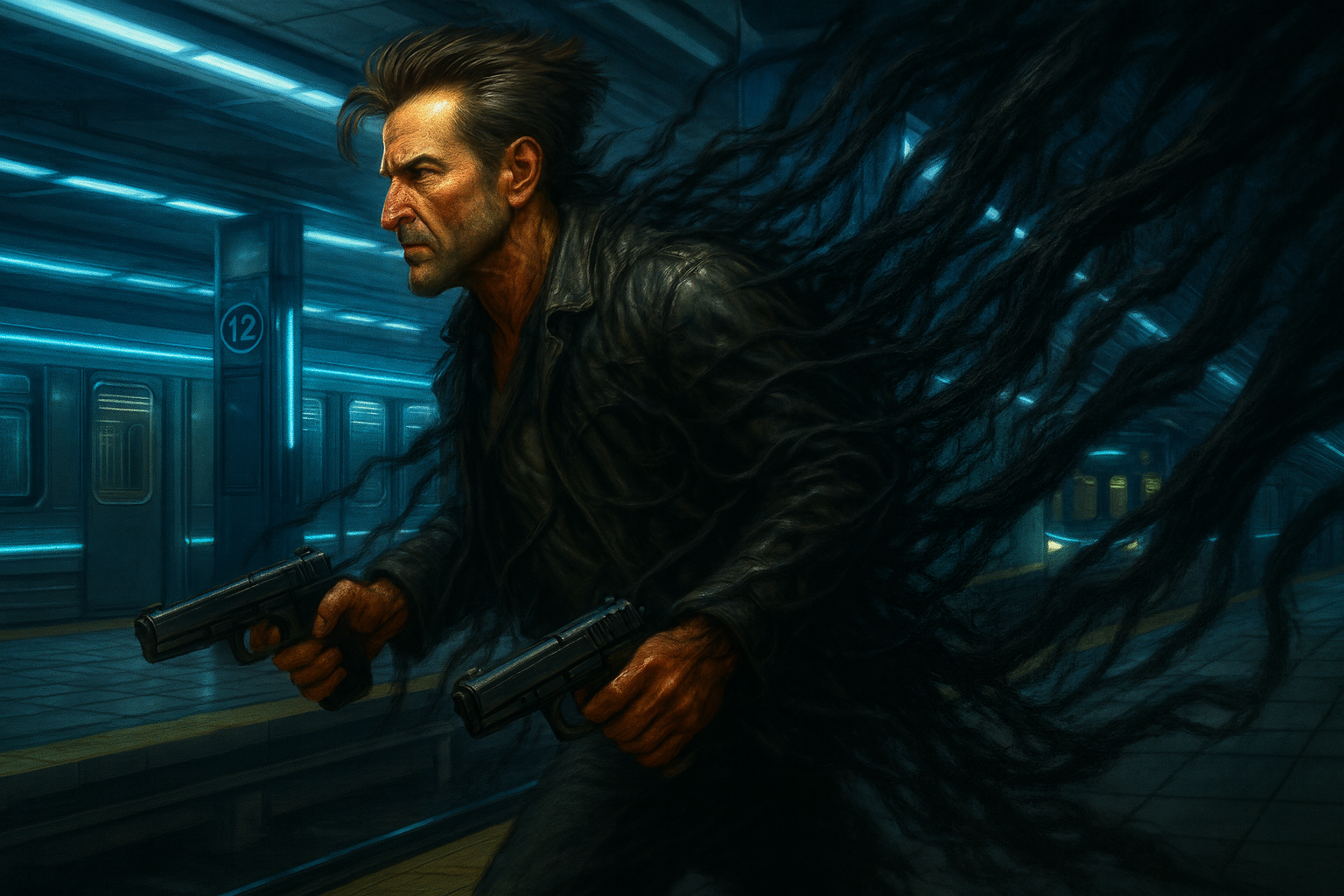
The prognosis for individuals Tuned to the Dark is poor. In the earliest stage, reversal is theoretically possible with extreme intervention. During the resonance phase, only partial suppression is achievable, and in the manifestation phase, the condition is regarded as irreversible. Outcomes include psychological collapse, permanent metaphysical alteration, transformation into a stable Dark anchor, or, more rarely, complete dissolution of the individual’s physical or narrative presence. Although Dark Tuning is not invariably fatal, survival often entails significant loss of identity or autonomy.
Sequelae are frequent among survivors and include chronic dissociation, permanent reduction in emotional range, increased vulnerability to other metaphysical conditions, and persistent spatial instability in inhabited areas. Even individuals who are successfully suppressed may contaminate locations over time, resulting in zones of weakened reality or subtle Dark resonance.
Prevention emphasizes avoidance and resilience rather than immunity. Protective amulets and wards provide limited defense and depend primarily on symbolic significance rather than inherent power. Psychological resilience training, rigorous ritual hygiene, avoidance of Dark-adjacent environments, and strong social connections all reduce susceptibility. No vaccine or absolute safeguard exists, and even well-protected individuals may be affected under extreme circumstances.
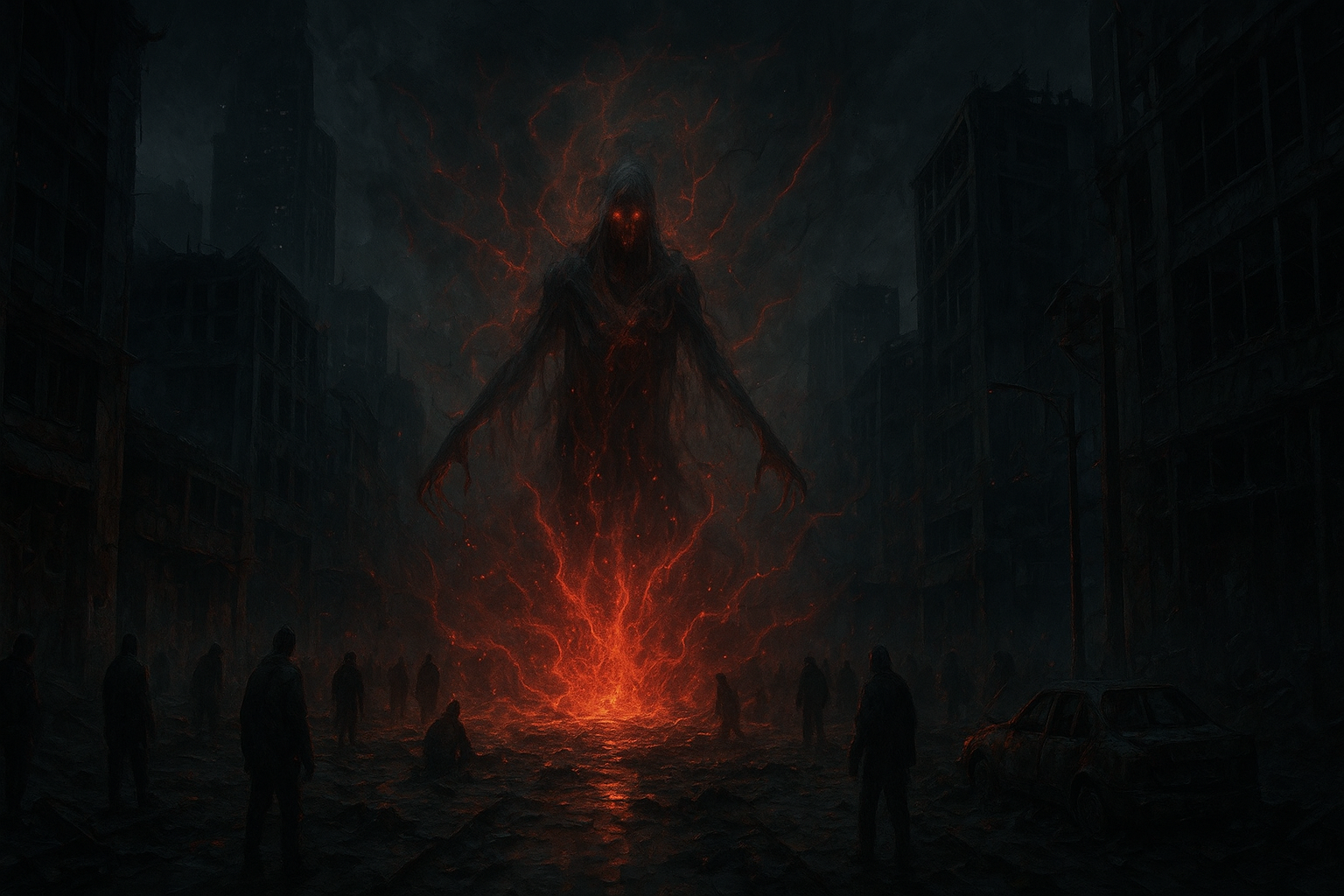
From an epidemiological perspective, Dark Tuning spreads slowly and irregularly, clustering around traumatic events and areas of metaphysical instability. Outbreaks are frequently linked to urban collapse, mass displacement, failed large-scale rituals, or cultural fixations on nihilism and endings. Epidemic-level events arise when Tuned individuals congregate or are deliberately exploited, while full pandemics are rare but highly destructive.
Culturally, individuals affected by Dark Tuning are widely feared and often ostracized. Secret organizations exploit them, nihilistic cults revere them, and authorities typically opt for erasure or containment rather than treatment. Public sympathy is uncommon, and victims are more frequently regarded as hazards than as individuals requiring assistance.
Certain groups exhibit greater vulnerability, particularly individuals experiencing prolonged stress, those working in isolation, urban explorers, occult practitioners, disaster responders, and people with obsessive or deeply introspective tendencies. No genetic predisposition or immunity has been identified, and the condition affects all sexes and body types equally.
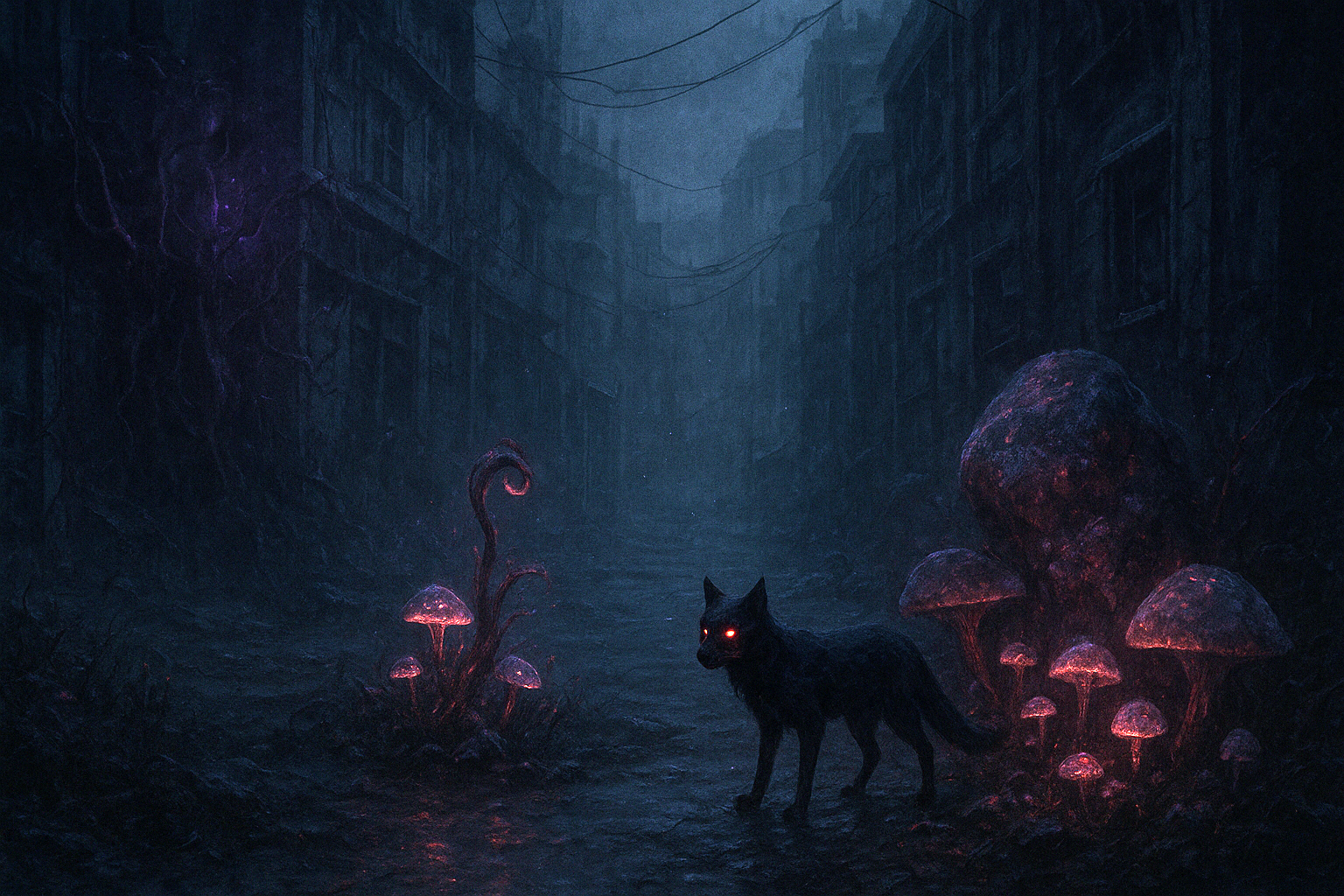
Only sentient minds can host Dark Tuning, although some fauna and flora serve as carriers of resonance. Nocturnal animals in Dark-saturated zones may amplify the Dark without experiencing degradation, while certain fungi and lichens retain Dark resonance and are occasionally harvested for rituals at significant risk. These organisms do not suffer from the condition but contribute to its persistence and spread within the environment.



Comments
Author's Notes
This article was written in response to the Unoffical Challenge
Generic article
| Dec 4, 2025
Mixing symptoms 4
For this challenge, I chose the following symptoms: 1. Altered mental status, 2. Failure to notice the passage of time and 3. Mood shift.