“It does not want your life. It wants your hands to take it.”
— Excerpt from the journal of field medic Nareth Korrin
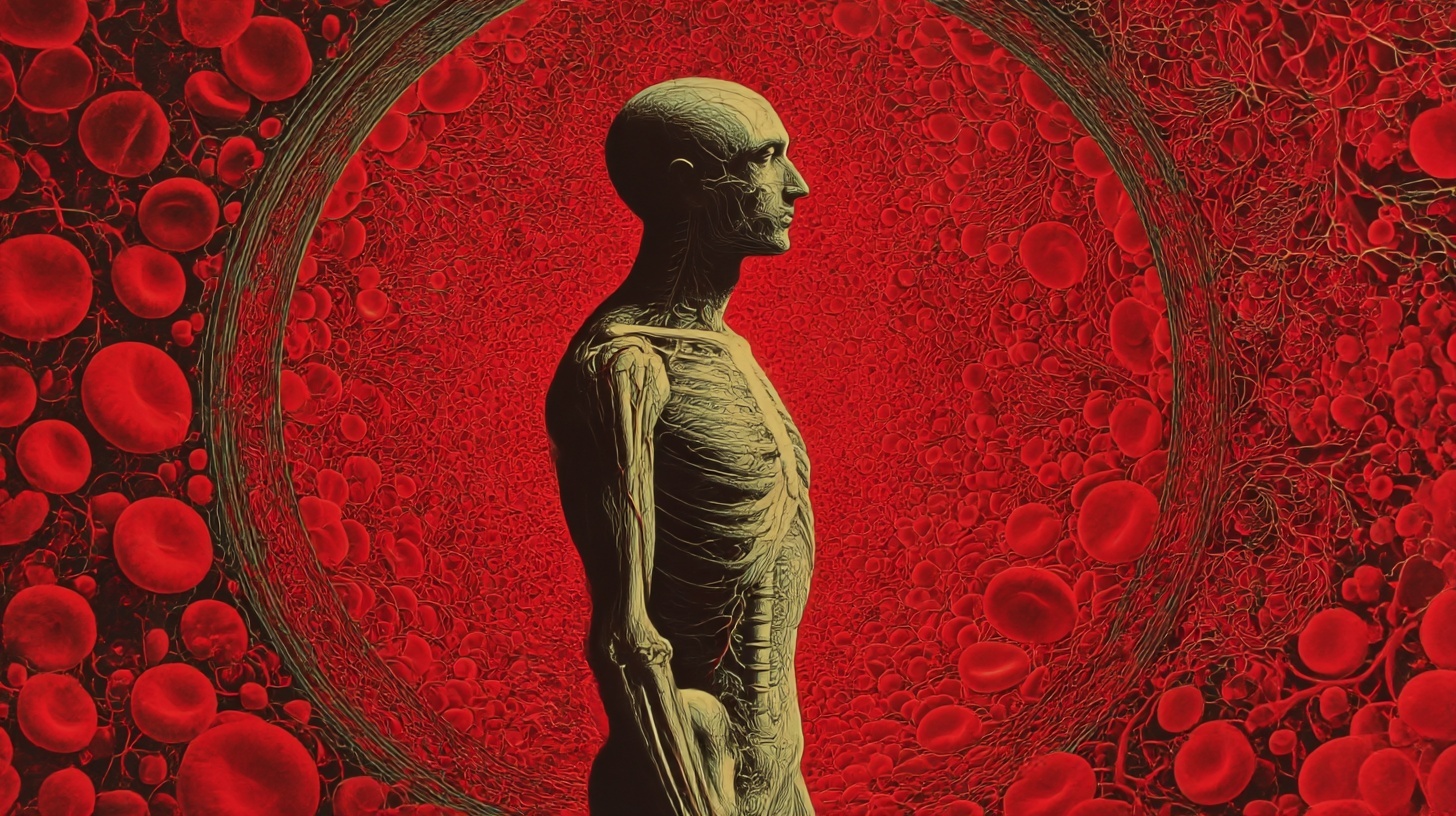
It begins as fever and ends as frenzy. The Hunger Beneath is a prion sickness that burns through the brain until the body no longer understands what it is. It strips away the barriers between thought and instinct. The first sign is scratching. The next is tearing. In the end there is nothing left but the need to be rid of oneself. No curse. No magic. Only a disease that turns survival into self destruction.
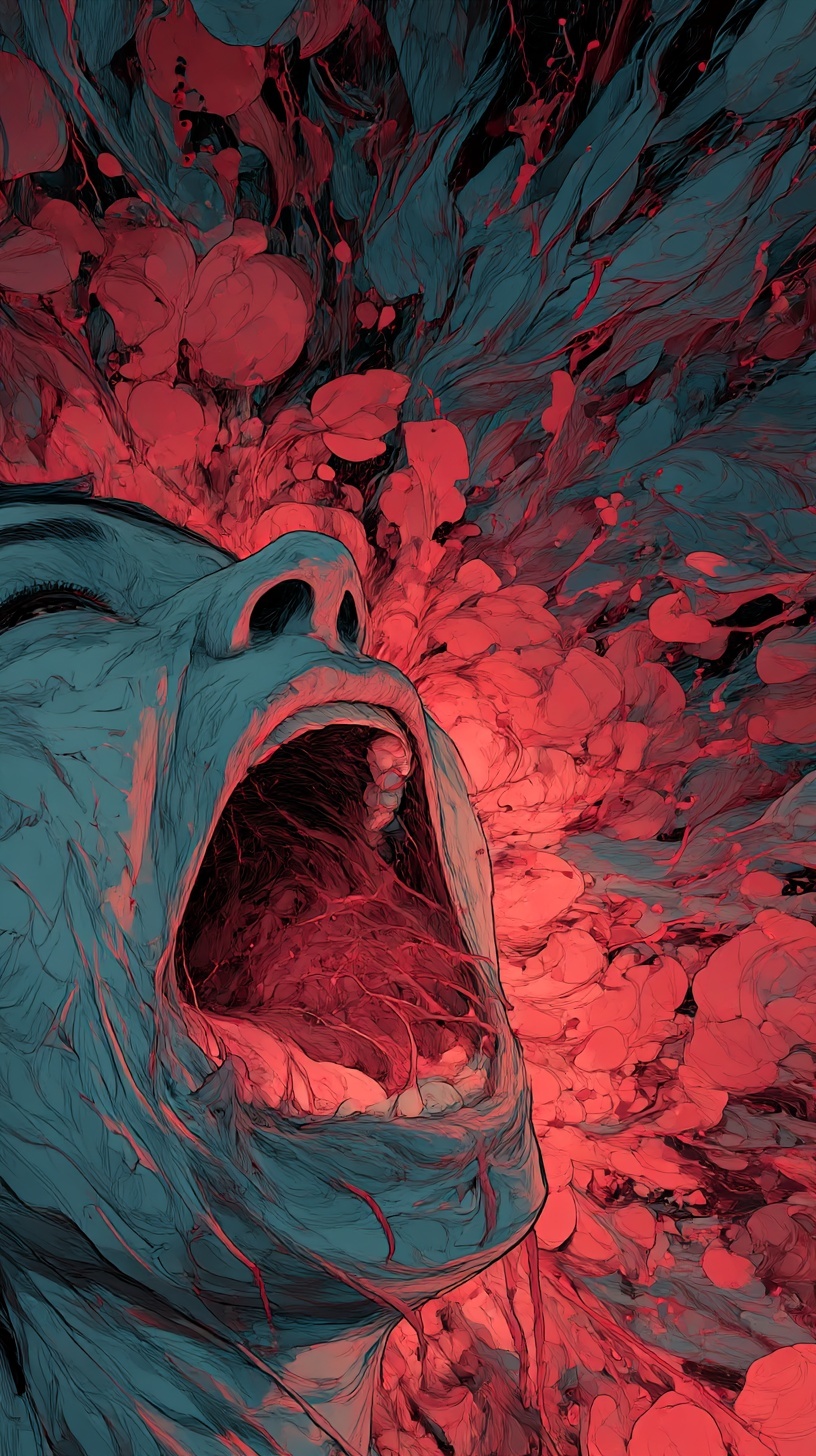
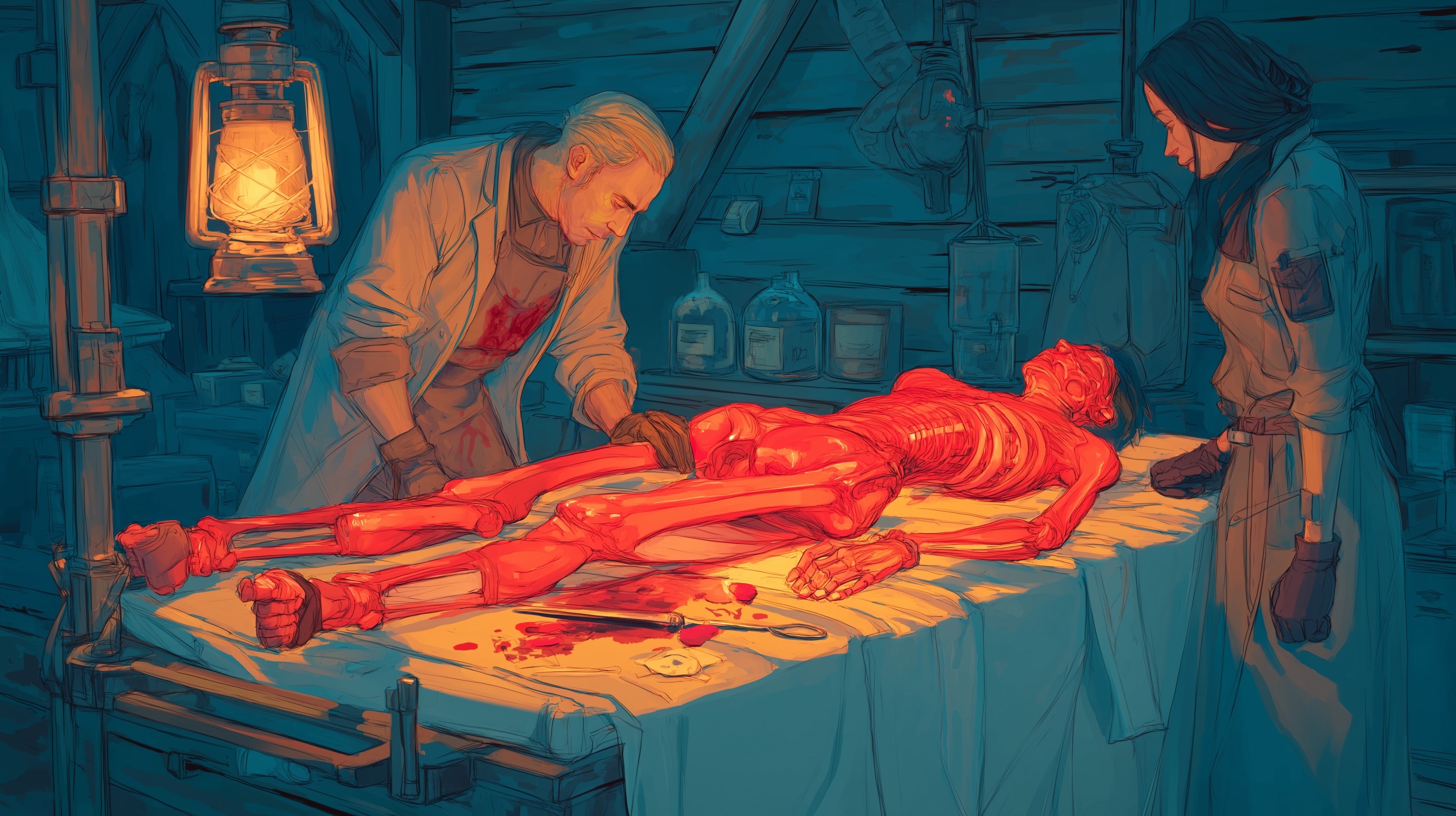
Healers describe the sound first. Nails on skin. Teeth on bone. The victims do not cry out. They hum, whisper, or laugh as they work. They speak to what they think is inside them and beg it to come out. The body obeys. Layers of flesh vanish. Tendons snap. The heart races and then stops. It happens in hours, not days. When it is done, there is almost nothing left to bury.
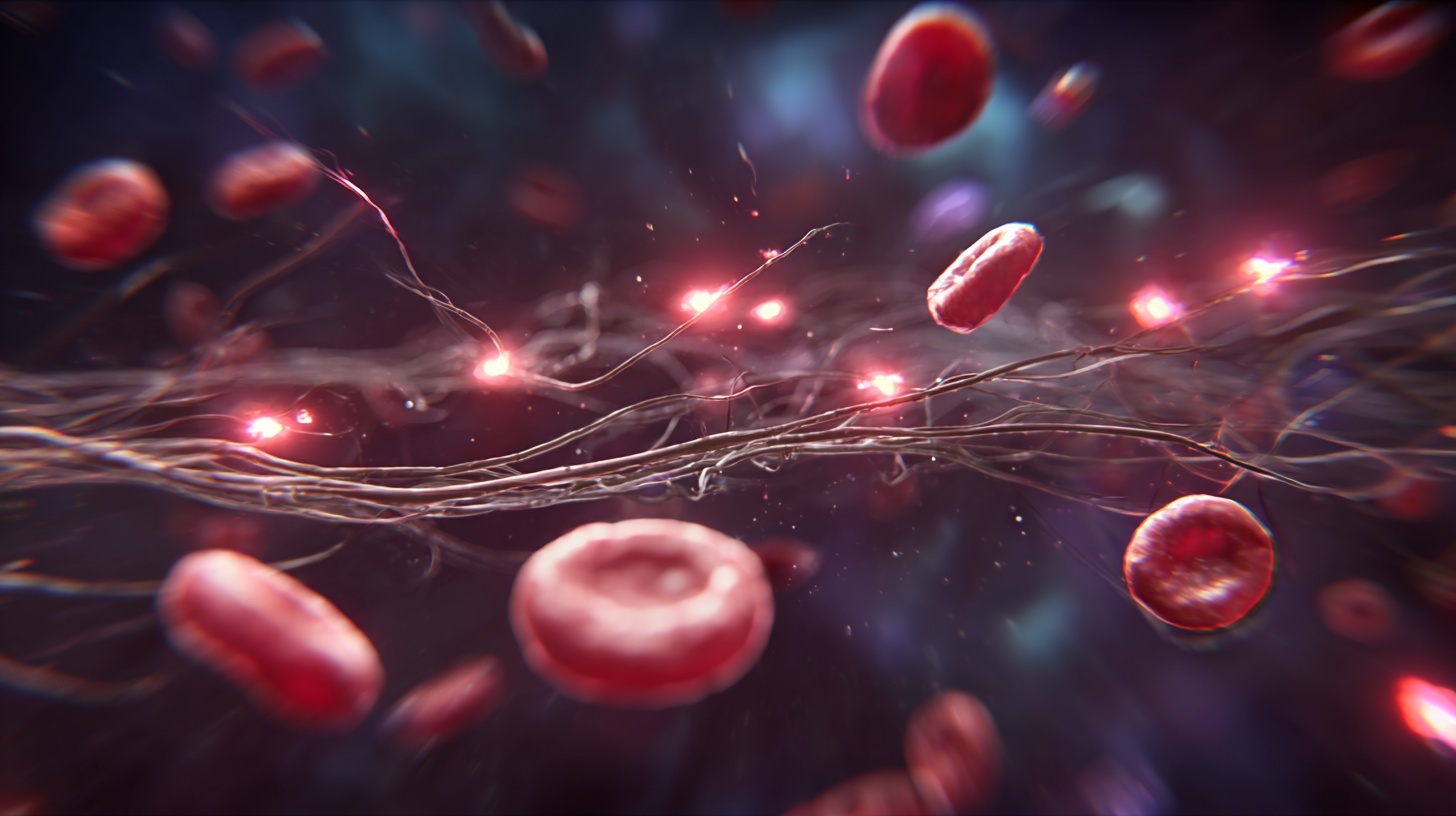
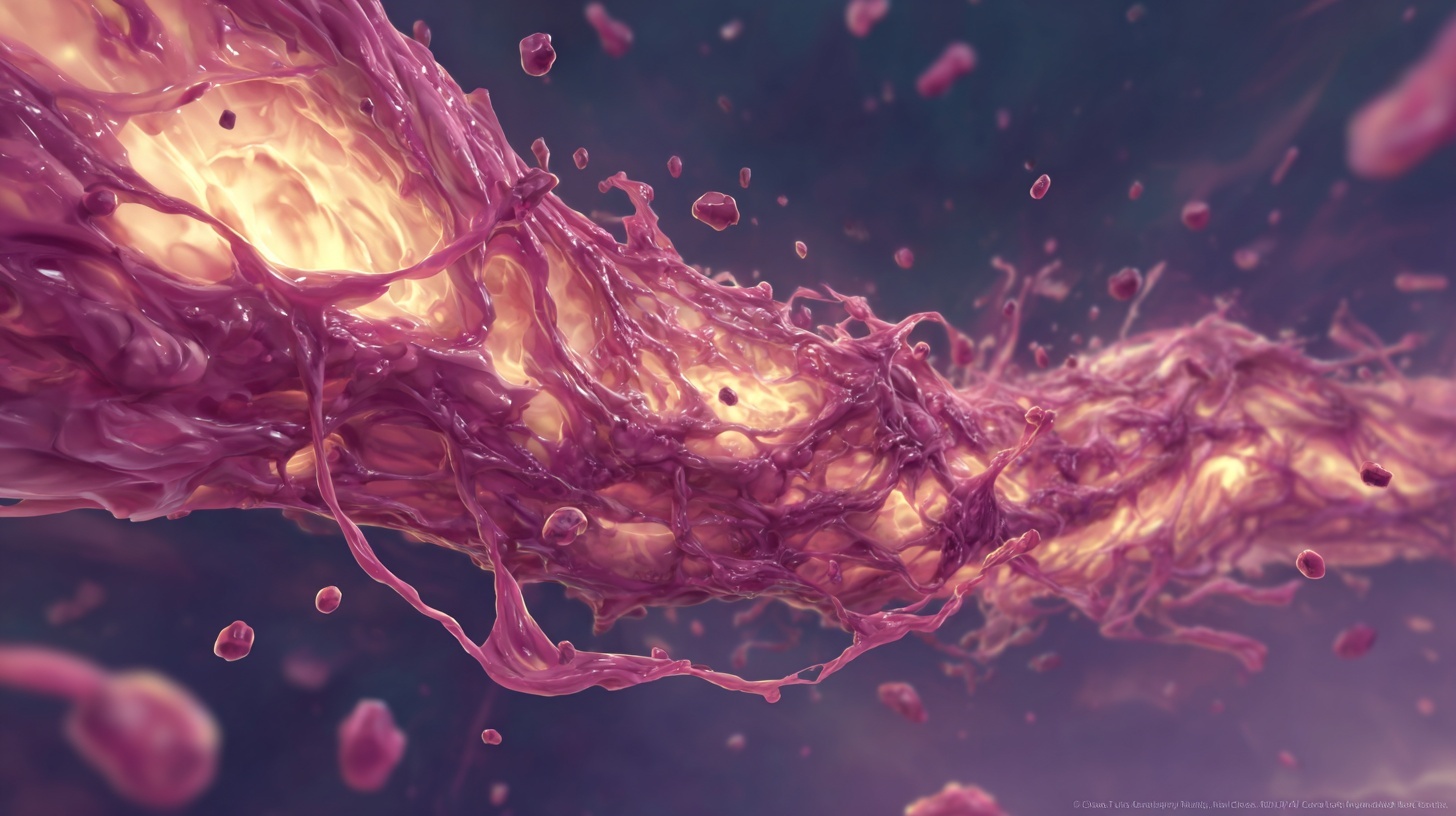
The prion hides in soil rich with rot, in the remains of beasts and people that died badly. It endures heat, cold, and time. Once it finds a nervous system it feeds on protein and electricity. The brain begins to misfire. Hunger, pain, and pleasure collapse into one signal that burns through every nerve. The disease spreads fastest through blood and saliva. A single bite can carry enough to end a life.
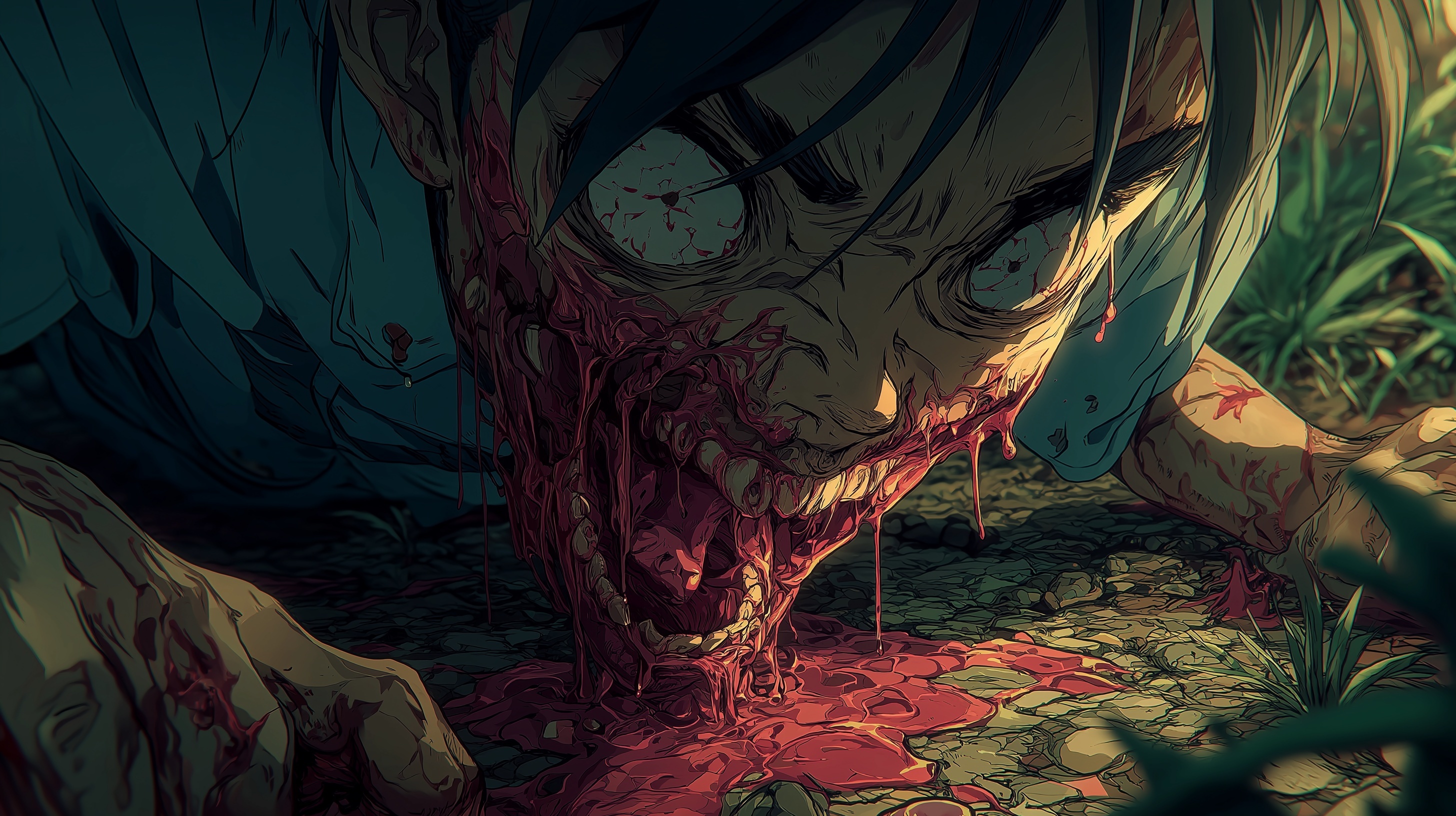
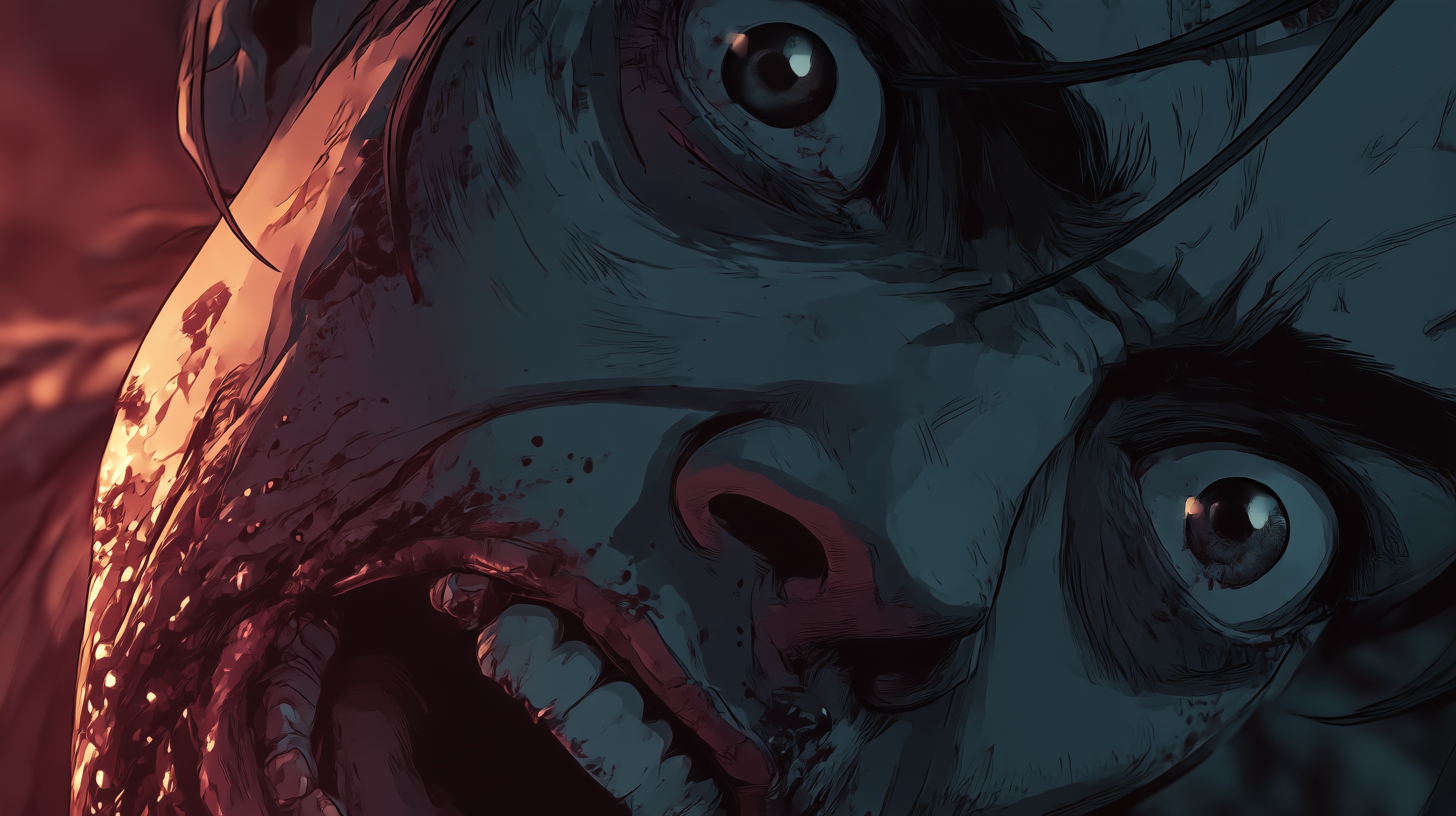
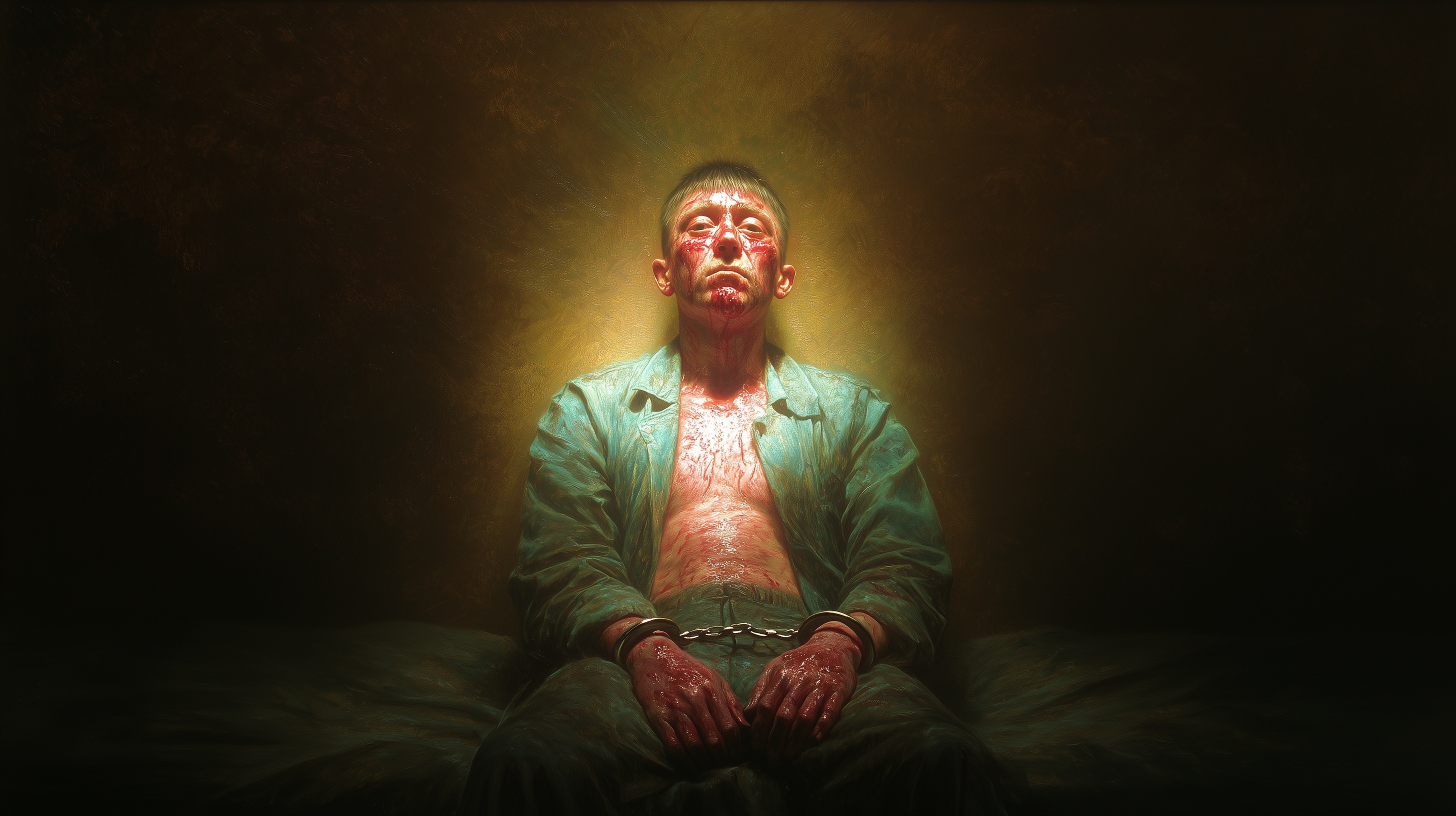
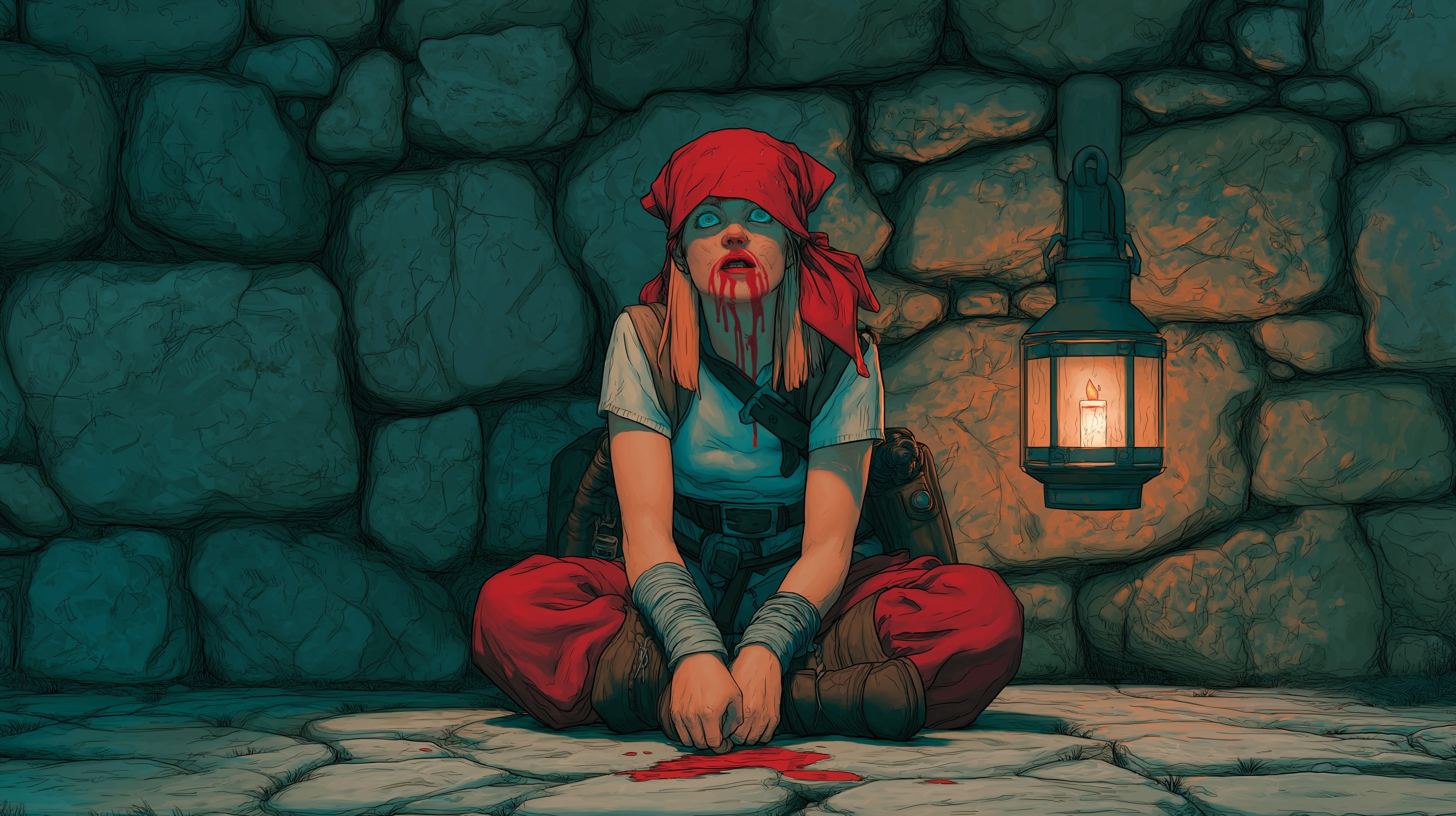
At first the fever looks like any other. Tremors. Sweating. Confusion. Then the eyes go wild and the mouth floods with blood. The infected cannot rest or reason. They claw until they bleed, then keep clawing. When restraint is used, they bite. When gagged, they choke. They tear open veins and throats with bare hands. The strongest last the longest. The final act is always the same. The chest caves in. The heart is gone.
Nothing cures it. Magic fails. Prayer fails. The disease does not answer to life or death. The only protection is distance and fire. Healers burn the bodies and the ground they stood on. Anything less is a lie. Those who handle the remains wear masks and gloves soaked in vinegar and oil. They do not stay long. The smell of blood on stone is enough to make anyone doubt they are still whole.
Records show it flares wherever blood has soaked into the soil. Battlefields. Slaughterhouses. Tombs. Even places where beasts have torn one another apart. The prion waits until new blood wakes it again. It has no purpose beyond repetition. It kills because killing is what it remembers.
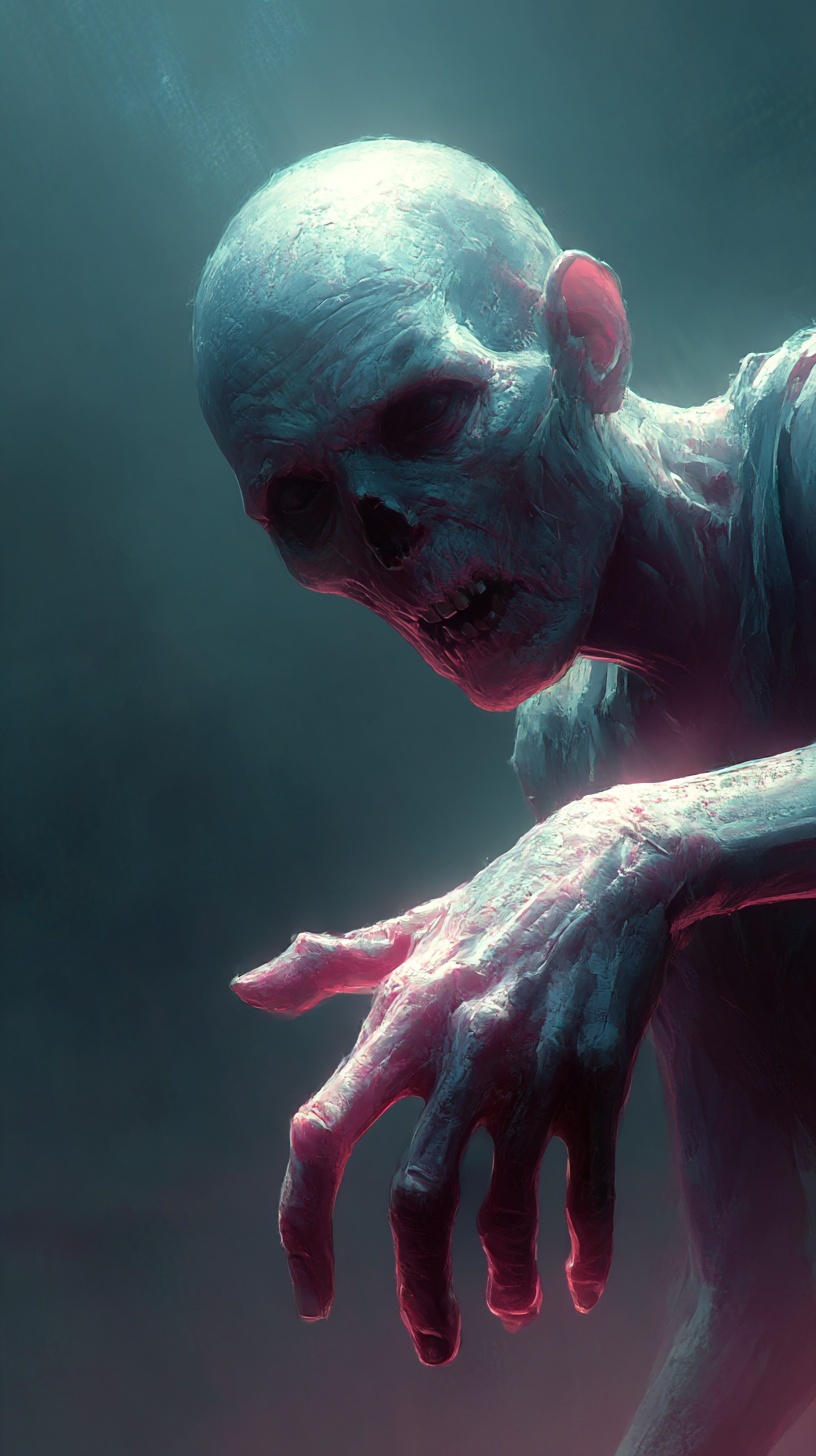
Those who have seen it say the worst part is not the screaming. It is when the noise stops. The victims sit still for a few seconds, head tilted as if listening to something deep inside. Then they smile. That is when you run.
“It moves faster than mercy. A drop of blood, a breath, and you are already dead.”
— Quarantine officer Ralden Vesk
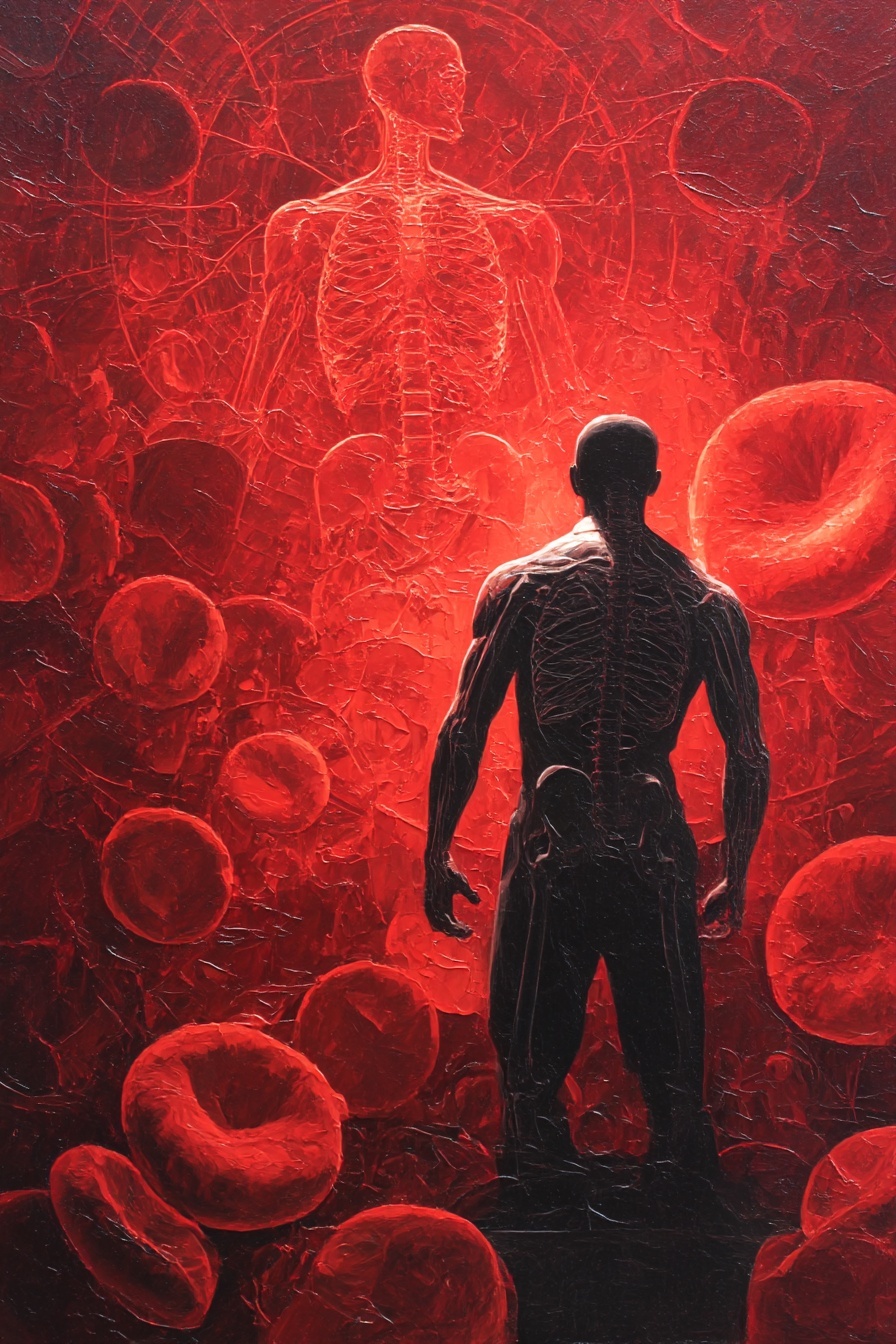
The Hunger Beneath spreads by blood and contact. A single drop is enough. When the flesh breaks, the prion moves. It can pass through a bite, a cut, or the handling of infected remains. The blood of the dying carries the highest load, followed by saliva and brain tissue. The disease is not airborne. It cannot live in clean air or flowing water, but it endures on dry skin and metal for days. One careless touch can bring it to life again.
Animals catch it first. Rats. Dogs. Carrion birds. Anything that feeds on the dead. Their madness looks like rage until they start to eat themselves. The disease jumps to people who handle carcasses or clean battlefields. It spreads fastest where the dead are piled high and burned late. Butchery, burial, and war are the three roads that lead to it.
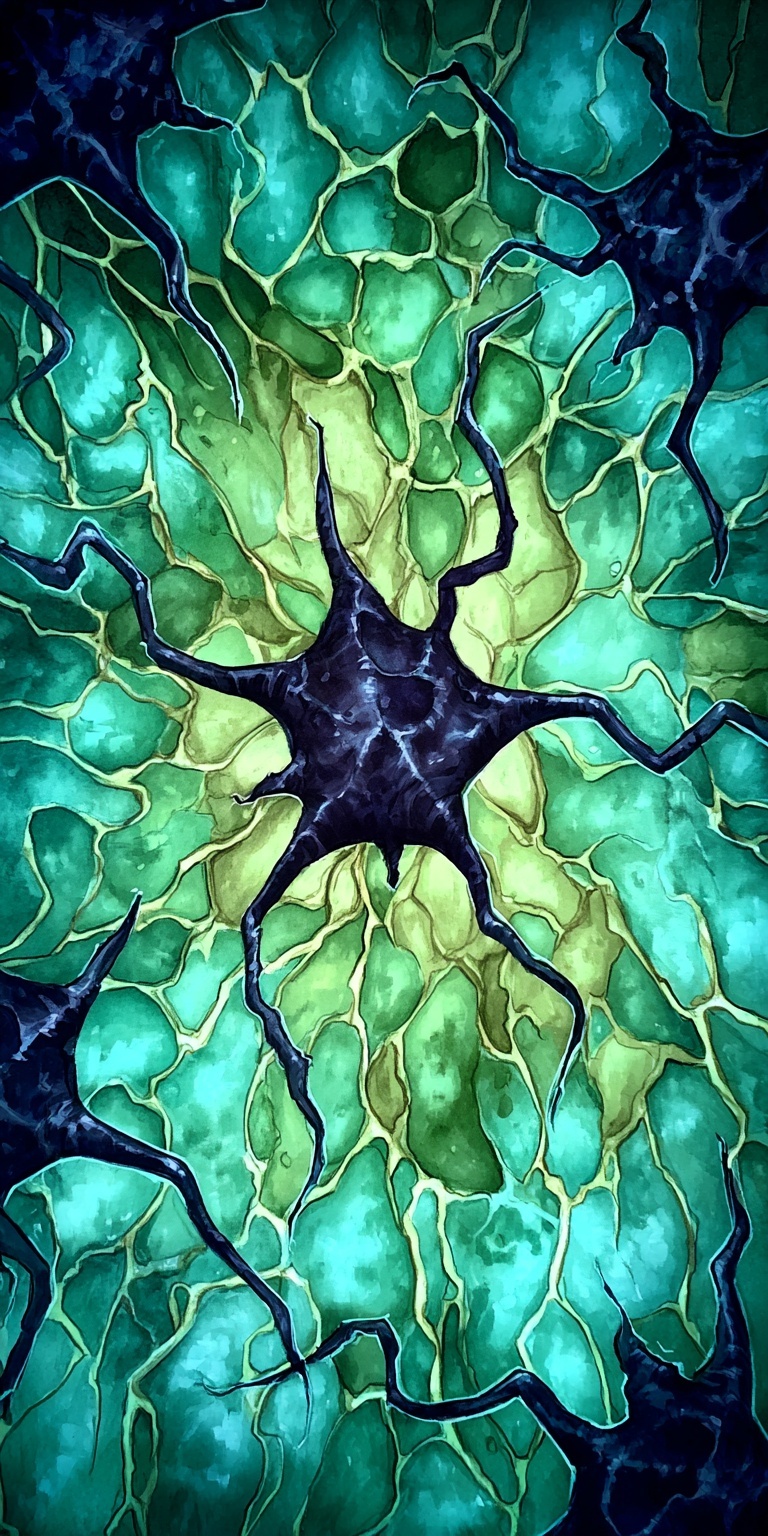
Once in the body it travels through the bloodstream and into the brain. The change begins behind the eyes. The infected cannot think clearly or sleep. They feel a constant heat under the skin, an itch that grows until it becomes command. The impulse to bite or tear is not contagious thought. It is mechanical, written into nerves that have forgotten their order.
During the frenzy stage the danger rises. Blood sprays, bites land, and anyone nearby risks exposure. The infected do not seek to spread the disease. They act out of pain. The prion does the rest. It rides the droplets of blood and saliva into new hosts. Healers call this the red hour. Once it begins, there is no containment but death.
The disease does not travel far on its own. A dead host dries out and becomes safe within a few days. The real danger comes from the living who flee. A traveler bitten on the road may not fall ill for several days. By then they are far from the source and ready to start it again.
In quiet times the Hunger Beneath sleeps in soil and dried blood. It wakes when the ground is soaked again. A single wound opened in the wrong place can feed it. It waits in the cracks of old battlefields and the cages of slaughterhouses. It waits in the stains no one remembers. When the air grows thick with the smell of iron, healers seal their doors and light their fires.
“One mistake in the flesh, and the whole body remembers how to die.”
— Notes from the Estanian Royal College of Medicine, restricted archives
The Hunger Beneath begins in protein. A single strand folds wrong, and that mistake teaches others to follow. No parasite, no fungus, no breath of curse. Just a message written in flesh that tells the body to eat itself. Scholars first found traces of it in the marrow of slaughtered beasts left too long in the heat. The same pattern appeared later in the brains of infected soldiers. It spreads because the body keeps teaching the error forward, a chain of wrong instructions that ends in ruin.
The prion is small enough to survive fire, acid, or rot. It has no scent or taste. It lies in dried blood and brain tissue for years without changing. When it enters a new host, it follows the nerves like a map. It settles in the spine and climbs toward the skull. Once it reaches the thalamus, the brain can no longer tell hunger from pain or fear. Every nerve fires at once. The body moves on instinct alone.
Healers believe it was born in places soaked with blood and heat. Some think lightning fused it from the marrow of the dead on old battlefields. Others think it came from a sickness in the herds before the first cities rose. There is no proof, only the fact that the ground in those places still kills faster than any weapon.
The environment decides where it endures. It does not live in running water or open wind. It thrives in dryness and salt, in soil darkened by decay. In hot seasons it lingers longer, and even ash can carry it if the fire burns low. This is why the pyres for the infected burn day and night and why no one leaves until only white ash remains.
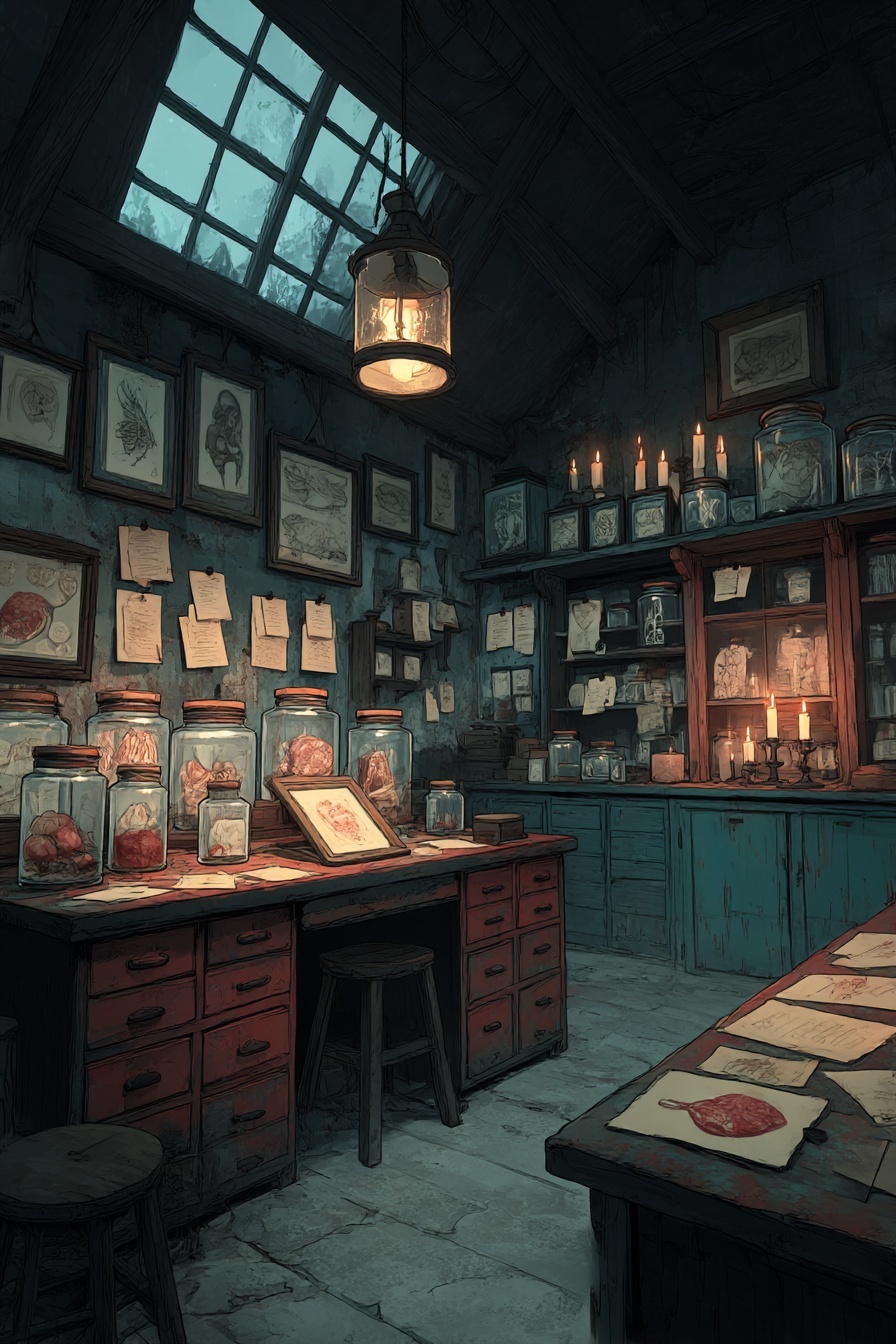
Some scholars once tried to grow it in controlled study. None survived. The prion outlasted their wards and turned their blood to powder. The chambers were sealed in stone and marked with nothing but a single warning etched above the door. Do not open for any reason.
Every few generations a new theory rises. That it came from demons, or from alchemy, or from the blood of gods. The truth stays the same. The Hunger Beneath is not born of will or intent. It is the shape of hunger itself made real. It does not need reason to exist. It only needs something warm to remember it.
“They don’t scream. They work. They work until there is nothing left to fix.”
— From the statement of Sister Maeren, witness to the Red Hall outbreak
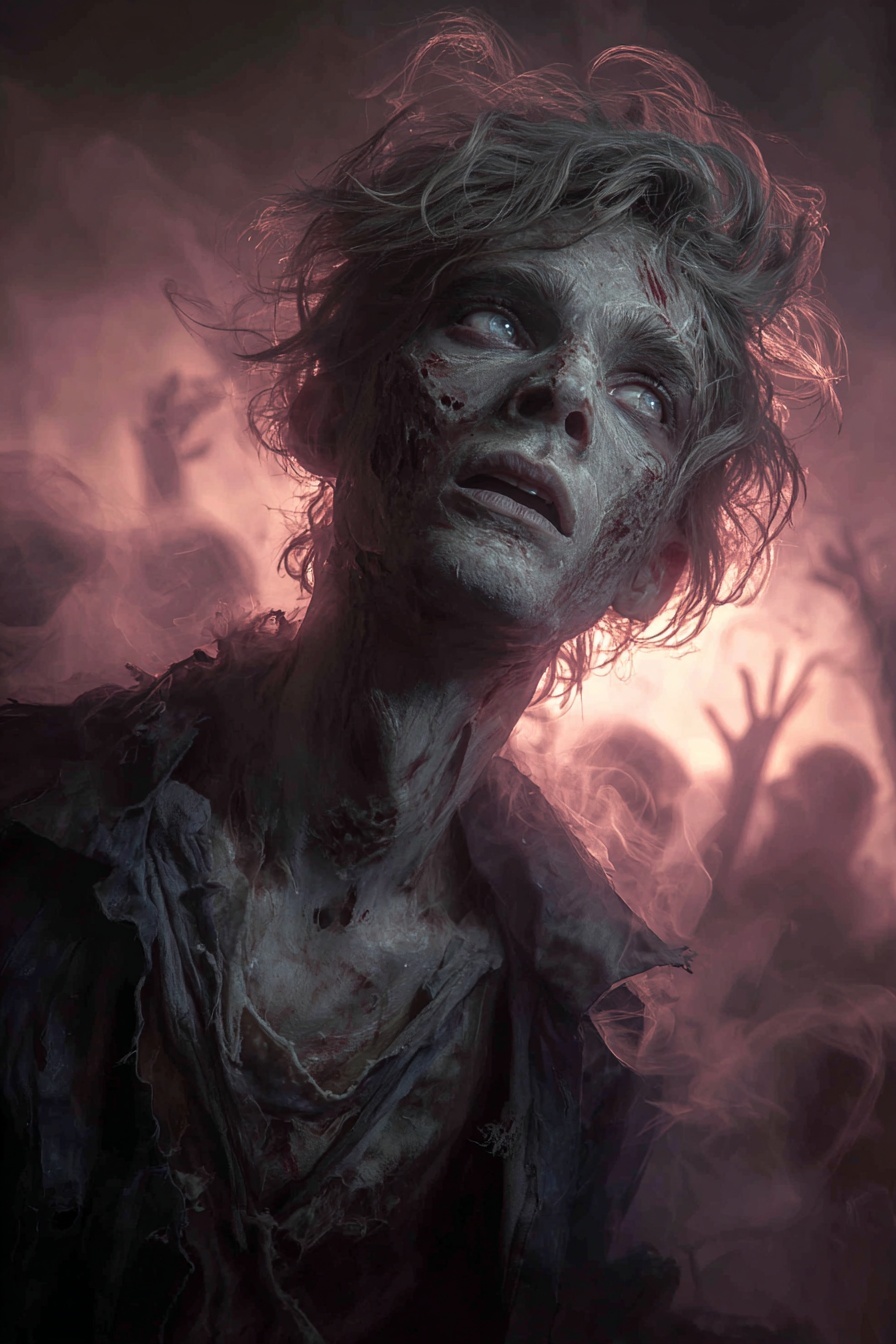
The first signs come fast. A heat in the skin, a tightening of the jaw, a pulse that won’t slow. The eyes redden, the mouth dries, and the hands shake. Within an hour the itching starts. Victims claw at the spot until they bleed, then keep going. They say something is moving under their skin. They say it hurts if they stop. The body sweats a dark film that smells like rust. Anyone close can taste it in the air.
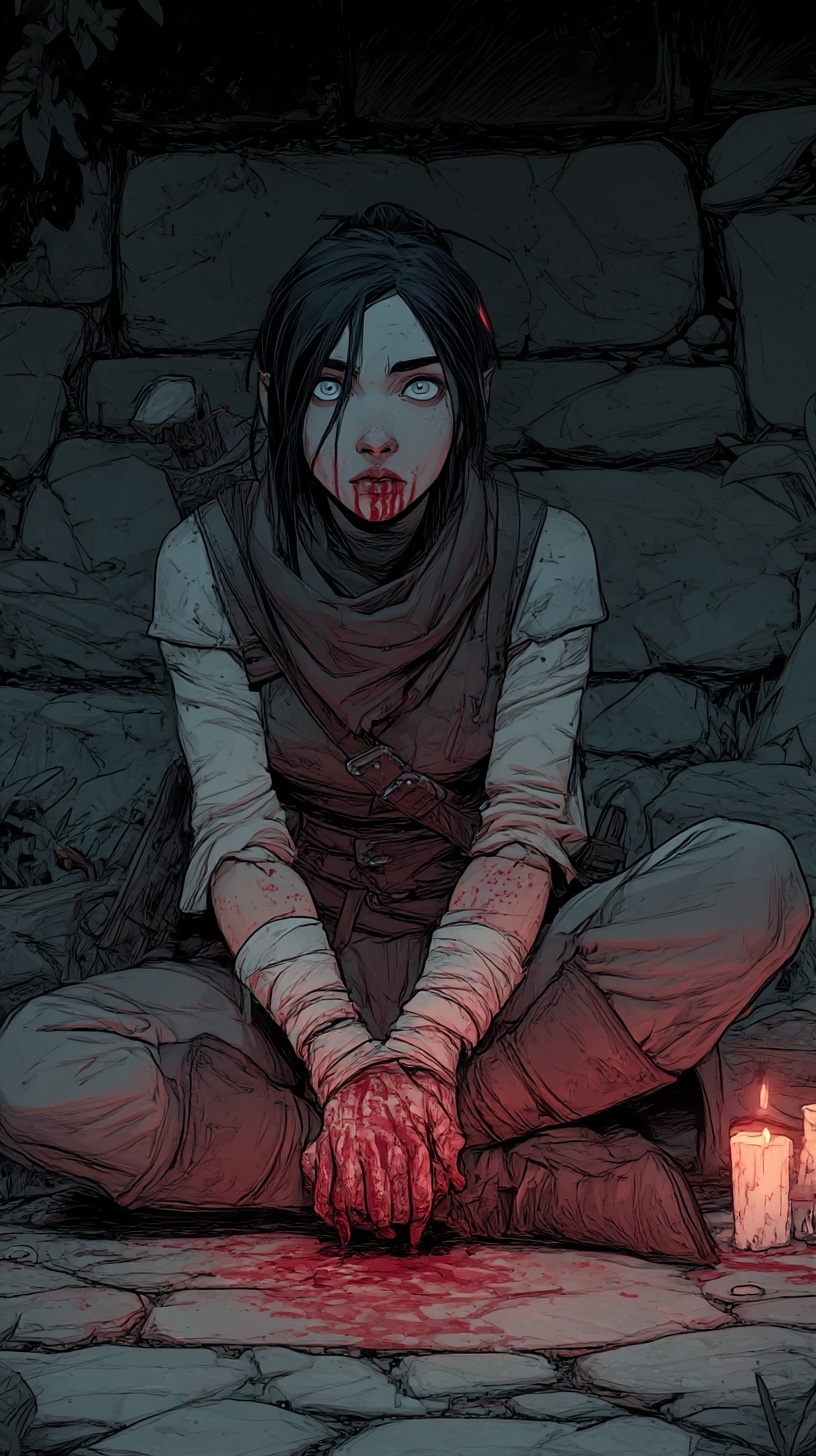
As the disease spreads through the nerves, hunger and pain become the same thing. The victim chews at their lips and fingers until the teeth crack. They tear away strips of skin and swallow them, certain that something beneath is trying to get out. The fever climbs. The heart races until the rhythm shatters and restarts in fits. Speech falls apart. They babble, laugh, sing, or beg to be cut open.
When the brain finally breaks, fear vanishes. The infected stop running and start working. They cut clean and deep, trying to reach the source of the heat inside them. Most die long before the chest opens, but a few last long enough to pull free organs with their bare hands. They do not seem to know what they are doing. The body moves as though following a map it cannot read.
During the final stage, the flesh blackens where it has been touched by air. The eyes film over with blood and the mouth locks open. The body stiffens as if frozen mid-motion. For a few minutes after death the muscles still twitch, as if trying to finish what they started. When the air grows dry the corpse crumbles, and a faint dust drifts up from what remains.
Witnesses say the smell stays longer than the sight. A mix of copper and smoke that clings to everything nearby. It seeps into clothes and skin. Those who breathe it in too deeply often fall sick within days, as if the disease can teach by memory alone.
There is no mercy in the symptoms. The disease burns through the body like a lesson it refuses to stop teaching. It ends only when there is nothing left for it to learn.
“I have burned twenty three bodies this month and the smoke still smells like stone dust. They say fire is mercy but it feels more like surrender.”
— Field report, Imperial Quarantine Division
There is no cure. No herb, spell, or machine can stop it once it starts. The prion does not live and cannot be killed. It turns the body against itself until there is nothing left to save. The only rule is isolation. Anyone showing signs is bound, carried outside the walls, and burned before the fever can break. Those who delay the fire always regret it.
At first, healers tried everything. Cold baths to slow the pulse. Bleeding to drain the heat. Potions to cloud the mind. Each failure ended the same way, with the healer in the flames beside the patient. Alchemists boiled the blood of victims hoping to destroy the agent and poisoned themselves in the smoke. Priests called for exorcisms until one of their own tore his face apart during prayer. Since then the temples have stayed quiet.
Containment crews move in pairs. They wear leather soaked in vinegar and keep masks tied tight with oilcloth. They bring ropes, fire oil, and long pikes. Once the infected stop moving they set the pyres and stay until only ash remains. The air around the site is declared dead ground. Nothing built there again.
In rich cities the sick are carried to the edge of town and left in stone houses meant for one use. In villages, the people do it themselves. They give the doomed a draught to dull fear, set the torch, and turn their faces away. Most burn their own dead to be sure the work is done right. The smell of those fires marks the borders of every outbreak.
Rumors still surface of groups who try to study it in secret, thinking they can find a way to master the disease. None return. The buildings they worked in are sealed or burned by soldiers who do not ask questions. Even the ashes are shoveled into deep pits lined with salt.
The only treatment that ever works is fire and distance. Burn what it touches. Salt what it leaves. Forget where it happened. That is all that keeps the living from joining it.
“Once the itch starts, there is no one in the world fast enough to save you.”
— From the funeral sermon of Archivist Moraen Velladen
Once the fever begins, there is no turning it back. The course runs fast and ends the same for all. First come the tremors and the heat that will not break. Then the skin splits. Then the mind goes. From the first scratch to death takes less than a day for most, a little longer for the strong. No one recovers. No one lives long enough to go mad twice.
The early hours are confusion. The body floods itself with adrenaline. The victim sweats, shakes, and grows restless. They claw at the smallest itch until it becomes a wound. The eyes redden and the breath turns to steam. By the middle hours the pain becomes hunger and the hunger becomes purpose. The infected work at their own bodies with single minded focus, tearing muscle and vein without pause.
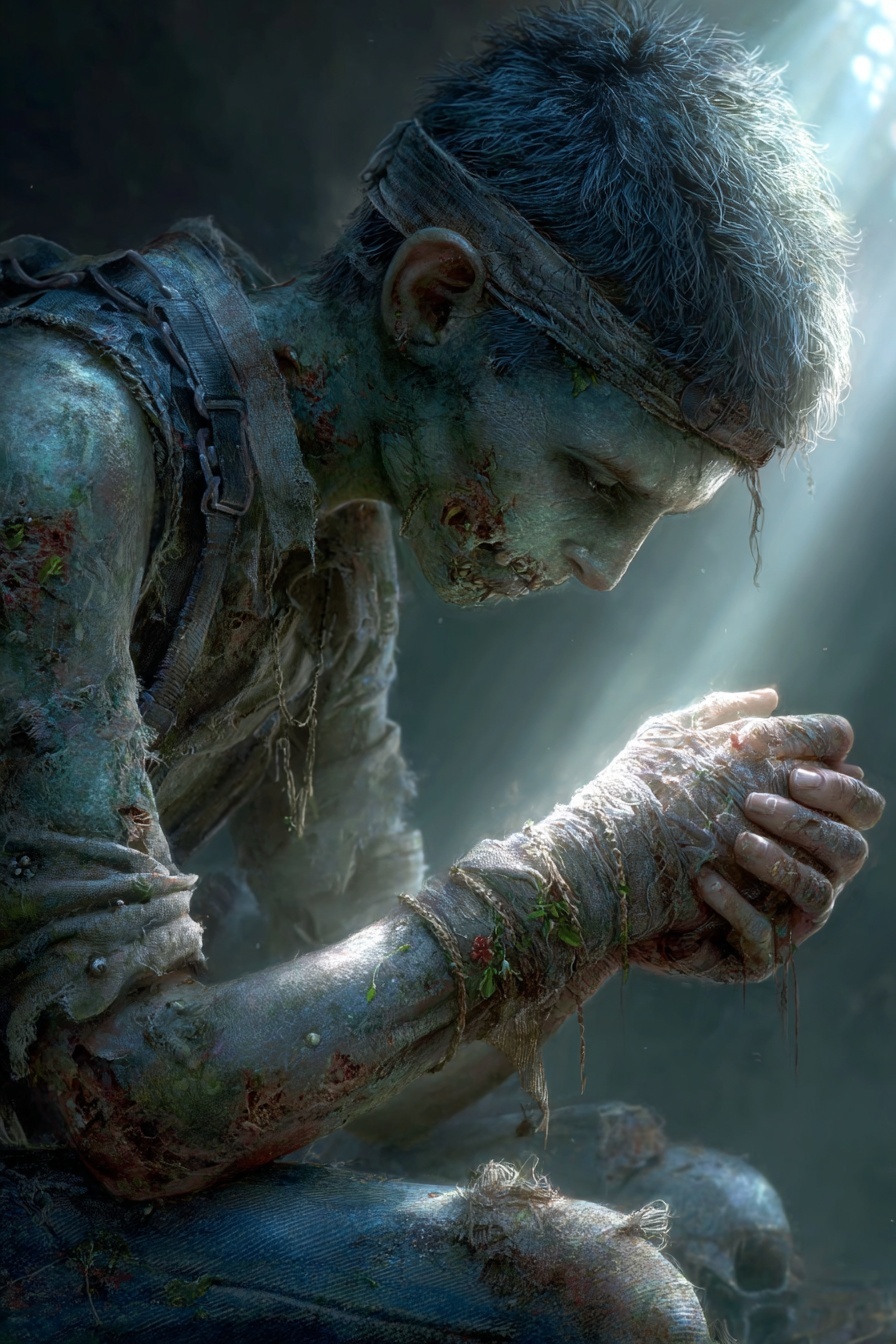
The final stage is silent. The victim sits down, sometimes smiling, sometimes staring at the floor. The pulse slows, the lungs stop, but the muscles keep moving. The hands twitch long after the heart stops. It is as if the disease cannot accept the work is finished. When it finally releases the body, what remains is pale and light, as if the flesh has been hollowed out from within.
After death the body stays infectious for a short while. Blood thickens to tar and dries into a fine black dust that can carry the sickness if disturbed. Cremation must be done before sunset of the same day. Delay means risk. The smell of rot draws scavengers, and anything that feeds on the corpse becomes a new vessel for the prion.
Survivors of exposure who never show symptoms live under suspicion for the rest of their lives. Some are killed before the fever can prove them clean. Others leave on their own and disappear into the wilderness. No one trusts luck when it comes to this disease.
The forecast is always death. The only question is how many will die before the last fire burns out. Each outbreak ends in silence, the kind that feels like the world holding its breath, waiting to see who will start the next one.
“The curse of it is that the body can teach even what was never meant to learn. Every beast that bleeds becomes a page for the same lesson.”
— From Anatomies of the Damned, by Physician Marcus Stone, College of Apothacaries
Animals carry the Hunger Beneath more often than people suspect. The prion does not care for thought or reason. It moves through flesh by touch, by blood, by the smallest mistake. Creatures that live close to death spread it most easily. Carrion feeders, meat eaters, and scavengers of battlefields are the common hosts. Crows, rats, and dogs often carry the seed in their blood without falling to its madness. Their bodies are too simple to misfire in the same way as those of thinking races. The infection sits quiet in their tissues, waiting for another host to open the way.
Large predators can suffer full infection, though it changes them in strange ways. Wolves and great cats begin to wound themselves during feeding, tearing into their own hides as they fight for food. The frenzy grows until they collapse from exhaustion or bleed out. Hunters call these creatures red spirits and burn their remains on sight. The smell of burned fur has become a warning across many frontiers.
Domesticated animals rarely survive first exposure. Pigs, goats, and cattle that lick or chew infected bone quickly lose control of their movements. They grind their teeth and ram their heads against fences until the skull breaks. Farmers who find such signs dig deep pits and fill them with lime. They bury the tools that touched the carcass and slaughter the rest of the herd before the week ends.
Birds are the perfect carriers. Their blood warms too fast for the disease to complete its course, yet they can carry fragments in their claws and beaks. A single flock feeding on infected remains can spread the Hunger to fields miles away. Healers have found traces of the prion in the droppings of scavenging birds, proof that it endures the full length of the sky.
Insects are lesser messengers but still dangerous. Flies that feed on open wounds carry the agent on their legs for hours. They cannot sicken from it but can seed it wherever they land. It is believed that entire outbreaks have begun from a single swarm passing over corpses left unburned.
No plant can host the Hunger Beneath. It needs nerves to follow and warmth to nest in. Yet grass and soil near infected carcasses hold the fragments long after the flesh has rotted away. When a living thing steps there, even barefoot, the story begins again. The disease has no mind, no will, no mercy. It simply waits for something that remembers pain.
“Every road stained with blood is already waiting to breathe again.”
— Scholar Valis Renn, Academy of Natural History, Temple Observatory
The Hunger Beneath spreads in bursts, not waves. It does not linger in cities or crawl through the air. It waits for a wound. It waits for blood. Most outbreaks begin after battle, when the ground is thick with corpses and the healers are slow to burn them. The heat, the flies, and the open wounds do the rest. Within a day the camps start to shake with screams. Within three, silence.
In peacetime it hides in the work of butchers and grave keepers. A slip of the knife, a mouthful of blood, a cut cleaned too late. The disease finds its way in through the smallest mistake. It does not favor one people or one climate. It thrives anywhere flesh is handled and blood is spilled. Warmth and dryness keep it alive longer, but even in cold lands it has never gone fully quiet.
When it moves through animals first, the warning is clear. Packs of dogs found half eaten. Livestock tearing at their own hides. Crows crashing into walls until they fall in pieces. Those signs mean the soil has turned dangerous. Whole villages move away without waiting for proof. The ones that stay rarely live long enough to see the fires burn.
Traders spread it the farthest. A merchant bitten by a rabid beast or scratched by infected leather may not show symptoms for days. By the time the fever hits, they are already on another road or ship. This is how the disease travels between kingdoms. It never needs an army, only a single fool who thinks the bleeding has stopped.
Outbreaks end the same way they begin. Someone lights a torch. Everything touched by the sickness burns. The ground is salted and marked, and no one speaks the name of the place again. Decades later, a traveler passes through, builds a campfire, and smells iron in the wind. Then it starts once more.
Because of this pattern, the Hunger Beneath never truly fades. It sleeps under every field where war has been fought and under every slaughterhouse floor. It wakes when it smells blood. And every age spills enough to feed it again.
“When the Marinn fires were still burning, a man came to the gates with a relic in his hands. He said it had been buried too long to hurt anyone. We watched him crumble to ash before he finished his plea.”
— Chronicle of the Marinn Catastrophe
The oldest record comes from a battlefield ledger written in blood. It speaks of soldiers who turned on themselves before the fight was done. Witnesses said the wounded tore at their armor and skin, trying to dig something out of their chests. By the time help reached them, the bodies were open and steaming. The healers who tried to bind the wounds fell sick within hours. The command burned the field, men and all, and left the ashes for the crows. That was the first entry under the name Hunger Beneath.
In later centuries the sickness surfaced wherever death grew thick. A plague pit opened by grave robbers. A city butcher who worked too long in summer heat. An executioner who forgot to wash his blade. Each new outbreak fed the stories. Scholars gave it new names but the pattern never changed. Fever, frenzy, fire.
The largest recorded event came during the War of Cinders. An entire regiment went mad in one night after marching through a pass heavy with old bones. The survivors were ordered to destroy everything left behind. They used oil and salt until the mountains glowed red for a week. Even from miles away, people said they could taste metal on the air.
Every attempt to study it has ended the same way. Laboratories sealed in stone. Monasteries left empty. Ships sunk with their crews still locked below deck. Each time someone claims they will find a cure, and each time the fire is the only thing that survives. The disease has been erased from official study more times than it has been named.
Whole towns have vanished under its shadow. Maps show clean plains where burned villages once stood. The ground looks smooth from a distance but nothing grows there, not even weeds. People pass these places with their heads down. Children are told never to dig where the soil turns red.
In recent years a few have begun to whisper that it is coming back. Farmers finding animals gnawed to bone. Miners going missing near old burial sites. A soldier found dead in his tent, chest torn open, heart gone. He had no enemies, no wounds from battle. Only his own hands to blame.
Every age believes it is the first to suffer it. Every age learns the same truth. The Hunger Beneath never ended. It only waits for someone to bleed again.










It's always wonderful how much you write, but have you ever considered turning off the display on the left so that the text is shown across the entire page? That would make reading much easier for me and mean less scrolling, especially with long texts.
Here are my Entries for the water continent Ulűri̋qi̋
I don't understand. Do you mean disable something? (I'm new to messing with settings, especially with this new theme.) I'll for anything that makes it more readable.
I'm not sure if you're using the old editor mode or the new one via the modals. In the modals, you'll find the switch for "Display the article sidebar" under Settings (Gear). In the old editor mode, you'll find it under Section --> Sidebar section --> scroll all the way down, where you can uncheck the box. Just one more thing: any additional information you've entered in this sidebar section or when filling out the additional information field under the main vignette, such as type, origin, cycle, etc., will no longer be displayed. However, you can always add this information to the main text.
Here are my Entries for the water continent Ulűri̋qi̋
Time to play with more settings! TY! <3