
The Festival of Amber'rae
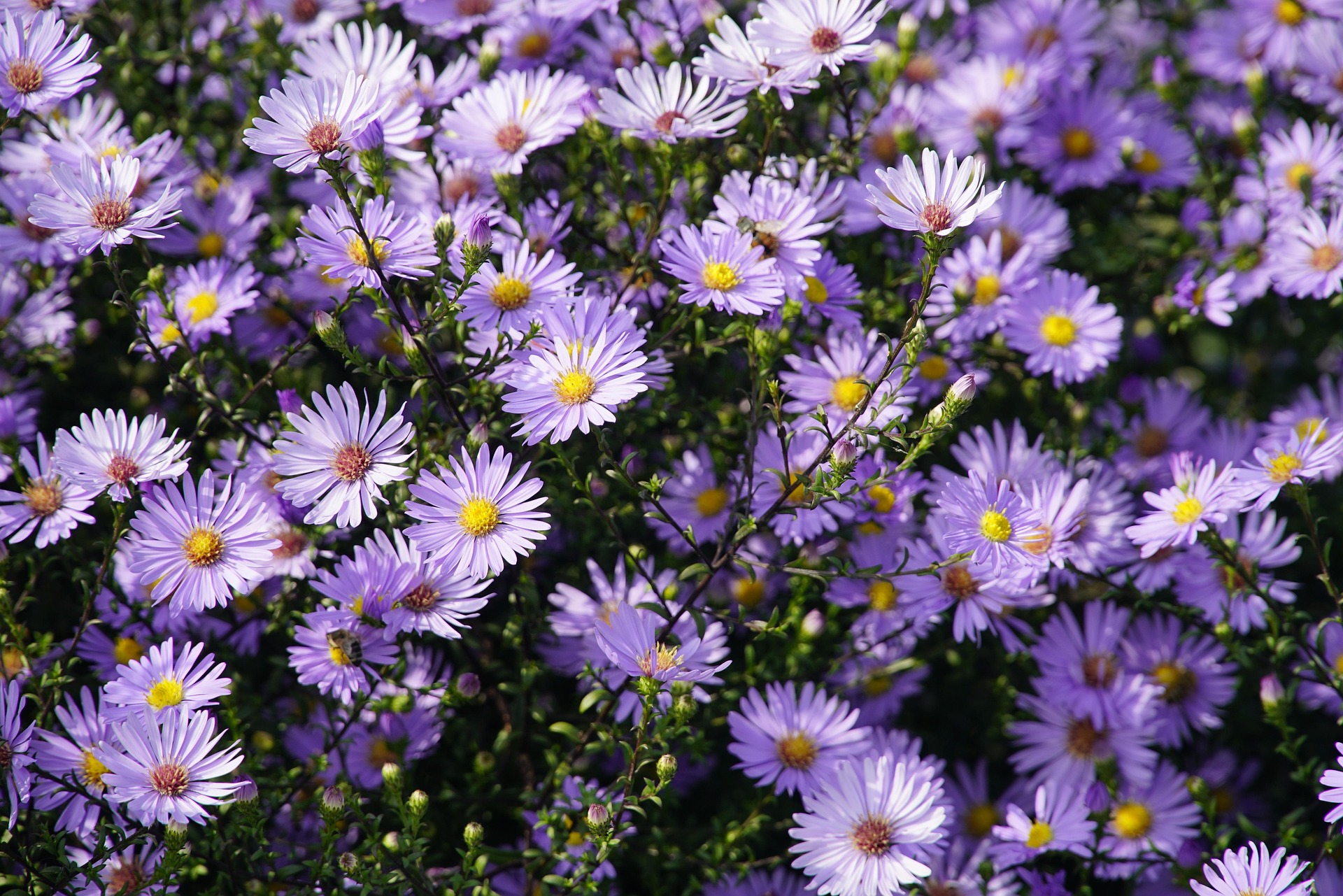
Few annual celebrations are more important to the Wielen'fae (pronounced wheel-en-fay) than the Festival of Amber-rae. This particular festival celebrates the coming of winter and all the flowers that bloom with the change in season. The transition from vibrant green to hues of gold, maroon, and orange is acknowledged through the multitude of traditions woven into this yearly event.
History
The Festival of Amber-rae is the Wielen'fae's version of the harvest celebrations found in most cultures. They have had feasts, dances, and other events around the autumn equinox for as long as any fae can remember. The traditions have of course evolved, and one fae in particular was a huge influence on what the festival is today: Kelil the Exuberant. She was a fae who died over two hundred years ago, and it was her who introduced many of the most theatrical aspects of the festival. She was not only an influential member of the Leading Council in her day, but also the first fae to become a member of a traveling theatre troupe. According to the myths about her (which, given most fae's lifespans, are not yet far off from the truth) she slayed ferocious monsters with her longswords and made kings applaud with her performing skills. And she did it all with a bright grin that only disappeared when her role onstage called for it. Though the Festival of Amber'rae existed long before Kelil the Exuberant, she is widely renowned as its founder.
Components and tools
The most important objects in the festival are the flower circlets, the slips of painted paper, and the huge cedar feast tables. And the whiskey, of course.
Flower Circlets
These begin with sticks and small branches (typically gray ones from the spiderfur bushes that grow only at high altitudes) woven together into circles. Early summer-blooming flowers are dried each year to be braided into these crowns, and they are paired with the fresh stems of late summer's blossoms. Once finished, these circlets are worn on the heads of fae, used in ring-toss festival games, and placed on the doors of houses like wreaths.
Many fae children play out the myths of Kelil the Exuberant, and their games often involve the flower circlets as well. Meanwhile, the adults weave smaller ones to fit around their whiskey glasses as a traditional festive decoration.
Painted-Paper Slips
The youngest members of Wielen'fae communities are involved even more in the making of these special paper slips. Huge pieces of paper are made from the leaf pulp of summer foliage and paints are colored with the dried berries and flowers of that same season. These materials are used to paint landscape of both summer and autumn. Though fae children enjoy this activity in particular, most adults join in as well in the creation of seasonal artwork. Once the paintings are finished (both sides of the paper completely covered with color), they are cut up into small pieces and metallic golden or copper ink is used to write a single rune on each fragment. Common runes are of course luck, warmth, joy, and prosperity. These paper slips are exchanged and collected, each fae usually having two or three by the end. At the climax of celebrations, they will all be tossed into the huge bonfire with wishes for a wonderful autumn.
Cedar Tables
The Wielen'fae live exclusively in the highest parts of the mountains, and they are an integral part of that area's ecosystem. They take from the land only what they give back, and live in symbiosis with many species. Mountain goats are friends of the fae, as are many of the alpine birds. One of the only true enemies of the Wielen'fae is the moths. The grayish-purple 'aster' moths that inhabit their mountain peaks are constantly at war with the Wielen'fae: one trying to find a safe place for their future larvae to feed... and one trying to protect their woolen sweaters. Cedar is used throughout the world by many species as a natural moth-deterrent, and legend has it that the Wielen'fae cast spells on the wood to make it repel moths. The myth's validity is largely uncertain, but the fae are capable of casting spells to allow moths to approach cedar. For the Wielen'fae, the Festival of Amber'rae is an important time of unity. And so, just for the night, they use their magic to allow moths near their feast tables. Adult moths eat very rarely, but they too are aware of the temporary truce the fae are gifting them and do partake of the nectar and sugar water the fae prepare for them.
Wielen'fae Whiskey
The whiskey made by the Wielen'fae is renowned throughout the world for its near-magical taste. Many describe it as slightly floral and somehow honey-flavored, and all agree that its flavors are perfectly balanced. It is, however, quite alcoholic. Any traveler who hikes up to the Wielen'fae's mountain villages should know better than to try a glass of their famous whiskey at that altitude. The famous whiskey is also known for its rarity; the reason for this scarcity is because the Wielen'fae refuse to remove the precious liquid from its barrels until the Festival of Amber'rae each year.
Every fae over thirty-six has the opportunity to try the newly finished whiskey (which has usually been aged for quite a bit more than one year already) during the festival: many fill their cups directly from the barrels in which the whiskey had been aging. A chunk of ice from the highest parts of the mountain rivers, an exquisitely made glass, and the amber liquid the festival gets its name from are the staple of the entire celebration. A fae custom scarcely known outside the Wielen'fae villages is the placing of a freshly picked wildflower in the whiskey. It is more a garnish than anything, not even providing much (if any) flavor. The origin of this custom is unknown, but it is supported by the myths that Kilil the Exuberant always had a flower dangling from her mouth, much like a farmer might have a piece of sweet grass.
Participants
The most important roles in the festival are the orchestra and the theatre troupe. A stage is prepared at the center of all the markets and games and crafts and whiskey barrels, and as the sun sets the first performance will begin: traditionally, one of the many epic stories of Kilil the Exuberant is brought to life once more by the actors and techies (lighting is a combination of magic and colorful flowers, and moving of set pieces usually involves telekinesis). The orchestra provides a dramatic soundtrack. The traditional performance is followed by several more: the troupe often chooses plays and musicals written that year to celebrate the innovation of the world's theatre communities. All the performances are rather short so many can be done in just an evening. The crowds quiet and sit down to watch, and after the show is done everyone - actors, stage crew, and musicians included - sits down to eat and drink.
The Orchestra
After feasting along with the rest of the Wielen'fae, those who make up the orchestra assemble once more to play dancing music. Fiddles, bagpipes, various woodwinds, harps, bouzouki, concertina, and hammered dulcimer all have a role in creating beautiful music, as do the fae who prefer to use just their voices. There are traditional songs and new ones, all in the Wielen'fae's native language and all played loud enough to fill the mountains nearby. Because the orchestras from every village decide together on the song order, they often end up playing the same songs at the same time, resulting in large expanses of the mountains echoing with their united music.
The Festival of Amber'rae is all about celebrating both old and new, and both the differences and similarities between them. Because of this, practically all their traditions during it involve both traditional and modern practices, be it pieces of music or plays. The dancing that goes with the orchestra's performance is the same. There are traditional dances, contemporary ones, and improvised ones. The other two categories veer closer to improvised the longer the night wears on and the more whiskey is had. Once midnight is reached a bonfire is begun and the painted paper slips are all tossed in. After that many continue to dance while others settle around the roaring blaze to tell ghost stories or simply nurse a drink.
Observance
The Festival is always observed on the autumn equinox every year, and though preparations last for weeks beforehand (years, if the making of the whiskey is counted), the real celebrations begin in the late afternoon and last into the dark hours of the next day's morning.

Comments