
The Oyarro
The Calendar of Gomi
The calendar of Gomi is lunisolar, tracking both moon and sun cycles. Each year begins on the first new moon after the winter solstice and has twelve months, each beginning on a new moon, each with 27 numbered days.
The actual number of days between one new moon and the next is closer to 29.5, so there are some leftover days at the end of each month, called "endings." For example, the days of the month of Tricks will be Tricks 1, Tricks 2, Tricks 3, etc., followed by 1-3 days called Tricks End. When the new moon appears, that is day one of the month of Storms.
In order from the first new moon after the winter solstice, the Gominda months are these:
- 1st month: Song
- 2nd month: Hares
- 3rd month: Migrations
- 4th month: Incense
- 5th month: Tricks
- 6th month: Storms
- 7th month: Pools
- 8th month: Sweat
- 9th month: Bounty
- 10th month: Tales
- 11th month: Wolves
- 12th month: Ghosts
These twelve lunar months add up to 354 days total, leaving about 11 days of the solar year unaccounted for.
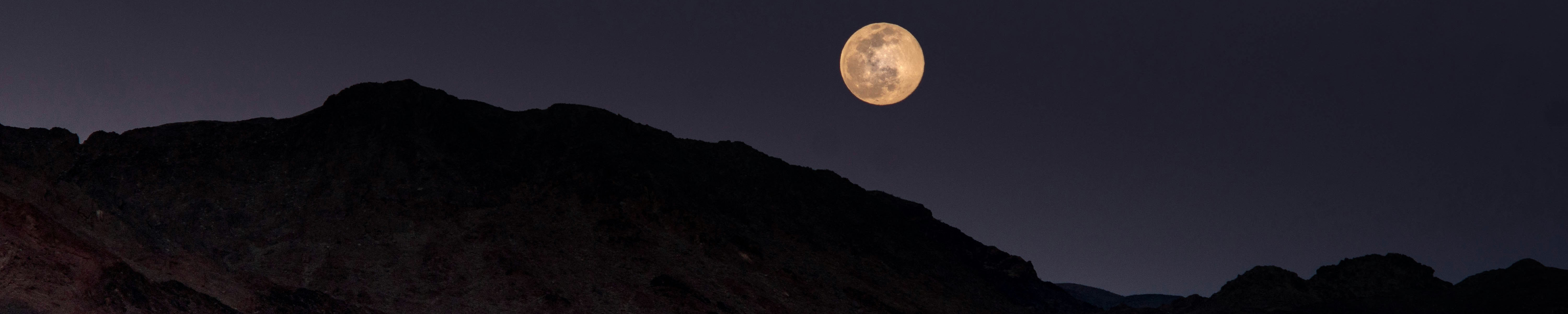
Gomi reconciles the calendars this way: regardless of moon phase, the month of Ghosts ends at the winter solstice, also known as Ghosts End. However many days fall between Ghosts End and the next new moon comprise a time "outside" the regular year: an intercalary period, the Oyarro.
Oyarro Traditions
The Oyarro is a time similar to Samhain, when the veils between worlds are considered thin and spirits more likely to cause trouble in the waking world. It is a time to remember and honor the respected dead and to appease the dead who might have cause for vengeance.
Winter Solstice
Ghosts End, the last day of the old year, is marked when the rising sun shines directly through the fissure above Gomi's eastern gate and into the temple of Atúna across the plaza. It's a joyful and sometimes wild day of feasting, a time to enjoy the last of the harvest's bounty as if there were no tomorrow, before the lean, dry, difficult early months of the new year begin.
Rattle-Clap-Bang
The day after the solstice, the youth of the city announce the opening of the Oyarro at dawn. They make a racket with wooden clappers, rattling and clacking up and down the streets and along the city walls. They take turns repeating this noise every morning of the Oyarro. It is believed that the sound frightens away ghosts and evil spirits.
Faces of Azrith
Any family who has lost a member during the year prepares a Face of Azrith during the month of Ghosts. The Face is a goat hide, scraped and bleached white, with eye and mouth holes and geometric tattoos burned or cut into it, often decorated with bronze grommets. The Face is tacked to the outer wall of the house, where those passing by can pause for a moment in respect of the deceased.
Other Practices
People wear white clothing on Oyarro days, or at least bleached cloaks. At nightfall , all those who dwell in the city prop open their doors as if a death has just occurred in the household and use only a single candle for light. Any family wealthy enough to have a stone tomb in the valley of the dead sweeps it out and cleans and polishes everything at some point during the intercalary period, and those who have simpler burial grounds pay visits and leave offerings.
Birth and Death
Anyone who dies during the Oyarro is said to linger between worlds until the new moon. Superstitious families will sometimes go to desperate lengths to keep an ailing loved one alive until the first day of the new year, so they may have swift passage.
If a child is born during the Oyarro, it is said they will have a great but difficult destiny.
The Oyarro begins the day after the winter solstice and lasts on average 1-2 weeks. In years when it is long, the obsessive focus on death becomes morbid and obscene; but nothing will ever separate the Gominda from this tradition.

Comments