
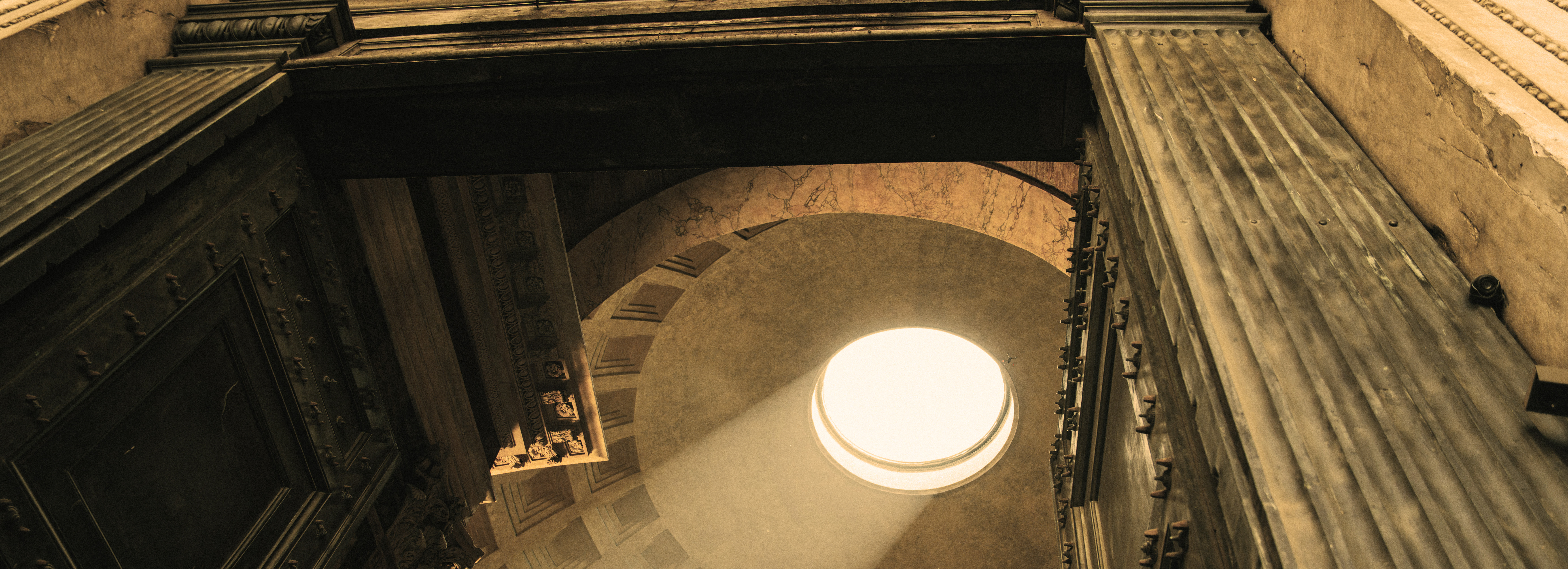
Meret
The city of Meret was among the largest, if not the largest, in the world of its time. A walled city about a mile wide by two miles long, it sat a day's journey inland from where the Afyeti river emptied into the shining turquoise waters of the Sea of Pearls. The upper city, where the emperor's palace sat, occupied high ground north of the river. The lower city sloped downward from there to the river itself.
Districts
The walled city is divided into seven districts, two in the upper city and five in the lower city.
The Dawn Palace and District of the Courtiers occupy the upper city. The lower city, clockwise from the northwest, includes the Merchants Quarter just inside the Gate of Pearls; the Temple District; the Fishmongers District; the Central Market; and the Artisans Quarter.
Six miles of defensive walls enclose the upper city and the central districts of the lower city. But the population has grown over time and can no longer be contained inside them. Now, mazelike warrens of huts and stalls spread beyond the walls near the river. In the river bottoms to the west, there are extensive groves of date palms.
The defensive walls have nine gates, the only points of entry into the heart of the city. Counter-clockwise from nine o'clock:
The upper city also has two heavily guarded gates: the Gate of Birds (the private gate of the emperors, facing westward from the palace grounds) and the Gate of Lords (on the east side of the city but facing southward, the main entrance to the District of the Courtiers, especially for travelers from the northwest).
Inside the main defensive walls, a more modest wall divides the upper city from the lower city. This east-west wall has three smaller gates of its own.
The Dawn Palace and District of the Courtiers occupy the upper city. The lower city, clockwise from the northwest, includes the Merchants Quarter just inside the Gate of Pearls; the Temple District; the Fishmongers District; the Central Market; and the Artisans Quarter.
Six miles of defensive walls enclose the upper city and the central districts of the lower city. But the population has grown over time and can no longer be contained inside them. Now, mazelike warrens of huts and stalls spread beyond the walls near the river. In the river bottoms to the west, there are extensive groves of date palms.
The defensive walls have nine gates, the only points of entry into the heart of the city. Counter-clockwise from nine o'clock:
- The Gate of Pearls, the largest west-facing gate, is named for its mother-of-pearl inlaid mosaics. It is the primary entrance to the city for well-born travelers approaching along the river highway.
- The Red Gate, also west-facing, is the working-class gate into the Artisans' Quarter.
- The Gate of Palms is located in the southwest corner of the city and has access both from the Artisans' Quarter (directly north of the gate) and the Central Market District (to the east). It's named for the date palm groves that line the river here, running west along the Afyeti.
- The River Gate faces south toward the passenger docks along the river. Taxi barges dock here and for a coin will carry travelers across to the low, flat agricultural lands that huddle south of the river, teetering on the edge of desert.
- The Gate of Thadra is the southernmost east-facing gate and is primarily used by dockworkers loading and unloading barges that arrive from the Port of Meret on the coast.
- The Seaward Gate faces east and lets onto the main overland road between Meret and Port-of-Meret.
- The Gate of Atna faces east and leads into the elevated Temple District, the most architecturally rich part of the lower city.
The upper city also has two heavily guarded gates: the Gate of Birds (the private gate of the emperors, facing westward from the palace grounds) and the Gate of Lords (on the east side of the city but facing southward, the main entrance to the District of the Courtiers, especially for travelers from the northwest).
Inside the main defensive walls, a more modest wall divides the upper city from the lower city. This east-west wall has three smaller gates of its own.
History
The first structures were built on this site in the 1800s UC. The early kings of Gomi sent expeditions to the north and these came upon a seemingly enchanted river valley. They built a fort on the future Palace Hill and used it as a base from which to explore further north, though they never made contact with Anapør. They did encounter North Pentoans for the first time, however, and while they did not think much of these copper age people, they did notice similarities in their languages and mythology.
Later, around 1900, Ghêlfas designated this hill fort as the site where he would experiment with passage magic, among barbarians and far from the eyes of the Museborn visitors. He built his first successful door on that rock before replicating the technology closer to home.
The 1933 UC earthquake that destroyed Wassira also destroyed most of what the Gominda had built on Palace Hill. The few survivors withdrew to their own country. Ghêlfas died before he could hear a full report on the ruin of his first door, and so he never found out that it alone among the Blood Gates had escaped total destruction.
Soon after, the devastated North Pentoans swept down out of the mountains to people the fertile valley. From then on, their power waxed while Gomi's waned. From about 1950 onward, there was continuous North Pentoan settlement at Meret.
It became a capital city around 2187, when the post-conquest emperors were looking for a place of suitable wealth and splendor to situate themselves. After that it expanded rapidly.
Meret was the fourth and final capital city of the North Pentoans, following Wassira, Zarcaba, and Yaro.
Construction of the Dawn Palace began in the 2190s. So the oldest parts of the palace in which Ashti the Small lived were about two hundred years old, even though the palace was not completed until the 2310s.
Later, around 1900, Ghêlfas designated this hill fort as the site where he would experiment with passage magic, among barbarians and far from the eyes of the Museborn visitors. He built his first successful door on that rock before replicating the technology closer to home.
The 1933 UC earthquake that destroyed Wassira also destroyed most of what the Gominda had built on Palace Hill. The few survivors withdrew to their own country. Ghêlfas died before he could hear a full report on the ruin of his first door, and so he never found out that it alone among the Blood Gates had escaped total destruction.
Soon after, the devastated North Pentoans swept down out of the mountains to people the fertile valley. From then on, their power waxed while Gomi's waned. From about 1950 onward, there was continuous North Pentoan settlement at Meret.
It became a capital city around 2187, when the post-conquest emperors were looking for a place of suitable wealth and splendor to situate themselves. After that it expanded rapidly.
Meret was the fourth and final capital city of the North Pentoans, following Wassira, Zarcaba, and Yaro.
Construction of the Dawn Palace began in the 2190s. So the oldest parts of the palace in which Ashti the Small lived were about two hundred years old, even though the palace was not completed until the 2310s.
Geography
Meret is built on a pair of hills, or rather: one hill sliced into two plateaus by a huge ravine. A twin hill, a divided hill.
The whole ravine and the north plateau lie within the palace enclosure. Both ends of the ravine are blocked in with monumental stones for security.
The palace's hunting and athletics park occupies the more rugged plateau north of the ravine. The main palace and District of the Courtiers occupy the southeastern plateau.
Rumor says the ravine was not there prior to the earthquake and that it was Zola opening his mouth to swallow the offending earth. But Azmara jammed a rake into his mouth so that he could not swallow the hill completely. And so the ravine's name is the Maw of God.
The whole ravine and the north plateau lie within the palace enclosure. Both ends of the ravine are blocked in with monumental stones for security.
The palace's hunting and athletics park occupies the more rugged plateau north of the ravine. The main palace and District of the Courtiers occupy the southeastern plateau.
Rumor says the ravine was not there prior to the earthquake and that it was Zola opening his mouth to swallow the offending earth. But Azmara jammed a rake into his mouth so that he could not swallow the hill completely. And so the ravine's name is the Maw of God.
Climate
While the upper city experiences some cooling breezes, especially compared with the lower portion of the city closer to the river, the elevation of the site is low and the climate very hot.
Prevailing winds in the winter are from the northeast and in the summer from the southwest. This makes the winter very dry and cool at night. Summers typically experience heavy bands of rain that blow in from the southwest, moderating an otherwise suffocating heat.
The primary growing season for agriculture is the rainy summer, from about June to September. The land does not yield much outside of this season. It does not have the high underground water tables and deep aquifers of the southern region, so it is less drought-tolerant, although the valley of the Tabbi is blessed with perpetual fertility and said to be favored by the gods.
Köppen classification: tropical wet and dry (Aw) trending toward hot semi-arid (BSh).
Prevailing winds in the winter are from the northeast and in the summer from the southwest. This makes the winter very dry and cool at night. Summers typically experience heavy bands of rain that blow in from the southwest, moderating an otherwise suffocating heat.
The primary growing season for agriculture is the rainy summer, from about June to September. The land does not yield much outside of this season. It does not have the high underground water tables and deep aquifers of the southern region, so it is less drought-tolerant, although the valley of the Tabbi is blessed with perpetual fertility and said to be favored by the gods.
Köppen classification: tropical wet and dry (Aw) trending toward hot semi-arid (BSh).
Meret
City of the Sun
Alternative Name(s)
The Grey Pearl
Type
Capital
Population
200,000
Inhabitant Demonym
Mereti

Comments