
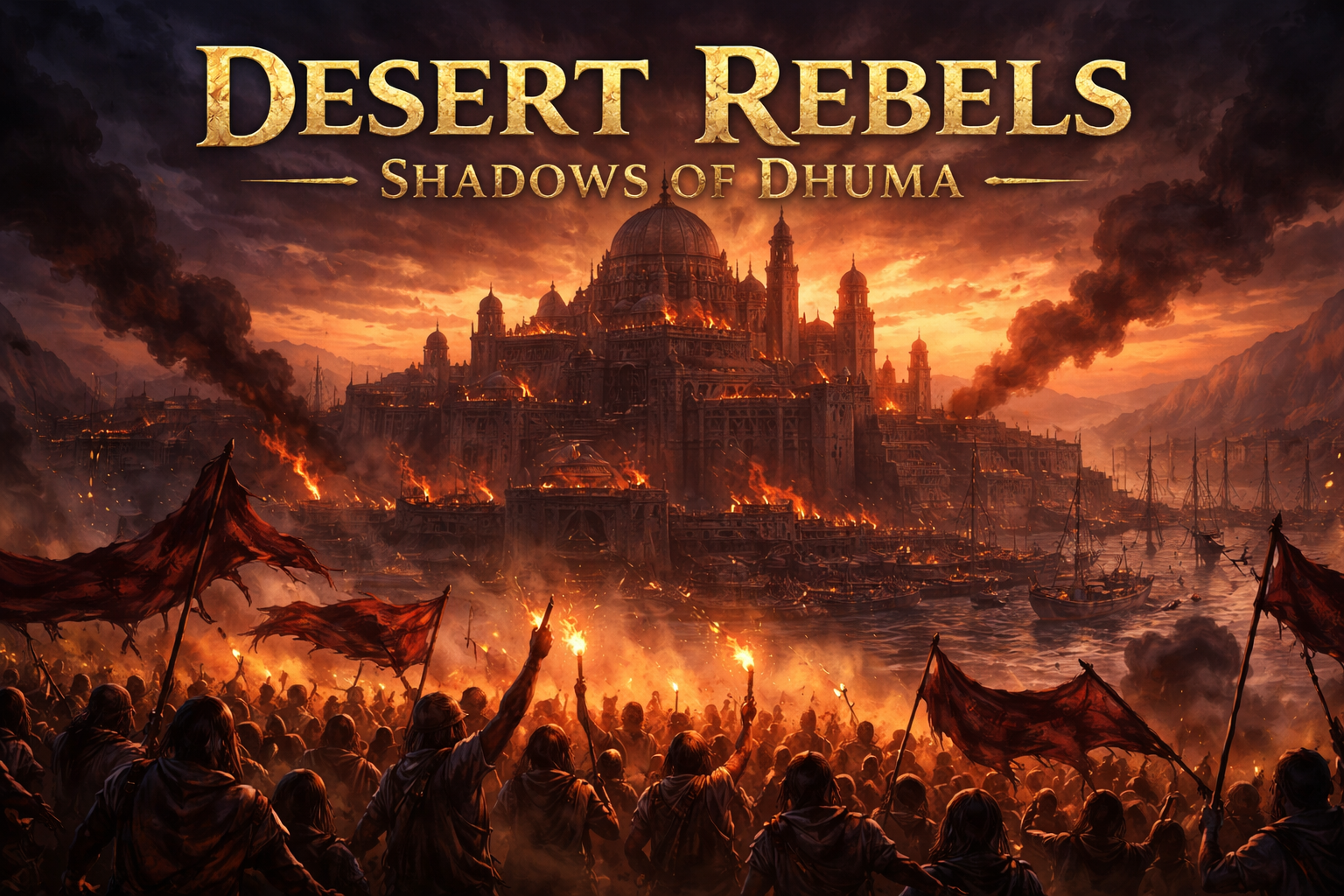
The Karnak Rebellion
Karnak is the beating heart of Dhuma. A city of stone, sand, and iron where strength earns respect, ambition is expected, and leadership is meant to be proven. For generations, Dhuma’s people have accepted hardship because it was honest. Rule was earned through combat, merit, and survival, not blood alone.
That balance is breaking.
In the wake of political maneuvering within the royal court, Ivaran Voss, a powerful lionfolk noble with direct ties to the current king, has been placed in control of Karnak. He claims his authority is lawful and necessary. He speaks of unity, order, and stability. In practice, his rule is enforced through intimidation, selective violence, and the slow erosion of Dhuma’s merit-based traditions. Clan leaders disappear. Challenges are silenced before they can be issued. Strength still matters—so long as it serves him.
Publicly, Karnak appears calm. Trade flows. Arenas still roar. Rituals continue. Privately, fear is spreading. Whispers of dissent are punished. The old ways are being rewritten into tools of control.
Themes
Power and Legitimacy
Who deserves to rule? Dhuma claims leadership is earned, not inherited, but when the system is corrupted, legitimacy becomes a weapon. The campaign constantly asks whether authority comes from tradition, strength, popular support, or fear, and whether any of those are enough on their own.Resistance vs. Revolution
Not all rebellion is the same. Some want reform, some want blood, some want the throne, and some just want the pain to stop. Players will be forced to decide what kind of resistance they support and how much collateral damage they’re willing to tolerate to achieve change.Oppression in Plain Sight
This isn’t hidden evil. It’s public punishments, biased laws, and enforced silence. The cruelty is legal, justified, and normalized. The horror comes from how ordinary it all becomes, and how easy it is to look away when you’re not the target.Complicity and Choice
Doing nothing is still a choice. The campaign repeatedly puts players in situations where neutrality benefits the oppressor. Staying alive, staying quiet, or “just following orders” all carry consequences, whether the characters acknowledge them or not.Identity and Belonging
Dhuma is diverse, but diversity doesn’t mean equality. Race, origin, and status shape how the world treats you. Characters are forced to reckon with where they belong in a kingdom that decides worth by strength and usefulness.Fear as a Tool
Torture, public punishment, and spectacle are not side details. They are intentional methods of control. The campaign explores how fear spreads, how it fractures communities, and how courage often looks small and quiet before it looks heroic.Hope Is Dangerous
Hope inspires people, and that makes it threatening. Acts of kindness, mercy, or defiance can be more subversive than violence. The campaign treats hope as something fragile that must be protected or weaponized carefully.Backdrops
Locations
Karnak — The City on the Boil
Karnak is Dhuma’s largest port and its most volatile city. Built from sun-bleached sandstone and black basalt hauled down from the Zandari Mountains, it rises in layered tiers from the docks up toward the Governor’s castle. By day, the city smells of salt, spice, tar, and sweat. By night, it smells of smoke and fear.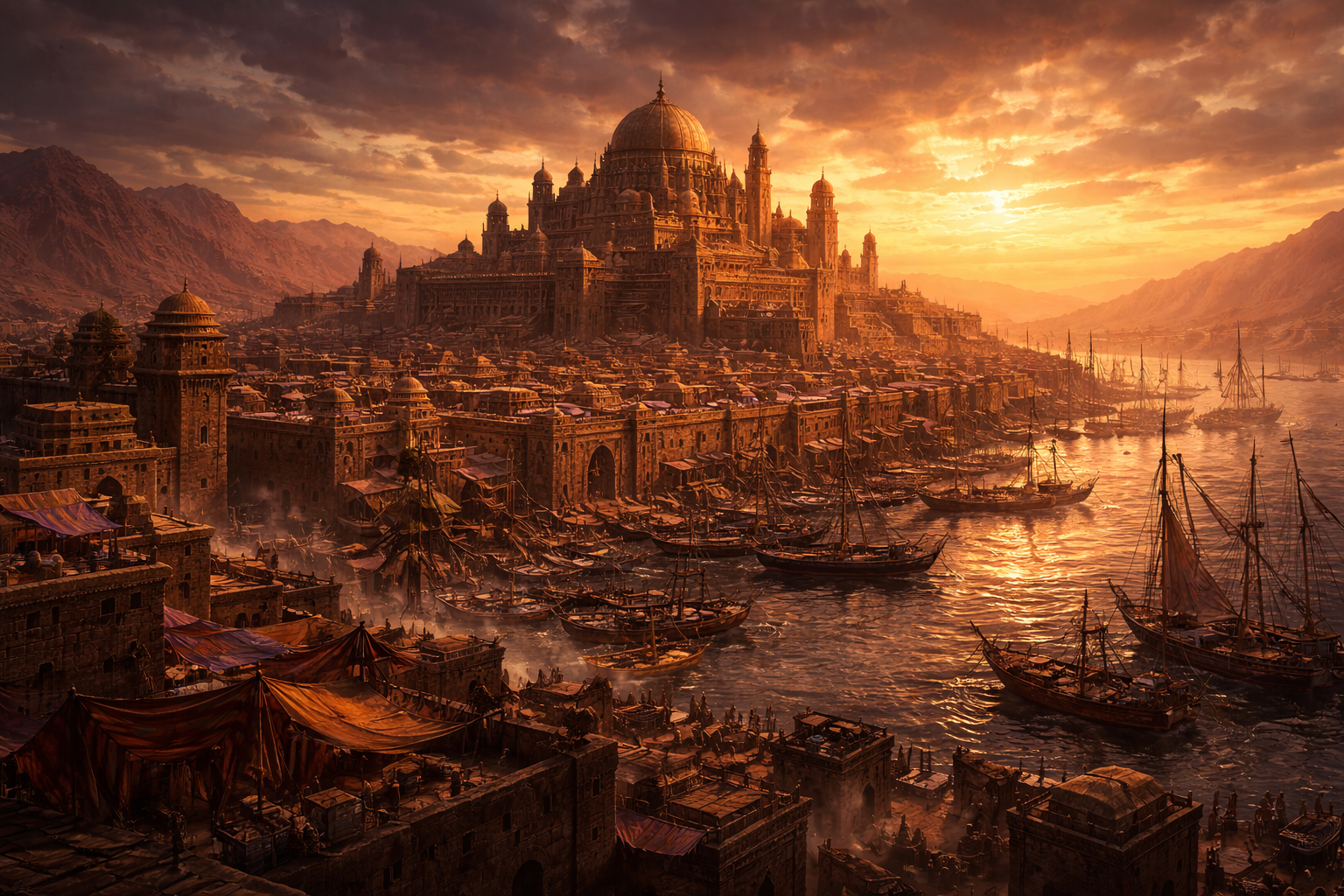
Castle Karnak — Authority Made Stone
Castle Karnak dominates the city skyline, deliberately so. It is less a home and more a threat, its walls thick, angular, and bristling with banners bearing the sigils of Dhuma and the faith of Asmodeus. From its balconies, the Governor can look down on the city like a warden surveying a prison yard. The castle’s lower halls are administrative and judicial, where laws are announced and punishments formalized. The upper levels are sealed, guarded, and rumored to hold interrogation chambers and private chapels. Public access is minimal, and what access exists is tightly controlled. Most citizens have never crossed its threshold, but all of them feel its presence. Castle Karnak represents imposed order. It is where dissent goes to die, or worse, to be made an example of.The Harbor District — Blood and Coin
Closest to the sea, the Harbor District is dense, chaotic, and ruthless. Sailors, dockworkers, smugglers, mercenaries, and informants pack its narrow streets. Taverns sit wall to wall, each one a rumor mill, a meeting place, or a trap depending on who’s asking. The Harborwatch Militia maintains an aggressive presence here, stopping ships, questioning crews, and enforcing Voss’s latest proclamations with enthusiasm. Bribes are common. Arrests are frequent. Disappearances happen quietly. The docks are where the rebellion finds money, information, and bodies. If something illegal is moving through Karnak, it passes through the Harbor District first.The Fortress District — Power Consolidated
This district houses barracks, guard towers, and administrative buildings. It is cleaner, quieter, and far more controlled. Citizens walk here carefully, speak softly, and leave quickly. Patrols are frequent, and arrests here are efficient rather than brutal. People vanish behind doors and are never seen again. The Fortress District is where the Loari guards are most visible, acting as a reminder that Karnak is no longer trusted to police itself. Resistance activity here is rare, risky, and incredibly valuable when it succeeds.The Low End — Where Order Breaks Down
Packed tenements, crumbling infrastructure, and poor sanitation define the Low End. This is where refugees, laborers, and the city’s unwanted live. Guards enter reluctantly and usually in force. Gangs thrive here, filling the vacuum left by absent governance. Fear rules the Low End, but so does loyalty. People remember who helped them and who didn’t. For the rebellion, this district is a recruiting ground and a hiding place, provided they don’t overstep.Zephyr Oasis — Breath Before the Storm
Just outside the city walls lies Zephyr Oasis, a vital water source and a traditional rest point for caravans. Once a neutral gathering place, it has become heavily monitored. Protests often spill out here when Karnak itself becomes too tightly controlled. The oasis still offers relief from the heat and dust, but the sense of peace is gone. It’s a place to meet quietly, exchange goods, or plan something dangerous before returning to the city.Ankhora — The Distant Capital
Though not the campaign’s main stage, Ankhora looms over everything. It is Dhuma’s capital and the source of the authority Karnak chafes under. Ankhora is wealthier, more stable, and politically entrenched. Its decisions ripple outward, but its people rarely feel the consequences. To Karnak’s citizens, Ankhora is a symbol of disconnect and hypocrisy. To the rebellion, it is both a goal and a warning.Threats
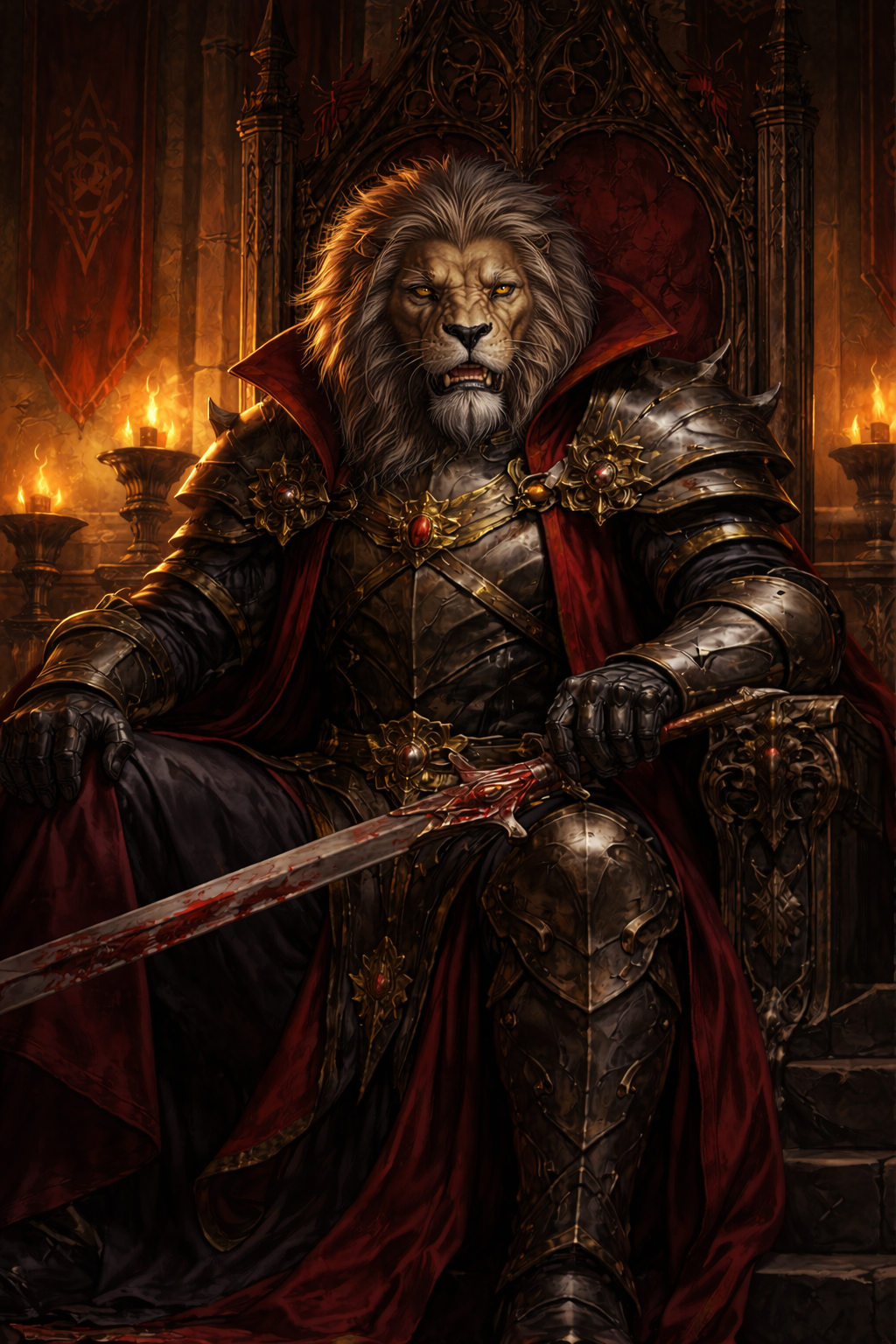
Governor Ivaran Voss — The Face of Tyranny
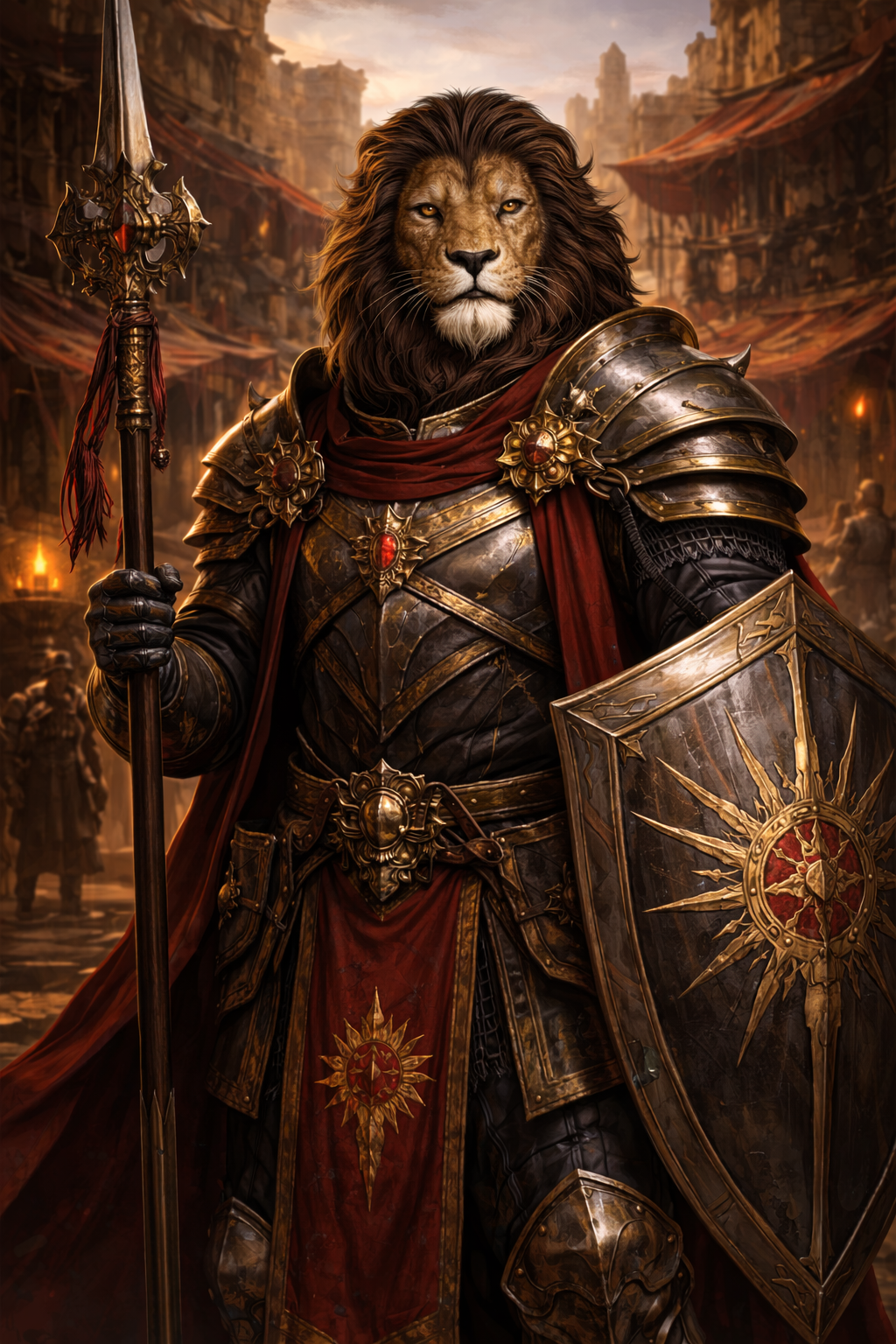
The Loari and Harborwatch — Law as a Weapon
The Dhuma Citizens’ Group — Manufactured Violence
This group exists to make rebellion look monstrous. They pose as loyal citizens, agitators, and patriots, but their real role is provocation. They incite riots, attack protesters, and then disappear behind guard lines when violence erupts. To the public, they blur the line between resistance and criminality. To the rebellion, they are unpredictable and deeply dangerous. They do not care who gets hurt, only that the city burns in a way that benefits Voss.Nox — The Governor’s Blade
Nox is not a symbol. She is a warning. She enforces Voss’s will personally and publicly, making examples of those who resist too openly. Her presence escalates situations instantly. Where guards hesitate, she does not. Rumors surround her nature and her abilities, but what matters is how people react when she appears. Crowds scatter. Fighters retreat. Hope falters. She represents the cost of standing out instead of working in the shadows.Internal Fractures — The Enemy Within
The rebellion is not unified. Ideologues, opportunists, moderates, and extremists all pull in different directions. Mistrust is constant. Informants are real. Personal grudges matter as much as ideology. This is the quiet threat that never goes away. One bad decision, one careless word, one misjudged alliance can do more damage than a dozen guards.The City Itself — Hunger, Fear, and Exhaustion
Karnak is under strain. Food shortages, rising taxes, disappearing people, and constant unrest wear the population down. Desperation creates crime. Crime justifies crackdowns. Crackdowns fuel rebellion. The city will not wait patiently for heroes. If the players hesitate too long or act recklessly, Karnak will tear itself apart without them.
Plot type
Longform Campaign
Related Characters
Related Organizations
Related Locations


Comments