Everywhere has its dangerous parts. If you try hard enough, you can even get robbed in Echo March— Ylva Vilulf
Every nation in
Tairos has its criminal element.
Frial has its warring factions of the
Arcane Underground, up north in
Frostmere are clanless maurader factions preying on the weak,
Baradrad has hidden societies that use the tools of the
Parliament of Ghosts to enrich themselves,
Cinderstone struggles with criminal elements stealing slaves from each other's pens or dealing in sacred relics of the
The Chain Maker, and
Far Harbor is nothing but a loose collection of nautical thugs miming nation building. This is but a few of the most prominent examples, not to mention the continent-spanning operations of the shadowy
Black Thorn Society. Yet,
Ghal Pelor stands out among them all for the brazenness of its criminals and the control they exert over their tiny empires within the city.
Ghal Pelor's Constabulary Department (the GPCD) is incredibly well funded, equipped with
Manacite, trained personnel, fresh recruits, and top-level leadership. Yet they still struggle to permanently eliminate any of the major gangs. The reason for this is the scattered, factional nature of these organizations. While each one's structure is unique, they all share certain commonalities. Namely, operating like a loose confederacy with an ever-changing roster of enterprise-level leadership. For example, while the Dead Flowers Syndicate has central leaders, individual splinter gangs all operate independently. Each pays their tithe to the organization heads in exchange for resources, intel, recruits, and territory. Eliminating Taigam's Violets, the branch of the Syndicate that dominates
Crowcoil, will undoubtedly impact the gang's overall income and status, but does little to damage its overall operations citywide. In fact, all it needs to do is assign a new and talented leader to the district, and, like planting a seed, a new branch will quickly propagate from the dead one and resume operations.
For the average citizen of Ghal Pelor, the violence conducted by these gangs on a daily basis is a very real issue. Political candidates often make solving gang violence a central point of their candidacy. The Chancellor of Ghal Pelor is under constant public pressure to address the gangs as well - seeking solutions that align with the city's budget and the core ideology of the people. Ghal Pelor's culture is built on the ideals of community, diversity, and visceral intolerance for tyranny. Notably, some of these attitudes have shifted in recent years, and a growing number of citizens want Ghal Pelor to act with greater authority. City leaders are left trying to walk a very thin line between liberty and authoritarianism as they seek the right solution. Some pockets within Ghal Pelor's government see this evolving sentiment as the foundation for further expansion. They view the continued gang violence as an opportunity to demonstrate swift, brutal solutions that enrich the lives of law-abiding citizens. Others in power are quick to advocate for more peaceful and enduring solutions, knowing that draconian solutions only push crime further into the shadows and force criminals to become even more violent to survive.
The Gangs of Ghal Pelor
While the city is home to countless criminal enterprises, six organizations dominate above all others. Below are briefs on each, along with some of the most common symbols for each gang and its splinters
Dead Flower Syndicate
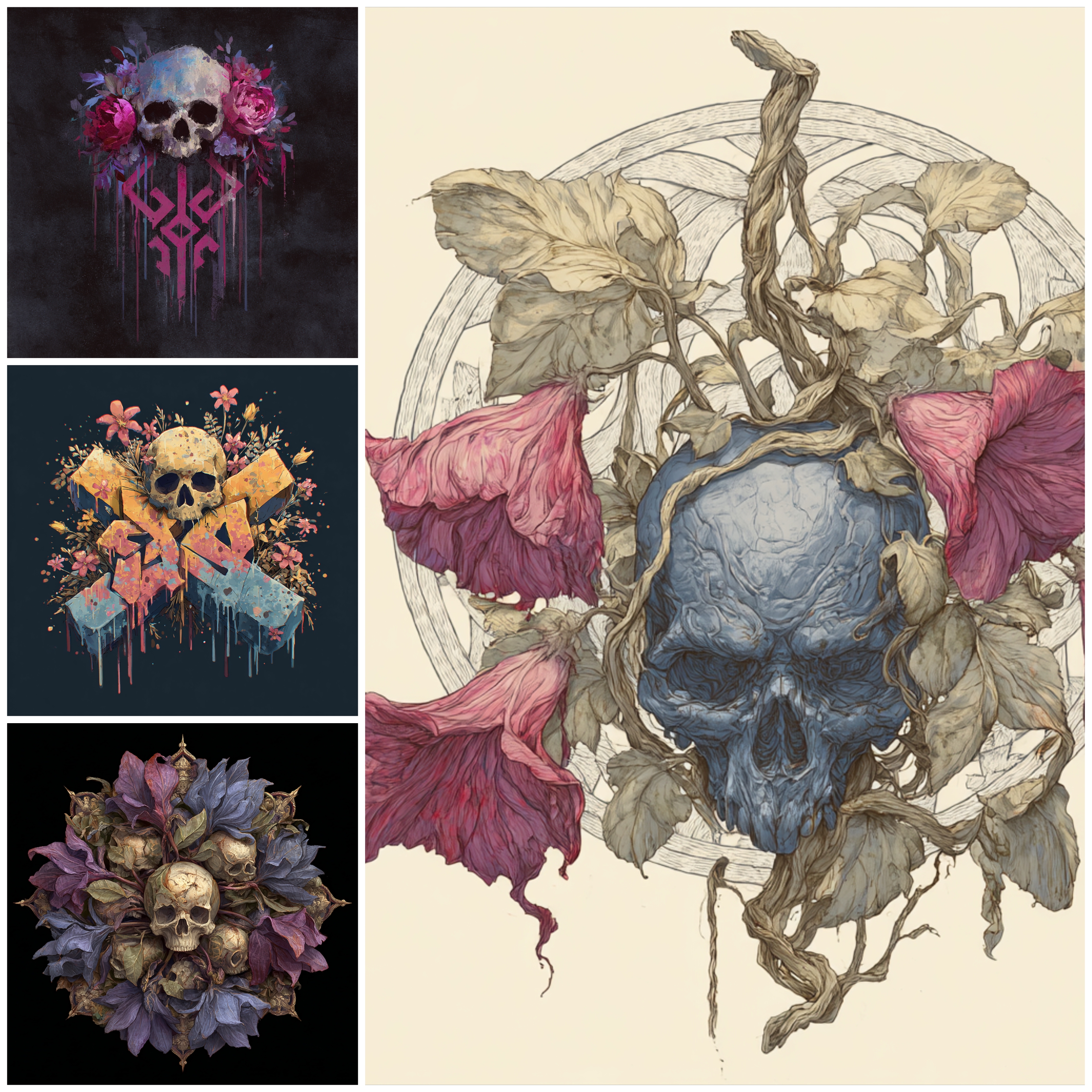
by Midjourney
Primary Territory: Crowcoil, Artisan Row, Ravensperch, Highways
The Dead Flowers are the oldest gang in the city, their name and symbols having been tagged on walls for sixty years now. While once a force to be reckoned with, time has taken its toll on the Syndicate, leaving it one of the most fractious and disorganized of the major gangs. Central leadership struggles to exert significant influence over its many splinters, leading some experts to believe the gang may soon fully dissolve or be absorbed by the Black Thorne Society. Others watch the struggles of the minor splinters and the different rising stars vying for power and fully expect a new golden age for the Dead Flowers to bloom.
While their areas of expertise vary from splinter to splinter, the Syndicate as a whole excels at narcotics operations. They have numerous contacts with drug brewers, smugglers, and other inventive entrepreneurs who can meet the demands of addicted clientele. Stardust, a drug made from spent manacite, is currently very popular, and the Dead Flowers are capitalising on that.
Lokkriluhn
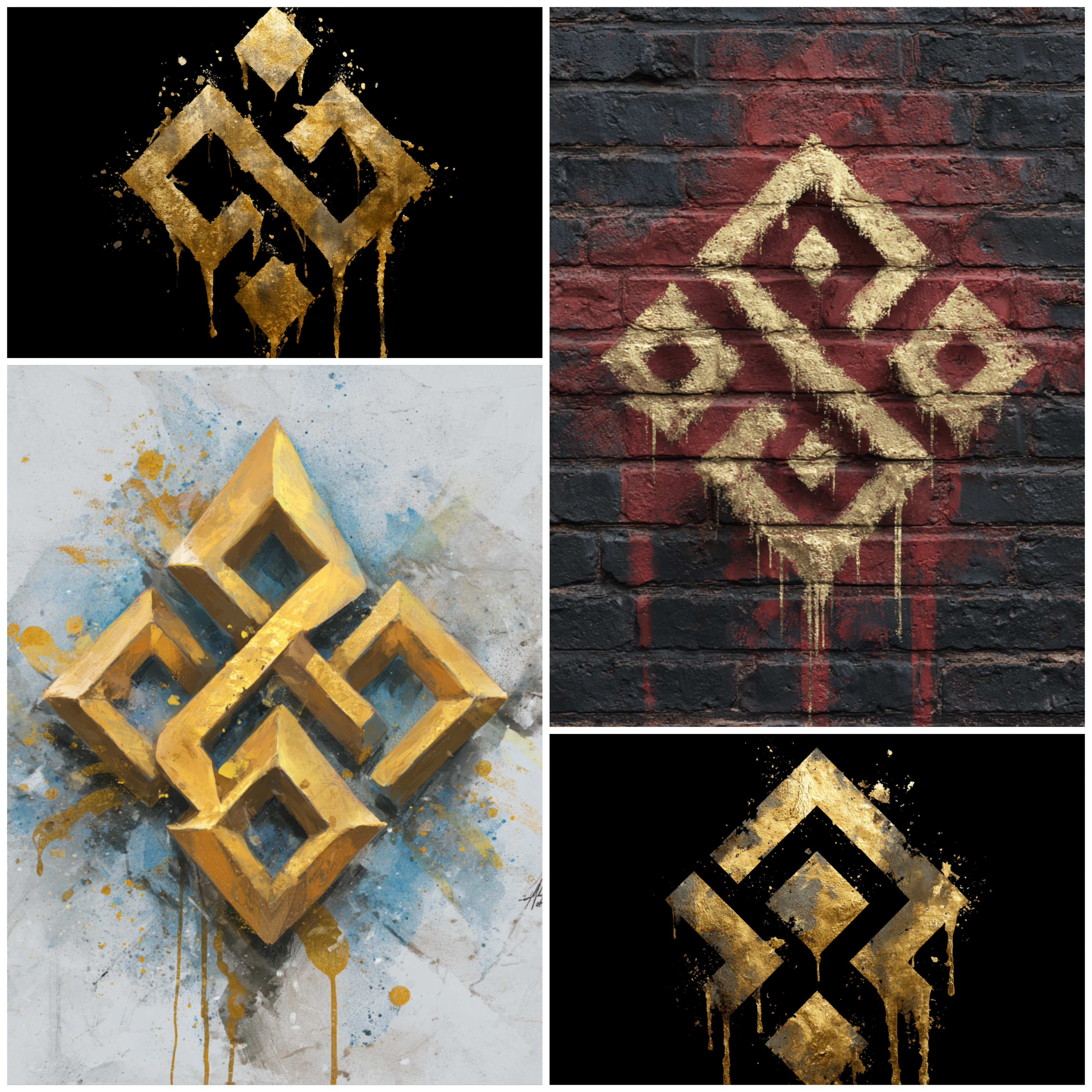
by Midjourney
Primary Territory: Kretche, Ackley Market, Artisan Row, Settlement of
Ackley
Their name translates roughly as 'exile' or 'marked'. Most commonly, they go by the name Forsaken when using
theCommon Tongue. The most well-known fact about the Forsaken is their demographic: they are a dwarven gang, and all its members are dwarves. They are extremely xenophobic, believing that dwarven heritage was being erased from Ghal Pelor and believing the city should still belong to
Ghal Ankhar. So much so that they blend much of the traditional Ghal Ankharan culture into their gang. Leaders are referred to with mountain titles such as stone lords and stone princes.
In their eyes, they see themselves as championing dwarven interests. Other dwarves in the city mostly see them as trouble - shaking them down for protection money, worming their way into dwarven politics and communities, and dragging good dwarves into the mud with them. The nature of their beliefs makes them a very small and isolated gang by comparison with the other criminal powers in the city. However, it also makes them dangerous underdogs who often resort to excessive force to prove their strength. They use their fervour and talents on protection schemes, robbery, and species-targeted killings. Forsaken thugs are also frequently approached by independent operations in need of hired muscle for quick and bloody crimes. While they make for very disagreeable teammates, the gang's leadership will force individual members to play nice when required, so long as there is a considerable payout on the line.
Copper Stars
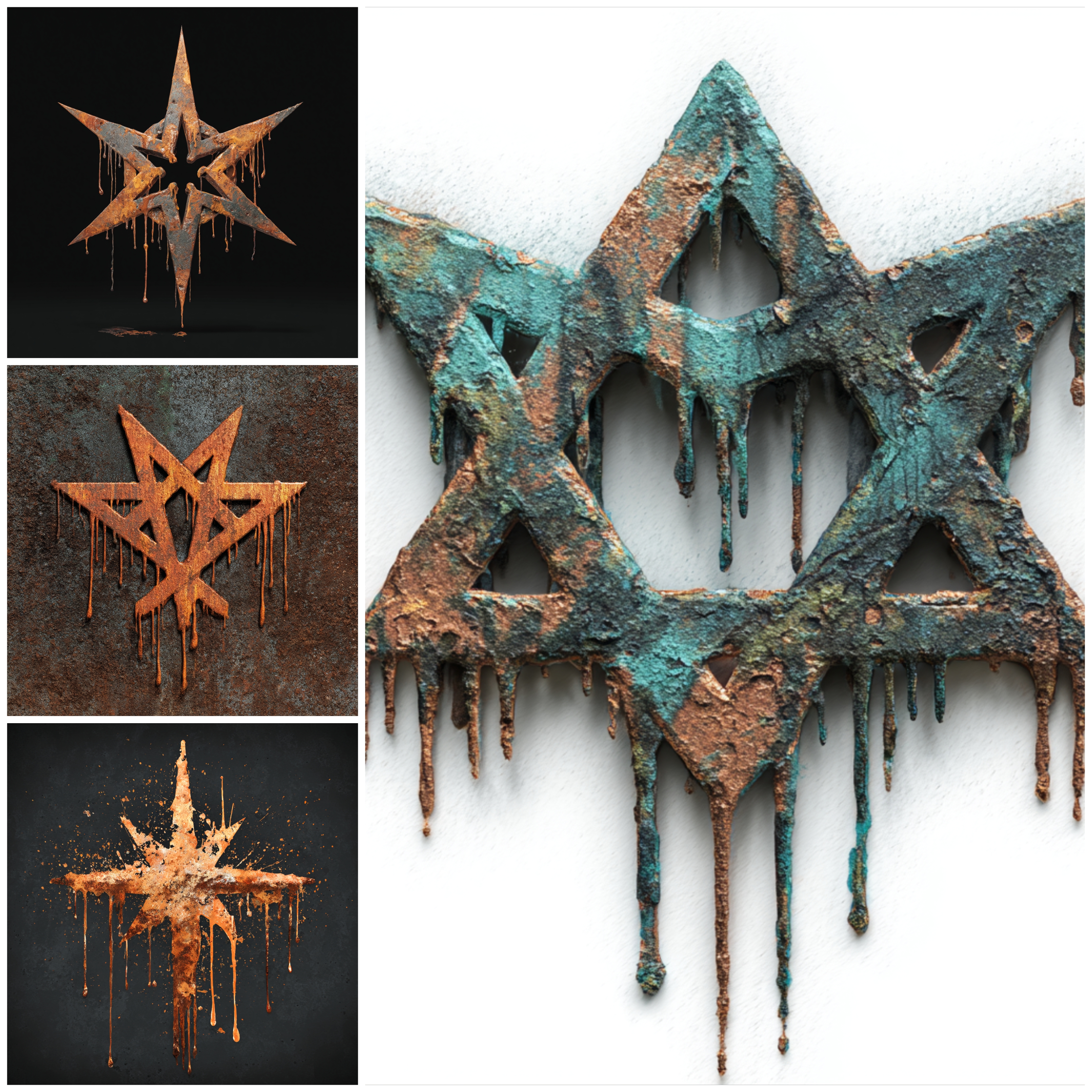
by Midjourney
Primary Territory: Brisben, Echo March, Lakeside Market, and highways
The Copper Stars are often compared to the Lokkriluhn. They are heavily elven and half-elven in their demographics and draw on elven heritage in their criminal culture; however, it's not elven blood that's important to them, but rather elven guild history. Specifically, the Talishaade, a Melanthrin guild of assassins said to be long defunct, once held a prominent place in the nobility of the elven capital. The Talishaade were mythical, revered for their elegance and efficacy, a society of killers both feared and venerated. The Talishaade are supposedly long gone, weakened by their involvement with the
Fae during the Queen's War, and outlawed by Melanthris' government under pressure from other governments and the elven peasantry. Many pretenders, splinter groups, and lone members set out on their own to build personal empires - most failed quickly, and others were absorbed into the Black Thorn Society. The Copper Stars claim to be one of the rare few that took root and thrived. Opinions on that success vary, though. None can verify whether any original members of the Talishaade actually lead this gang, and some experts doubt this is the case, given their often sloppy work, at least compared to the guild of near-immortal assassins they claim to have originated from. Many look at the Copper Stars as a group playing dress-up, using myth in place of actual earned reputation.
While pitting them against the old Talishaade leaves a lot to be desired, they are an impressive and dangerous group in their own right. Their numbers are open to non-elves who are willing to adopt their secretive ways, which helps bolster the gang's numbers. They are well known for pulling off burglaries thought impossible by other factions, displaying feats of stealth and skullduggery coveted by all who hire them. They are also feared assassins and talented bodyguards for the right price. While all impressive, other gangs are growing frustrated with the Copper Stars, who deploy highwaymen outside the city to rob incoming caravans. Caravans, which often carry the goods of neighbouring gangs.
The Silence
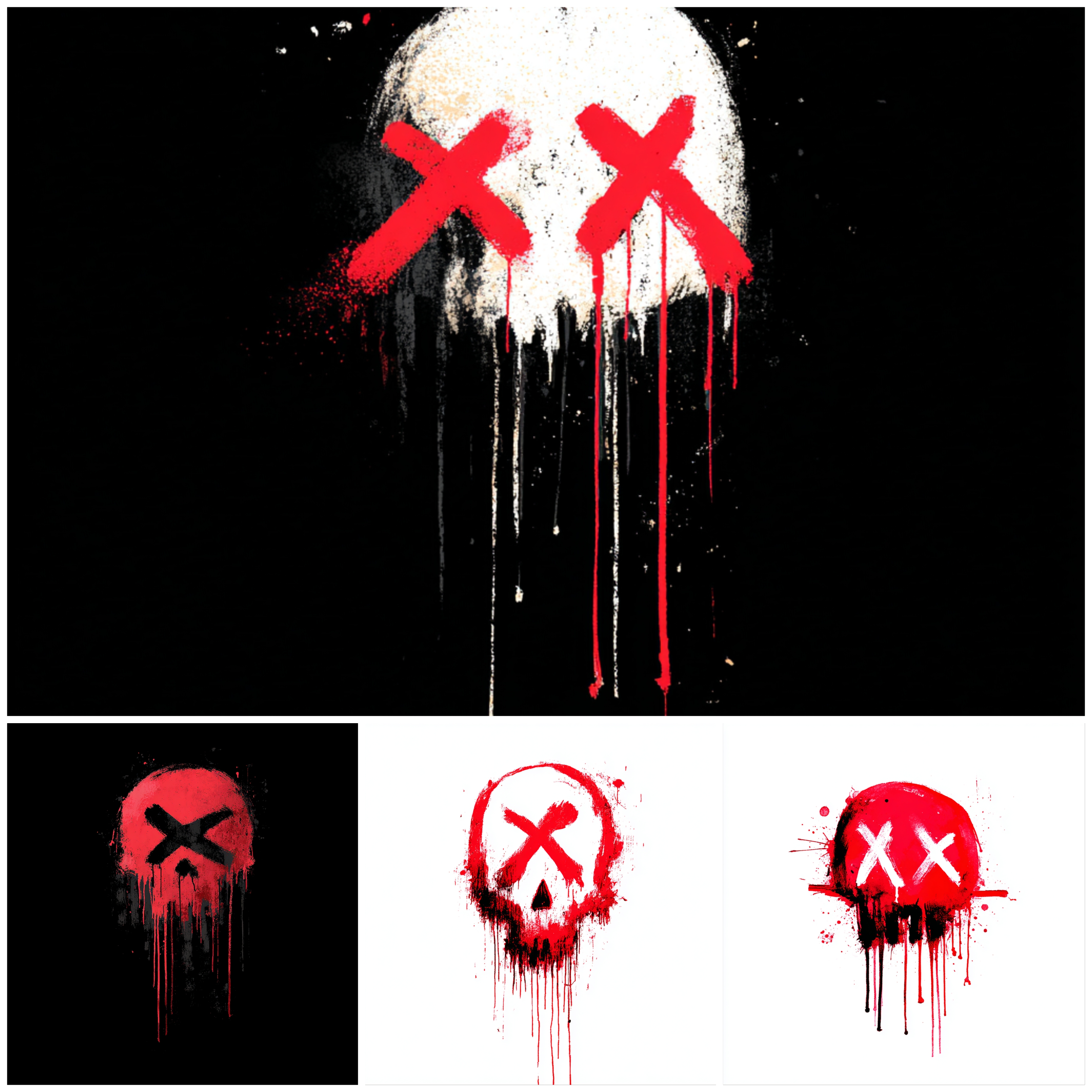
by Midjourney
Primary Territory: Lakewatch Vale, Lakeside Market, West Village, Union East, Echo March
Often viewed as a contender for Ghal Pelor's most successful gang, the Silence owes its success to strict codes of obfuscation, working through intermediaries and low-level members, and a willingness to work any job or with anyone. They use the city's numerous fixers to disseminate work to the criminal masses, often hiding who the job really benefits, letting others do their work for them. Leadership is rarely seen and seldom is directly involved in operations, preferring instead to "uplift" minor members into major street-level bosses until they inevitably crash out. This style of organisation makes the Silence uniquely insulated against damage, but the downside is a lack of street smarts from their often green crews. Meaning, their tried-and-true path to success is just throwing one crew after another at any given problem until it's solved.
The Silence is not known for being particularly violent or bloodthirsty, but that is an illusion they deliberately weave. They outsource their most gruesome crimes to others, who are often oblivious to who is truly financing the gig. Thus leaving the Silence with a reputation for activities such as extortion, blackmail, gambling, narcotics, pleasure houses, manacite, and intelligence.
The Beamtown Basilisks
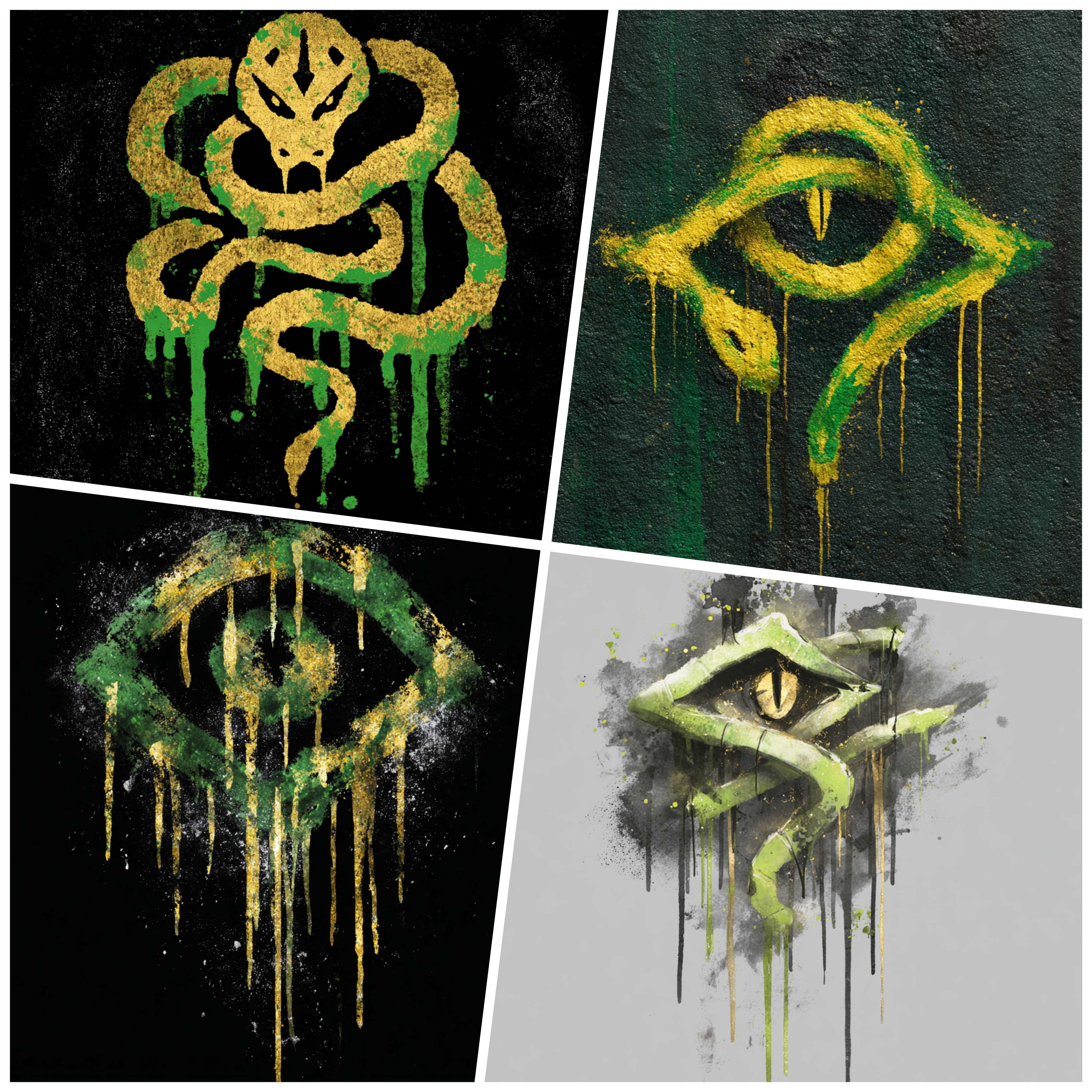
by Midjourney
Primary Territory: Kretche, Brisben, Lakewatch Vale, most docks in the city and fishing hot spots outside
The newest of the city's major enterprises, the Beamtown Basilisks, originated from the areas around Kretche's and Lakewatch Vale's borders. This area of the city has been referred to as Beamtown for about a decade now, since the night of the Black Wind and the storm that levelled much of it. Construction efforts have been numerous, but they quickly run out of funds or fail outright because of crumbling infrastructure, leaving behind the skeletons of buildings. Displaced youths would scale these dangerous remnants, dodging constables and seeking shelter high up here, among the beams. At some point, those kids grew up, but opportunities never followed. The region continued to decay, and those little gangs began consolidating, organizing, working together to build the kind of opportunity the city kept promising but never delivering on. Now, they run entire operations from inside crumbling highrises and scaffolding. The constabulary know better than to visit the beams, and the other gangs look the prospect of invading one of these structures as a death trap.
Many look at these scrappy, younger criminals as enterprising and really sticking it to both the city that failed them and the gangs that prey upon them. This would be a gross underestimation of the danger the Beamtown Basilisks pose. They collect enormous amounts of protection money from smaller dockside operations, they strong-arm locals into supporting their efforts, they're quick to use violence to show they're serious, and they are outright cruel to the river halfling communities they frequently visit outside the city. Many of their members know their way around a ship as well, and often attack inbound cargo vessels. They also frequently make difficult fishermen disappear while out on the lake. The bloated bodies of those who underestimated the Basilisks dot the shores of Lake Tairos and its
rivers.
The Ghosts of Trellaun Row
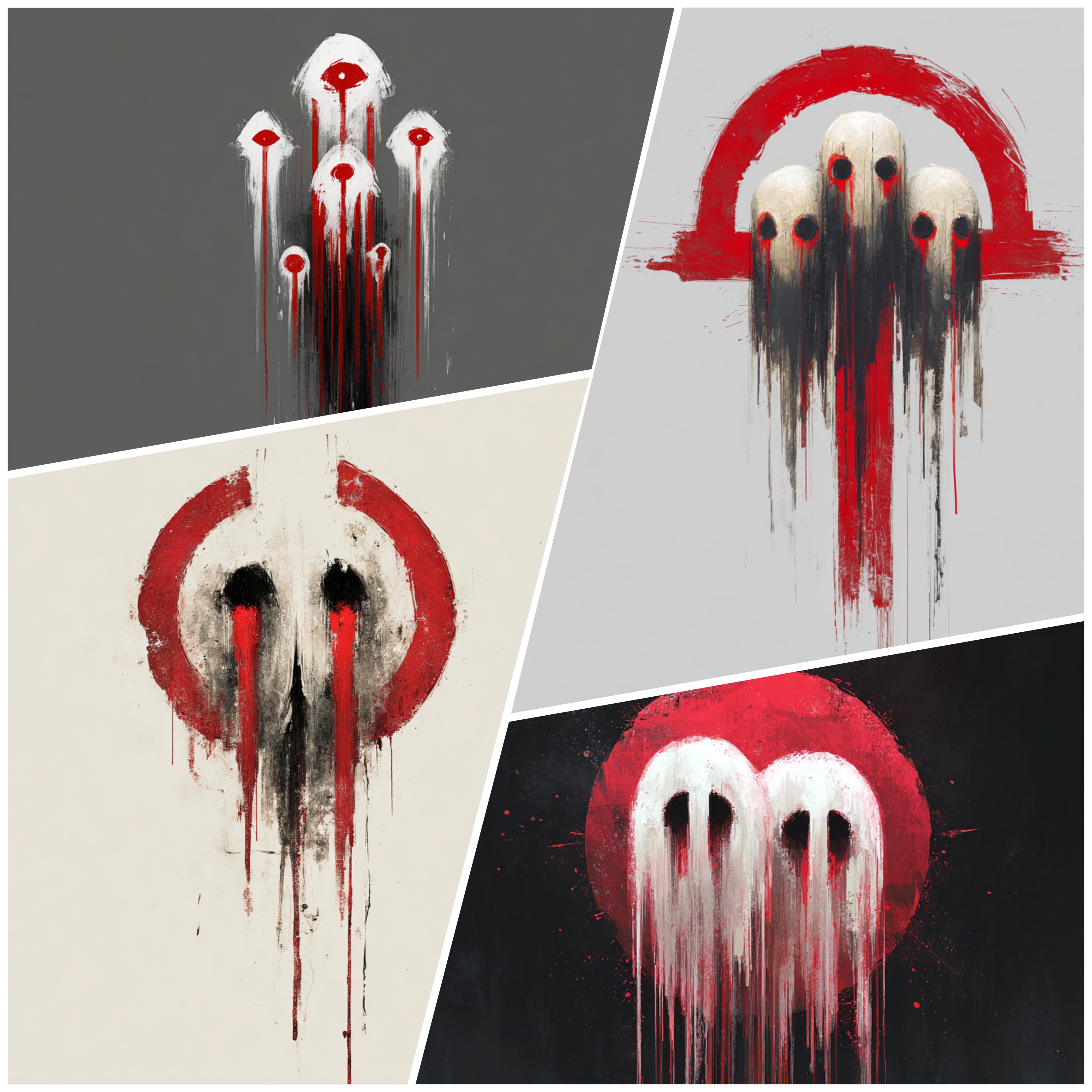
by Midjourney
Primary Territory: Trellaun Row, Mercy Hill, University Square, Artisan Row, Crowcoil
Where The Silence may be the most successful operation in the city, the uncontested winner of most reviled is the Ghosts. They've been in operation for almost twenty years now, since the fire that claimed most of Trellaun Row. When one thinks of the most unspeakable acts of criminal violence in the city, they are usually thinking of something carried out by this gang. Victims are butchered to serve as an example to others, and often their remains are subject to necromantic spells, leaving a ragged and hungry corpse behind as their calling card. Their message is loud and clear - cross us, and we come for your very soul.
Their membership is filled with individuals who have a sadistic obsession with their own superiority, believing truly that might makes right, and anything they want they can have as long as they spill enough blood to earn it. Their aesthetic is also the most... spooky. They adorn themselves with necromantic symbols, icons of death, ritual scarification, and tattoos of their ghostly badge. They lurk in parks, ruins, and dead alleys by night, conducting their rituals. They frequently gather together their many splinter groups for midnight moots held in Whispervale Cemetery. Their grim culture is a hodgepodge of funeral aesthetics from every possible culture, all woven together into something that any onlooker would recognise as a visage of death. They use this in the commission of their criminal activities, which most frequently are: contract killings, drugs, theft of magical items, arson, and vandalism.

Comments