
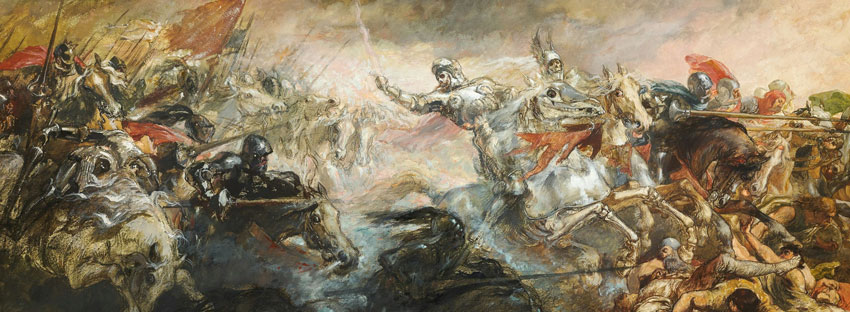
Magic
Magic, as it's fundamental level, is a powerful natural force that exists on the planet. Scientifically speaking, it is a type of element like oxygen or carbon dioxide that is infused with the air and has helped build and create numerous living things. But there is also a spiritual and metaphysical aspect about it that many scientists, practitioners, and scholars doubt they will ever truly understand. To cover every aspect of magic is impossible as there are numerous exceptions to preconceived laws and mysteries that may never be uncovered.
To start, one must first understand the presence and weight of magic dealing with the world. Magic is everywhere and follows the law of matter, in the sense that it cannot be created or destroyed, only manipulated and transformed. Magic is a natural element found on the planet, similar to any other elements such as oxygen, hydrogen, nitrogen, etc. Every single living being from the smallest sprouts to the greatest giants possess a capacity for magic though a number of factors including willpower, species, bloodline, physical and mental capabilities, and luck can alter one's potential.
Species such as faerie are almost entirely magical, meaning their potential is far greater than that of say, a lycan. It should also be noted that magic has its own set of restrictions and laws that can severely limit a user's abilities. Sometimes, the more potential one has, the more limits they possess.
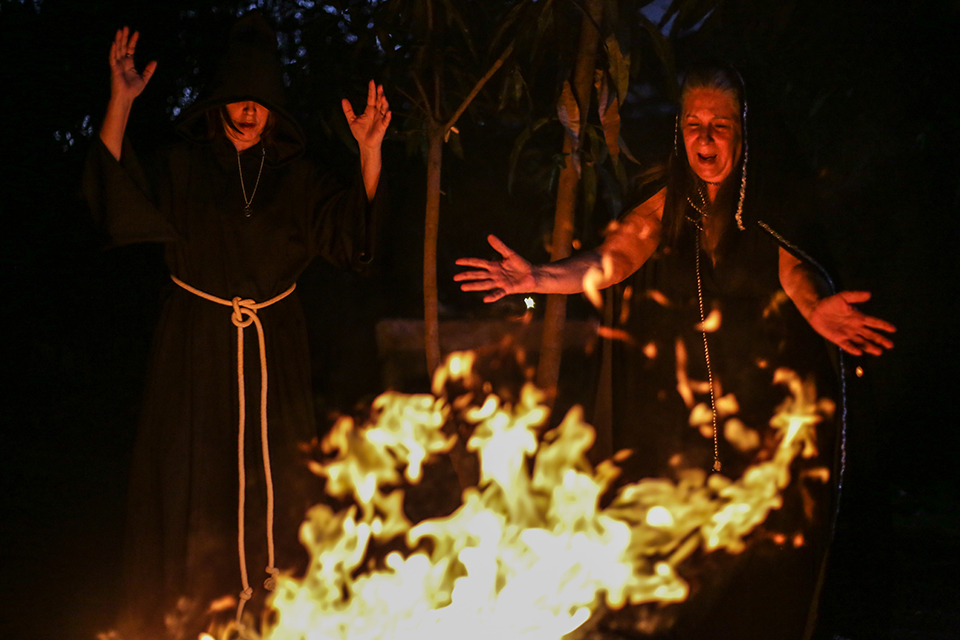 An individual's magical capacity can be nearly or completely negated in some practices of magic, mostly those concerning rituals or making a pact with a magical being such as certain fae, deities, or daemons. When these forms are practiced, the vessel or the act of the ritual usually steps in to play the part of a 'container.' In a similar fashion, enchanted objects also do the same. With the right runes or warding, these objects can act as an additional container or a separate one entirely.
Some creatures are immune to magic and when it is used against them, it is absorbed and transformed into a new kind of energy or something else. For example, spirits and daemons remain unaffected and while it fuels the lingering energy of a spirit, it will be absorbed in daemons.
An individual's magical capacity can be nearly or completely negated in some practices of magic, mostly those concerning rituals or making a pact with a magical being such as certain fae, deities, or daemons. When these forms are practiced, the vessel or the act of the ritual usually steps in to play the part of a 'container.' In a similar fashion, enchanted objects also do the same. With the right runes or warding, these objects can act as an additional container or a separate one entirely.
Some creatures are immune to magic and when it is used against them, it is absorbed and transformed into a new kind of energy or something else. For example, spirits and daemons remain unaffected and while it fuels the lingering energy of a spirit, it will be absorbed in daemons.
3 Laws of the Arcane
Taught in academies and accepted universally is the 3 Laws of the Arcane, natural laws that should not be confused with actual laws that are set up to govern the use of magic.- Magic is an uncontrollable force of nature and therefore can never be sustained or contained.
- Following the law of matter: The essence of magic cannot be created nor destroyed. It can be manipulated, transformed and redirected.
- Magic holds a price and will demand something of higher or equal value in return.
Exceptions
There are a few exceptions to some of the laws and mostly are either very specific or has to do with species. One such exception is that of creatures of fae origin such as—but not limited to— pixies, faeries, dragons, and dryads. These creatures are almost entirely made up of magic energy allowing them a greater use that no other species sees. They also pay little to no cost when it comes to magic since their life force itself is magical in nature. This limits them in their uses of magic though, such as a red dragon not being able to do any other kind of magic besides that of fire1. There is also the matter of shifters (also known widely as animalkin) where there magical capacity/potential revolves around their animal counterpart and they usually have a limited amount of magic. A hybrid can either take either parent's capacity or a percentage between them. They will never have a capacity that is greater than the parent with the largest potential. If a hybrid happens to be a mix of two fae parents, for example, the hybrid's capacity depends on which parent has the more dominant genes though recessive genes or a random percent may beat them both out.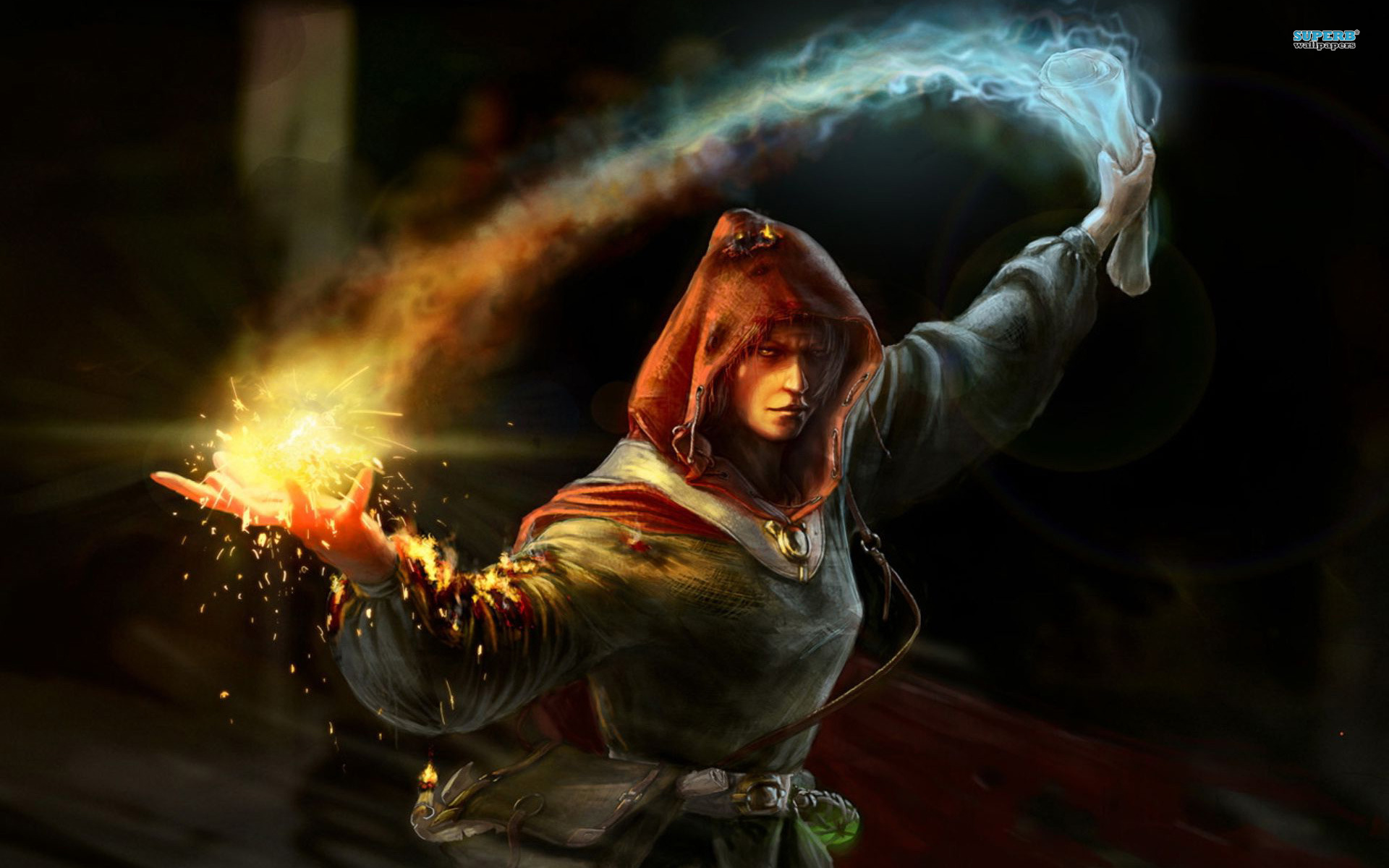
Type
Metaphysical, Arcane
Magick, Arcane, and Thaumaturgy
Table of Contents
Trivia
- Time travel is possible and resides under divination (though some wish to shift it to Elemental/Nature) but it is so highly corruptible that many make no mention of it. The act of time travel means a user is playing with raw magic and time, two forces that do not like to play together.
Magic Articles
Types and Specializations
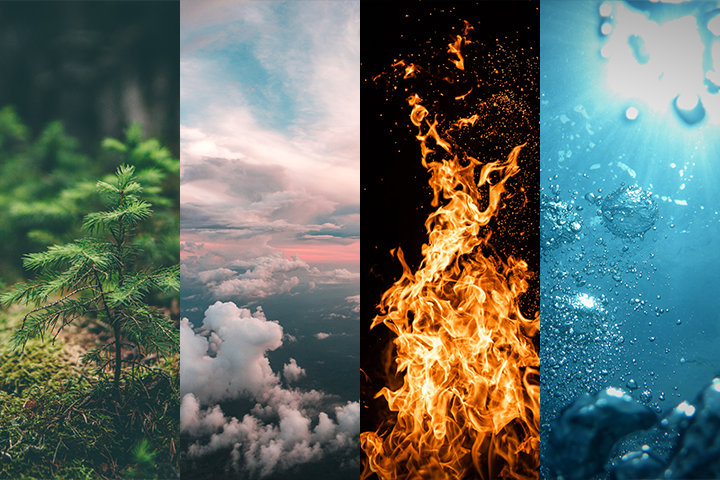
The world supports an entire host of different types of magic and ways to practice them. General thaumaturgy studies in schools will talk about the six broader categories but never go deeper than a few examples. Magic academies go far deeper but not enough to give one a vivid example of the true potential of each category and sub-category. For that, there are specialization classes and schools. It should be noted that most of those who master their type/specialization of magic may find their magic to be unique. A gardener who works with fertilizers may learn nature magic and upon mastery, find their plants no longer need fertilizer when magic is applied. Typically, when mastery is met, a user will find their magic to be quite potent and helpful in the field but they are cut off from every other type of magic due to the way their magic shapes itself. When this happens many will refer to the process as soul mastery, as many believe that one's soul speaks to the growing magic to attain mastery. Through this, specific specializations come about. Below are the types of magic and some of the more broader specializations. It should be noted that this is a general idea of them, each will have their own article going further into depth.- Elemental / Nature: One of the most common types of magic and usually the type of magic that most creatures, such as the fae, have. Elemental and nature magic concern anything that deals with natural phenomenon and the natural elements like water, fire, earth, etc. As well as being common, it is highly popular due to how helpful and powerful it is.
- Divination / Prophecy: Typically referred to as divination magic but sometimes known as prophetic or spirit this is a broad type of magic. On the surface, this type concerns the study of secrets, dreams, the future, time, and prophecy. It has heavy ties with spells, warding, and rituals.
- Necromancy: Though no type of magic is frowned upon, it's hard to argue the fact that out of all of them, necromancy is the one that raises the most eyebrows. Necromancy focuses on souls and the dead, specifically the ability to raise the dead and give them back some manner of life. It is one of the most dangerous types due to the magic cost. Typically to raise a body, one must give life force, which leads to a nasty cycle. It should be noted that necromancy, at the time, also has a sub-category of things such as blood magic, soul manipulation, etc. Many wish to change this but nothing has been started.
- Alchemy / Artifice: This type of magic has many names including runic and enchantment. At the very base, this type of magic is more of a mix between magic and science. In its simplest form, someone summoning fire needs to have the right conditions such as heat or a fire source. While alchemy goes deeper. In its most complex form, fire can be broken down to its chemical properties and therefore utilized. Breaking things down and rebuilding or manipulating them into something similar is the entire basis of alchemy. Alchemy can take a regular object and give it unique and magical properties.
- Shape: Shape magic has a tendency to bring forth argument. It usually is caught up in the argument that it is not magic as much as just a state of being. While others argue that it should not be a category in of itself but rest under the broader topic of illusion. Though each argument holds some sort of merit, shape still remains it's own thing. Shape defines the ability for one to change their initial form whether it be an entirely different creature, certain features, or even transforming into an entirely different thing. It is an incredibly difficult kind of magic to master due to just how unpredictable it can be pertaining to cost.
- Illusion: Illusion magic is a powerful form of magic that usually is summarized to just being able to create fake visions and images. Though this is not entirely wrong, most seem to forget all that falls under such a discipline. Deceit, psychological manipulation, and the ability to perfectly replicate something. Due to this, Illusion's sub-category contain many things dealing with the mind.
Wisp Fever
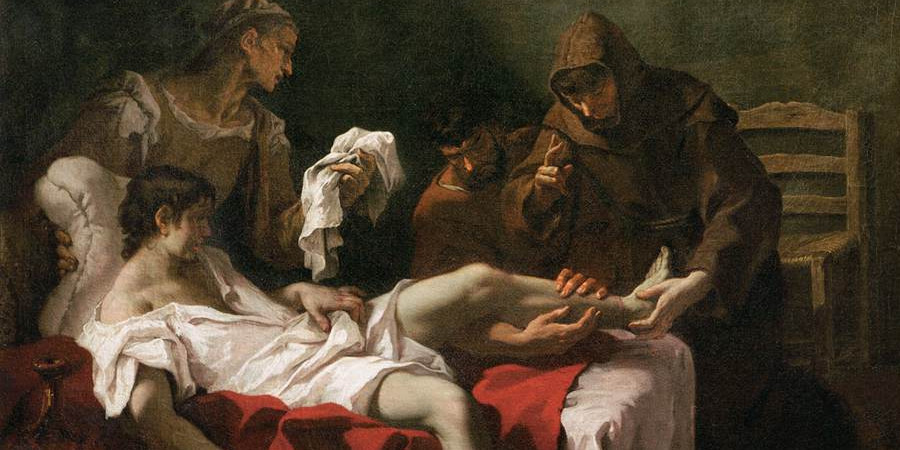
Benign
Also commonly referred to as a common fever or magic sickness. Benign wisp fever can easily be misunderstood for a common cold as it shares all of the same symptoms with one added benefit, headaches and general weakness ensue when attempting magic. This is the most common form of wisp fever and usually leaves after a couple of days of recovery. This form can also be contracted due to close proximity with another, though this is not common and means that the individual contracting it is already susceptible.- Lifespan: Two days to a week. Anything more is mostly due to a user refusing to rest and can lead to a greater issue.
- Treatment: There is no true treatment for this. One can take medicine, see a herbalist, doctor, etc. to help the body recover but the only true treatment is rest. Not performing magic for a few days will aid this.
- Danger: Low, almost nonexistent.
Mild
It usually gets lumped in with benign due to many referring to it as a fever or magic fever. Mild wisp fever is associated with the same symptoms as benign but with added symptoms such as fevers, nausea, vomiting, and migraines. It is caused by the same thing as the other, an individual not understanding their limits.- Lifespan: Two days to a week. It is not incredibly rare for one to find themselves experiencing pain in the second week.
- Treatment: Similar to benign, the best treatment is rest though there are numerous medicines to dim the pain one might be feeling. This will not speed recovery or anything else.
- Danger: Mild.
Chronic
Taking a big jump is chronic wisp fever, also known to some as the Sorcerer's Cough or Red Tower Sickness. This is what people usually think of when wisp fever is brought up in conversation and is where some of the appearance factors come in. Chronic wisp fever holds symptoms such as nausea, dry coughing, vomiting, nose bleeds, occasional blood coming from the eyes, hot and cold flashes, and general lethargy. Along with physical issues, one will also see a change in their general appearance. The sclera turns red, some skin tones may see a higher saturation, and dark red blemishes may appear randomly across the skin.- Lifespan: Anywhere between two weeks to a few months.
- Treatment: Though rest is deeply needed, medicine is needed to combat Chronic Wisp Fever. One must drink plenty of liquids and many recommend eating less to allow the body a sort of reset and to help stop the vomiting and dry coughing. Usually after, some will find their magic weaker, this is normal and it will get better in time.
- Danger: Severe.
Severe/Grave
The worse level that can be divided into severe and grave. Along with all of the symptoms one will also find themselves with weight loss/gain, bruising, bodily pain, diarrhea, blood in the urine, shortness of breath, numbness, and seizures. Along with Chronic, more appearance symptoms will also appear. The sclera grows a unnatural yellow with noticeable veins, color in the eyes may also shift and the pupil will be reduced, along with rashes and bruises that may never go away, and skin tone grows noticeably paler with veins more easily appearing. Getting its namesake, small balls of wisps will begin to form around the patient, feeding on the sickness. This is a horrible sign as the wisps prolong the pain and transforms a sickness into a disease. Many who do survive this form of wisp fever find themselves never being able to use magic again and becoming severely allergic to magic itself. One can compare it to someone who is allergic to water or the carbon dioxide in the air.- Lifespan: Some never see themselves healed from this level of Wisp Fever.
- Treatment: Medicine and constant treatment and even then recovery is not promised. Usually, like cancer, patients go into remission. Unlike cancer, there is no tumor to remove and most doctors can do nothing but work to remove the wisps that appear.
- Danger: Severe and life-threatening.

Comments