
Varenthian
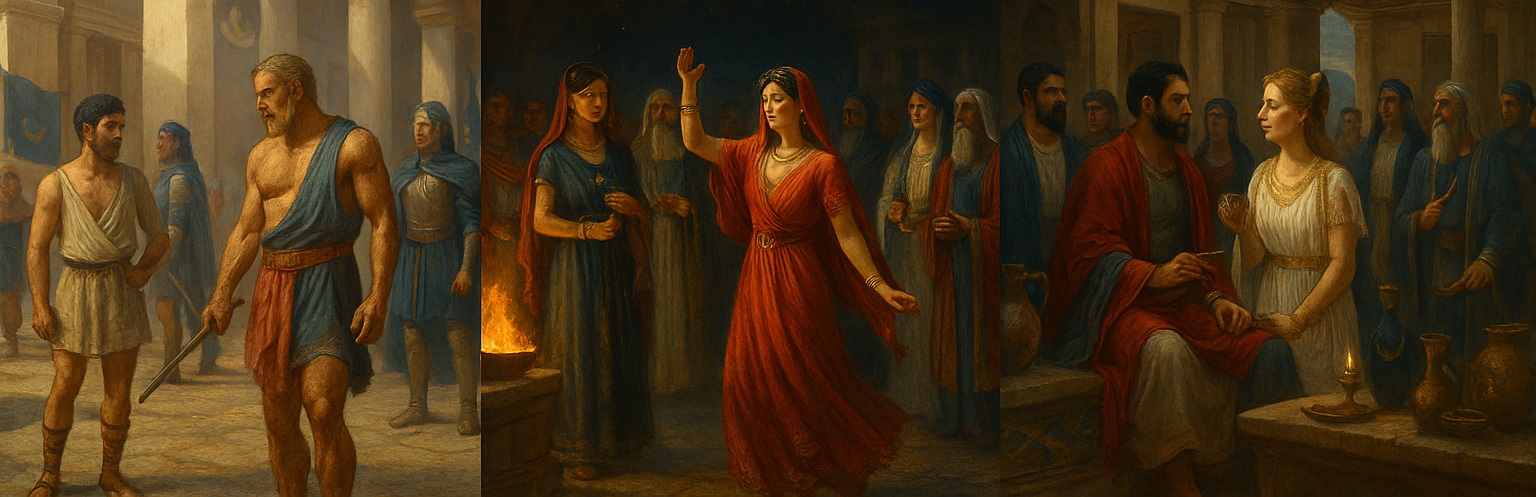
The Varenthians are the cultural group that were the inhabitants of Varenthia, the term being equally applied to Humans, Elves and Half-Elves.
At their height, the Varenthians prospered from the sea. Pearl-harvesters and fishermen brought wealth from the bay, traders exchanged goods upon their quays, and noble families adorned themselves in silks, pearls, and coral. Their festivals were famed for beauty, their temples for devotion, their markets for variety. Yet prosperity made them coveted and so the city was stormed and her people scattered. Following the sack of their city the Varenthians fled to Jaryanne where they endure into the Imperial Era. As testament to their legacy, the peoples of Sutra Bay still refer to all Northerners as Varenthiya.
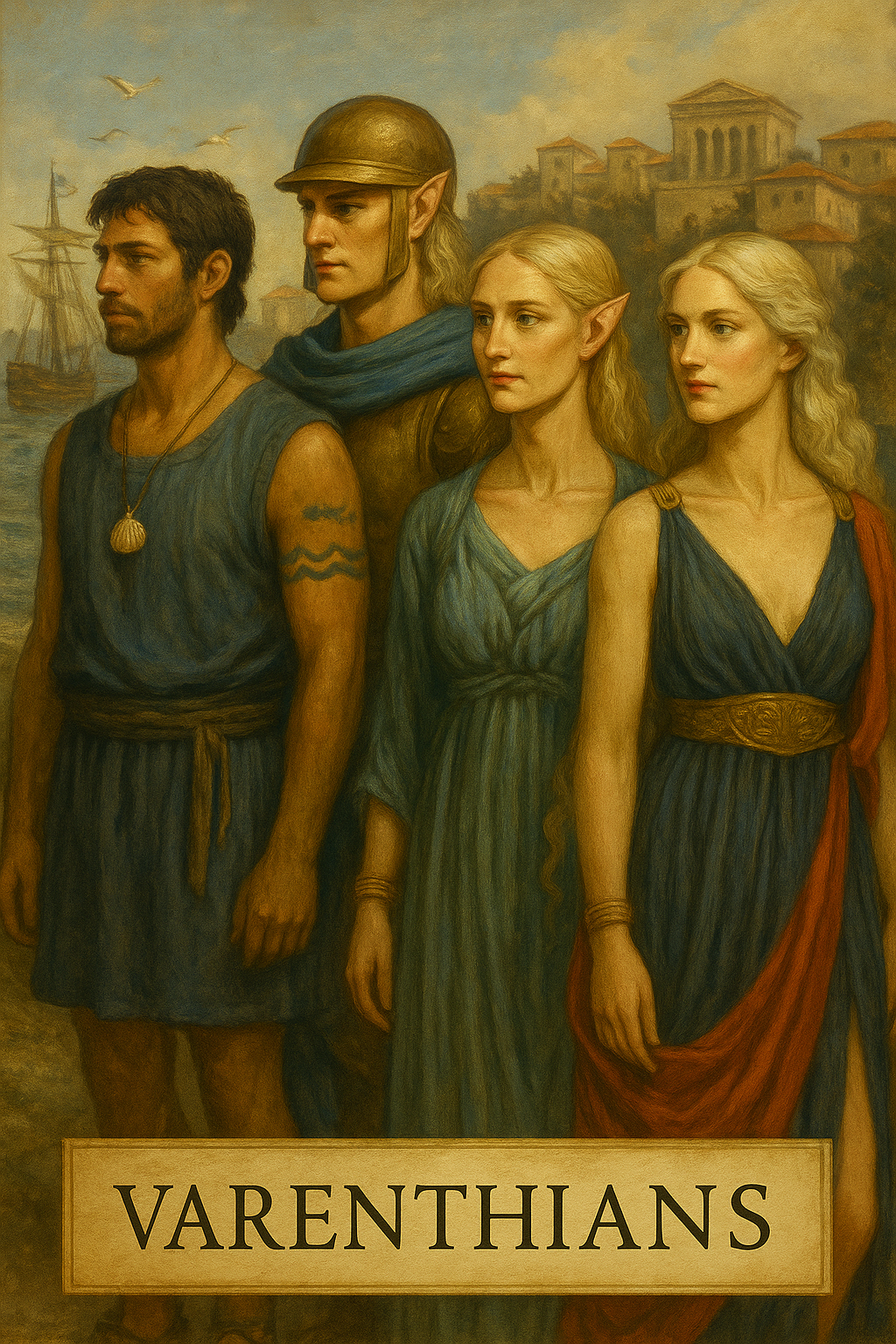
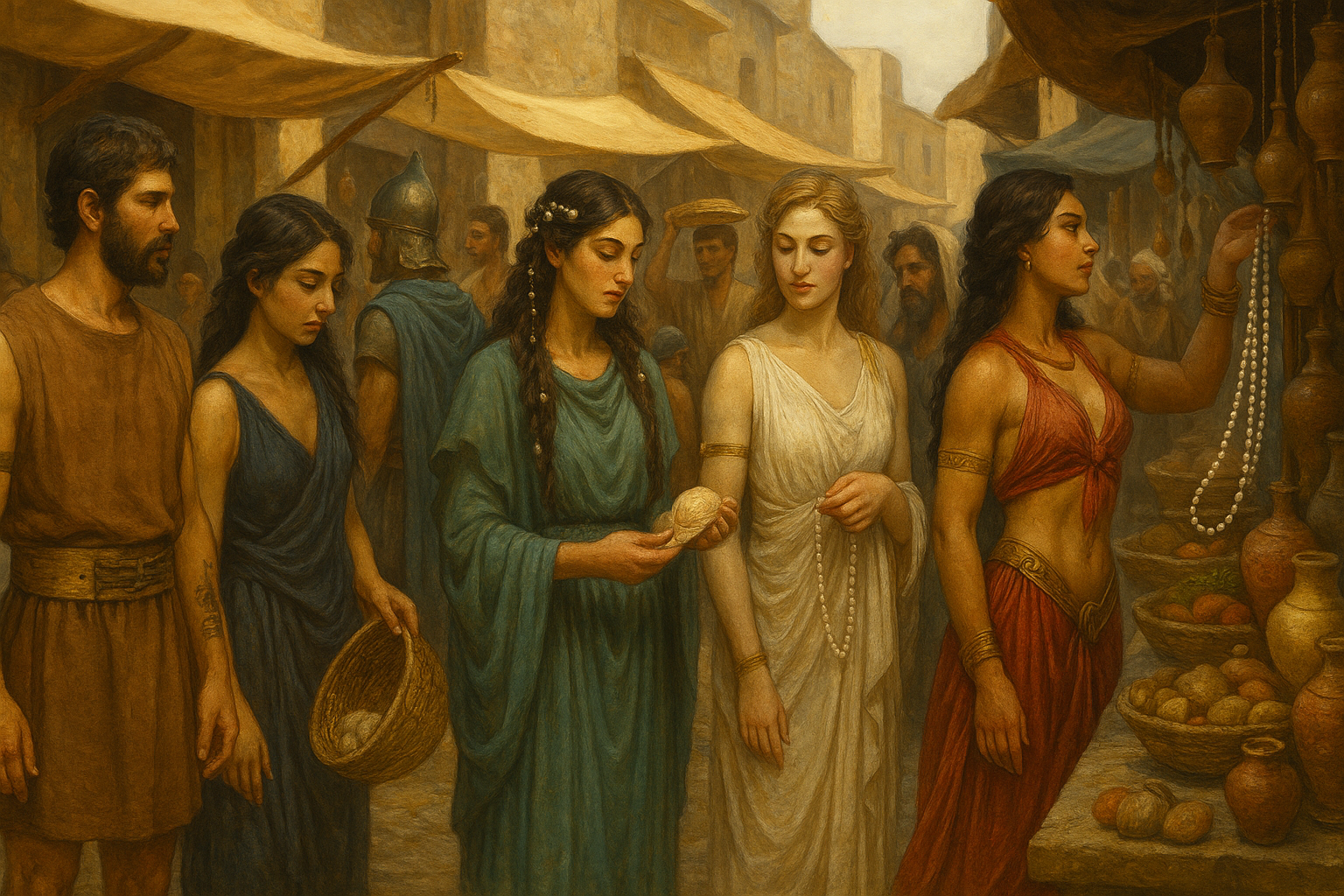 Varenthian Humans bore the sun-browned skin and lean build of sailors and fishers, their dark curling hair often bound with cord. Tattoos of waves, nets, or dolphins were common, marking family or trade. Elves among them were tall and fine-featured, their hair woven with pearls or coral pins. Half-Elves blended these traits, embodying the city’s mingled heritage.
Appearance
Culture
Shared customary codes and values
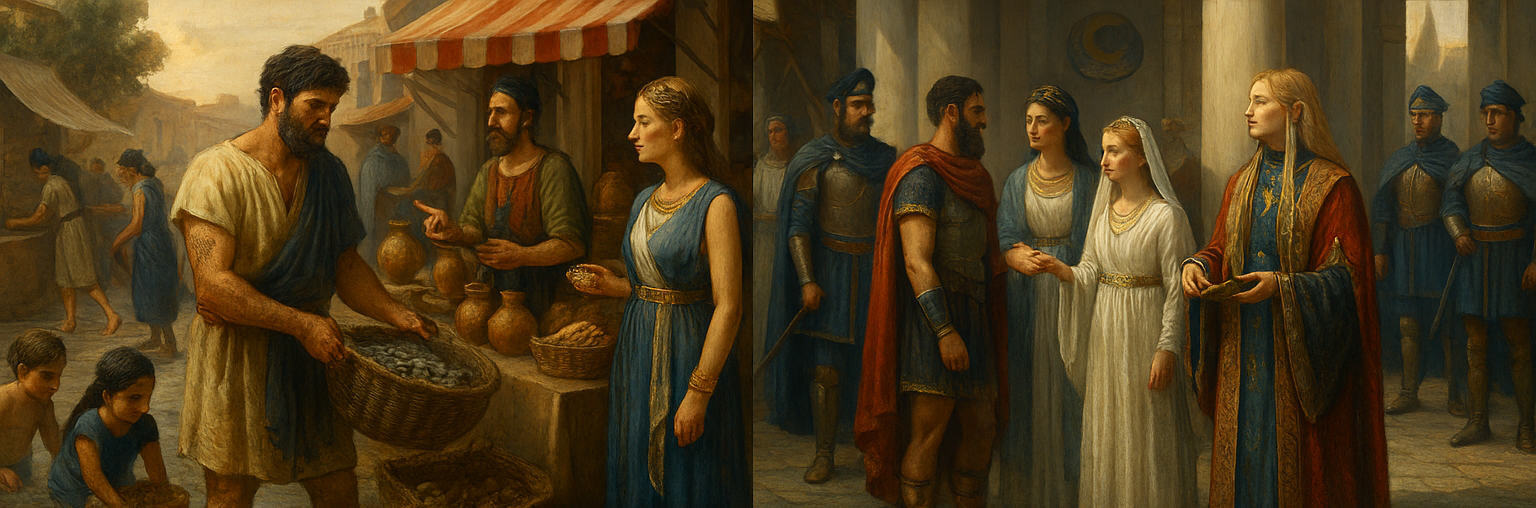
Common Dress code
Major organizations
Common Council of Varenthia
Merchants Council of Varenthia

Comments