
Knights-Errant of Siarland
The Knights-Errant of Siarland are wandering warriors who first begun appearing in the aftermath of The Human Rebellion. Unbound to feudal lords, they straddle the line between chivalry and lawlessness. Knights-Errant are held in varying degrees of regard, most dependent on any given peoples most recent interaction with a Knight-Errant.
Structure
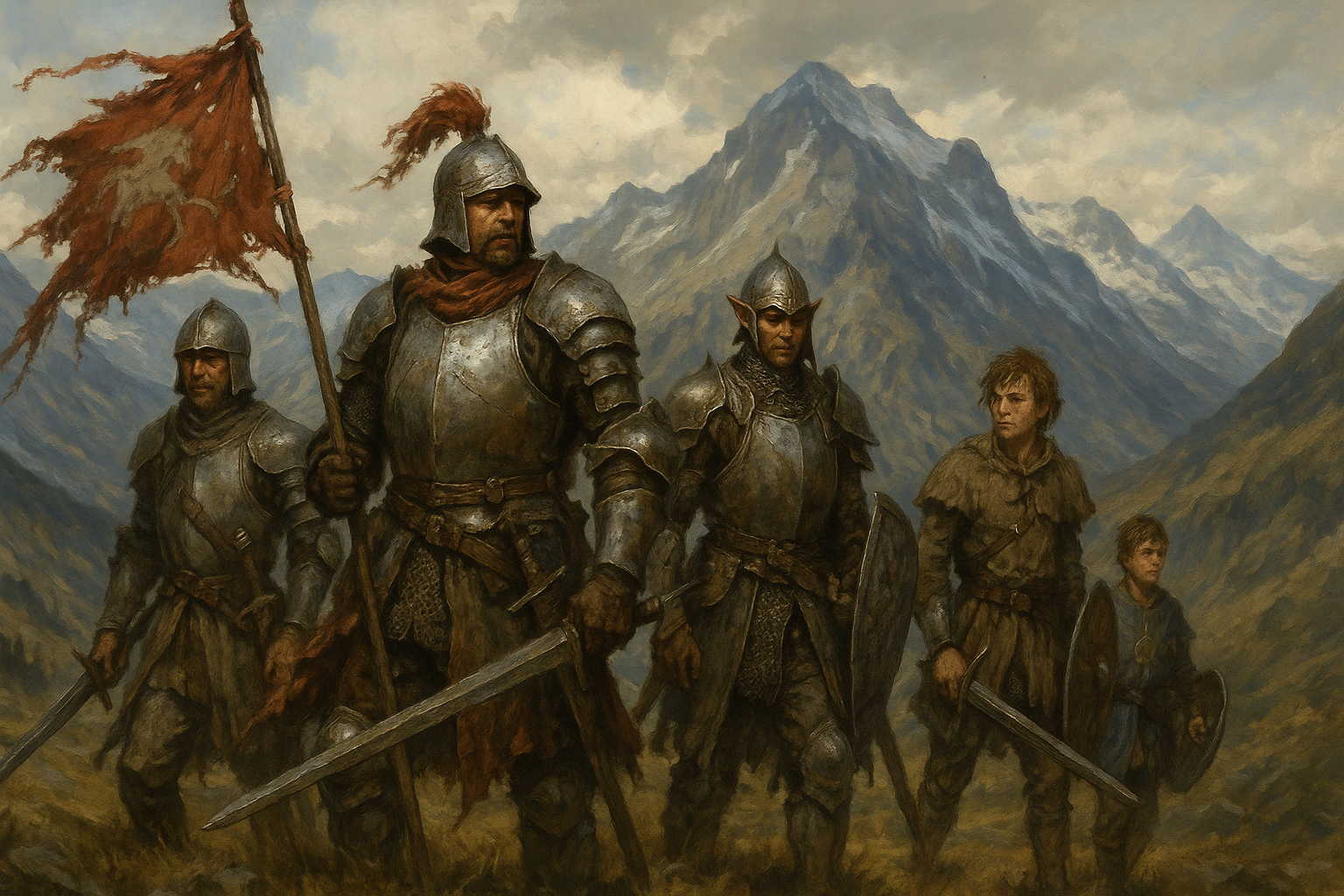
"That ‘squire’ he keeps by his side? No noble blood. A thief plucked from the roadside and wrapped in a surcoat. They're more a gang than knights."Knight-Errant bands have no fixed hierarchy, their structures varying from band to band. They are generally centered around an individual or small group of Knights-Errant, accompanied by anywhere from a handful to over two dozen followers, often appointed as "squires". Although a number of renowned long running groups exist, Errant bands are often short-lived. Some vanish into outlawry, others are absorbed into mercenary companies of the Velvet Coast. The most renowned endure in song, their names preserved in chronicles and Clan oral tradition.
“One knight rides with a dozen squires, another with only his shadow. No two bands are alike, save that their coin purses never seem empty for long.”
Culture
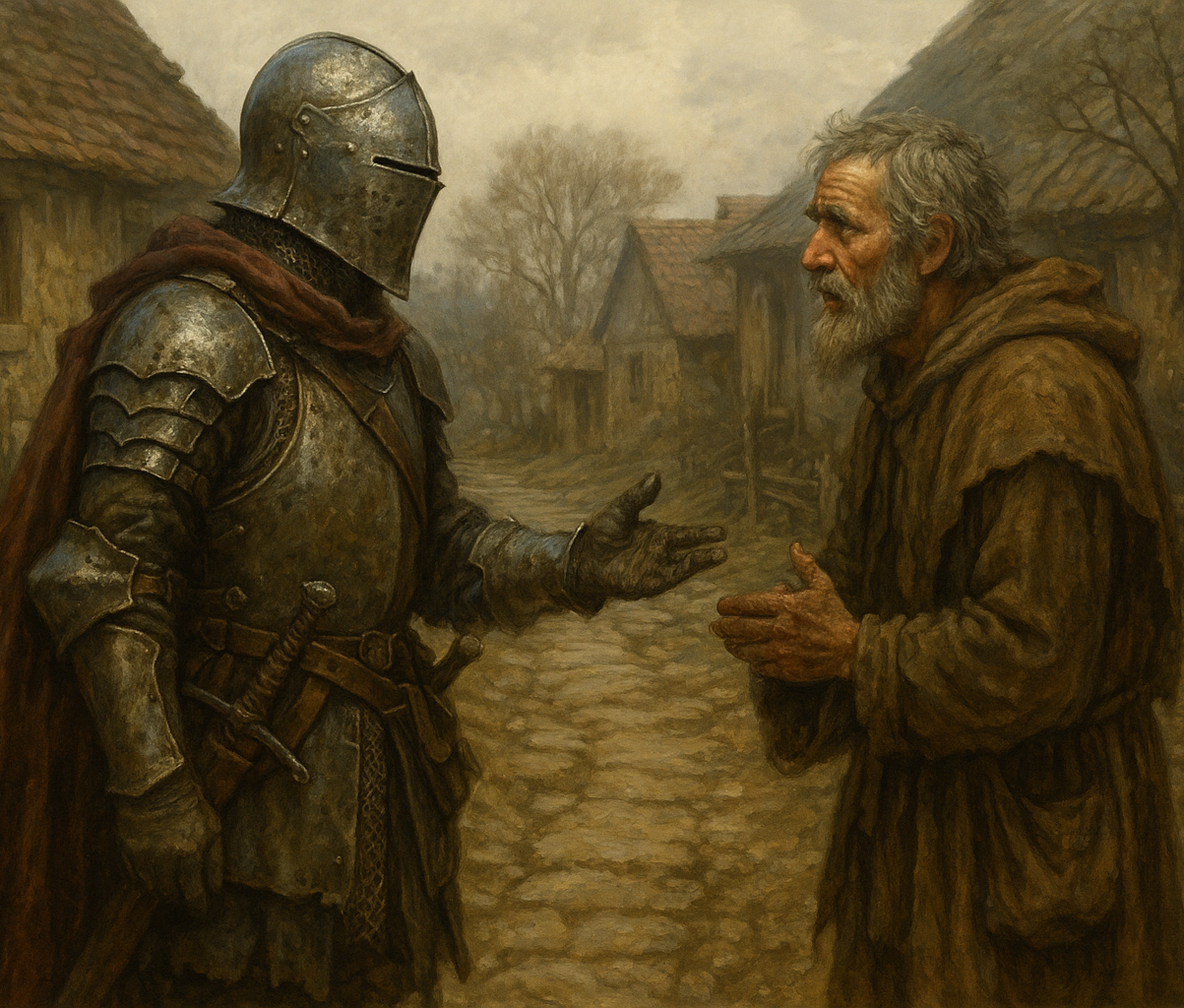
"Some will ride to defend a widow’s farm for nothing but bread and beer. Others will burn that same farm if denied a tithe."Without lords to bind them, errants cultivate their own traditions, mixing scraps of Elven pageantry with the pragmatism of Siarland’s clans. Many claim titles, coats-of-arms, or vows of service whose origins are dubious at best, yet such trappings often matter less than how a knight is remembered by the people they encounter. Errants commonly swear oaths over relics, rivers, or shrines, though few outside their bands consider these oaths binding. Feasts, duels, and wagers mark their gatherings, where tales of lineage and battle are recited as much for performance as for truth. In Siarland, clan singers weave errants into oral tradition, casting some as noble champions and others as faithless marauders. The ambiguity of their deeds ensures that stories shift with the teller. The same knight might be a saviour in one village and a tyrant in the next. Distinctive symbols endure in their culture. Many wear crude badges as tokens of errantry, meant to distinguish them from common mercenaries. Bands often carry their own banners, stitched from mismatched cloth, displaying motifs of beasts, ancient orders, or local mythological figures. Though they lack the splendour of true knightly orders, these emblems carry weight in rural Siarland, where recognition of a banner can mean the difference between hospitality and armed resistance. Disputes among errants are most often settled by duel. These encounters are as likely to be fought with dulled blades before an audience as to the death in a roadside ditch. What matters most is witness. Without a crowd to bear record, victory means little. Some duels conclude with coin changing hands or squires swapping service, others with blood in the dirt. Squires are rarely of actual noble stock. Most often, they are companions gathered along the road. Young warriors, rebellious villagers and runaway serfs. Loyalty is valued above blood. In exchange for service, a squire may one day be named knight by their master’s word alone, a practice that draws scorn from Farraigean nobles but remains common in Siarland. Errants take oaths freely, but their force is personal rather than legal. A knight may swear to guard a bridge, avenge a raid, or defend a widow’s holding, yet such vows are only as binding as the knight’s conscience and circumstances allow. Villages remember those who keep faith, and spread word of those who break it. A broken oath stains reputation more deeply than defeat in battle. Hospitality is both a gift and a burden. Many errants demand lodging, food, or coin in exchange for “protection,” blurring the line between service and extortion. Some follow strict codes, refusing to enter a home unbidden or to take more than bread and ale.
“A knight’s honour is measured in how long his coin lasts. The moment it runs out, so too does his loyalty.”
History
"My grandsire swore an oath to a knight who claimed descent from the House of Eleras. A month later he learned that same knight had sold his charter to three different towns. A knight without a lord is a sword without a sheath."The origins of Knightly tradition in Siarland was based on the influence of Elven Knights of the Kingdom of Lorintha and the House of Eleras of Farraige. After the fall of the Elven Kingdoms, Elven Knightly Orders either fled south or were assimilated into the Kingdom of Farraige. In the political chaos, dispossessed warriors of Human, Elf and Half-Elf stock alike took up arms as errants claiming knighthoods on the basis of vacant legacy titles and charters of questionable validity. Farraigean records from the early imperial era speak of 'knights without lords'. In the second century of the Imperial Era, the Knights-Errant endure, although knights claiming too outrageous of a lineage often find themselves with bounties on their heads courtesy of angered nobles. Individual Knights, accompanied by bands of companion 'squires', are a regular sight throughout Siarland commonly offering their services to hamlets, villages and small towns as swords for hire. Their presence is regarded with both gratitude and suspicion. Some have defended communities against raiders, while others have descended into extortion, demanding tithes and tolls in exchange for “protection.” More renowned Knights-Errant often seek service with the Kingdom of Upper Siar, where their experience earns them commissions as officers in command of its levy forces. Other drift south as far as The Velvet Coast, competing for contracts with the city states against the local mercenary groups. Rumours persist of Elven Errants who claim the titles of the Elven orders of old, although many of them have since been hunted down and slain by the Order of Alerio.
“When the League fell, every man with a helm and a horse called himself ‘knight.’ A title that can be claimed so easily is bound to lose its meaning.”
Type
Civilian, Knightly Order
Location
Related Ethnicities

Comments