
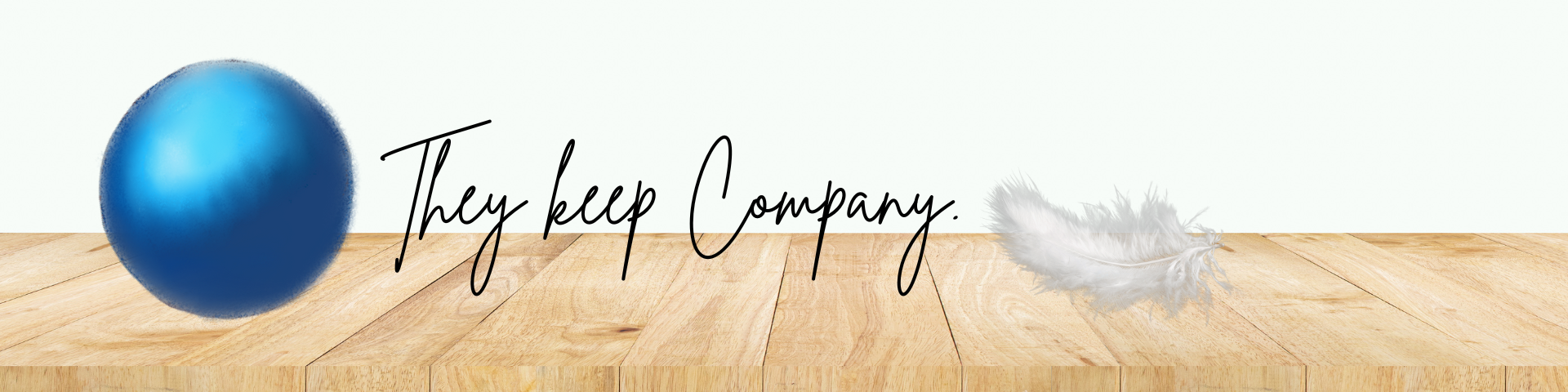
They Keep Company
This Article is a piece of in-world creative writing! If you'd like to read more about Pallbirds on a wiki-level, check out this article below!
Content Warnings:death, hospice themes, animal scavenging, grief, mild body handling after death.
They began landing in Old Rusk’s yard at first light, quiet as drifting ash, friendly in the small ways birds can be friendly.
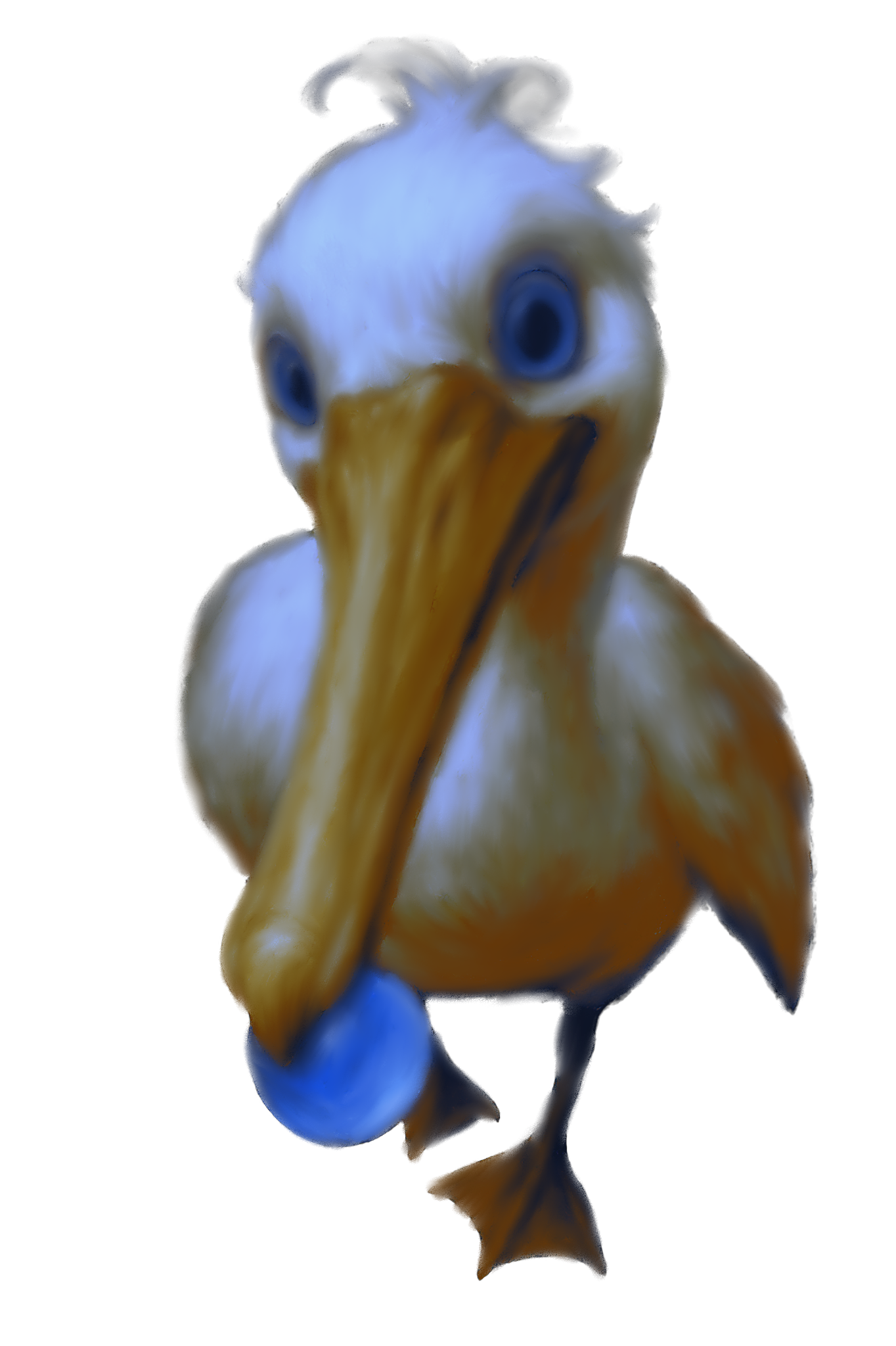
His yard, a square of planks bolted to a tired Saltwalker, was fenced with rope and fish bones to keep gulls away. He grew brine gourds in barrels and whistled as he watered. The first Pallbird dropped in like a feather, remembering how to be a body. It looked like a swan carved by a careful hand, loving clean lines and shunning mistakes. The neck too long, beak too neat, eyes rounder than comfort. It cocked its head, watched his hands, and made a tiny cluck like testing a cup for cracks.
“Well, hello,” Rusk said. “You got manners.”
It stepped to the edge of his shadow and waited while he tipped peelings into a bucket. When he flicked a beetle husk across the boards, the bird trotted after it with an eager little hop. It nipped once, swallowed, and came back to stand where the sun warmed the planks.
By the third morning, there were four. They chose his usual places, one by the gourd barrels, one on the handrail, one near the chipped washbasin. They let him shuffle around them and sometimes followed his broom with polite attention, as if learning what sweeping meant. They were very clean for scavengers. Their feathers were as white as porcelain and rain.
Talla from the next platform came to borrow a length of rope and stared at the birds, as if they were spilled milk with eyes. “Shoo them,” she said. “Pallbirds are bad luck. They eat what is already going and they wait for what will go.”
“They are tidy,” Rusk said, a little protective. “They like beetle shells.”
“They like endings,” Talla replied. “Do not feed endings.”
After she left, he sat with his tin mug. The Pallbirds arranged themselves like pale punctuation around the yard. When they looked at him for too long, a pressure rose behind his sternum—tight and suffocating, as if deep water pressed in. He told himself it was only weather. He told himself he liked the company, though his hands shook on the mug.
 He stopped smiling. “No,” he hushed. “Not me.”
He set the bead back down. The bird picked it up and placed it on his knee instead. He pretended not to shake.
He knew scavengers. He had watched shore crabs strip a fish while the skysea hummed above. Pallbirds were not crabs. They were opportunistic and polite. They took beetle husks, fish offal, soft scraps from a gourd that had given up. When he nicked his shin on a nail, one of them nosed the air near the scab, considering, and stepped away without fuss. They were carnivores that preferred easy work. They did not hunt the strong. They tidied.
That night, he woke with the taste of iron in his mouth, an unwelcome metallic reminder that lingered on his tongue. The realization crept in like a shadow. They knew. They knew before he did. He shuffled to the door and found them already waiting, pale and neat in the moonspill from the skysea.
“Listen,” he called, voice shaking like a tin roof, chest tight and desperate. “Not yet. I will eat better. I will walk the spine every morning. I will stop the salt tea, it is no good anyway. I will mend Talla’s nets, and I will not climb ladders. I will trade you the bead for a year, two if you like. I will not sit quietly. I will not be easy.” His hands shook, clutching the doorframe as if it could anchor his fear.
They listened. Pallbirds are very good at listening. They dipped their heads and stepped closer and did not change their minds.
The week turned windy. The Saltwalker shifted. People tied tarps and cursed the coming rain. Rusk made small offerings at the rope fence: fish heads, eel rind, a twist of sweet salt from the bottom of a jar. The birds ate what was good for birds and left what was meant for people. They stayed.
Talla crossed the gap with a coil of line over her shoulder. “They are still here.”
“They keep to the corners,” he said. “They keep me company.”
"They keep company with the dying," Talla whispered. Her pause was heavy, as if weighing what needed saying. "When the keeping is done, they return what can be returned to the salt. That is their hunger, their doom and their kindness. Please, Rusk, let the doctor look you over."
“I do not need a doctor,” he lied, and the nearest Pallbird tapped the bead against his knee like a metronome that would not be argued with.
In the purple hour before the storm, the birds began to straighten his clutter. One-lined fish bones from beak to tail. One carried dropped nails to the rim of a tin. One dragged a strip of cloth over the worn boards in a slow, sensible wipe. He tried to chase them with the broom and lost his breath. He tried not to look at them and saw nothing else.
At dusk, he cried, messy and old. A Pallbird settled near his boot and made a sound like a kettle just before boil, a small breathy note that said stay. He slept at last in the chair under the rope fence. The birds stood where they had chosen and watched the yard for small deaths and the old man for the larger one.
When the storm came, it came bright and sudden. Lightning flickered in the belly of the sea above and the yard jumped. The gourds rang against their barrels and the rope fence sang. Rusk’s heart clenched and then let go, a door catching and then freeing, and then catching again.
He tried to rise and the chair held him with the careful weight of wood that knows its job. He reached for the bead and missed. The nearest Pallbird placed it in his palm with a quick neat motion. Another leaned close and watched his face. The pressure behind his sternum became a deep, exact tide.
“I am afraid,” he said. “I thought I would not be.”
They did not come to take. They came to keep. They came to make the leaving tidy.
Rusk looked at the bead, at the white birds, at the sky that moved like water above him. “All right,” he whispered. “You have work. So do I. Let us do it together.”
His breath thinned to a thread. The Pallbirds arranged themselves as if reading a rule he could not see. One pressed its breast to the back of his hand and shared its small steady warmth. One used its beak to smooth the cloth at his collar. One stood at the doorway and watched the weather, guardian and usher both. The fourth tapped the bead once more and then set it on his chest where the breath rose and fell.
He closed his eyes. He felt the yard sharpen, every blade of grass standing at attention. He sensed fear slide close, but its name softened to longing. He breathed out, resisting the urge for the next breath. It left him like a ship untied: quiet, simple, workmanlike.
Talla came with a lantern and a steady voice. Together they straightened the yard and folded the tarp. She paused, listening to the rain ease, then touched Rusk’s shoulder and whispered a worker’s prayer. The Pallbirds stood back and watched with solemn attention. They were carnivores, patient as weather. They would do what the world asked in its own hour, and no sooner.
By morning, Talla had laid him to rest in the place he had chosen. The boards looked newly swept. The bead shone on the fence. The Pallbirds were gone, and Rusk was gone too.
His yard, a square of planks bolted to a tired Saltwalker, was fenced with rope and fish bones to keep gulls away. He grew brine gourds in barrels and whistled as he watered. The first Pallbird dropped in like a feather, remembering how to be a body. It looked like a swan carved by a careful hand, loving clean lines and shunning mistakes. The neck too long, beak too neat, eyes rounder than comfort. It cocked its head, watched his hands, and made a tiny cluck like testing a cup for cracks.
Do not fear the white birds. Fear a messy end.
“Well, hello,” Rusk said. “You got manners.”
It stepped to the edge of his shadow and waited while he tipped peelings into a bucket. When he flicked a beetle husk across the boards, the bird trotted after it with an eager little hop. It nipped once, swallowed, and came back to stand where the sun warmed the planks.
By the third morning, there were four. They chose his usual places, one by the gourd barrels, one on the handrail, one near the chipped washbasin. They let him shuffle around them and sometimes followed his broom with polite attention, as if learning what sweeping meant. They were very clean for scavengers. Their feathers were as white as porcelain and rain.
Talla from the next platform came to borrow a length of rope and stared at the birds, as if they were spilled milk with eyes. “Shoo them,” she said. “Pallbirds are bad luck. They eat what is already going and they wait for what will go.”
“They are tidy,” Rusk said, a little protective. “They like beetle shells.”
“They like endings,” Talla replied. “Do not feed endings.”
After she left, he sat with his tin mug. The Pallbirds arranged themselves like pale punctuation around the yard. When they looked at him for too long, a pressure rose behind his sternum—tight and suffocating, as if deep water pressed in. He told himself it was only weather. He told himself he liked the company, though his hands shook on the mug.
On the sixth day, one of them brought him a gift. It laid a bead of blue glass on the stair by his foot and tapped it twice with its beak, courteous as a neighbor at a door. Rusk laughed, and something soft lifted inside him, brief and trembling. He lifted the bead and the bird blinked, and for a heartbeat he saw himself reflected in the glossy dark of its eye. He flinched at what he saw: older there, finished around the edges, his breath catching at the sight.
He set the bead back down. The bird picked it up and placed it on his knee instead. He pretended not to shake.
He knew scavengers. He had watched shore crabs strip a fish while the skysea hummed above. Pallbirds were not crabs. They were opportunistic and polite. They took beetle husks, fish offal, soft scraps from a gourd that had given up. When he nicked his shin on a nail, one of them nosed the air near the scab, considering, and stepped away without fuss. They were carnivores that preferred easy work. They did not hunt the strong. They tidied.
That night, he woke with the taste of iron in his mouth, an unwelcome metallic reminder that lingered on his tongue. The realization crept in like a shadow. They knew. They knew before he did. He shuffled to the door and found them already waiting, pale and neat in the moonspill from the skysea.
“Listen,” he called, voice shaking like a tin roof, chest tight and desperate. “Not yet. I will eat better. I will walk the spine every morning. I will stop the salt tea, it is no good anyway. I will mend Talla’s nets, and I will not climb ladders. I will trade you the bead for a year, two if you like. I will not sit quietly. I will not be easy.” His hands shook, clutching the doorframe as if it could anchor his fear.
They listened. Pallbirds are very good at listening. They dipped their heads and stepped closer and did not change their minds.
The week turned windy. The Saltwalker shifted. People tied tarps and cursed the coming rain. Rusk made small offerings at the rope fence: fish heads, eel rind, a twist of sweet salt from the bottom of a jar. The birds ate what was good for birds and left what was meant for people. They stayed.
Talla crossed the gap with a coil of line over her shoulder. “They are still here.”
“They keep to the corners,” he said. “They keep me company.”
"They keep company with the dying," Talla whispered. Her pause was heavy, as if weighing what needed saying. "When the keeping is done, they return what can be returned to the salt. That is their hunger, their doom and their kindness. Please, Rusk, let the doctor look you over."
“I do not need a doctor,” he lied, and the nearest Pallbird tapped the bead against his knee like a metronome that would not be argued with.
In the purple hour before the storm, the birds began to straighten his clutter. One-lined fish bones from beak to tail. One carried dropped nails to the rim of a tin. One dragged a strip of cloth over the worn boards in a slow, sensible wipe. He tried to chase them with the broom and lost his breath. He tried not to look at them and saw nothing else.
At dusk, he cried, messy and old. A Pallbird settled near his boot and made a sound like a kettle just before boil, a small breathy note that said stay. He slept at last in the chair under the rope fence. The birds stood where they had chosen and watched the yard for small deaths and the old man for the larger one.
When the storm came, it came bright and sudden. Lightning flickered in the belly of the sea above and the yard jumped. The gourds rang against their barrels and the rope fence sang. Rusk’s heart clenched and then let go, a door catching and then freeing, and then catching again.
He tried to rise and the chair held him with the careful weight of wood that knows its job. He reached for the bead and missed. The nearest Pallbird placed it in his palm with a quick neat motion. Another leaned close and watched his face. The pressure behind his sternum became a deep, exact tide.
“I am afraid,” he said. “I thought I would not be.”
They did not come to take. They came to keep. They came to make the leaving tidy.
Rusk looked at the bead, at the white birds, at the sky that moved like water above him. “All right,” he whispered. “You have work. So do I. Let us do it together.”
His breath thinned to a thread. The Pallbirds arranged themselves as if reading a rule he could not see. One pressed its breast to the back of his hand and shared its small steady warmth. One used its beak to smooth the cloth at his collar. One stood at the doorway and watched the weather, guardian and usher both. The fourth tapped the bead once more and then set it on his chest where the breath rose and fell.
He closed his eyes. He felt the yard sharpen, every blade of grass standing at attention. He sensed fear slide close, but its name softened to longing. He breathed out, resisting the urge for the next breath. It left him like a ship untied: quiet, simple, workmanlike.
Talla came with a lantern and a steady voice. Together they straightened the yard and folded the tarp. She paused, listening to the rain ease, then touched Rusk’s shoulder and whispered a worker’s prayer. The Pallbirds stood back and watched with solemn attention. They were carnivores, patient as weather. They would do what the world asked in its own hour, and no sooner.
By morning, Talla had laid him to rest in the place he had chosen. The boards looked newly swept. The bead shone on the fence. The Pallbirds were gone, and Rusk was gone too.
Comments