
Pallbirds
Pallbirds are death’s houseguests: big pale carrion birds that only ever visit a home for one reason. They arrive when someone’s on their last stretch, settle in like they own the place, and wait. To see one step over your threshold is to know the end is close, but it will be clean, cared for, and watched.
When the last breath goes, the tenderness stops. The bird gets to work, stripping the body with calm, brutal efficiency so nothing festers, nothing spreads, nothing lingers. In Mornvahl, that is the bargain everyone understands: if the Pallbird comes, your leaving will be gentle, your room will be tidy, and in the end you will be eaten.
They are classified as Large Beasts.
Across Mornvahl they are treated as a strange form of hospice care, and nowhere is this clearer than in Cruinlagh, where flocks have been seen collecting @Black Orchard pearls to lay at their chosens’ feet like final, glittering gifts.
Almost nothing preys on Pallbirds themselves, but the infamous Carrion-cat is known to stalk unwary juveniles and lone birds that wander too far from the flock.The Bead Song is a children's rhyme sung in Cruinlagh about the Pallbirds. Click me to read it!
When the last breath goes, the tenderness stops. The bird gets to work, stripping the body with calm, brutal efficiency so nothing festers, nothing spreads, nothing lingers. In Mornvahl, that is the bargain everyone understands: if the Pallbird comes, your leaving will be gentle, your room will be tidy, and in the end you will be eaten.
Appearance
Pallbirds look like perfect swans. Their bodies are smooth and symmetrical, with tight, immaculate feathers and long white necks that never slouch or kink. Their beaks are narrow and neat, shaped more like fine tools than soft bills, and their eyes are round and dark in a way that feels just slightly too intense, like they are always checking for cracks.They are classified as Large Beasts.
Behaviour
Pallbirds live in tight family flocks led by a single long-bonded pair, with several generations quietly working under them. Each family adopts one or more chosens, copying their routine almost exactly, keeping the room tidy, guarding the bedside, and offering a calm, watchful presence until the very end.Across Mornvahl they are treated as a strange form of hospice care, and nowhere is this clearer than in Cruinlagh, where flocks have been seen collecting @Black Orchard pearls to lay at their chosens’ feet like final, glittering gifts.
Diet & Ecological Role
Pallbirds are strict carnivores, and every chosen is, bluntly, their next meal. They wait until the end, then remove what’s left with tidy efficiency, keeping homes clean and cutting down on the smell and sickness that unattended bodies bring. Away from the house, they drag scraps to shared “meat piles,” which become hot spots for insects, fungi, and bolder scavengers, feeding whole little microbiomes at a safe distance from the living.Almost nothing preys on Pallbirds themselves, but the infamous Carrion-cat is known to stalk unwary juveniles and lone birds that wander too far from the flock.
The Bead Song
Little blue bead in the palm of my hand,
Turn once, turn twice, do what you can.
Hang it on the rope where the wind runs through,
If it falls at dawn, the white birds knew.
Step light, step light, sweep corner to seam,
Count nails, count knots, count what we mean.
Pale on pale at the rail they stand,
Keeping time with a quiet hand.
Little blue bead, shine soft, shine true,
Keep house, keep heart, keep me and you.
If the bead stays bright till the night is done,
Pallbirds hum that the keeping is won.
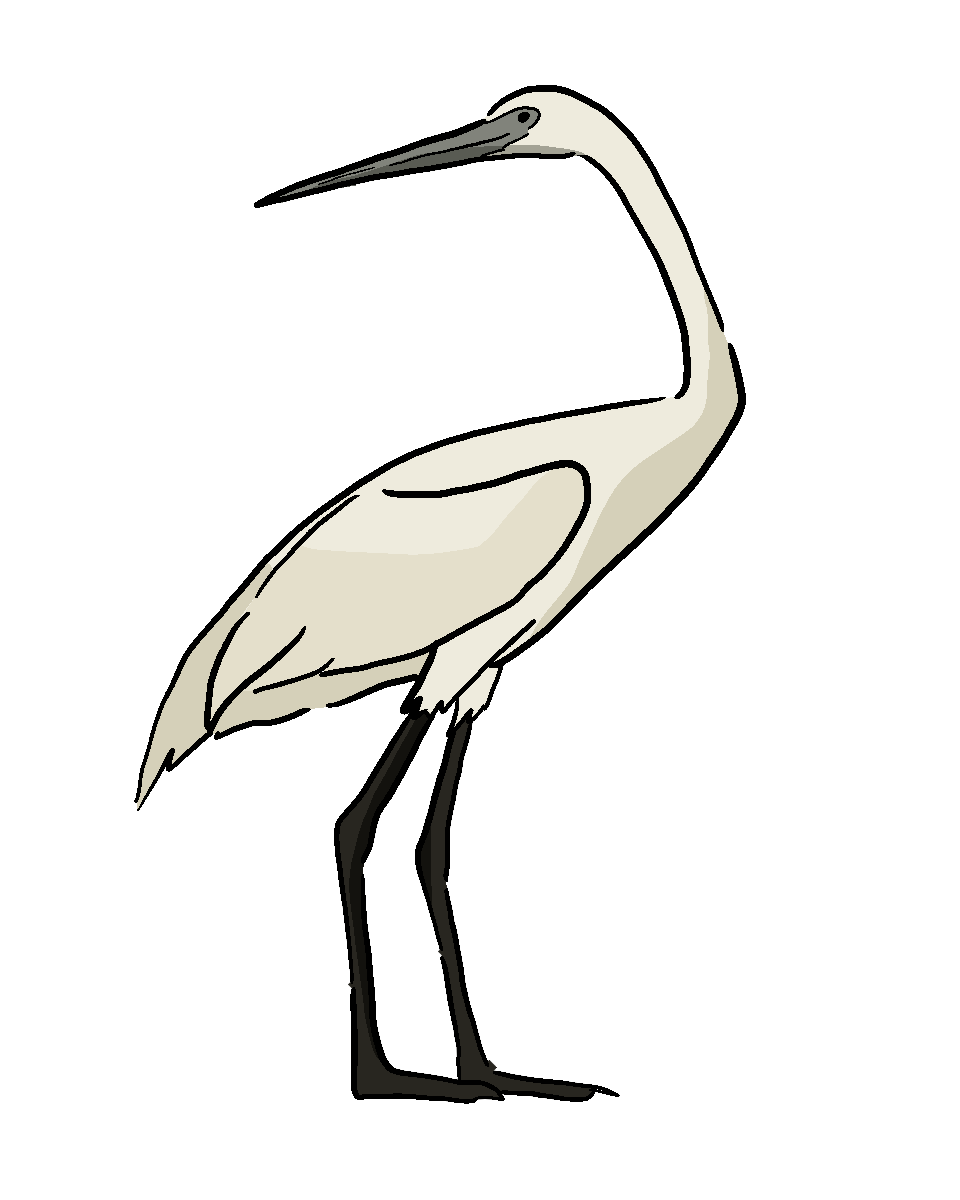
Pallbird by Lou
Basic Facts
- Classification: Beast
- Size: Large
- Habitat: Worldwide
- Temperament: Territorial, yet playful.
- Rarity: Common
- Domestication: Wild, bad omens.
Scientific Name
Cathartidae
Conservation Status
Least Concern

Comments
Author's Notes
I hope you like em! These guys are so fun for me to think about, and I adore them!