
Raccoons
Masked Bandits of the Forest
Small hands reach deep into the bush, searching for the berries that others have long since given up on. With a final stretch, the sweet prize fills the grasp, quickly brought back to the chest of a masked bandit, one known for its stealth and stealing ways. Back to its knotted tree does it scurry, stopping only long enough to quickly wash the prized berry in the nearby stream before continuing to its home and an afternoon snack. As the shadows lengthened, the masked bandit was hidden with their prize, waiting for the moment when they could strike again.
Raccoons are the bandits of the foraging world, wearing masks across their fur and using their thumbed hands to grab things that other creatures could not. Living in forests throughout the Northern Continent, these creatures will fill their bellies by foraging and scavenging, even stealing from people and other animals as opportunities arise. In the right light, these small furry creatures have even been mistaken for Bear cubs, allowing their thieving ways to continue, as many keep far away.
Those who have crossed paths with Raccoons know of their intelligence, even among the magical creatures of the forests. While often mistaken for Bear cubs, these creatures are not above stealing from other animals or entering cities and villages to scavenge through trash and other refuse. Using their thumbs often gets them into trouble, as they tend to enter places and get themselves into situations, such as being locked in unusual locations. Even so, their intelligence shows in the way they wash their food before eating and in many of their other mannerisms.
Basic Information
Anatomy
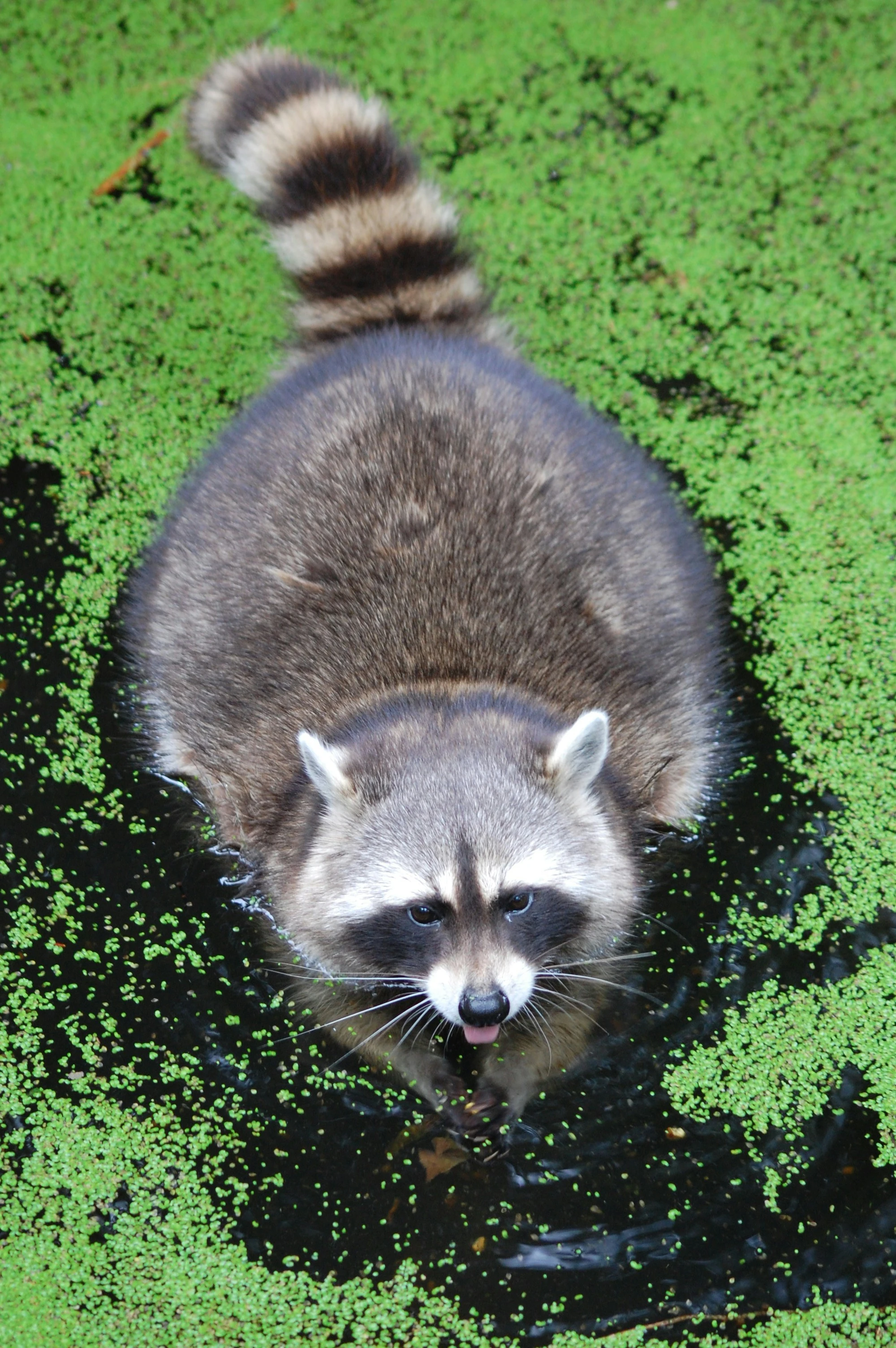
Masked Mammal
Raccoons are often affectionately known as "masked bandits" in many places, as they enjoy stealing shiny objects, small bits of food, or anything else that catches their fancy.
Raccoons are medium-sized forest mammals, often ranging from sixteen to thirty inches in length and roughly nine to twelve inches at the shoulder. Depending on the season, one of these creatures can weigh anywhere from ten to upwards of sixty pounds. They are considered one of the largest non-predators in the areas they inhabit, but can also be some of the smallest creatures in the forests.
Their greyish coats have a dense underfur that keeps them warm in the coldest weather, while their outer fur is distinguished by its black facial mask and ringed tail. Raccoons are also known for their extremely dexterous front paws that include a thumb, allowing them to open items that normal creatures cannot.
Other characteristics of the Raccoon include the ability to swim quickly and stay in the water for hours, climbing down trees headfirst (something odd for creatures of their size), and standing on their hind legs to examine objects with their front paws.
Genetics & Reproduction
Mating season for Raccoons is tied to the increasing sunlight in the early months of the year. After the short mating window, female Raccoons are only pregnant for a little more than two months before birthing two to five young. The number of kits in a litter is dependent on habitat, with certain forests granting more kits. These young are born blind and deaf, but still have their defining mask around their eyes. Kits stay with their mothers through the early fall, learning the best dens and feeding grounds in their range. Female Raccoons will often stay close to their mothers, while males may range up to fifteen miles away to find their own homes. That being said, in particularly hard winters, mother and children will share a den through winter.Additional Information
Geographic Origin and Distribution
Raccoons are found in most forested places across the Northern Continent as well as the Cradle of Clay. Even with their thick fur, these creatures prefer to stay away from the Neither Tundra, and they fail to thrive in places such as the Spine of Kallex and the Great Plains. In many instances, these furry creatures live close to cities and villages where they can easily scavenge for all manner of things, including meat, berries, and other leftovers. Because of this, Raccoons thrive the most in the Elven Forest and Little Greenwood, where villages are plentiful but not urbanized.
If Raccoons do not find habitats near cities, they often live in the same ranges as Coaldust Bears, as their looks provide a level of safety from other predators. From a distance, many have confused a Raccoon for a Bear cub, allowing the Raccoon to pass by without issue. Bears and other predators often leave carcasses that can be easily scavenged by Raccoons and other creatures such as Crows and Ravens.
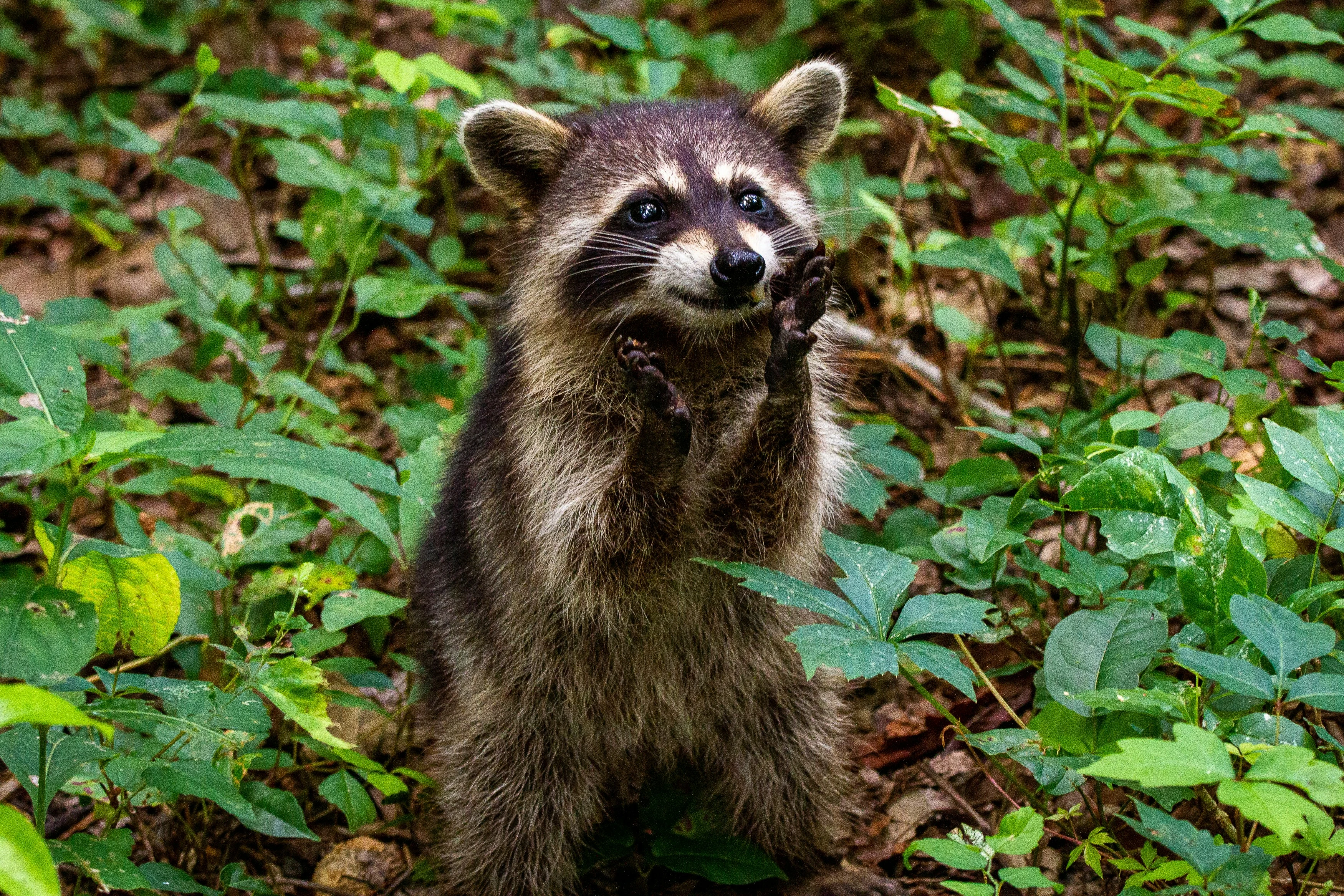
Raccoon
Raccoons are small mammals that live in forests throughout the Northern Continent. Using their extra fingers, these creatures forage for their food and sometimes steal from others.
Scientific Name
Procyon lotor
Lifespan
5 to 6 years
Average Height
9 to 12 inches at the shoulder
Average Weight
10 to 60 lbs
Average Length
16 to 28 inches, excluding the tail
Group Name
Nursery of Raccoons
Geographic Distribution

Comments