

Trati
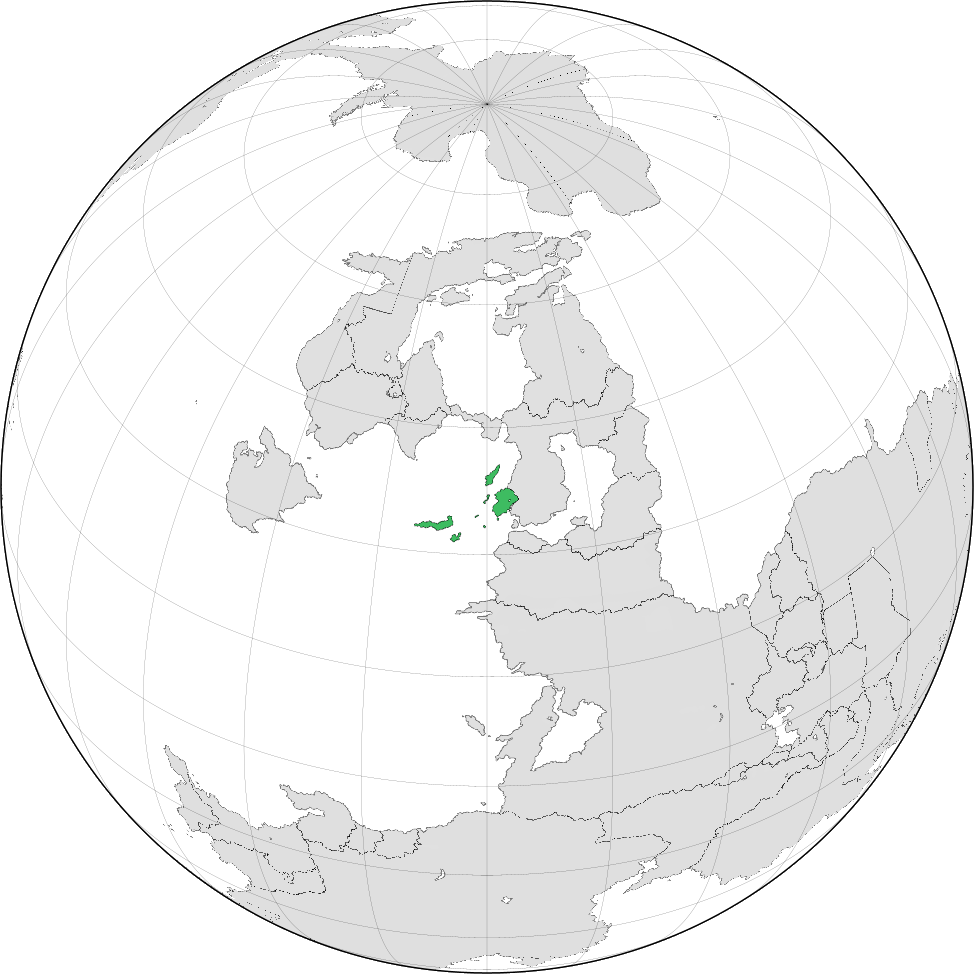
Trati, also called the Tratian Republic, and officially the Union Republic of the Tratian Isles and Baluarte, is an island nation comprising the Tratian Archipelago, the island of Tirivade, and the Baluarte Peninsula.
History
Tira Vellan Settlement
During the Tira Vellan Tetrarchy, peoples would depart from Tira Vella, sailing to Trati to settle. These people would settle in city-states mostly along the coasts of the western isles of the Tratian archipelago, forcing the native Karanesians inland. Some of the most notable cities formed by these colonists were Copara, Moina, and Sabros. Copara was particularly notable for its system of government, set up to be a democracy. Some of these colonies would then eventually birth colonies themselves. The western isles were largely a patchwork of Karanesian tribes who could not mount effective resistance to the Tira Vellans' colonising efforts, but their eastward expansion was eventually halted when they reached the Dilmag kingdom. Instead, they would head north, making contact with the Vallaran and Fridian city-states. The western Tira Vellan alphabet they had brought with them would be adopted by the Vallarans, going on to develop into the Vallaran script in widespread use today. Tensions would mount, however, between the Tira Vellans and the Vallarans. The first Tirivadan War of 1016 to 1031 was largely a matter deciding whether Vallarans or Tira Vellans would have hegemony over the island, pitting blocs led by Hadrumentum (Adrumento) and Andalos (Ándalo) against each other. The Vallaran bloc eventually won the war. The second Tirivadan War of 1160 to 1163 would be the Varaso conquest of the island. The island would remain under Varaso control until 2369. As the Varasos expanded south, conquering the Metlans, they threatened the Tira Vellans who had settled in Trati. The Varasos conquered Baluarte and invaded Trati in 1340. The Tratian Tira Vellans banded together into the Tratian Confederacy to resist the invasion. The Varasos at this point still did not possess a formidable navy, and were easily beaten back by the Tratians. The Varasos would invade again in 1362, much better prepared, but were ultimately still defeated by the Tratians.Union Republic of the Tratian Isles and Baluarte
Sinenosi Republic de Nisi Trati ce Baluarti
República União das Ilhas Tratias e Baluarte

"Cirarcia ce Ototelia"
"Soberania e Independência"
"Sovereignty and Independence"
Government
Federal parliamentary republicCapital
CoparaLanguages
Official: Tratian, VarasoRegional:
Demonym
TratianCurrency
Tratian florin (ƒ)Preceded by
Tratian ConfederacyTobacco and the Slave Trade
The threat of Varaso loomed large under Aleixo and his conquests, and while ultimately he wouldn’t attempt an invasion of Trati, the fear that he might re-strengthened the league. Trati by this point was still a relatively poor place, and did not threaten Varas or its trade, which it could conduct through ports near the Narrows or places like Tunis. It wasn’t until the introduction of tobacco from below the Arega in the 19th century that Trati’s fortunes would change. The wet subtropical climate of Trati and Baluarte were perfect for growing the crop and it quickly became a valuable commodity as large tobacco plantations emerged in Trati and Varaso Baluarte. Both regions began the massive import of lizardfolk slaves, captured by Chazhdurm slavers and sent north through the Aregan slave trade. Trati then began to become wealthy off of the tobacco trade, entering the crosshairs of Varas once again. Varas began to sanction piracy against Tratian vessels. Most were based out of the Varaso port cities of Enzim and Tunis. Tratians began to hire Tira Vellan mercenary ships to protect their shipments, but the growing expense had begun to make their tobacco no longer competitive with that from Varaso Baluarte. In 1911 a combined force from the states of the confederacy and Tira Vellan mercenaries blockaded and besieged the cities of Enzim and Tunis. Both cities were sacked, and in exchange for a large sum of money Enzim was made a free city which would enter into the confederacy while Tunis would remain Varaso and Varas was forbidden from sanctioning piracy. Enzim would serve as an important bulwark at the mouth of the Inner Sea, and a constant bugbear for Varas. Varas would attempt nine sieges of the city between 1920 and 2306, never succeeding in taking the city. The Tratians had been able to take the city easily because Varas had done little to fortify it, not viewing it as having been in any real danger, while upon its independence, Enzim was immediately flooded with people from the Tratian states and its defences built up from the confederacy’s common coffer to ensure it would remain independent, and it gained a reputation as “the unsiegeable city”.Hair of Tunis would flee from Tunis to Enzim in 2026 to seek refuge from prosecution in Varas. Here he would proselytise his new faith to the people of Enzim. Many of the other states of the confederacy were likewise unhappy with this new faith as Varas had been, but by this point Enzim was to important, to well defended, and too powerful to simply be forced to acquiese to the demands of the more powerful states of the confederacy, and the leaders of the city embraced and welcomed the new faith. The confederacy could have cut off the city and left it to its own defence to fall eventually to Varas, but the leaders of the confederacy were too invested in keeping Enzim, even if it would become a sticking point. Over the next two centuries the relationship between Enzim and the rest of the confederacy would strain at several points over religious matters, with Enzim being made to return runaway slaves from other confederate states (though noteably not Varaso ones) and the Moina Agreement, in which all confederate states were made to legalise the Furanist faith and allow its free private practice in exchange for the states being able to ban public practice and proselytisation, and Enzimian acceptance of magical practice in the rest of the confederacy. Importantly, though, slaves were not guaranteed the same freedom of religious practice. As Furanism’s direct prohibition of slavery was largely incompatible with the confederacy’s slave plantation economy, the religion spread little outside of Enzim.
Comments