The Skaesh
People of the Frozen North
This article is a stub. Please comment if you would like it to become a priority for expansion.
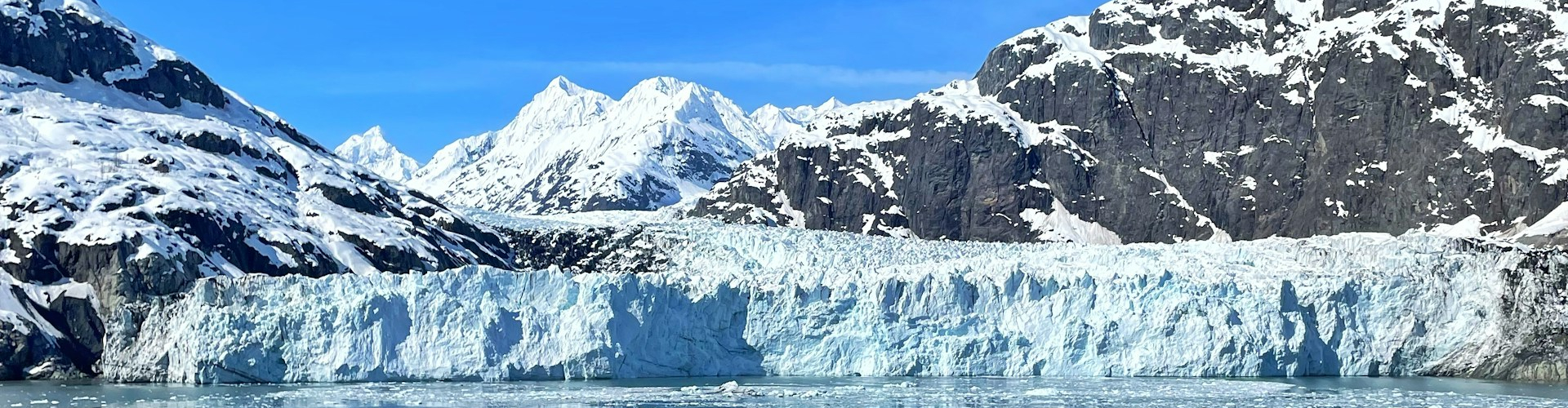
The Skaesh have the dubious honour of being the most northerly population of humans on all of Etrea. They live primarily on the island of Skae, with pockets of civilisation along the frozen coastline of the Expanse on the Caian side of the planet.
People of the Skaesh are generally shorter than others of the human species, and it is rare that someone grows to over five and a half feet tall. Their bodies are better at storing fat, so generally their stature is stocky or round. They have pale skin with a yellowish undertone, and dark-coloured hair that grows in rough curls. Straight hair is seen as unlucky, and those without curls often manually create them. Another common feature amongst the Skaesh is a narrow nose with a prominent bridge.
They are an isolated people, with little to no contact with outsiders. Occasional trades have been undertaken with passing ships from the continent of Caia, though these have generally been blown far off course of their intended destinations by storms. They have also had infrequent interactions with the polar merfolk known as the Kanai, although this has mostly been confined to fleeting sightings and misunderstandings about whale hunting. For the majority of the Skaesh, merfolk are denizens of myth to be both feared and appeased. The Kanai tend to encourage this.

Community is one of the most important values of the Skaesh. For most of the year, they tend to live in small groups of three or four families, though close enough to other settlements for ease of trade and in case of emergencies such as sickness or lack of food. Their shelters are built from a base structure of whale bone covered in the skins of pinnipeds and kguga, as well as the feathers of sea birds. During the winter months, when the days become short and then nonexistent, they come together in larger communities for survival. At least a third of those who live on Skae make the journey to the cave settlement of Nguntakki.
Hunting the denizens of the Northern Ocean is an integral part of Skaesh life, whether it be whales, seals, or fish. Whilst fishing can be done from the shore in the summer months, or through a hole in the ice throughout the rest of the year, hunting other creatures requires traversal of the open sea. Single-person kayaks are constructed from a mixture of baleen and seal hides. They are fully covered and waterproof except for the hatch where the hunter sits, allowing them to be rolled back over if capsized. They are lightweight, enabling hunters to carry them on their shoulders for several miles if necessary to find the edge of the sea ice.
Waste is the antithesis of Skaesh values, and this extends to their own dead. After death, the body is washed, and the meat prepared and stored in much the same way that seals are processed after a hunt. The bones are cleaned and sorted by usefulness, with many being destined to be crafted into tools or other functional objects. The skull, however, is transported to a nearby cave where it is placed with the skulls of all those who have come before. The preparation of the dead is a social event, where stories and memories of the deceased are shared.
Whilst the landscape of Skae is a mixture of stark greys and whites, there are unexpected splashes of colour everywhere. The Skaesh believe that art and colour is a way of honouring their ancestors, so often create large, bright paintings on both rock and ice. The pigments are created from lichens that grows in the cave systems of the island, and include brown, red, yellow, and blue.
The Skaesh have a rather low incidence of magic compared to the general human population, and those with magical talent are treated with reverence. They believe that magic comes from the spirits of their ancestors, and can be channeled through carved bone talismans. Magic is most commonly used to imbue energy into objects, such as rocks or bones, so that they can be used as light sources. Other uses include lighting fires, and encouraging wounds to heal.



Sounds like interesting people, I like how Straight hair is seen as unlucky :)
Thank you! :D
Explore Etrea | WorldEmber 2025