
Tabacha Spider
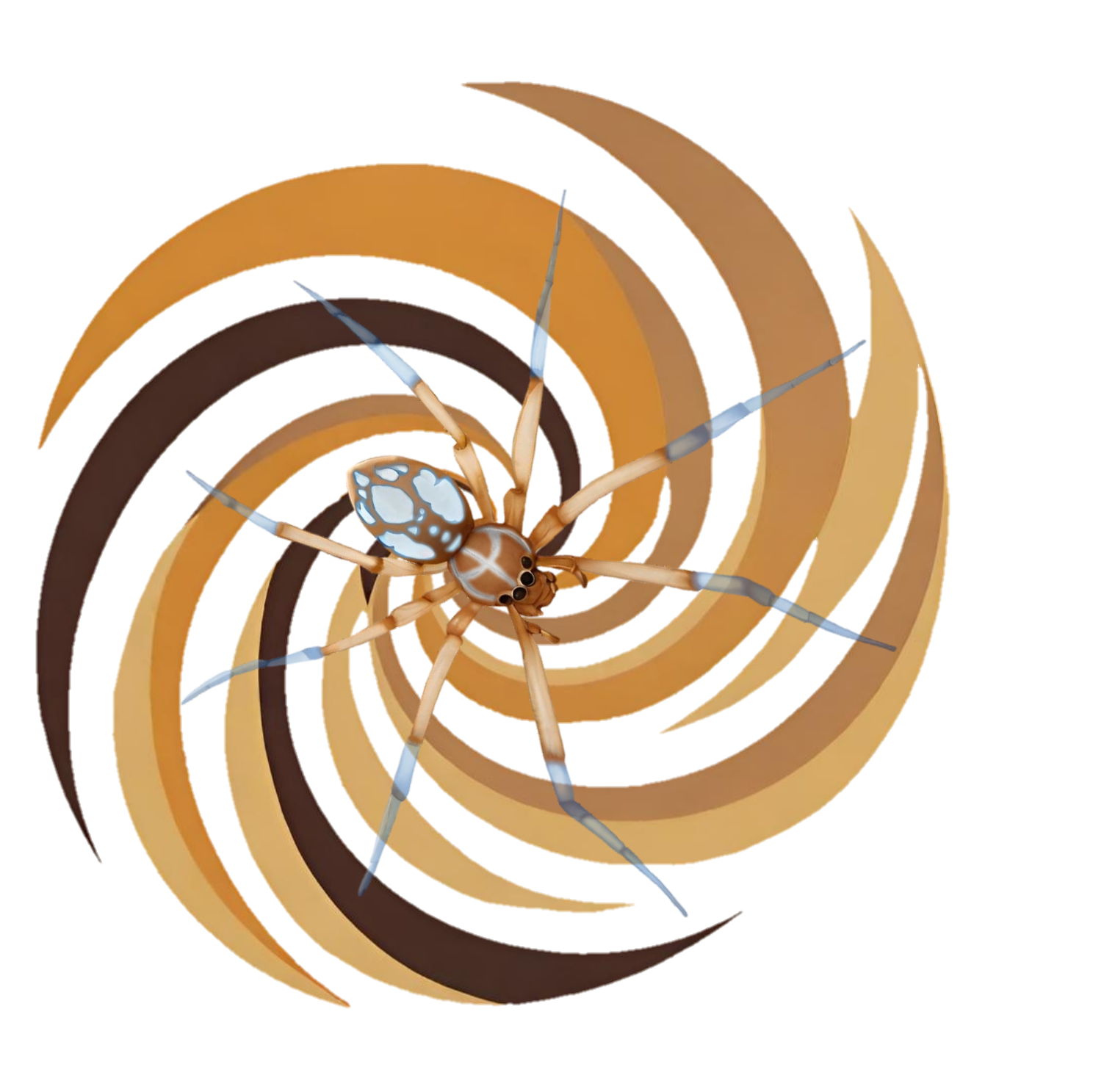
A peculiar, desert dwelling spider can only be found in the sands of Marrakesh which flips and cartwheels its way across dunes. Some kick up pinwheels of sand in their wake while others spin at preposterous speeds, their legs sailing across mysterious winds. These eye-catching acrobatics and feats of magic propel them across desert dunes, allowing them to escape would be predators and to ambushed favored prey. Whether flipping forward or backwards, uphill or down, across the sand or even through the air, tabacha spiders seem almost comical as they flit amid the radiant sands of the Shamsi Desert! |
  |
Predator | Prey | Nocturnal | Fast | Camouflage | Carnivore | Insectivore |
Rithaldis' Movement
Thanks to Rithaldis' Movement, tabacha spiders can move rapidly and freely along radioactive surfaces--particularly mobile on the irradiated sands of the Shamsi Desert! For this reason, they are endemic to the deserts of northern Alkelbulan, infused with the solar influence of Rithaldis. It also allows them better mobility when hunting their main prey, Solar Moths, and protects them from damage from raidant forces of their environment.
Yrisni's Manipulation
Tabacha which have Yrisni's Manipulation can alter and control the flow and speed of wind present in their environment. This means once they begin cartwheeling, air passing rapidly all around them, they can further amplify their speed by manipulating the air into propelling them even faster! They are even able to sail and flip through the air, especially amid sandstorms and windy desert nights. However, they cannot manipulate still air.
Ilnid's Manipulation Tabacha inheriting Ilnid's Manipulation are able to control and reshape sand or glass in their environment with their pedipalps. This ability is used either to kick up sand as they cartwheel, bewildering and blinding predators who try to pursue them, or to craft better and stronger burrows. Females in particular use this ability to lodge shards of glass along the outter walls and lid of their burrow tube, slicing into any brazen enough to seek out her egg sac!
|
Anatomy |
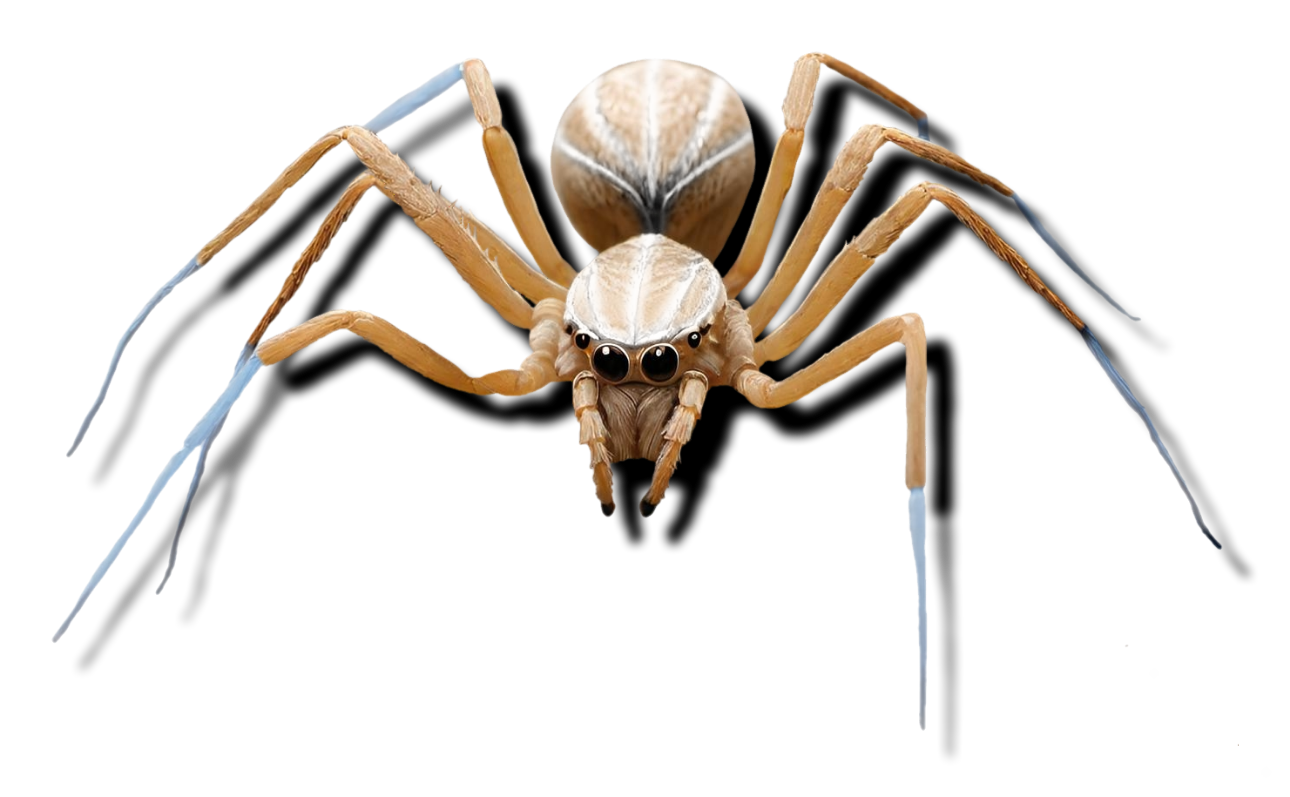
As a kind of huntsman spiders, Tabacha have eight eyes arranged into two forward facing rows. They are medium sized with long, crab-like legs and a round cephalothorax and abdomen. Their setae or hair are fairly inconspicuous, appearing smooth, and their coloration blends them into the sand very well. And much like other huntsman spiders, each of their tarsus or paws have two claws. |
Original Ancestor |
Lifespan |
|---|---|
Moroccan Flic-Flac Spider Cebrennus rechenbergi |
2-3 years |
Body Length |
|---|
19.5 mm |
.77 in |
Coloration |
|---|
Most of its body is white to pale yellow or tan, its shimmering hairs blending well into desert sand. Yellow marks can be seen on their abdomen and upper legs while the underside of their legs are black. It's chelicerae and claws are also dark. In their magic form, they gain white patterns on their body and their legs become teal or glassy. |
Habitat |
Desert | Semi-Desert |

Life Cycle |
Oviparous | Polygynous | Precocial | Solitary |
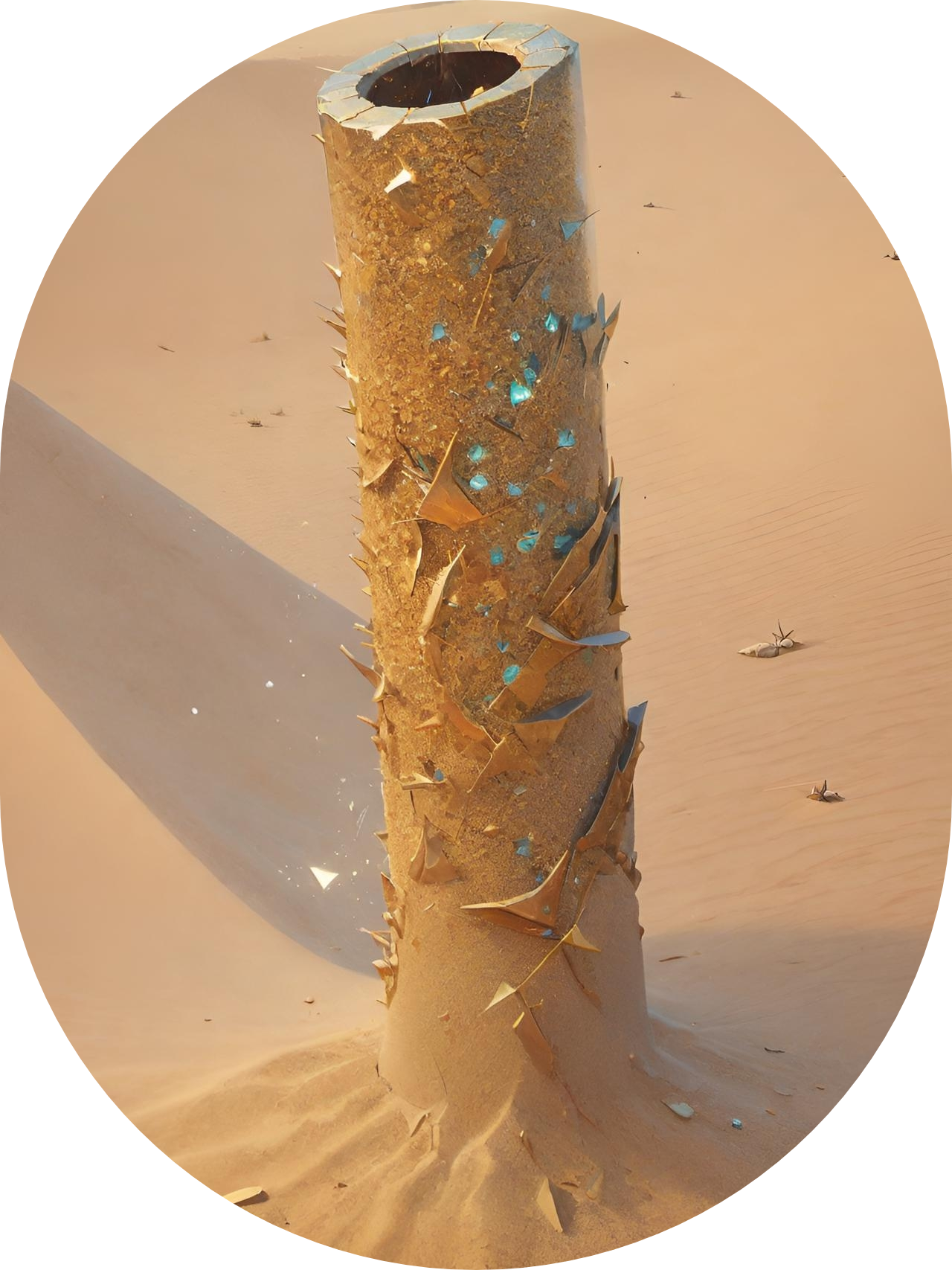
Tabacha spiders do not build webs in order to catch prey but they do construct special tunnel burrows in the shape of a tube crafted from sand and silk, tucking themselves inside neatly. When seeking a mate, males need to be careful when trying to enter a female's tube. When detecting her pheramones, he knocks repeatedly on the sand to indicate his interest, waiting for her to emerge and even bringing a gift of food to pacify her! After mating, she then puts a lid on her tube, retreating deep inside to lay her eggs. She wraps her eggs in a protective egg sac and dutifully guards her young until they hatch. She might even bite anything which tries to invade her tube, her bite venomous but harmless to humans. |


Comments