
Sanat Spider
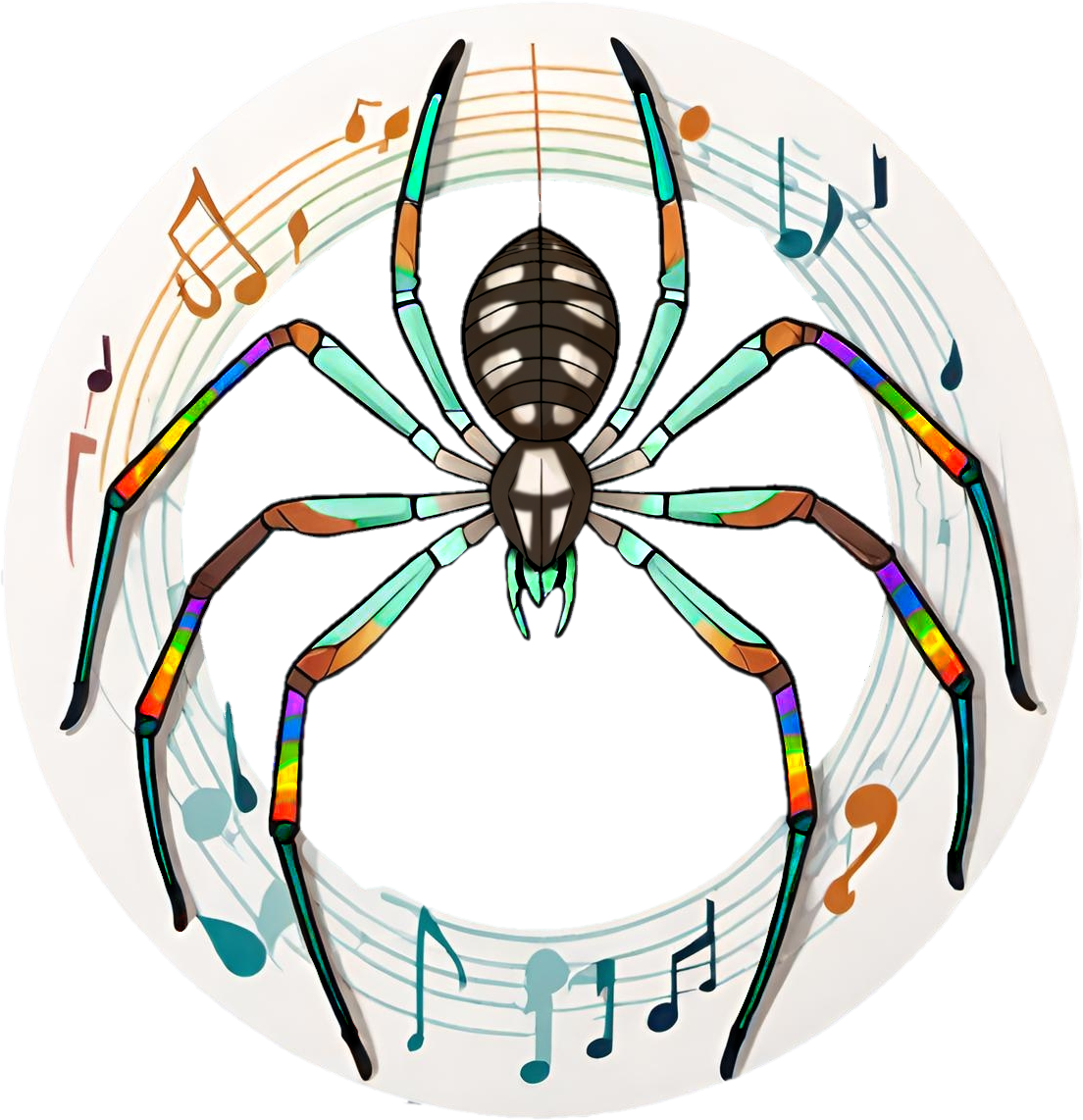
You know those cobwebs building up in the corners of your home? These spiders not only craft these sheet-like webs but make them all the more colorful! Though sometimes their webs go unnoticed, blending into the color of the wall if not made invisible to the naked eye. After all, they are designed to attract or surprise their prey. But still some see these spiders as artists, especially noticed for the startling sounds and even music they are able to produce with their tiny, fragile bodies! Found throughout the warm regions of Eluziar and even into the margins of the Shamsi Desert, they can be found in nearly every household. And while some see them as an irritating pest, their venomous bite is actually harmless to people and they take care of more troublesome flies which may plague your home! |
Predator | Prey | Nocturnal | Camouflage |
Kalitho's Craft
A peculiar ability for a spider, one may think. Kalitho's Craft enables these spiders to alter the color and appearance of what they touch. They focus this ability on their webs, altering their natural colors to their advantage either for camoflauge or even to imbue their silk with a faint glow or ultraviolet light to draw in prey! This often leaves the cobwebs they produce to be colorful when moved--each web a unique piece of art against a blank canvas.
Rithaldis' Eye
Most common in sanat spiders residing in the Shamsi Desert, Rithaldis' Eye allows these spiders to see dangerous radiation in their environment. While not immune to these forces, this ability does allow them to avoid the usually invisible dangers of their habitat!
Sonildaz' Skin Sanat spiders with Sonildaz's Skin are far more common if not infamous for startling people in their homes! It allows them to produce all manner of sounds from different parts of their bodies, even imitating musical instruments. They can rub their legs together to imitate a violin, create strident clashes or rhythmic drumbeats by stomping their feet--whatever comes most naturally to each spider! Most often, they use this ability to attract a mate, intimidate a rival or even to scare off a predator.
|
Anatomy |
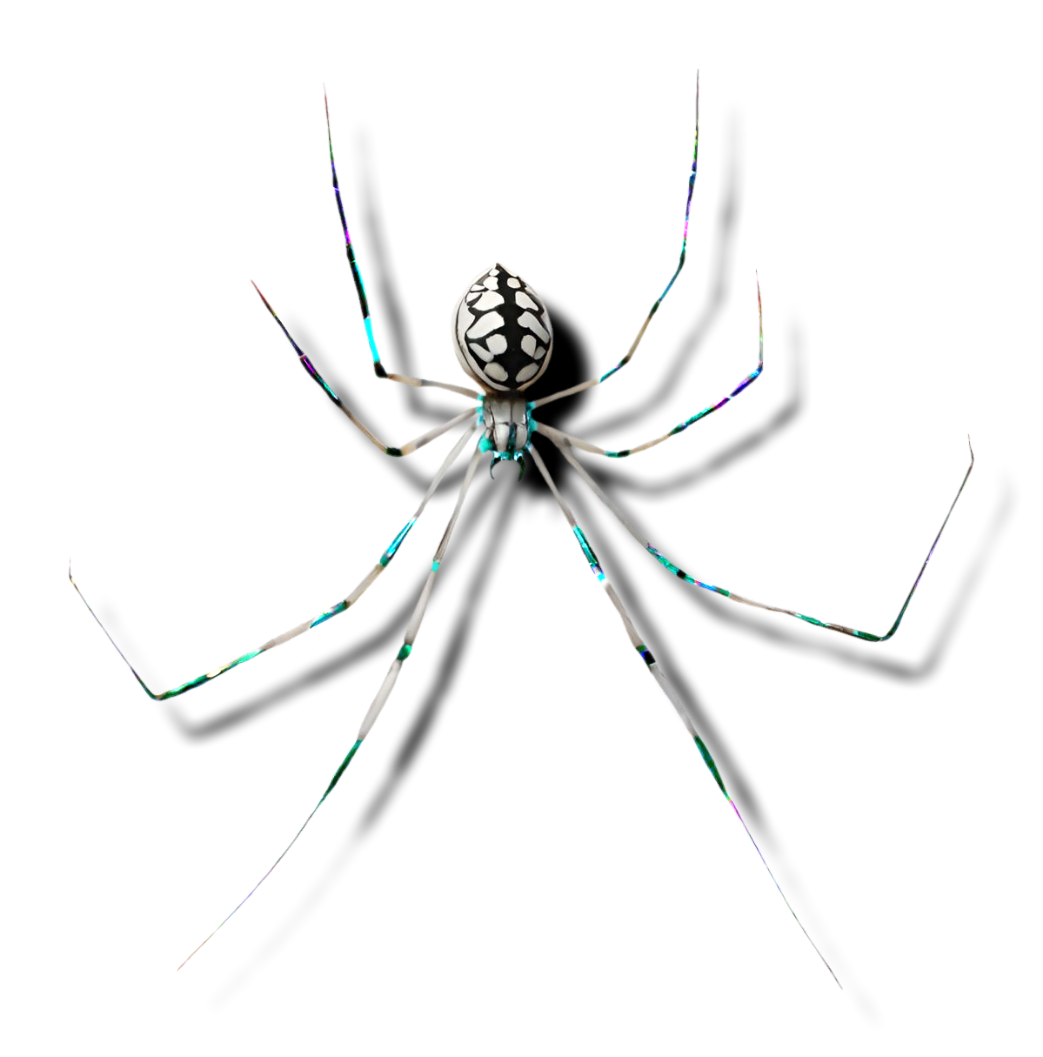
Sanat spiders are most recognizable for their significantly long, delicate and glassy legs which have bulbous joints with noticable stripes. They have a small cephalothorax and a much larger and longer abdomen. Unlike most spiders, males and females are usually the same size but females do have a distinct plate on their sternum. |
Original Ancestor | Lifespan |
|---|---|
Holocnemus pluchei Marbled Cellar Spider | 1 year |
Body | Legs |
5-7.5 mm | 25 mm 1 in |
Coloration |
|---|
Their bodies are marbled brown and white while their legs are a translucent brown. There are also black and white rings on the joints of their legs. In their magic form, the white rings become teal or their eyes take on a sheer white hue. But perhaps most noticable are the rainbow pattern marking their tarsus (paws) and the lowest segments of their legs. |
Habitat |
Urban | Rural | Semi-Desert | Montane |
Native to Eluziar, Flumen Pontem and Northern Alkelbulan, some see these spider as a household pest while others might collect specimens who create pleasant melodies. Sanat spiders reside mainly in corners of walls and ceilings within homes, basements and attics or, in the wild, underneath rocks or within caves. While present in the Shamsi Desert, they tend to stick to milder margins and within urban centers. This includes much of Marrakesh, parts of Libu and Kemet and within both Birit Narim and Kna'an. Otherwise, they are commonplace throughout Flumen Pontem, Turkiye, Hellas and the warm regions of the Eluzian Valley. |

Diet |
Carnivore | Insectivore |
These spiders mainly hunt winged insects such as fruit flies, houseflies and damselflies, often relying on communal webs to preserve energy. The largest spider usually feeds first, food often scarce, but young males mature quickly when enough food is available. In contrast, females grow more quickly when food is scarce, assuring they can compete.
Sanat spiders rely entirely on their webs to capture prey, capable of constructing two types: curved sheets and dome-shaped. The latter are nursuries built by females which are carrying eggs, completely surrounding herself in a sphere attached to the side of a building. It is designed to be invisible or at least camoflauged to its environment. Once her young hatch, she leaves the web while the hatchlings will stay until they molt for the first time. The curved sheet web on the other hand is ideal for capturing prey. These are either made to blend into their environment or, more often, they emit an ultraviolet light invisible to humans but highly attractive to their prey! |
Life Cycle |
Oviparous | Polyandrous | Maternal | Gregarious | Solitary |
Females have an advantage which allows them to select a mate: a protective sternum which she can use to exert pressure on unwanted mates and prevent the transfer of sperm. Choosing her mates carefully, she will engage with several males, usually the second male having the greatest chance of success. To attract a female, males compose unique music, usually rubbing their pedipalps against their chelicerae while others are far more creative. In contrast, females will respond with raucous, strident and sudden responses to signal rejection or even aggression! But this aggression is well-placed as males often invade the webs of females in order to steel their food. After all, sanat spiders are extremely competitive with each other over food despite their tendency to live in groups.
As the spiderlings develop, the mother will carry her egg sac in her fangs and create her dome-shaped web to protect them. She doesn't even eat while carrying her eggs, putting all of her efforts into defending her brood which number around 50 altogether. She does so every few months, mothering several clutches throughout her short life. As the spiderling grow, they will usually molt five times but females often molt a sixth time when food is scarce. They live a brief life, usually only a year, migrating from web to web. Males in particular live the shortest lives--the price of their rapid growth. |
Behavior |
Mutualistic | Agonistic | Communication | Dominance |
These spiders can live independantly but many hatchlings choose to join a group instead. Living in a group means less food is available to each member but it also means they need to expend less energy in constructing their unique webs. Meanwhile, solitary spiders tend to grow larger but have less success in foraging and hunting. So each spider must choose between an uncertain solitary lifestyle or one fraught with competitive agression and even fights over available prey. It is often the largest spiders who wins these confrontations and have the first claim to feed. But when both parties are of similar size, they may even fight to the death! Sometimes, you can catch two males bickering over a fly, irritating homeowners with audacious pops, scrapes and clashes.
Beyond their own internal strife, sanat spiders are often preyed upon by jumping spiders. When a predator invades their nest, they make the greatest use of Sonildaz's Skin to frighten them off. They do so while also shaking their web by bouncing in place or stomping their legs. But the craftiest of their predators are known to employ mimicry in order to invade, avoiding this noisy bouncing altogether! |


Comments