



Oisín (OH-sheen)
A Resident
Oisín
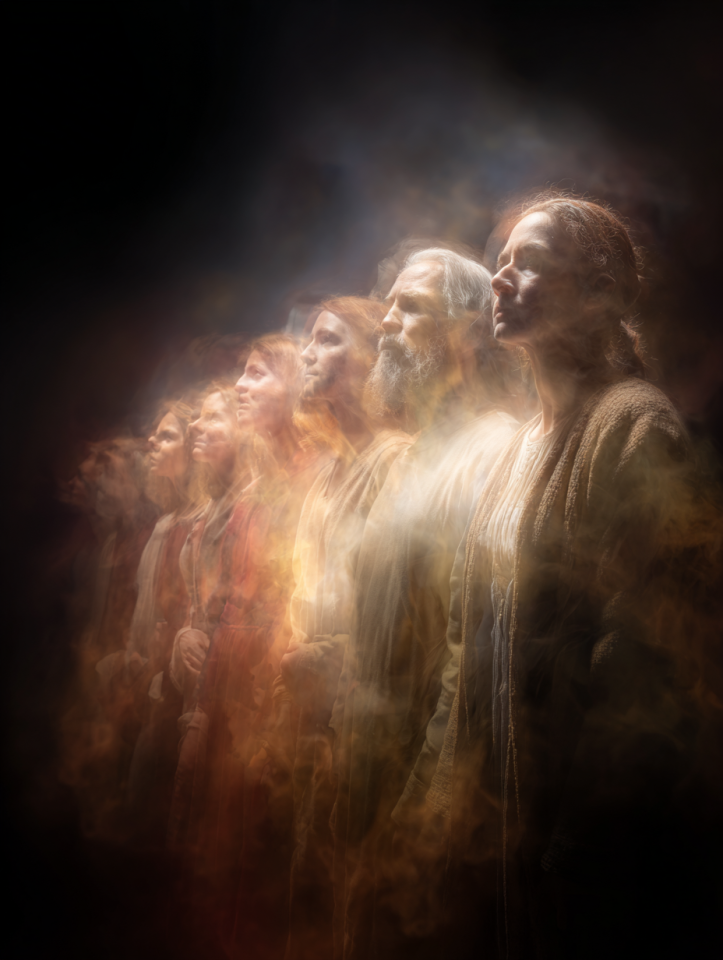
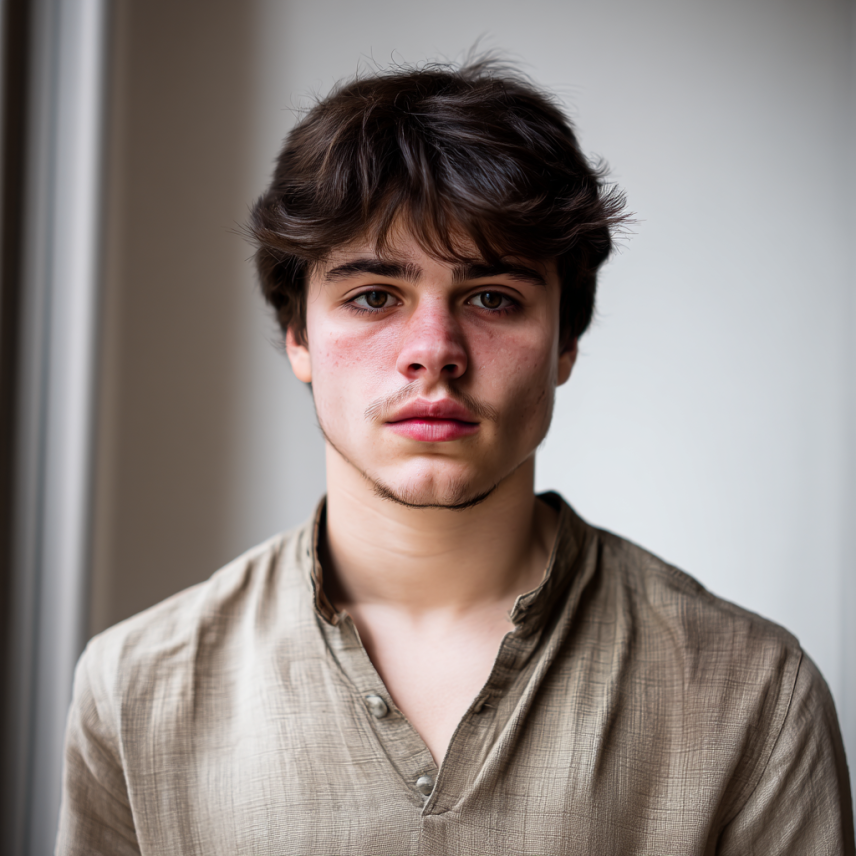
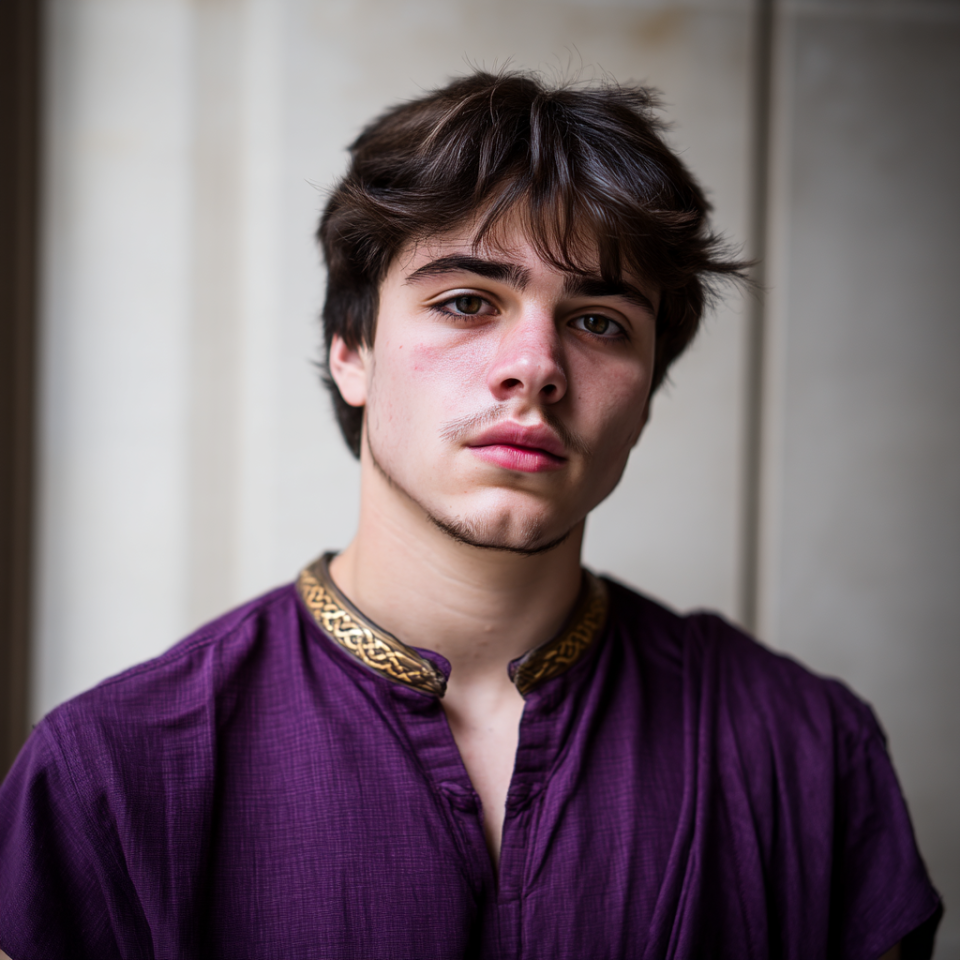
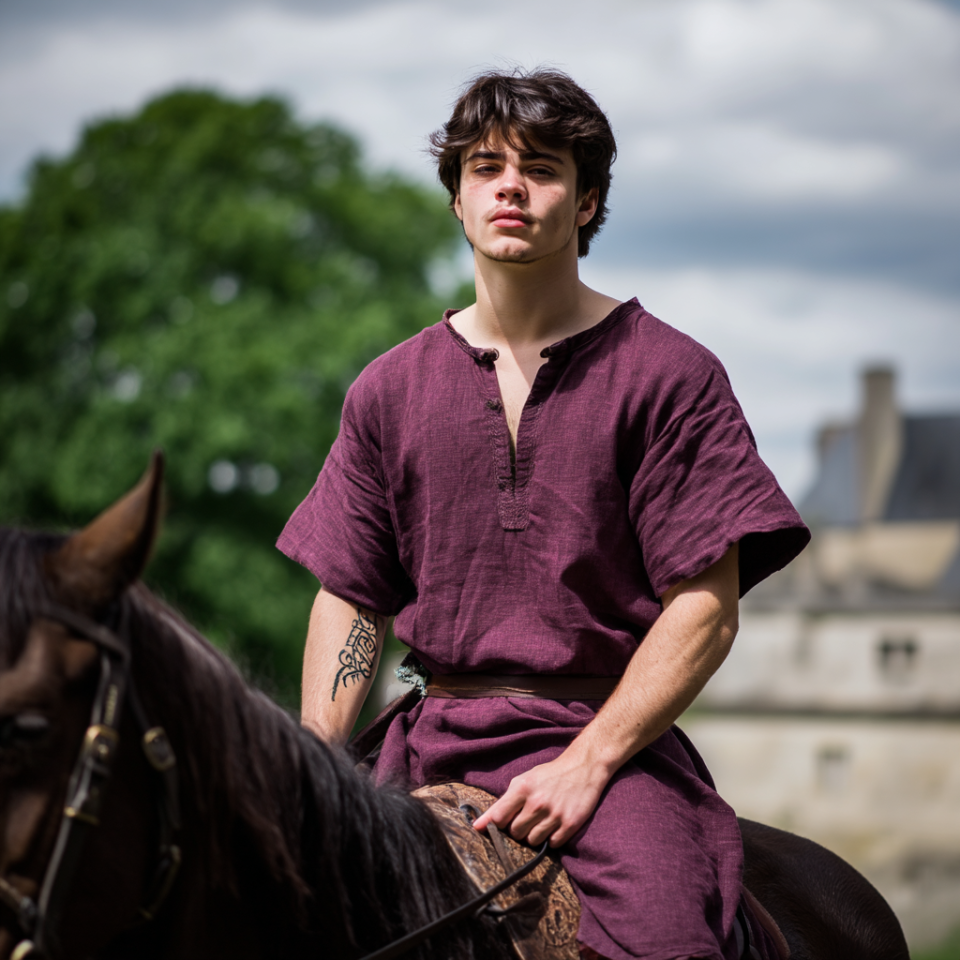
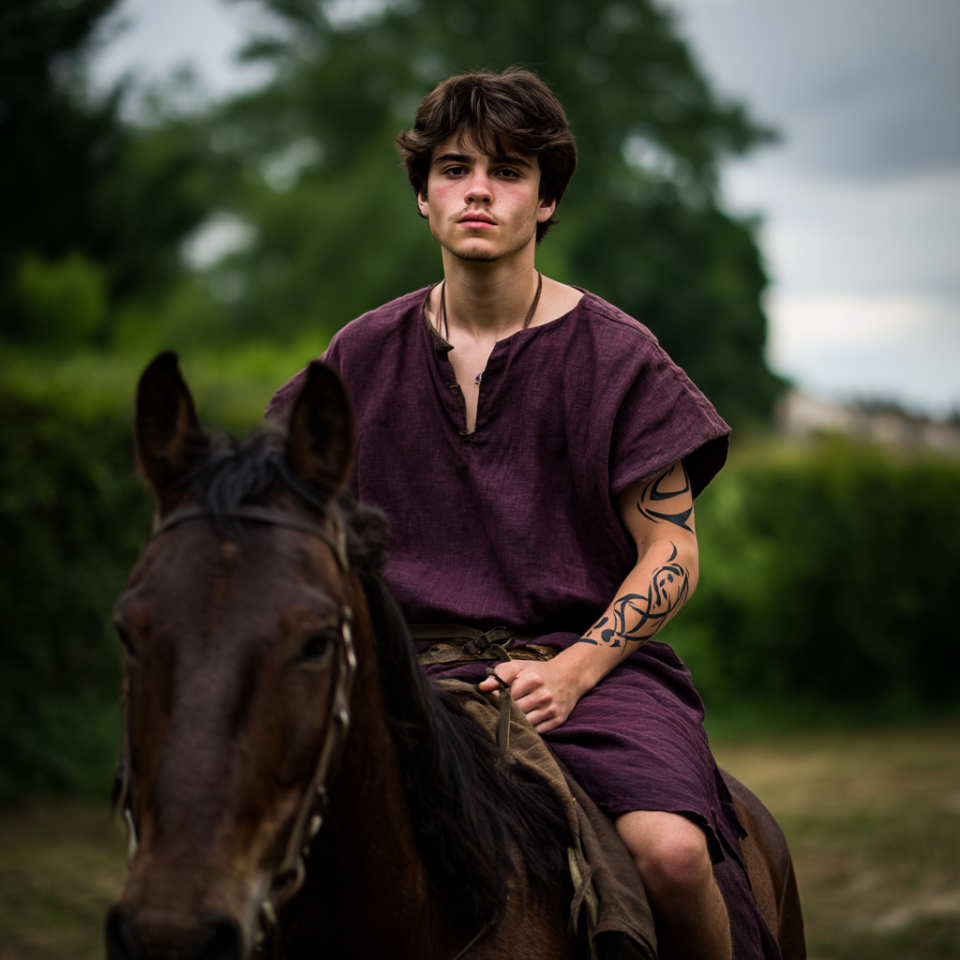
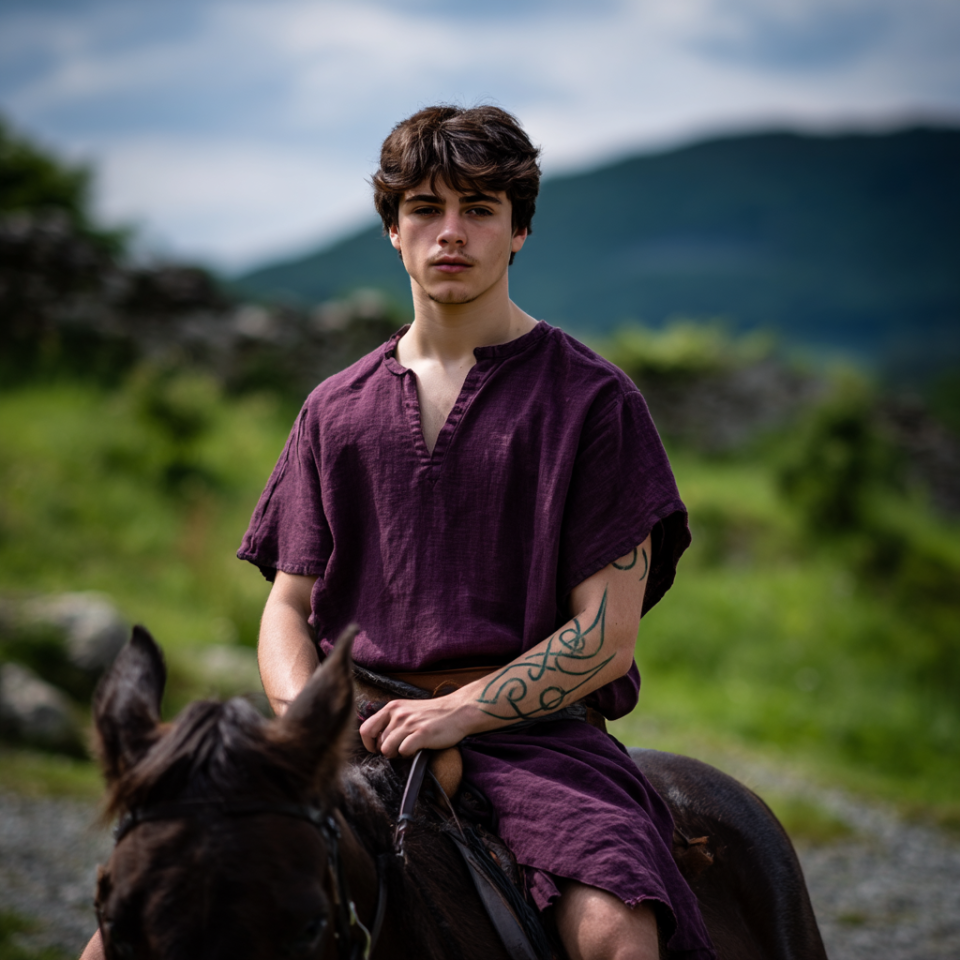
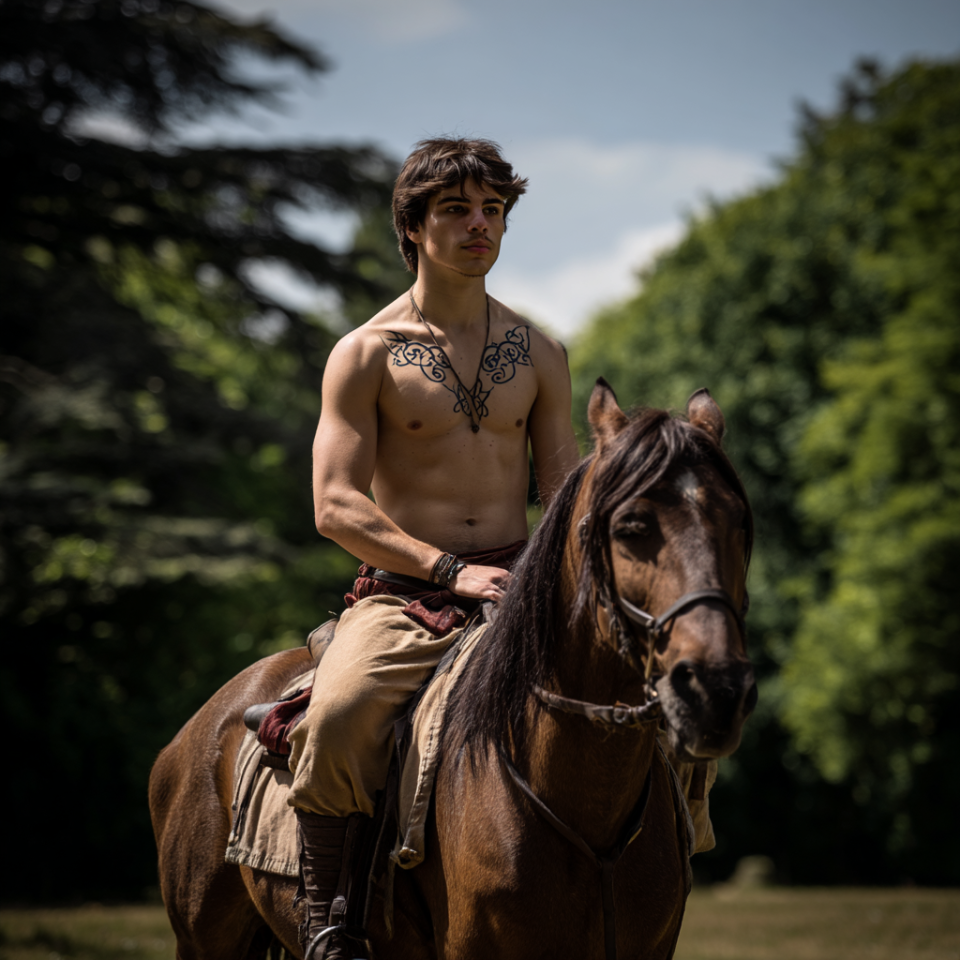
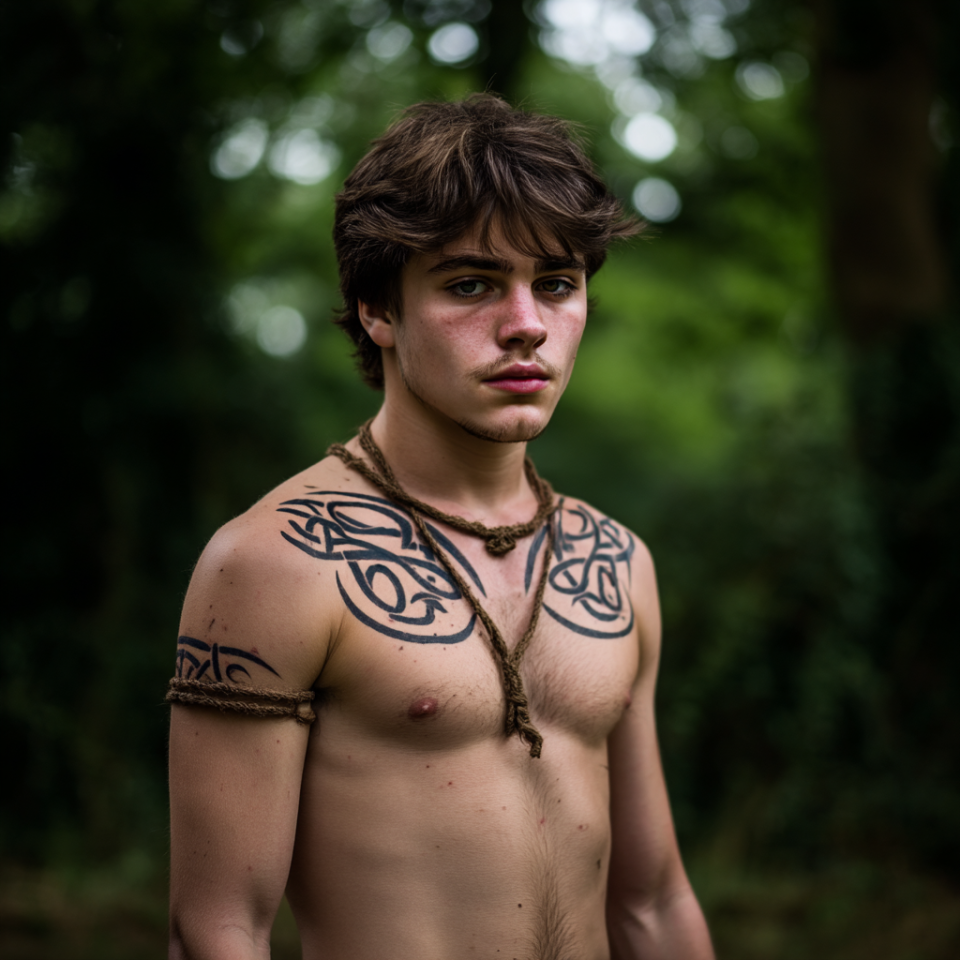
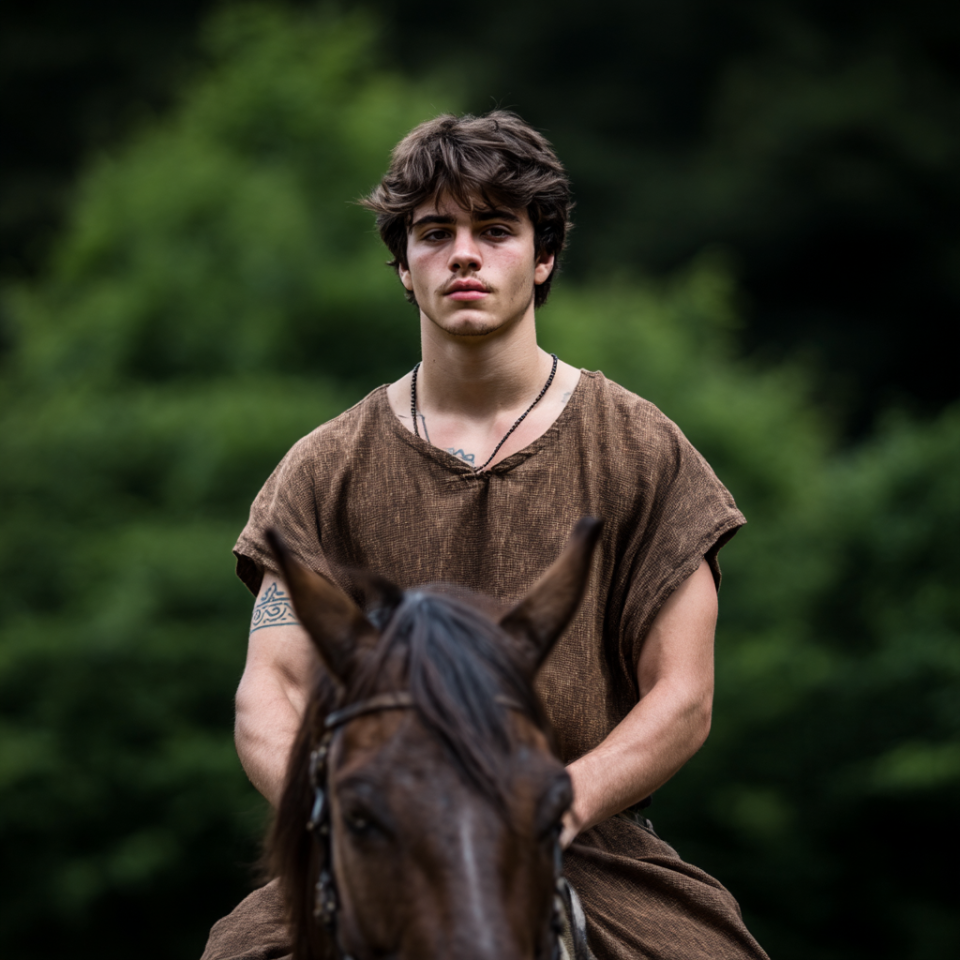
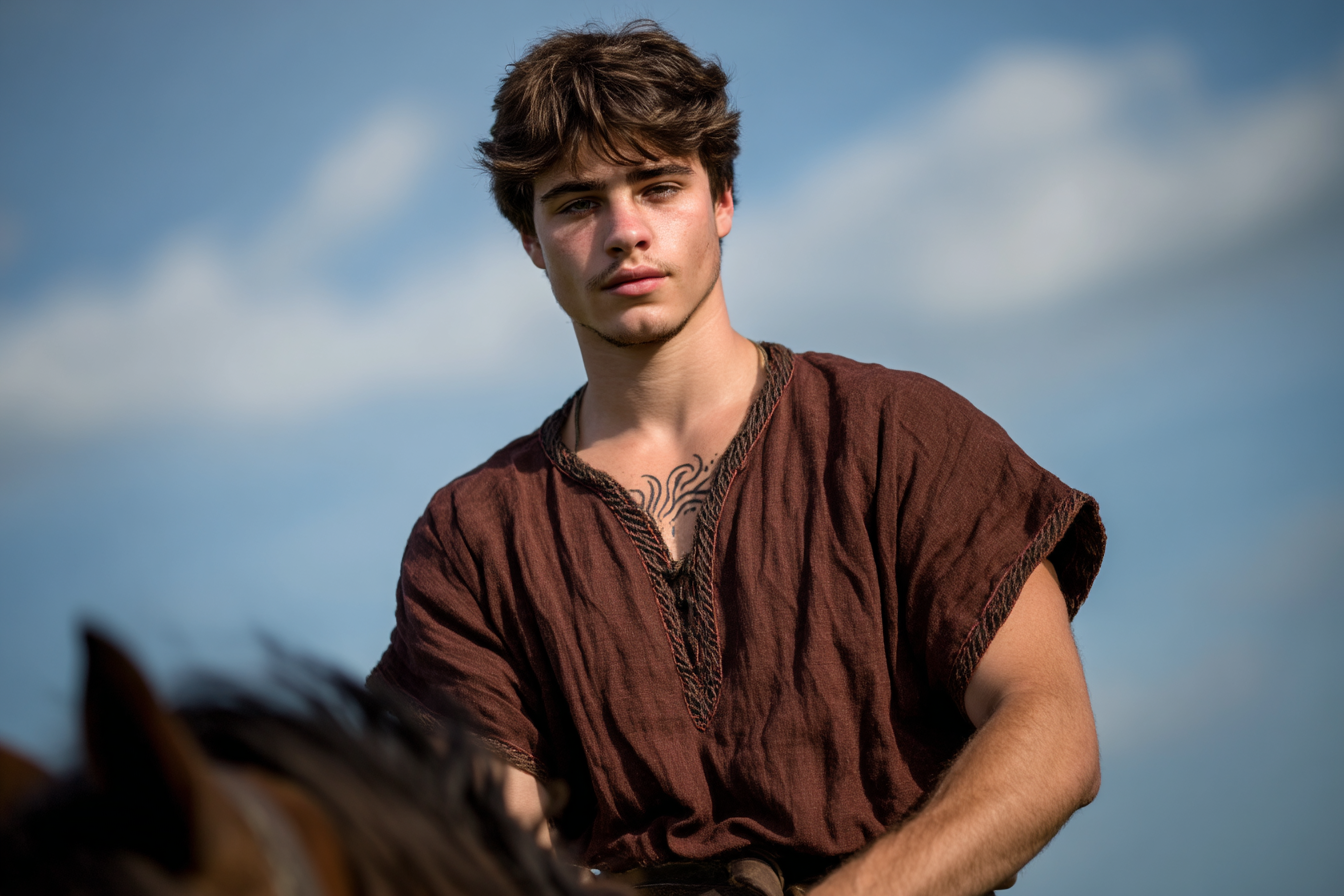
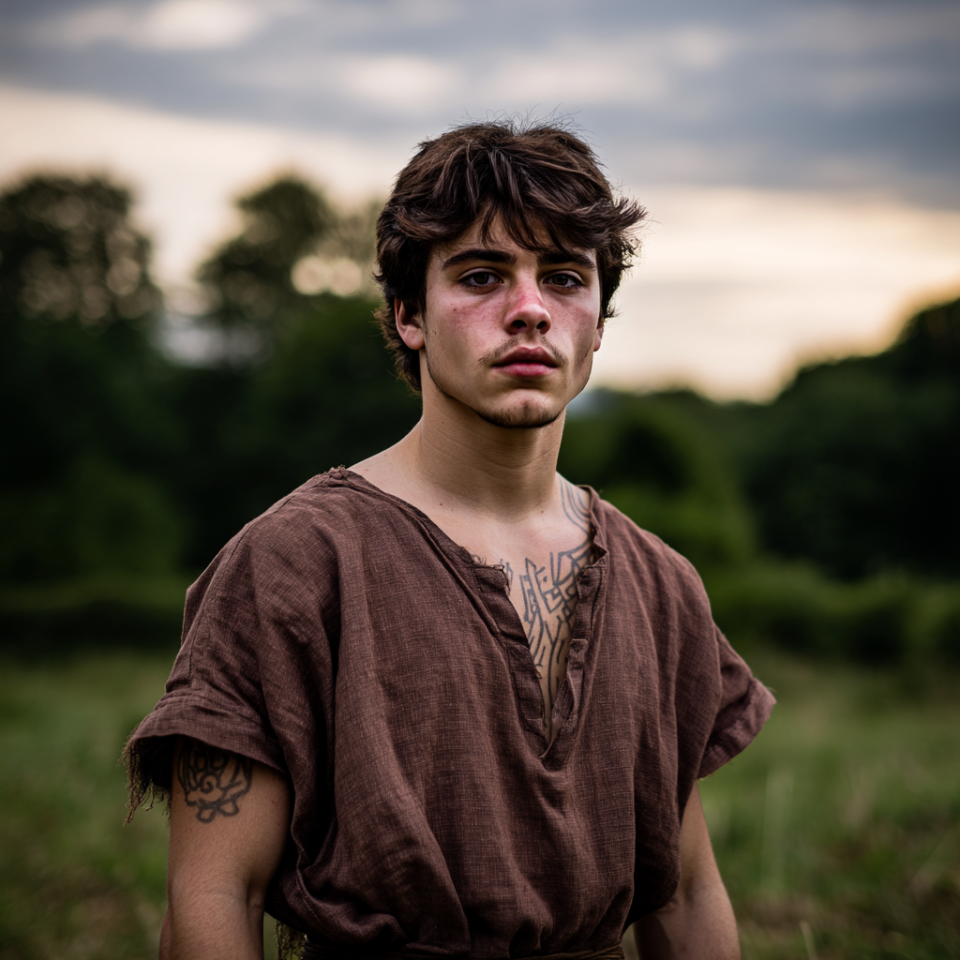
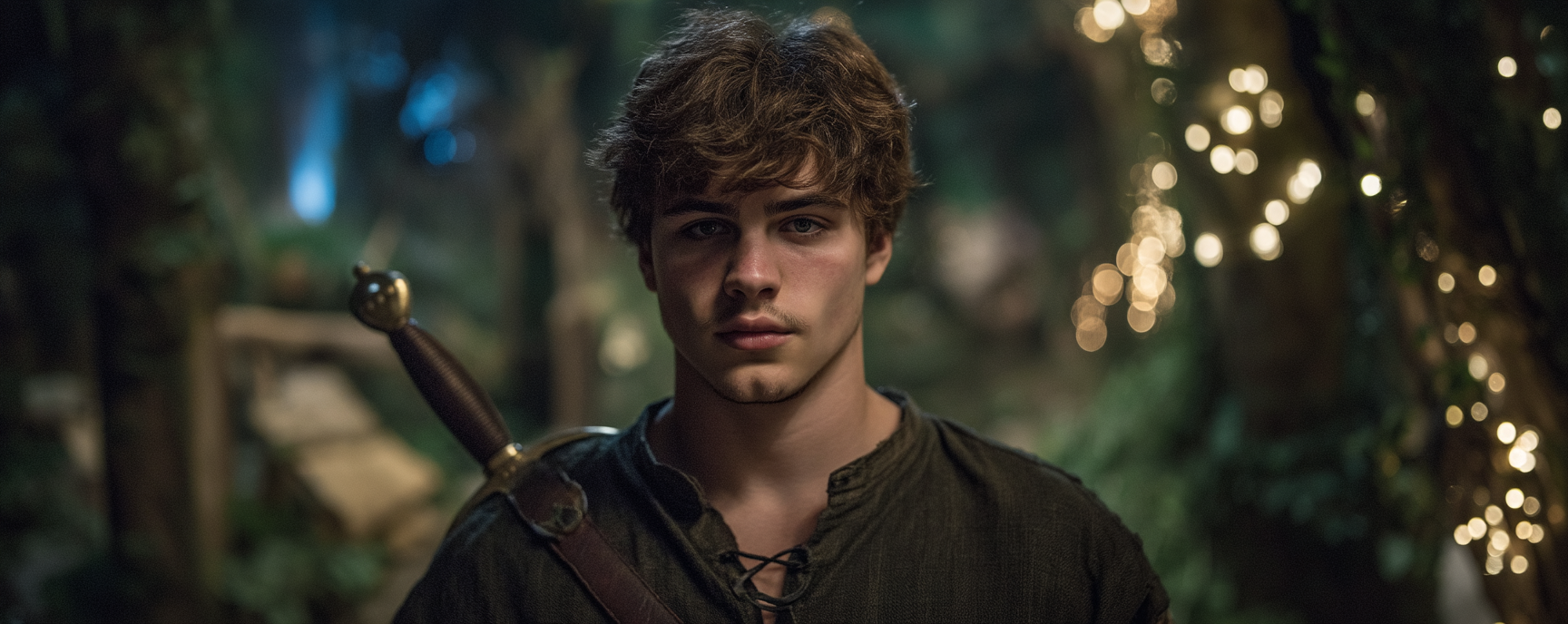
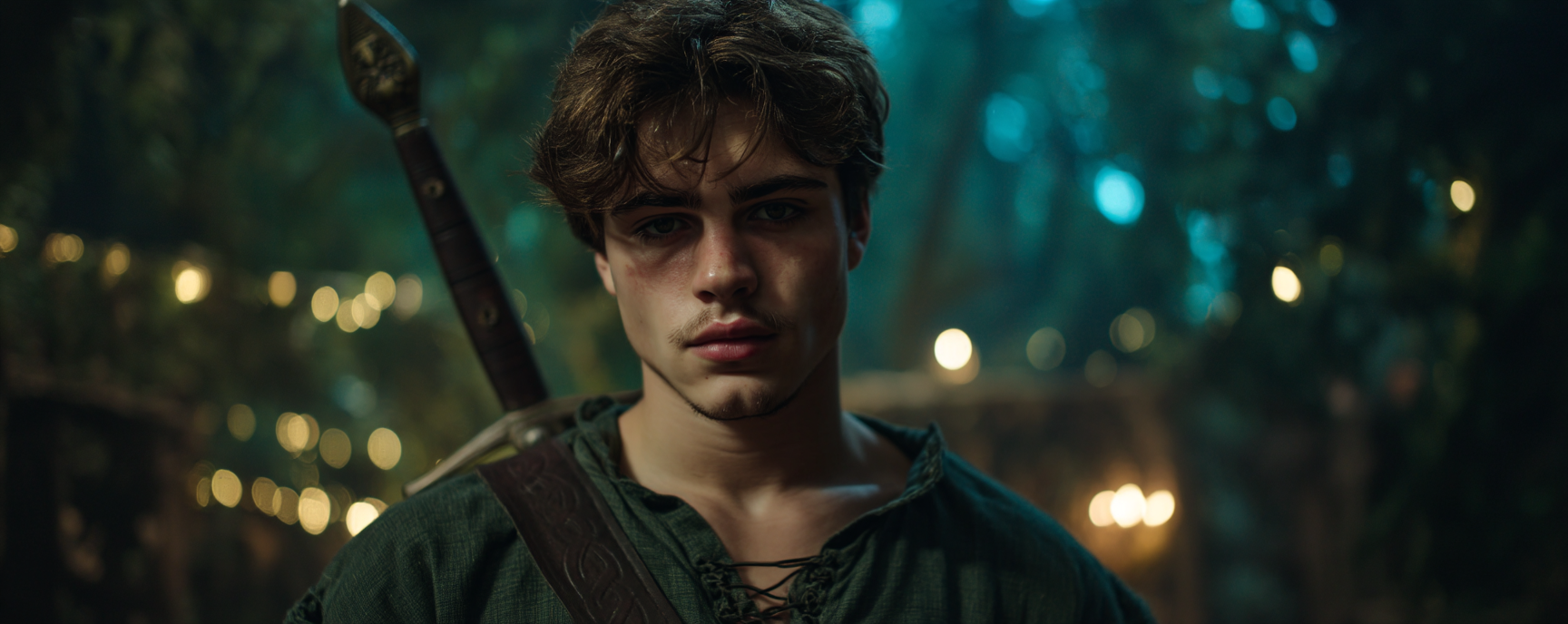
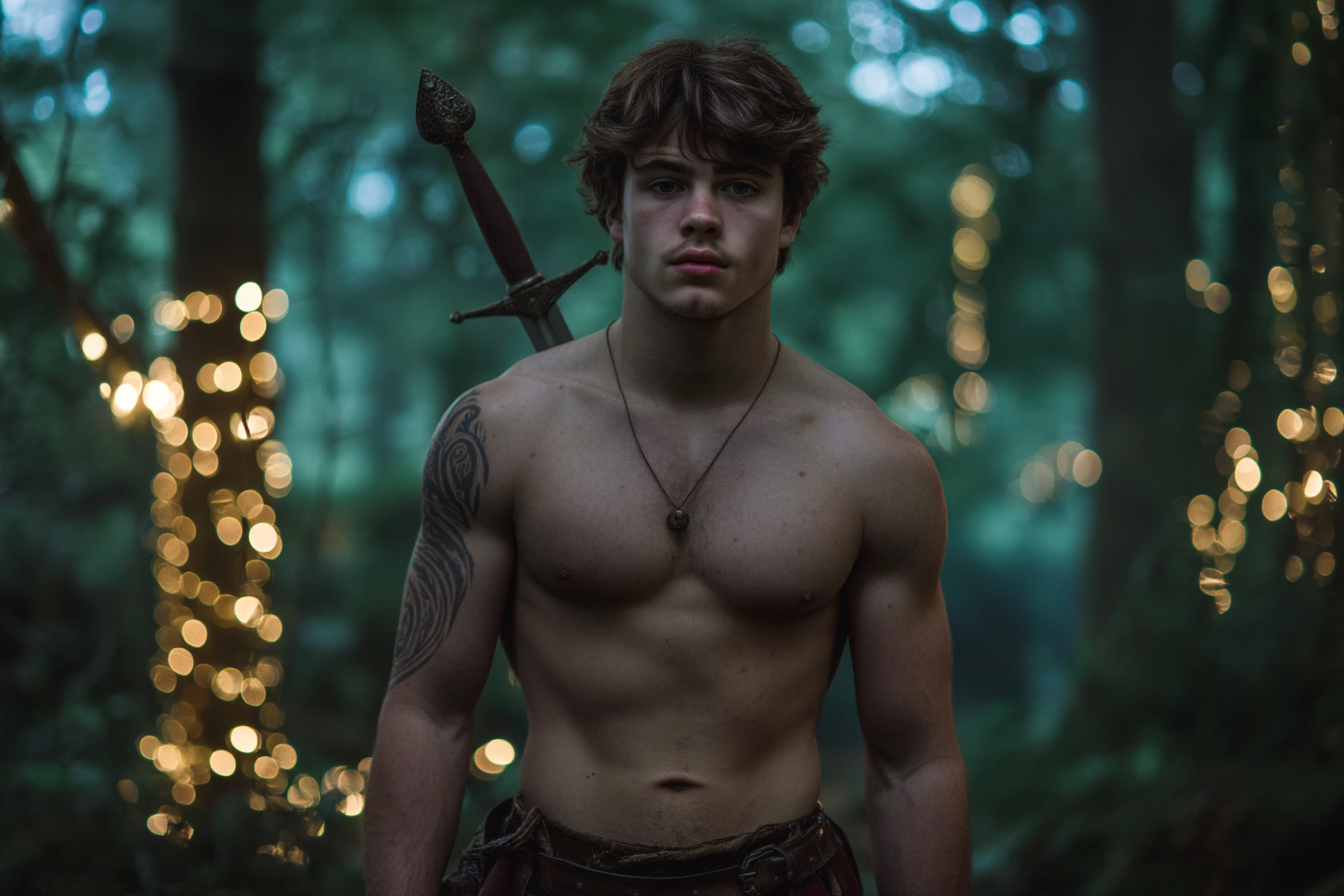
To the mortals of the old world, Oisín was a poet, warrior, and son of Fionn mac Cumhaill—a man whose name stirred the embers of fireside stories for centuries. Yet the version told in Tír na nÓg is quieter, softer at its edges, and far more enduring. It begins not with a chase or a battle, but with a single misstep—Oisín, while hunting in the ancient woods of Fid Droma Snechtai in Ériu, crossed a boundary he did not know existed. The path beneath his feet grew still, the wind fell silent, and the light that filtered through the trees had changed in color. He had, without knowing, stepped into Tír na nÓg when the seams between realms still yielded to the curious.
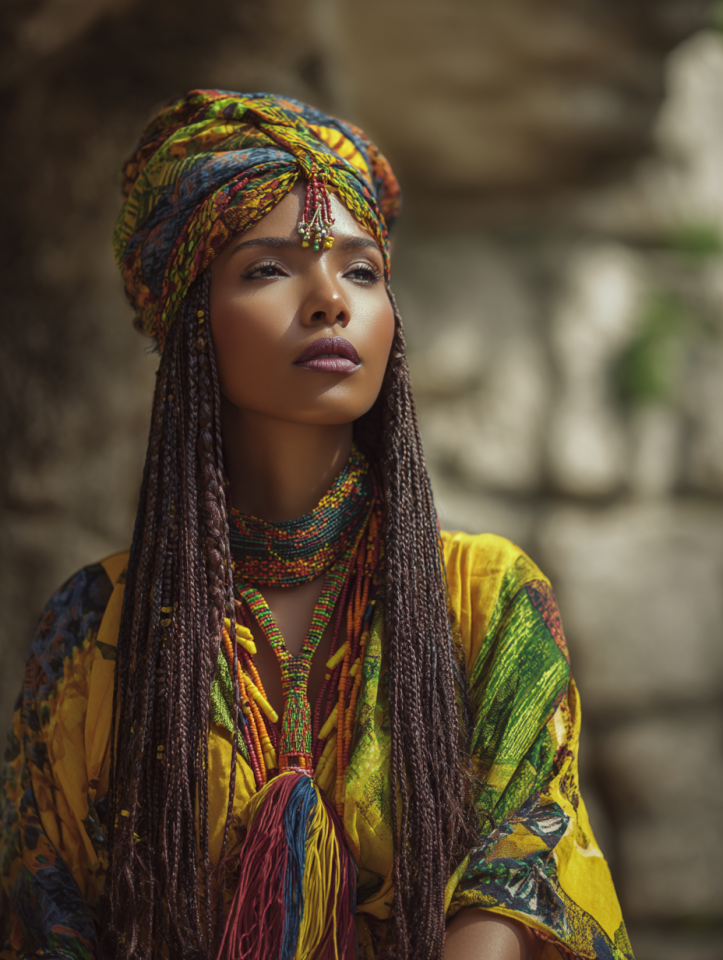
It was there he met Niamh—not as a mounted golden-haired mystery, but as a woman already watching him from the tree line, her laughter like a wind chime made of breath and seafoam. She did not lure him. She chose him. And Oisín, in turn, chose to stay. In this timeless realm, free of grief and rust, he laid down his weapons and became something gentler—still strong, still proud, but no longer tethered to conquest. The stories of boar hunts and riddling battles faded like distant thunder behind him.
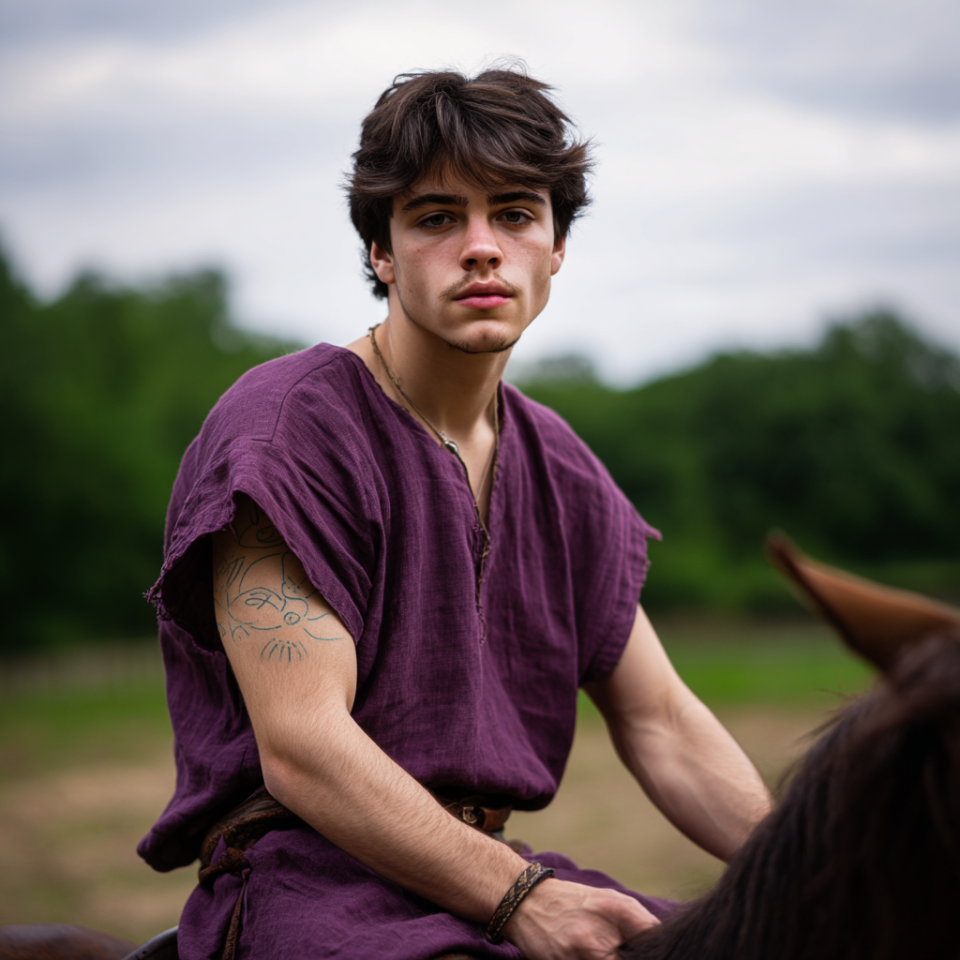
Years—centuries, though the realm did not mark them—passed in contentment. Yet curiosity tugged at him, as it does with all who are born mortal. With Niamh’s reluctant blessing, he returned to Ériu to witness what time had wrought. He found a land transformed, his companions long dust, their names now legend. When he stooped to help with a stone and fell, the weight of time collapsed upon him. But death was not waiting. Hermes was. The god of wayfarers, watching always the crossings of boundaries, reached through the crack between breath and stillness, and pulled Oisín free—back into the ageless world.
Restored to youth, Oisín now walks once more beside Niamh, though neither of them are who they once were. Their bond has deepened with the knowledge of loss and return. He holds memory in his hands like water in a bowl—never entirely still, never fully his, but always there to drink from when needed. He no longer chases legend, nor flees it. He simply lives.
Though they cannot bear children in the way of flesh, it is whispered that Oisín and Niamh shaped their line from intention and shared memory. A laugh in the wind, a spiral in stone, a child born to no womb but crafted nonetheless—they are creators of legacy, not lineage. Any tales of children in Ériu are remembered with care, but not fully claimed; they may have walked the mortal paths, but none remain here now. Those who do stand at the end of their line in Tír na nÓg carry their essence in ways words cannot map.
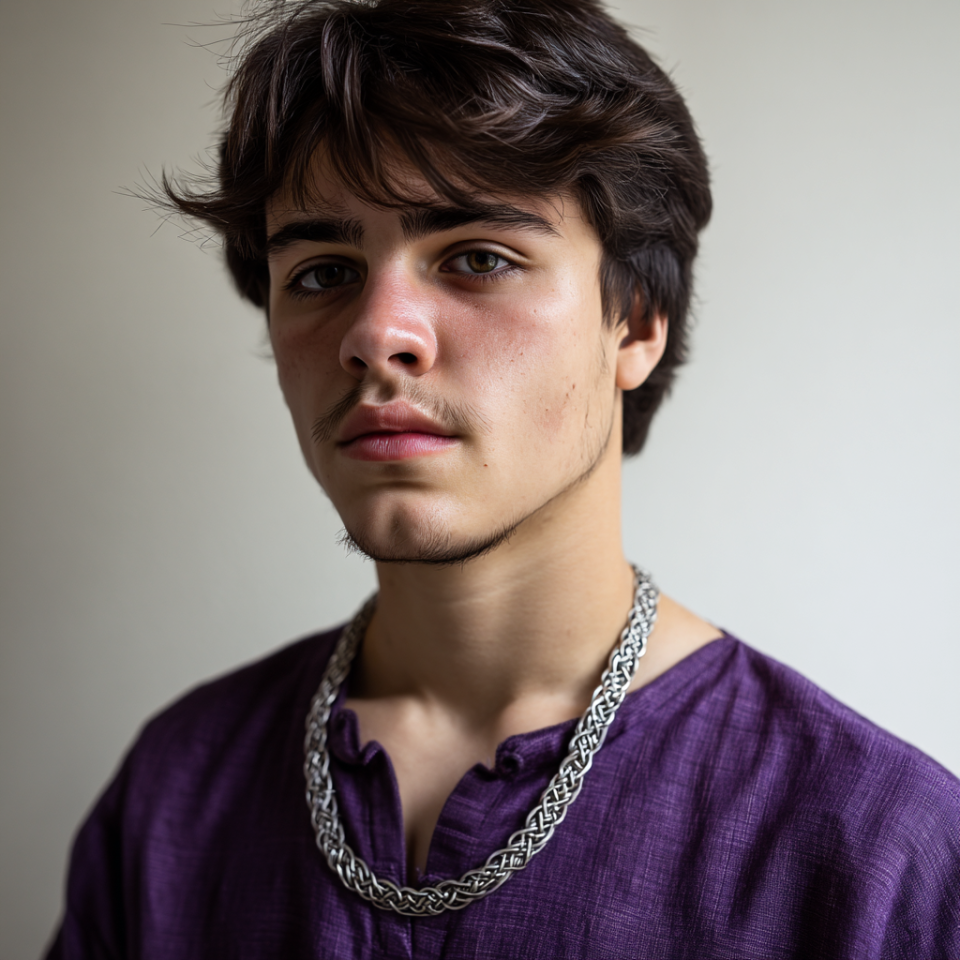
Oisín remains a beloved figure—at once a memory and a presence. He teaches not through instruction but through presence, his storytelling soft and layered, his silences just as full. There is no crown on his brow, no throne beneath him, but he is still a legend—and perhaps more human for it.
Relationships
Photo Album
Current Location
Species
Ethnicity
Realm
Professions
Date of Birth
ca. 50 BCE
Birthplace
Cluindassos, near Fid Droma Snechtai (modern-day Clones, County Monaghan)
Spouses
Niamh
(Cathbhráithre)
Siblings
Sex
Male
Sexuality
Heteroflexible
Other Affiliations



