
The Ring of Red
I had never seen the Scale-Kin so excited as I did in the ring. They were often so reserved, doing whatever task assigned to them, but in the ring they just let loose. Cheering, hissing, and half a dozen other unidentifiable sounds filled the air, rising to a seemingly new crescendo with every strike and parry.
They did not seem to have a preference for their own kind in the ring, I thought it interesting to note. Their cheers were for whoever skill, and for whoever won; be it scaled, human, or something else.
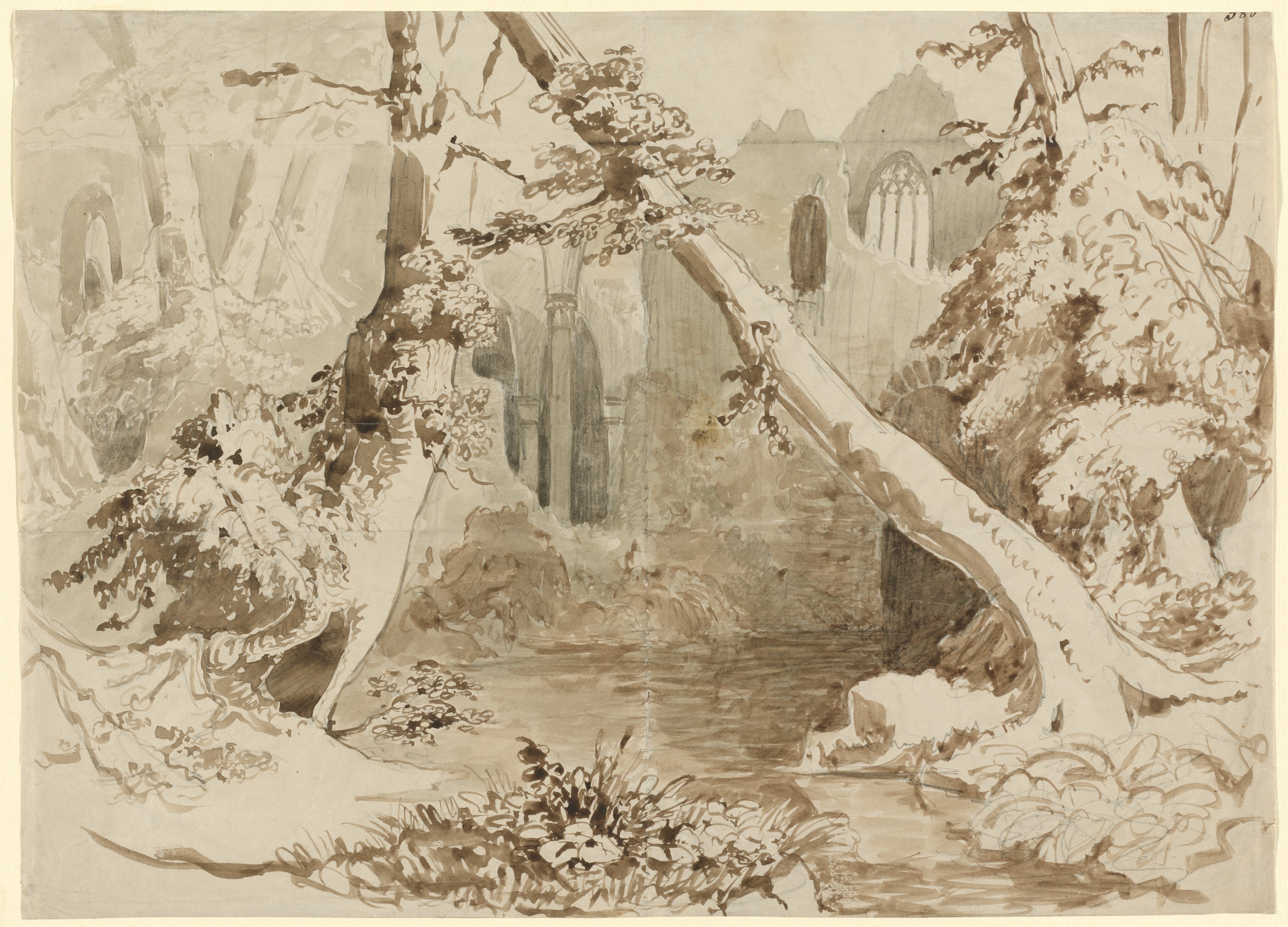
One of the most famed landmarks of Xotlyan's urban centers, the Ring of Red (literal translation of "maxotaztli tlayo") is an absolutely ancient arena that has served ritual purpose for most of the incredibly long history of the Scale-Kin. In all that time, the intent has not changed significantly, that being the exultation of the Scale-Kin god; Of-Many-Scales, through combat between the many different Scale-Kin morphs. This intent to give all beings a chance to exemplify their natural gifts has maintained to the modern era, and the Scale-Kin seem more than willing to allow foreigners and other species to participate within the Ring without so much as a second thought.
Architecture
It is an entirely stone structure, with nearly every available surface covered with intricate carvings, as is the Scale-Kin tradition. The stone benches that ring the combat area can fit significant numbers, and in ancient days the crowd would consist of most of the population of
Human prisoners from the Ichormachy were brought to the arena as the war raged, and many of them earned the respect of the Scale-Kin. When those prisoners found out about the death of their god , however, their fights took on a notable pall of sorrow. Scale-Kin descriptions of the arena matches, usually full of energy and vibrant descriptions of the combat, become notably saddened around this time as well.
They describe how the fire that had been present in the prisoners, and the teamwork, disappeared in an instant, "like a candle amidst a monsoon. They simply fought, by themselves, until their heartsblood gathered upon the floor."
The sympathetic sadness began to affect the population so much that events that featured the human prisoners would be closed to the public. The last of the human prisoners would die in combat within the arena before the end of the war.

Comments