
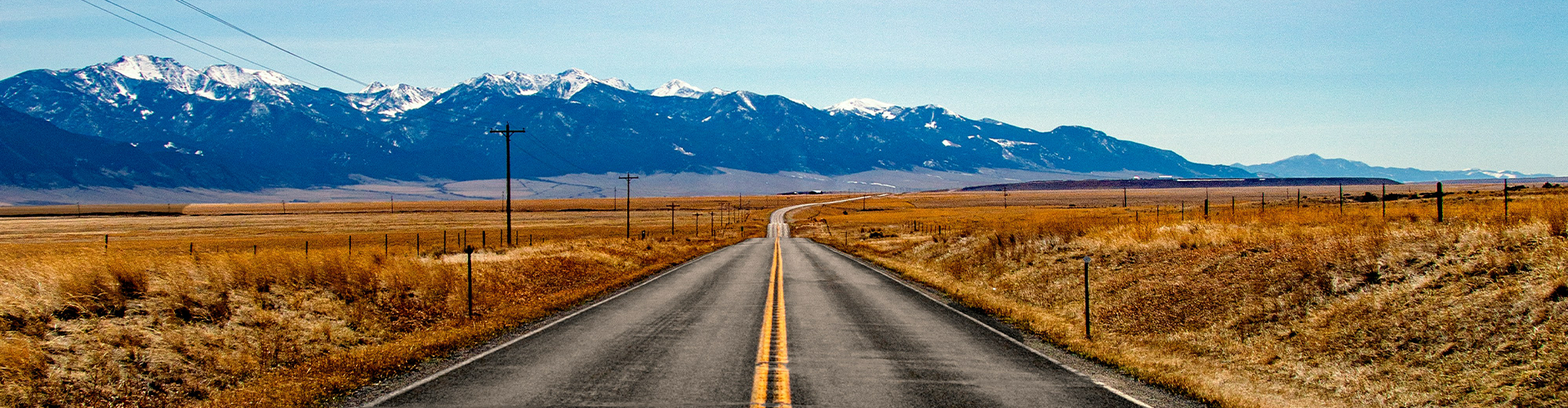
Big Sky
In the Boomlands, "Big Sky" refers to eastern Montana, which is the only part of the area formerly known as "Big Sky Country" that's not covered by clouds of fallout. The region is a backwater that only rates its own designation because it's cut off from the surrounding regions by large fallout zones to the east and west, The Rez to the south, and the Canadian wall to the north.
Geography
The part of Big Sky that's not uncomfortably radioactive is the eastern half of Montanna, which consists mostly of prairies and badlands. The narrow strip of Montana that survived east of the Great Falls fallout zone is considered part of the Great Divide region.
Localized Phenomena
The Fort Peck reservation has come to function as a satellite state of The Rez, causing ranchers along the eastern edge of the state to fear that the Native Americans may make a play for the land that connects the two.
Climate
The weather is dry with cold winters and fairly mild summers.
Fauna & Flora
The most notable wildlife here are the herds of deer, bison, elk, antelope, and wild sheep that roam the prairies. Since they often feed on potentially contaminated grass in the yellow zones, hunters are advised to run a Geiger counter over the game they kill before throwing it on the cookfire.
Natural Resources
According to Boomlands wisdom, Big Sky exports the "three C's": Coal (from the Crow mine), Cattle (from the ranches), and Crazy (from the silos).
History
After the Boom took out most of the military bases and major cities, Big Sky was left with three groups of survivors: Cowboys, Indians1, and Refugees.
The cowboys mostly consolidating, moving from isolated family ranches to communal co-ops or taking work with the ranches large or isolated enough to remain independent.
The bombs left the Crow and Belknap reservations in yellow zones prone to heavy fallout storms and completely destroyed the reservations to the west. The only reservation that survived reasonably unscathed was the Fort Peck reservation, which has grown beyond its old borders as survivors from the other reservations have settled here. Rather than migrating to Fort Peck, a contingent from the Crow reservation took control of a coal mine just outside of the reservation on the southern Montana border.
Most of the state's refugees were survivors who made it out of the suburbs before the bombs hit. Some found a place on the ranches or reservation, but most became Silo People, moving into missile silos and launch bunkers in the yellow zone around the Great Falls crater. While there are silo camps in other locations as well, Montana has a the largest concentration of silos in still-habitable areas. Regardless of where they're located, silo camp residents have a (well-deserved) reputation for being eccentric and cultish.
The cowboys mostly consolidating, moving from isolated family ranches to communal co-ops or taking work with the ranches large or isolated enough to remain independent.
The bombs left the Crow and Belknap reservations in yellow zones prone to heavy fallout storms and completely destroyed the reservations to the west. The only reservation that survived reasonably unscathed was the Fort Peck reservation, which has grown beyond its old borders as survivors from the other reservations have settled here. Rather than migrating to Fort Peck, a contingent from the Crow reservation took control of a coal mine just outside of the reservation on the southern Montana border.
Most of the state's refugees were survivors who made it out of the suburbs before the bombs hit. Some found a place on the ranches or reservation, but most became Silo People, moving into missile silos and launch bunkers in the yellow zone around the Great Falls crater. While there are silo camps in other locations as well, Montana has a the largest concentration of silos in still-habitable areas. Regardless of where they're located, silo camp residents have a (well-deserved) reputation for being eccentric and cultish.
1 Some Native Americans find the word "Indian" offensive. Some Indians find the phrase "Native Americans" even more offensive. Members of First Nations tribes don't care for either. All three would generally prefer that you use their traditional tribal names, but most collective names for "the people who lived in the modern United States before Europeans decided it was theirs" are going to offend somebody. That being the case, I've decided to go with "Indians," because I find it more direct and evocative and because it's the term that was more common when the game is set.



Comments