The Fall of Abattoir
Disaster / Destruction
36/3
37/3
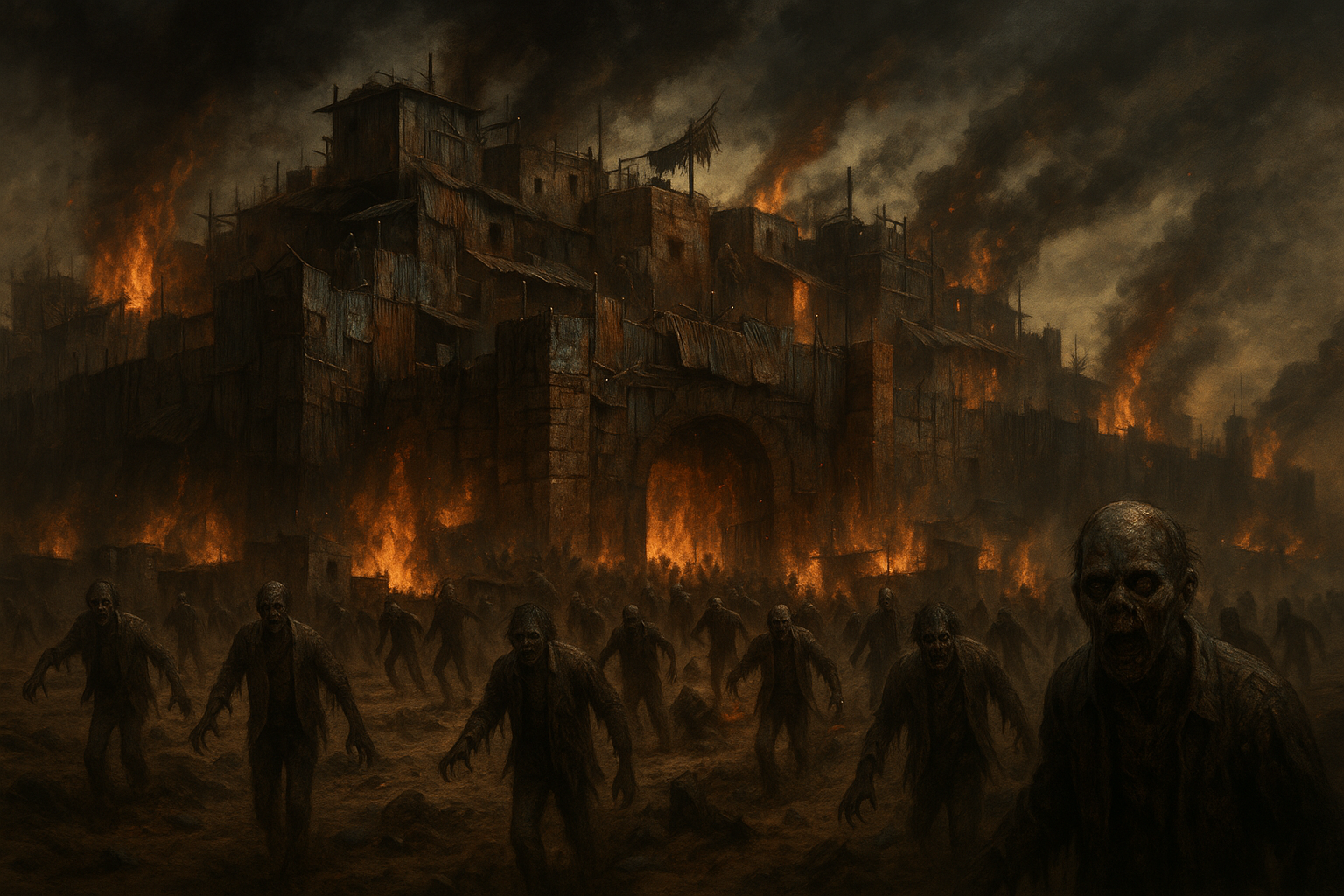
In 217 PR, the city of Abattoir on the edge of the Great Eastern Wastes was destroyed when an outbreak of the Breathless Plague triggered widespread panic, violence, and an uncontrollable fire. As flames and infection overran the city, its high defensive walls trapped the inhabitants inside, leading to massive loss of life. By dawn, Abattoir had burned to the ground, leaving only ruins and unanswered questions about whether outside forces played a role in its fall.
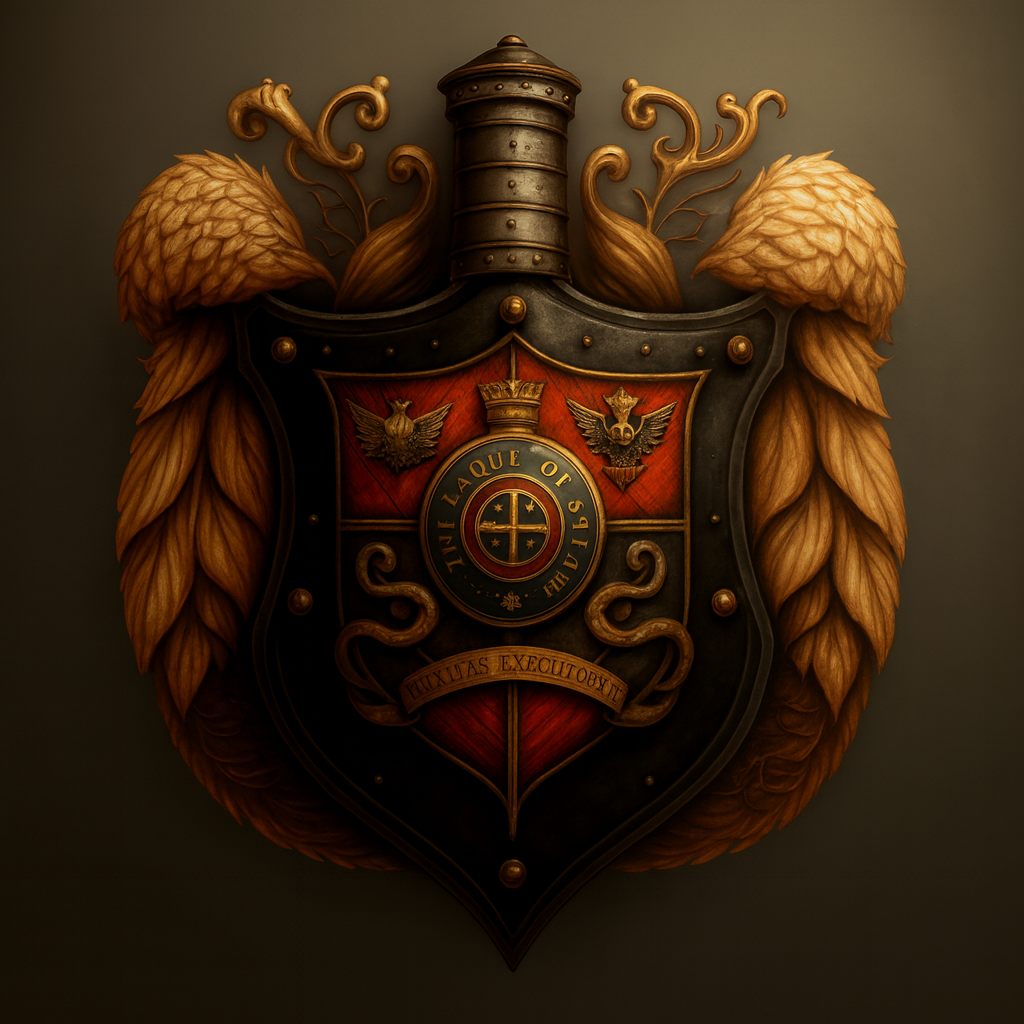
Abattoir stood where the Great Eastern Wastes pressed hardest against civilization, a jagged crown of iron and stone raised by the survivors in the Ventryte lands, defiant against sand, wind, and law alike. It was a city of knives and whispers, of black markets and hidden vaults, where information was traded as readily as flesh and water. Abattoir prospered not because it was clean, but because it was necessary. Too many secrets passed through its gates for the world to ever fully turn its back on it. That necessity would not save it. On the evening of the 36th of Senectus, 217 PR, the first signs of collapse appeared not at the walls, but in the streets. Witnesses speak of a man falling near the southern trade lanes, breath rasping, eyes glassy and unfocused. Within the hour, there were dozens. By nightfall, the Breathless Plague had taken hold, spreading with terrifying speed through alleyways, taverns, and tenements. Panic followed swiftly behind it. The Benevolents stationed in Abattoir, few in number and ill-suited to containment, attempted to impose order as the infected began to turn violent and unrecognizable. Civilians armed themselves with whatever tools or weapons they could find. For a brief, desperate time, the city fought to hold itself together, barricading districts and sealing doors, believing the walls that had always protected them would endure once more. Then the fire began. No record agrees on its origin. Some claim an explosion caused by the defending inhabitants caused it, while others insist it began in the industrial quarter, where volatile fuels were stored in excess. A quieter, more dangerous rumor persists...that the flames were no accident at all. In later years, speculation would point toward the Culvarkt intelligence arm, the League of Steam, though no evidence has ever surfaced to confirm their involvement. The truth, like so many things tied to Abattoir, burned with the city itself. What is known is that the fire spread faster than any attempts to stop it could contain. Wind from the wastes carried embers across rooftops, igniting districts already choked with chaos and screams. Smoke filled the streets, thick enough to blind defenders and suffocate the dying. The plague, the flames, and the fear fed one another until resistance collapsed entirely. The main gates fell first, not to siege engines, but to the press of bodies and the advance of fire. Once breached, the walls that had long been Abattoir’s greatest strength became its final cruelty. Designed to keep the horrors of the wastes out, they now kept the living trapped inside. With exits blocked and streets aflame, escape became impossible. Survivor accounts tell of people climbing the walls in desperation, driven by smoke and screams, only to leap into the dunes below rather than face what remained within. Others were consumed where they stood, nameless and uncounted. By dawn, Abattoir was no longer a city. It was a smoldering carcass visible for leagues across the wastes, its towers collapsed inward, its secrets reduced to ash. The Breathless Plague burned out with its hosts, and the flames eventually starved themselves, leaving behind blackened stone and silence. Abattoir was never rebuilt. To this day, the ruins stand as a warning etched into the edge of the Great Eastern Wastes, a reminder that walls cannot save a city from itself, and that some places, no matter how vital, are destined to die screaming.