

Jiorkie System

Digital Zilda
*Accessing Database...*
*Access Denied!*
"It seems there is a lot of data hidden about this star system. I'll try to find loopholes in the system to see if I can find additional info while you read. From what we do know about what happened to this star system, I just want you humans to know that your species sucks!"
The Jiorkie star system used to have one of the most promising upstart civilizations in the galaxy. Its star was stable, it had a planet that could support life, and there were almost a hundred billion beings that called this system home. All that changed about 9,000 years ago when the Star suddenly collapsed into a white dwarf and caused a nova explosion that irradiated each of the worlds. There are a number of competing theories for why the star collapsed the way it did, ranging from interaction with an already existing white dwarf star to an innate instability with the type of star that used to exist in the current star's place. The displaced species that survived in very little numbers were scattered to other star systems and have yet to recover from this stellar cataclysm.
Jiorkie (Star)
Mass: 0.8 M☉
Radius: 1 RE
Rotational Period: 25 Eminutes
Surface Temperature: 147,000 K
Composition: 85% Carbon, 15% Oxygen
Radius: 1 RE
Rotational Period: 25 Eminutes
Surface Temperature: 147,000 K
Composition: 85% Carbon, 15% Oxygen
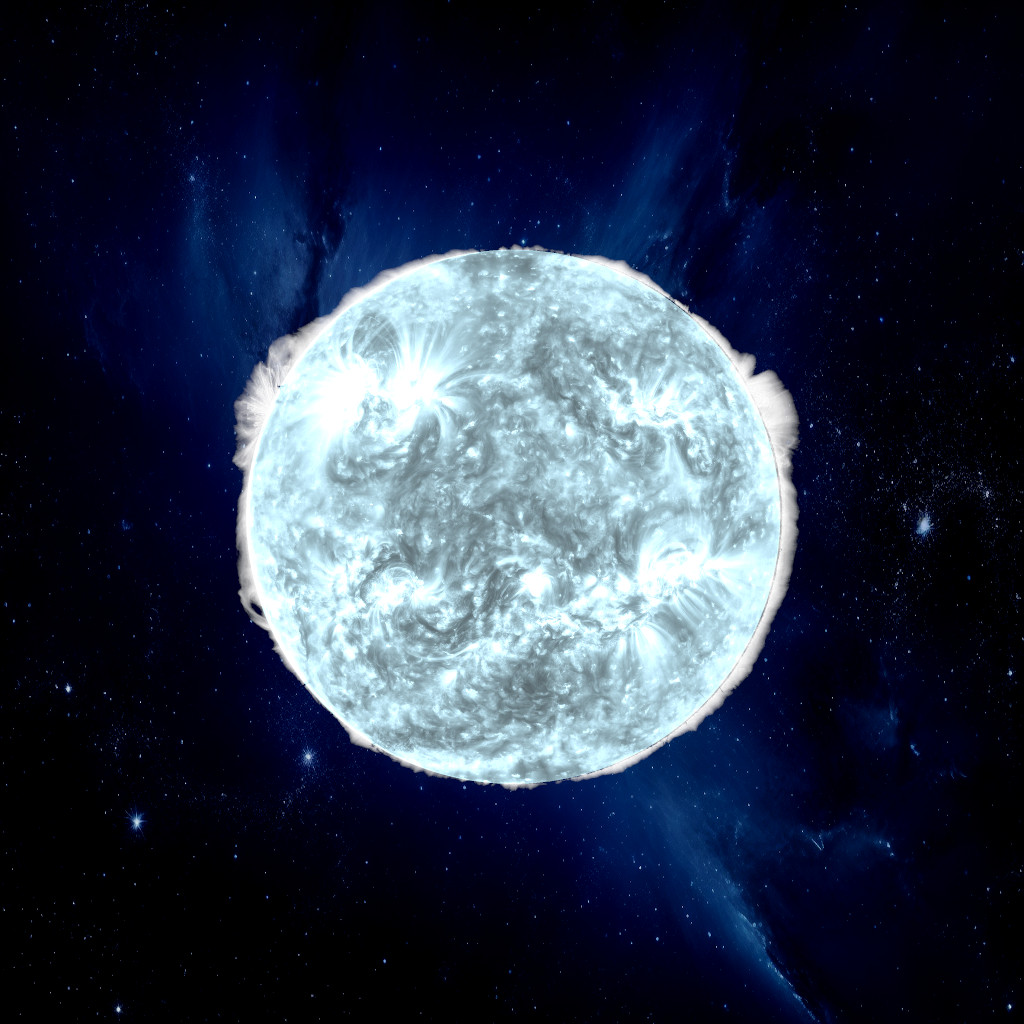
A White Dwarf Star with a stellar age of only 4.76 Billion years. Scientists have argued over whether this star's death was natural as massive stars will produce a white dwarf after living only a hundred million years. Galactic records from ten thousand years ago however, state that the star was a yellow star and was well over four billion years old before it collapsed. *BzZzzT*
jiorkie01
*BzZzzT* A White Dwarf Star that was created through unnatural means. Roughly nine thousand years ago, a Latini Superweapon was launched into the star which caused it to suddenly collapse into a white dwarf. The resulting energy release caused a large nova to explode outwards, ending the lives of approximately 94 billion people. The resulting nova also destroyed both Switchboard Worlds that the Vusinor had built around the system's ice giants. This caused the Vusinor to declare war on the Latini and petition The Galactic Council to execute an Erasure Protocol.

Ryan
Question before we continue... Who were the Latini again?
Sarah
Ryan
Oh yeah! Then that tribe attacked the Atrophka and chased them to their star system and... oh, we did this.... We destroyed this star system... Okay, I'm caught up! Let's continue!Jiorkie-1
Mass: 0.52 ME
Radius: 5,729 km
Density: 3.99 g/cm3
Surface Temperature: 2500°C
Surface Gravity: 0.65 earth
Escape Velocity: 6.39 m/s
Speed: 59.3 km/s
Distance: 0.2au (29,942,000km)
Rotational Period: 36 Edays (Tidally Locked)
Orbital Period: 36 Edays
Obliquity: 41.5 degrees
Composition: 41% Iron, 38% Nickel, 19% Silicates, 2% other
Radius: 5,729 km
Density: 3.99 g/cm3
Surface Temperature: 2500°C
Surface Gravity: 0.65 earth
Escape Velocity: 6.39 m/s
Speed: 59.3 km/s
Distance: 0.2au (29,942,000km)
Rotational Period: 36 Edays (Tidally Locked)
Orbital Period: 36 Edays
Obliquity: 41.5 degrees
Composition: 41% Iron, 38% Nickel, 19% Silicates, 2% other
This world was already a rather hot rocky world being very close to its parent star. After Jiorkie went nova, the planet was completely liquified into a sphere of molten lava, with most volatile elements vaporizing and forming a thin atmosphere around the world. Due to Jiorkie's extremely high surface temperature for a white dwarf, this planet has yet to cool down, even after nine thousand years.
If the planet ever cools down, it will be an excellent mining world. Extracting resources from th ethin crust would be quite easy compared to drilling dozens or even hundreds of kilometers to get to the same resources. As it is, the surface temperature of the liquid world is something that only elemental tungsten can withstand, keeping its resources out of reach, for now.
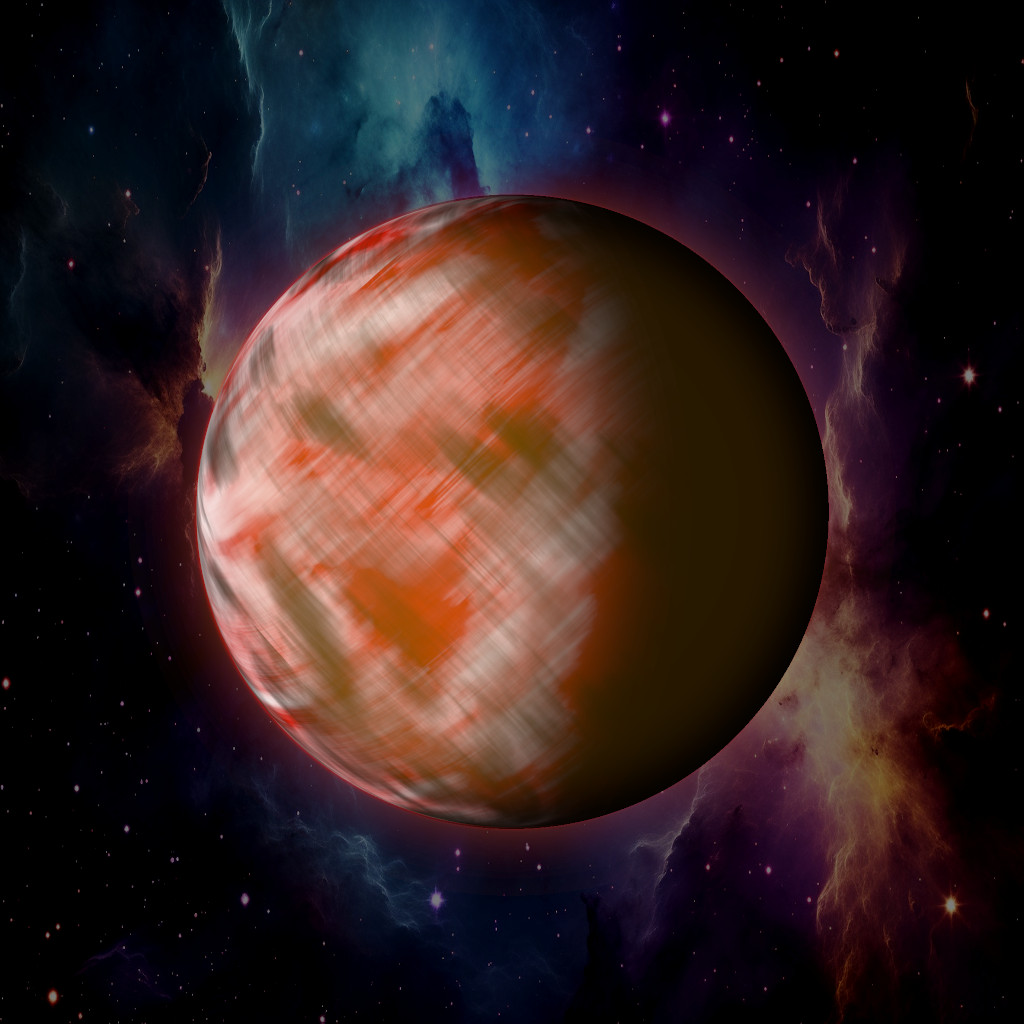
The dark side of this tidally locked world isn't very dark at all. Due to the extreme heat of the magma the world glows quite brightly in sky. If anyone still lived on Jiorkie-3, the world would easily be visible in broad daylight next to the white dwarf star.
Jiorkie-2
Mass: 14 ME
Radius: 23,677 km
Density: 1.51 g/cm3
Surface Temperature: 199°C
Surface Gravity: 1.02 earth
Escape Velocity: 9.96 m/s
Speed: 21.7 km/s
Distance: 1.5au (224,000,000km)
Rotational Period: 0.31 Edays (7.2 hours)
Orbital Period: 2.05 Eyears
Obliquity: 74 degrees
Composition: 76% Hydrogen, 21% Helium, 2% Methane, 1% other
Radius: 23,677 km
Density: 1.51 g/cm3
Surface Temperature: 199°C
Surface Gravity: 1.02 earth
Escape Velocity: 9.96 m/s
Speed: 21.7 km/s
Distance: 1.5au (224,000,000km)
Rotational Period: 0.31 Edays (7.2 hours)
Orbital Period: 2.05 Eyears
Obliquity: 74 degrees
Composition: 76% Hydrogen, 21% Helium, 2% Methane, 1% other
jiorkie02
An Ice Giant world. Due to how close to its parent star the planet was, Jiorkie-3 might be better known to humans as a Hot Neptune. the world's distance from its parent star was just far enough away and just cold enough that the Vusinor were able to get the delicate entangled particles working as necessary for instant transmissions.This world used to have several notable moons, including a slushy water world that supported primitive forms of life. The Vusinor had a rather large research station on this world when Jiorkie went nova. According to recorded data, the entire moon vaporized within a few minutes. the remains of the world then likely got absorbed into the larget ice giant it used to orbit. Other than a few small rocks, this planet does not have any large moons, not anymore. they were all destroyed.
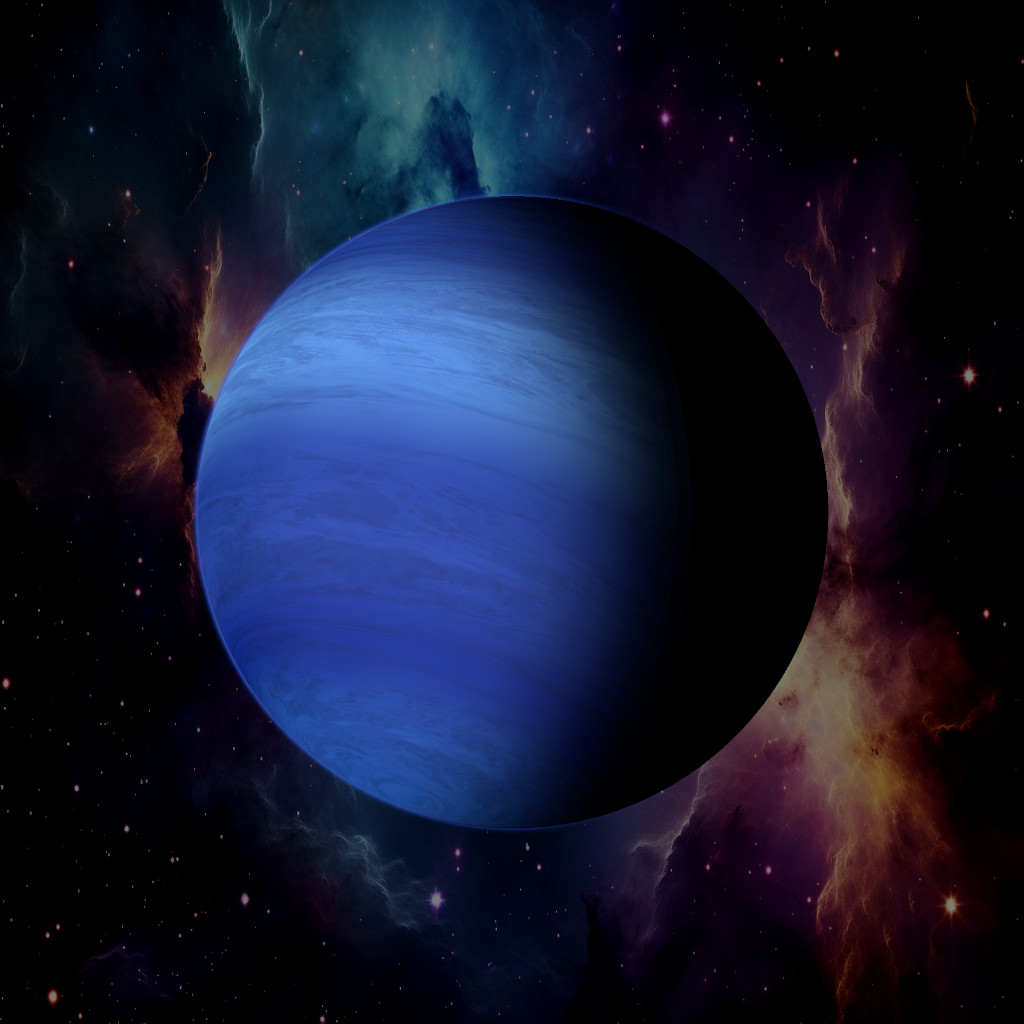
The Vusinor did consider rebuilding the switchboard, but the entire world's atmosphere is currently a raging torrent of mangled metal from the original structure.
Jiorkie-3
Mass: 3.5 ME
Radius: 19,064 km
Density: 6.02 g/cm3
Surface Temperature: 10°C
Surface Gravity: 1.73 earth
Escape Velocity: 17 m/s
Speed: 16.8 km/s
Distance: 2.5au (374,000,000km)
Rotational Period: 3.7 Edays
Orbital Period: 4.43 Eyears
Obliquity: 53.4 degrees
Composition: 28% Iron, 69% Silicates, 3% other
Radius: 19,064 km
Density: 6.02 g/cm3
Surface Temperature: 10°C
Surface Gravity: 1.73 earth
Escape Velocity: 17 m/s
Speed: 16.8 km/s
Distance: 2.5au (374,000,000km)
Rotational Period: 3.7 Edays
Orbital Period: 4.43 Eyears
Obliquity: 53.4 degrees
Composition: 28% Iron, 69% Silicates, 3% other
jiorkie03
Jiorkie-3 used to have a very thick atmosphere, roughly four times thicker than Earth's, which gave the world a very agreeable temperature for life, despite being just outside what would be considered the star's original habitable zone. Unfortunately when the star went nova, it ignited the atmosphere, vaporized the oceans, and very quickly ended all life on the world.Somehow, thanks to influence from the white dwarf star, the world's temperature is still above freezing despite having almost no atmosphere. The atmosphere is even breathable with plenty of oxygen and is about 85 percent as dense as Earth's atmosphere at sea level. No one will come to settle this world however. It is designated by the Galactic Council as a Grave World, a planet sized tombstone for the nearly one hundred billion lives that were lost.
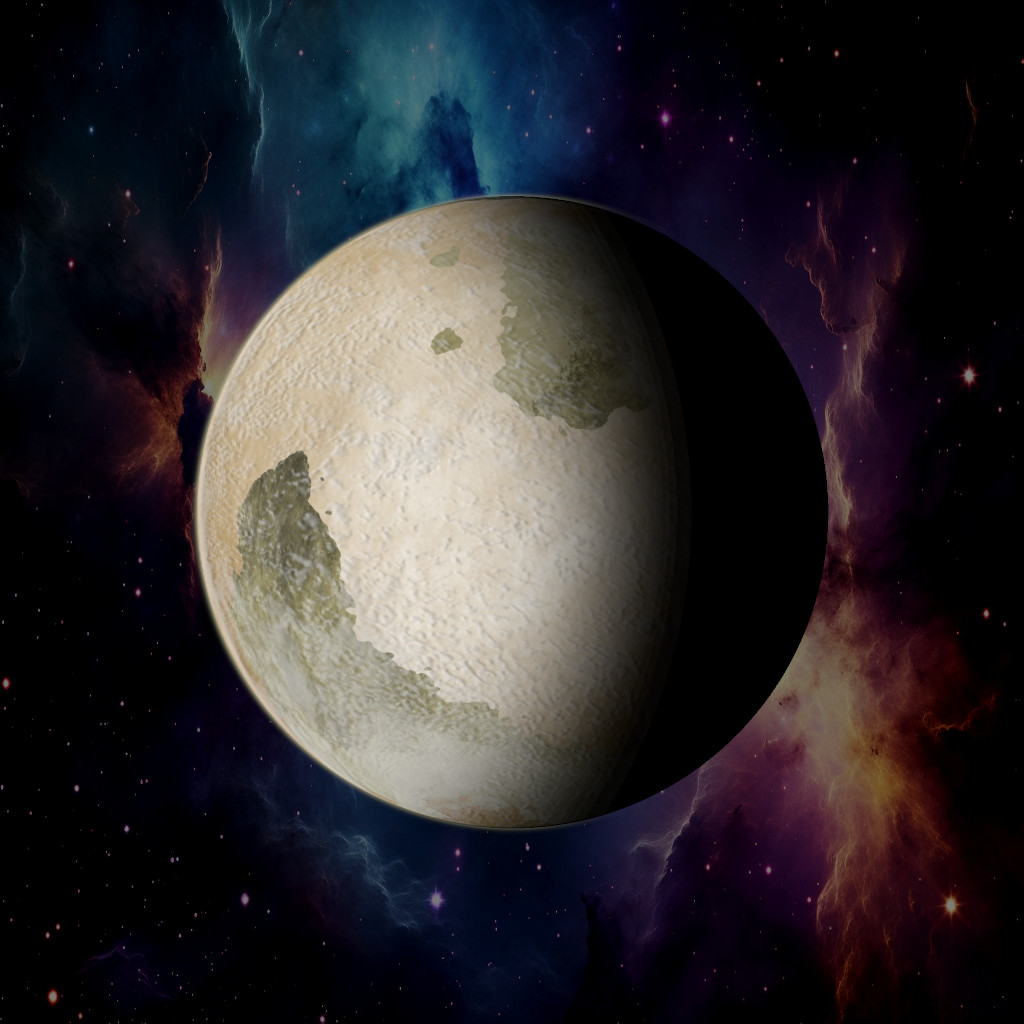
This planet used to have seventy percent of its surface covered in oceans. Now, it's just one giant windswept plain, covered in either glass or ash.
Trenork
Mass: 14 ME
Radius: 26,679 km
Density: 1.6 g/cm3
Surface Temperature: -10°C
Surface Gravity: 1.22 earth
Escape Velocity: 11.9 m/s
Speed: 8.38 km/s
Distance: 10au (1,500,000,000km)
Rotational Period: 1.2 Edays
Orbital Period: 35.5 Eyears
Obliquity: 21.3 degrees
Composition: 75% Hydrogen, 21% Helium, 3% Methane, 1% other
Radius: 26,679 km
Density: 1.6 g/cm3
Surface Temperature: -10°C
Surface Gravity: 1.22 earth
Escape Velocity: 11.9 m/s
Speed: 8.38 km/s
Distance: 10au (1,500,000,000km)
Rotational Period: 1.2 Edays
Orbital Period: 35.5 Eyears
Obliquity: 21.3 degrees
Composition: 75% Hydrogen, 21% Helium, 3% Methane, 1% other
Oddly, this is the only planet in the Jiorkie System that has its own name. This is because this ice giant is inhabited by the Cetalari. Vusinor records show that they were there long before the star went nova, and even though Trenork lost 30% of its mass and had its atmosphere temporarily ignited from the blast, the Cetalari somehow survived. They cleared away the wreckage of the switchboard the Vusinor built, and asked them politely to refrain from building another one. The world is slightly too warm to try building another switchboard right now anyways.
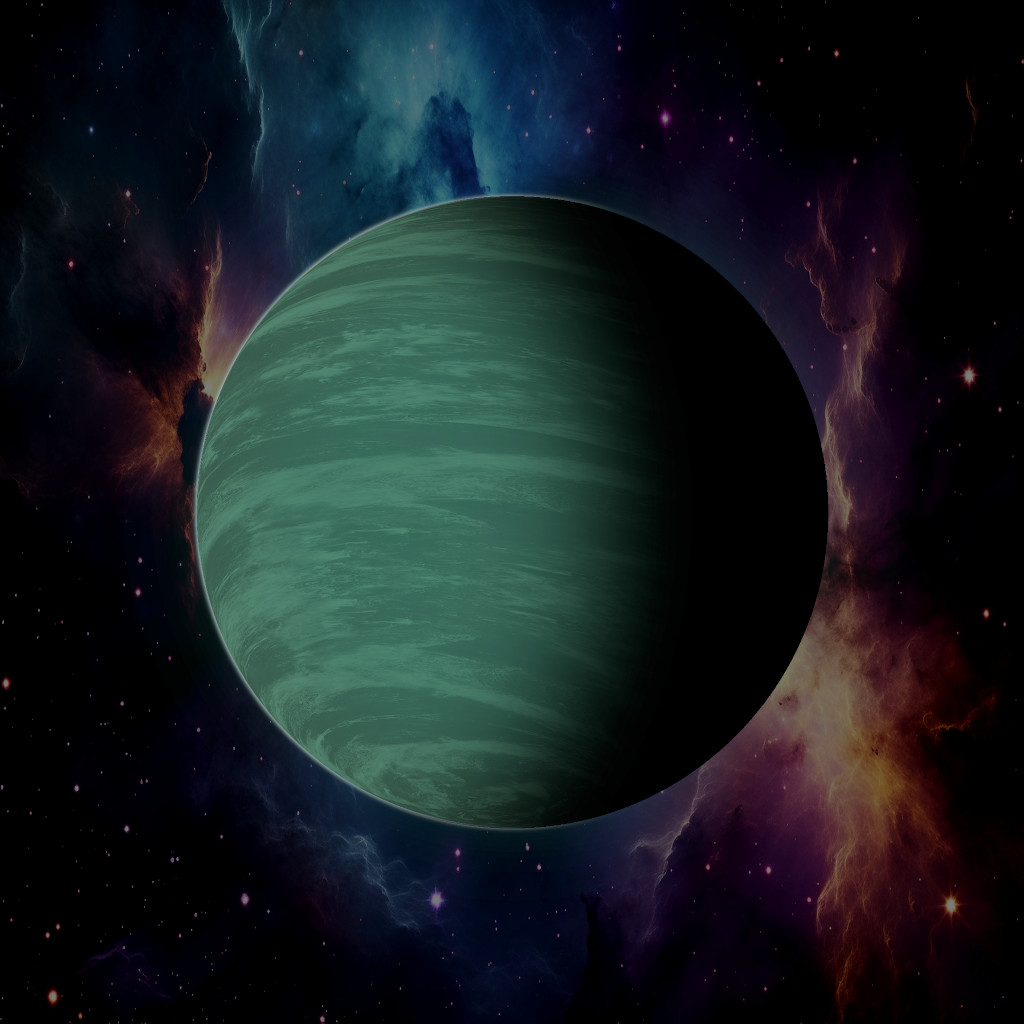
Jiorkie-5
Mass: 0.63 ME
Radius: 5,183 km
Density: 6.45 g/cm3
Surface Temperature: -190°C
Surface Gravity: 0.95 earth
Escape Velocity: 9.35 m/s
Speed: 5.94 km/s
Distance: 20au (2,990,000,000km)
Rotational Period: 3.7 Edays
Orbital Period: 4.43 Eyears
Obliquity: 6.8 degrees
Composition: 31% Iron, 18% Water, 50% Silicates, 1% other
Radius: 5,183 km
Density: 6.45 g/cm3
Surface Temperature: -190°C
Surface Gravity: 0.95 earth
Escape Velocity: 9.35 m/s
Speed: 5.94 km/s
Distance: 20au (2,990,000,000km)
Rotational Period: 3.7 Edays
Orbital Period: 4.43 Eyears
Obliquity: 6.8 degrees
Composition: 31% Iron, 18% Water, 50% Silicates, 1% other
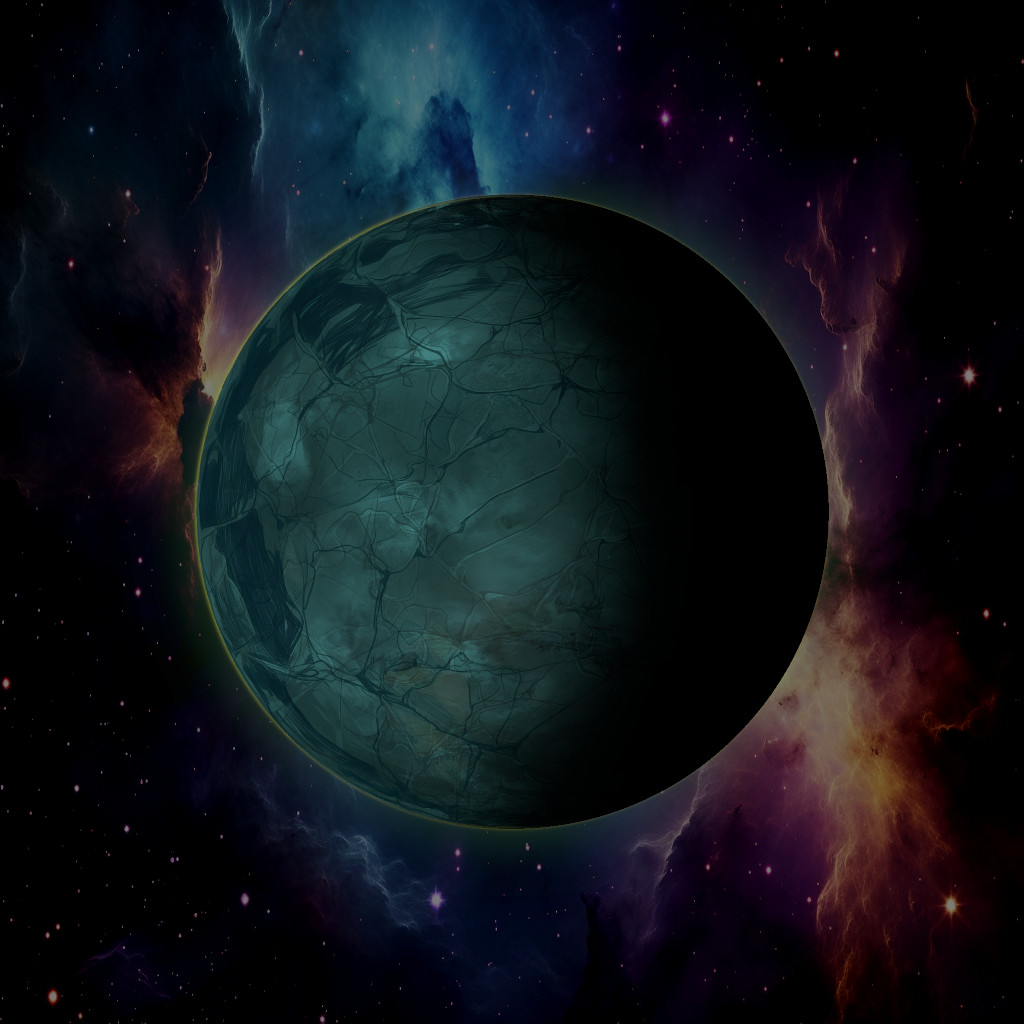
This world was an icy green sphere before its parent star went nova, and it is still an icy green sphere. The heat from the nova blast still temporarily liquified the world, but it quickly froze and is more or less the same as it was nine thousand years ago. Vusinor records show that there was evidence of an ancient super structure under the ice of this world from a precursor civilization, but with the world melted and refrozen, scans of the world aren't showing signs of it anymore.

I deleted a comment instead of clicking reply....shit... Thank you for the comment Tillerz! I appreciate it and I apologize!