
Stitch & Sage
Purpose / Function
Stitch & Sage is both a tailoring shop and a herbalist's den, dedicated to clothing, mending, and low-level healing. Its original purpose was simple tailoring, but after Corin joined Liora, the shop expanded to sell salves, teas, and simple charms.
Locals come here for:
- Work clothes and festival outfits
- Wedding garments and funerary shrouds
- Herbal remedies, sleep draughts, and poultices
- "Luck-sewn" charms stitched into hems and cuffs
Over time, it has become a quiet community anchor where problems are discussed as often as seams are mended.
Design
The building is a narrow, two-story structure squeezed between older houses in Old Tenby.
Ground floor: roughly rectangular, cozy rather than spacious
Walls: whitewashed plaster over timber, with exposed beams
Floor: worn wooden planks, softened by handwoven rugs
Ceiling: low, crossed by dark beams hung with drying herbs and ribbon bundles
Space is divided by tall shelves and hanging curtains rather than solid walls, giving the impression of overlapping rooms.
Entries
Front Door: A sturdy wooden door painted a soft green, with a small bell that chimes when opened.
Windows: Two front windows with green shutters; glass panes show mannequins and hanging bundles of herbs.
Back Door: Plain, leading to a herb patch and small drying yard. Usually locked at night with a heavy iron bolt.
All shutters can be barred from inside in harsh weather or during trouble.
Sensory & Appearance
Stepping into Stitch & Sage, visitors immediately notice:
- Sight: Shelves lined with folded cloth, spools of thread, jars of dried leaves, labeled bottles, and dangling bunches of lavender and calendula. A worktable dominates the center, scattered with pincushions, chalk, and pattern scraps.
- Smell: Warm beeswax, dried herbs, and faint smoke from an iron stove in the back. Sometimes a sharper medicinal note when salves are brewing.
- Sound: Soft scissors snipping, quiet murmur of conversation, the creak of the floorboards, and the occasional rattle of a glass jar. In the evenings, muted humming as Liora or Corin work.
- Feel: A sense of calm focus. Many people say their shoulders drop the moment they enter, as if the room gently insists they relax.
Lighting comes from oil lamps, the stove’s glow, and through the front windows. During festivals, colored fabric strips hang across the windows, tinting the interior with reds and golds.
Denizens
Liora "Stitch" Verdan: Tailor, embroiderer, listener of secrets.
Corin "Sage" Telmar: Herbalist, charm-maker, quiet advisor.
One Shop Cat: A gray tabby named Button, usually sleeping on folded fabric or in the front window.
Locals drop in even when they don't strictly need anything, just to share news or ask advice.
Contents & Furnishings
- Large central worktable with cutting mats
- Three dress forms in different sizes
- Wall of cubbies filled with bolts of fabric, sorted by color
- Herb shelves with labeled jars (dried leaves, roots, powders)
- Two small chairs for customers, cushions patched many times
- Iron stove with a kettle and a small simmering pot of herbs most days
- A pegboard displaying finished charms, sachets, and small embroidered amulets
Behind the curtain:
- Narrow bed and trunk in the loft
- Stillroom shelves with tincture bottles and mortar-and-pestle sets
- Ledger books detailing orders and recipes
Valuables
A hidden ledger with old debts carefully tracked but rarely called in
A locked wooden box containing rare herbs and expensive imported dyes
Certain heirloom patterns for traditional garments, passed down through Liora’s family
A small, weathered notebook of Corin’s personal charm patterns, said to be worth more than gold to the right buyer
Most of the true value is in knowledge, relationships, and reputation rather than coin.
Hazards & Traps
There are no deliberate traps, but a few subtle hazards:
- Loose pins and needles on bad days
- Hot stove and bubbling salve pots
- Occasional slipping risk from spilled threads or herbs on the floor
Magick here is gentle and protective; nothing about the shop is designed to harm.
Special Properties
Locals say that:
- Clothes fitted here “sit easier on the soul” and bring fewer bad days.
- The shop feels “lucky,” especially before a journey or important meeting.
- Arguments started inside never escalate; the room itself seems to dampen tempers.
Whether this is simple atmosphere or low, constant, household-level magick, no one is quite sure, and Liora and Corin never answer directly.
Alterations
Originally a simple one-room tailor’s workshop, the building has been:
- Extended backward to add the herb room
- Reinforced with better beams after The Year of the Ash Blight
- Fitted with extra shelving and hooks to hold more stock
- Given a fresh facade and painted shutters during Tenby’s Silk Festival revivals
Each alteration reflects Tenby’s slow, steady prosperity and the shop’s importance.
Architecture
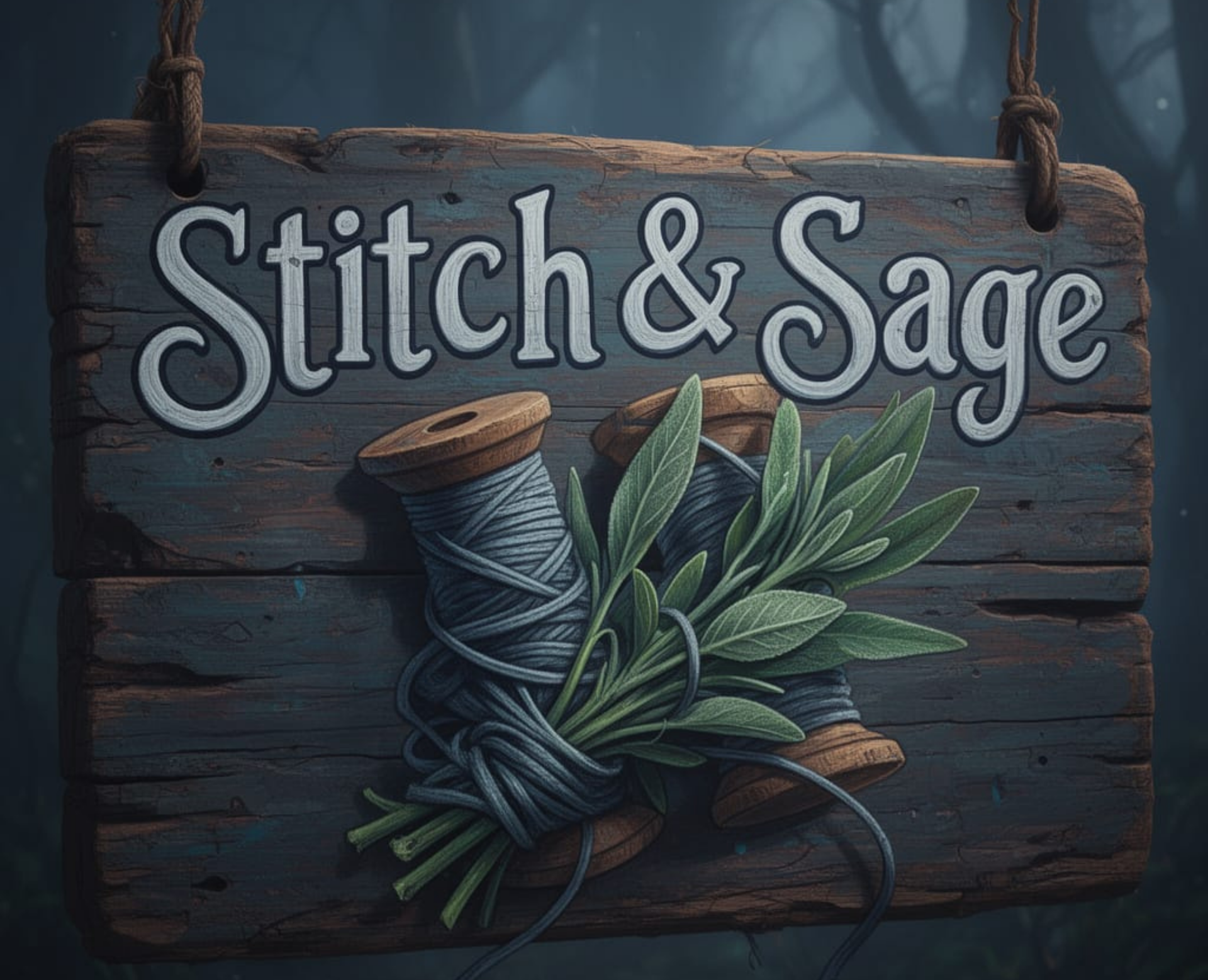
Stitch & Sage follows traditional Tenby style:
- Timber frame with stone footing
- Thatched roof with a simple chimney
- Green-painted shutters and door
- Handmade sign: a spool of thread twined around a sprig of sage
Adorned with:
- Wind chimes made from shells and old buttons
- A small carved totem by the door for good fortune
- Seasonal garlands during harvest and the Silk Festival
It looks like it grew out of Old Tenby rather than being built on top of it.
History
Founded a few decades after Tenby itself, Stitch & Sage began as a small tailor’s shop run by Liora’s parents. Corin joined later, after the Year of the Ash Blight, bringing herbal knowledge that helped the town recover from the crop sickness.
Since then, the shop has:
- Dressed half the town for weddings, funerals, and festivals
- Provided herbal remedies during lean years
- Quietly become a place where minor disputes are soothed over tea and fittings
No great wars were planned here, no kings crowned, but the everyday history of Tenby has passed through its door.
Tourism
Visitors come to Stitch & Sage during:
- The Silk Festival, to buy silk-trimmed garments and “good luck hems”
- Monthly markets, when passing merchants need repairs or festival outfits
- Personal pilgrimages, after hearing rumors of luck-charms and kind counsel
Most stay at the Hillbrooke Hotel in North Quarter and make the walk down to Old Tenby. Locals profit by selling festival snacks and simple souvenirs nearby, often directing tourists to “the green door” if they look lost.
Table of Contents
The air in Stitch & Sage is always a touch warmer than outside, with a faint, constant humidity from simmering kettles and drying herbs. The whole place feels softly pressurized, like a held breath that never quite lets go. Fabric dust and crushed leaves scent the air, giving visitors the sense that they’ve stepped out of regular time and into a quieter pocket where small, careful work matters.


Comments