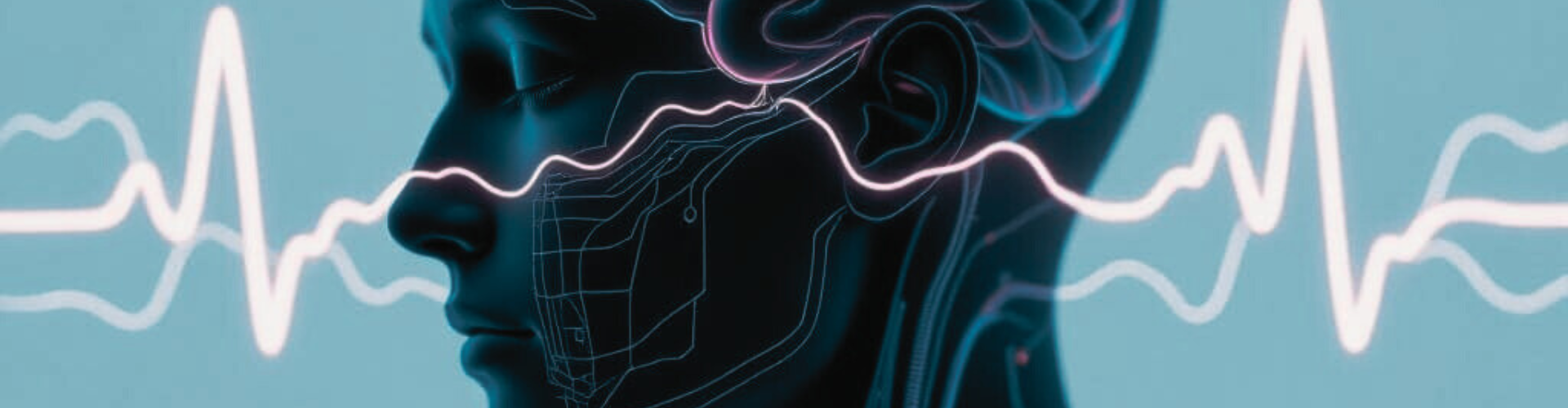
Flickering Pulse
Transmission & Vectors
Flickering Pulse is not contagious. It arises in two ways:
- Congenital Form
- A hereditary mutation affects the neurocardiac interface: the cluster of nerves regulating heartbeat. This mutation destabilizes electrical signals under stress. Infants born with the condition typically exhibit irregular rhythms as early as adolescence.
- Acquired Form
- Occurs when the neurocardiac bundle is damaged by:
- Electrical trauma
- Severe viral fever affecting neural tissue
- Long-term exposure to extreme environmental stressors (e.g., hypoxia, high-frequency vibration)
- Chronic stimulant use
In both forms, the signal misfires, causing irregular rhythm patterns that worsen over time.
Causes
Flickering Pulse results from a disruption in the autonomic nervous system’s control over the heart, specifically:
- Faulty neurotransmitter release from the vagal and sympathetic nerves
- Irregular electrical bursts from the sinoatrial node
- Genetic misfolding in the NEX-45 neuroregulatory gene
Symptoms
Early/Mild
- Occasional skipped beats
- Flutter sensation in the chest
- Light-headedness during exertion
- Momentary breath catching
Moderate
- Noticeable arrhythmias during stress or physical activity
- Shaking hands when the pulse destabilizes
- Sudden weakness or near-faint episodes
- Cold sweats triggered by irregular surges
Severe
- Prolonged, dangerous tachycardia
- Chest pain radiating to the neck or left arm
- Blackout spells
- High risk of complete cardiac collapse
These symptoms worsen in environments with high sensory load or elevated emotional stress.
Treatment
Basic Clinical Care
- Beta-blockers to stabilize rhythm
- Neuromodulators to regulate nerve firing
- Lifestyle adjustments to avoid overstimulation
- Physical therapy tailored for autonomic dysfunction
For Severe Cases: The Arc Rune Cadence
The Arc Rune Cadence is a neuro-electrical pacing implant. Many iterations of the ARC have been made to help regulate the heartbeat for those at risk of severe failure or dangerously unstable pulses. Early models were prone to electromagnetic interference. After the Banshee Corporation acquired the technology:
- ARCs became individually calibrated to each patient’s neural patterns
- Electromagnetic shielding was improved
- Signal phases were staggered to prevent interference between nearby devices
- Fail-safes were introduced to prevent electrical overload during storms or equipment malfunctions
Prognosis
Without treatment mild cases may simply struggle with exertion while severe cases face a high likelihood of heart failure or sudden cardiac arrest. With proper treatment or ARC implantation:
- 85–90% of patients live normal or near-normal lifespans
- Exertion tolerance increases significantly
- Episodes become rare or fully controlled
Sequela
- Decreased stamina in unmanaged cases
- Persistent sensitivity to overstimulation
- Occasional nerve pain near the thoracic region
- In rare cases: chronic autonomic dysregulation (temperature swings, dizziness)
Some report “echo pulses,” a sensation of a second phantom heartbeat that eventually fades.
Affected Groups
Higher incidence among:
- Individuals with family history of cardiac or neurological disorders
- Workers in high-stress jobs (dockworkers, pilots, city guards)
- Those exposed to industrial vibration or heavy machinery
- Populations living near Temislow, where environmental factors interact with the genetic predisposition (Research is still in progress on how Silverroot has an affect on the heart.)
Lower incidence among:
- Rural populations with low sensory and industrial exposure
- Low-stress, high-fitness individuals
Hosts & Carriers
There are no biological carriers. The host is the individual's own neuroelectrical system. Environmental triggers can worsen or activate the condition, but cannot spread it.
Prevention
- Routine neural-cardiac screenings for high-risk families
- Avoidance of chronic stimulant use
- Protective equipment for workers in electrical, industrial, or high-vibration environments
- Early-life stress management programs
Epidemiology
More prevalent in:
- Urban-industrial regions
- Military populations
- Occupations requiring heavy sensory load
Rates increase slightly during:
- Long winters with high emotional strain
- Populations recovering from regional trauma
History
For centuries it was misdiagnosed as:
- “Weak-heart wasting”
- “Nervesickness”
- “Storm-pulse”
True neurological cause discovered in 1580 AR, when early neural mapping identified irregular firing patterns preceding collapse. Arc Rune Cadence development (1625–1725 AR):
- Initially unstable prototypes
- Massive breakthrough after the Banshee Corporation acquisition
- Device became central to treating high-risk communities
Cultural Reception
Varies by region:
- Urban centers: Seen as a chronic medical condition; sympathy and support common.
- Superstitious rural areas: Sometimes feared or misunderstood; thought to be “a heart too weak for life’s burdens.”
- Military circles: Seen as a liability; strict screening enforced, though Cadence-wearers in noncombat roles are accepted.
- Tech-forward societies: Patients viewed as pioneers of human-machine integration.


Comments