Prophecies in Alana


GM-Info!
Work in progress!
Slightly NSFW!
FEATURED
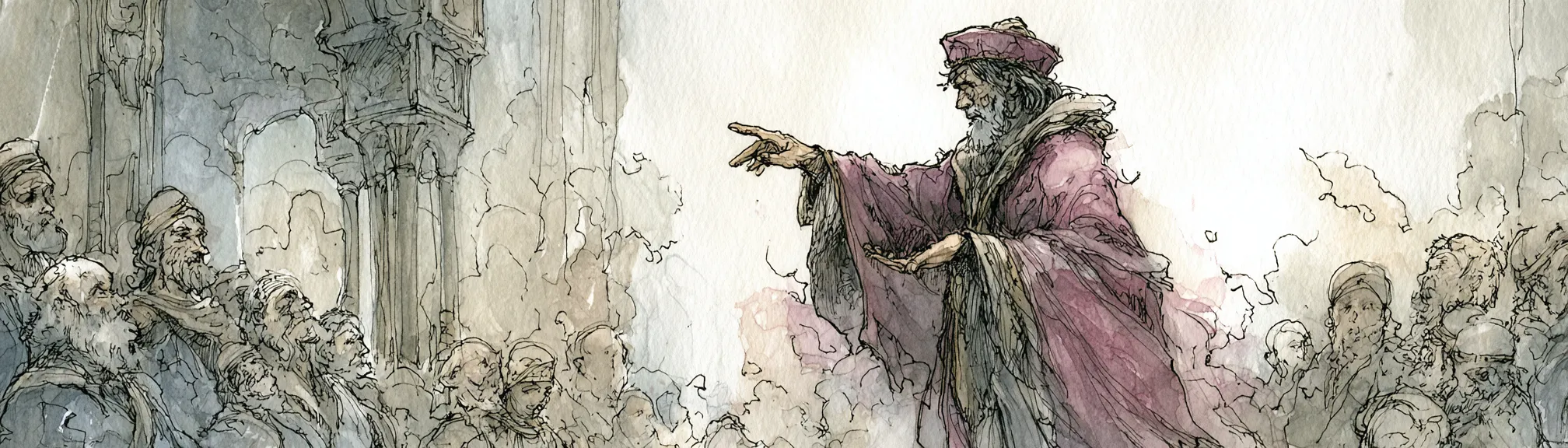
Prophecies seep through Alana like groundwater: they bubble up in the mutterings of street-corner prophets, are declaimed in smoky taverns for the price of a cup of ale, and sit carved into ancient stones that no one dares to move. Some are taken seriously, shaping lives and kingdoms; others are laughed off as drunken ramblings or family curiosities. Yet people remember them all, for no prophecy can be truly dismissed until time itself proves it wrong.
The wise learn to treat prophecies with caution. They often twist sideways, fulfilling themselves in unexpected ways. A warning of doom may lead to someone acting so desperately to avoid it that they cause it. A silly rhyme may conceal a truth far sharper than it appears. And as every Bridgeport bookmaker knows, prophecies are rarely precise about when.
GM info / spoilers / plot hooks. Mouse-over to read,
How Cultures of Alana Treat Prophecies
Humans of Farenia
The Farenians are practical folk, yet they cannot entirely resist the tug of prophecy. In Bridgeport especially, prophecies circulate in print, tucked into cheap broadsheets between city council edicts and gossip columns. The Council of Ten publicly scoffs at them, but several councillors are rumoured to keep a personal soothsayer close by. Middle-class families mark down important prophecies in their ledgers as if they were investments, hedging against "the year of black frost" with the same care as grain prices.Rabbitfolk of Greenvale
Rabbitfolk treat prophecies with a mixture of playfulness and solemnity. A prophecy is a seed, they say: it may sprout in unexpected ways. They mark such sayings with ritual plantings - a tree for each doom foretold, so that if disaster does come, at least it will arrive under shade. A lighter tradition involves ducks (which rabbits consider beneficial omen-bearers): if a prophecy mentions a duck, they stage a small festival where children chase ducks in circles until one escapes, taken as a sign of which path the prophecy intends.Dwarves of Magramine
Dwarves take prophecy very seriously, but not always literally. They record them in vault-like archives, layering commentary upon commentary until a single record is buried beneath centuries of analysis. For them, prophecy is not about inevitability but about obligation: if it warns of doom, it is a task to be worked against, hammered, chiselled, and endured until the prophecy is broken. To achieve this is considered a mark of true dwarfish stubbornness - and a story sung in their halls. And the halls are full of them.Titanforged of Magramine
The Titanforged - born from ancient craft and then bound into servitude by the dwarves - have a complicated relationship with prophecy. They were never meant to dream of futures; their makers designed them to carry burdens, swing hammers, and fight wars. But prophecy has crept into their existence like water through stone. Most Titanforged treat prophecies as dangerous sparks. Among themselves, they whisper of the "Forgemother’s Words", fragments of half-remembered utterances said to have been spoken during their creation: "Stone shall crack. And Iron shall bear the crown." To dwarves such language is heresy, nonsense spoken by malfunctioning constructs. To the Titanforged it is hope - a secret myth that one day they will be free, and more than free: rulers in their own right. Publicly, the dwarves insist that Titanforged cannot receive or give prophecy, dismissing any utterance from them as mechanical glitching. Yet travellers sometimes tell of a Titanforged who, in moments of strain, begins to speak in low, grinding tones - words like poetry dragged from a forge. Such "prophet-forged" people are feared and revered. Some Titanforged see them as vessels of their collective future, while dwarves often break or exile them in panic, terrified of what they might inspire. For the Titanforged, then, prophecy is rebellion. To believe in it is to believe that their fate is not sealed by their makers. They carve their secret prophecies not into stone, which the dwarves can smash, but into themselves: runes etched beneath armour plates, words whispered in the sparks of welding fires, and lines of doom and deliverance hidden in their very frames.Elves of Lymyra
Lymyran elves remain haunted by their expulsion from Mag Mell. They treat prophecies with a mixture of longing and arrogance. Officially, the court of Queen Yathanae Fenhorn dismisses mortal prophecy as "childish rhymes". Yet private elvish gatherings still obsess over lines that hint at a way back into the fae realm. Some families pass down forbidden fragments as lullabies, convinced that one day a "white-rose line" or a "starfall" will mark their return.Hathi of Phlox
The elephantfolk are slow to trust prophecy, but once adopted, a saying becomes carved into memory like scripture. A prophecy is seen less as an unavoidable fate and more as a weather pattern: one cannot stop the monsoon, but one can prepare the fields for it. Thus, hathi prophecies are communal, not personal, and often used to unite villages in shared labour.Owlfolk of the Steamy Plains
For the kookoo, prophecy is performance. They delight in cryptic utterances and treat every half-rhyme or slip of the tongue as a potential omen. They tell fortunes in the marketplace not because they believe them all, but because words themselves are magic, and prophecy is the highest form of wordplay. Yet beneath the jest there is reverence - for when a kookoo repeats a prophecy three times, it is considered binding, and all listeners are obliged to carry it forward.A Great Shared Prophecy of Alana
Across Alana, from Bridgeport’s dockside gossip to the shardling glaciers, one verse recurs in fragments, translations, and contradictory forms. It is known as The Turning of the Wheel. No one agrees where it comes from - some blame Mag Mell, some Amalthea's fall, some a prophet who lived before calendars. Every culture swears their version is the truest. The most common form runs like this:"When the ring is broken,
And grief salts the fields,
When the downfallen rise,
And doom rides the wind,
Then shall the Wheel turn,
And all kingdoms be remade."
Dwarves interpret it as a warning never to let their forges fall cold. Elves whisper that the "Wheel" is their gateway back to Mag Mell. Rabbitfolk laugh that it refers to the turning of a waggon wheel, a sign that ordinary folk will inherit the world from kings. The hathi insist it means the great migrations will come again, while the kookoo sing it as a riddle, changing the order of the lines each time.
For the Titanforged, though, the Wheel is obvious: it is the forge-wheel that spun them into being, and when it breaks, their bondage ends. And that, perhaps, is why dwarves tremble most when they hear it sung by Titanforged voices.
And grief salts the fields,
When the downfallen rise,
And doom rides the wind,
Then shall the Wheel turn,
And all kingdoms be remade."
This is GM information

Great article. I love how all the different peoples view prophecies in different ways. The roll tables are fun too, as always.
Explore Etrea | WorldEmber 2025