
The Path of Iron
The Path of Iron
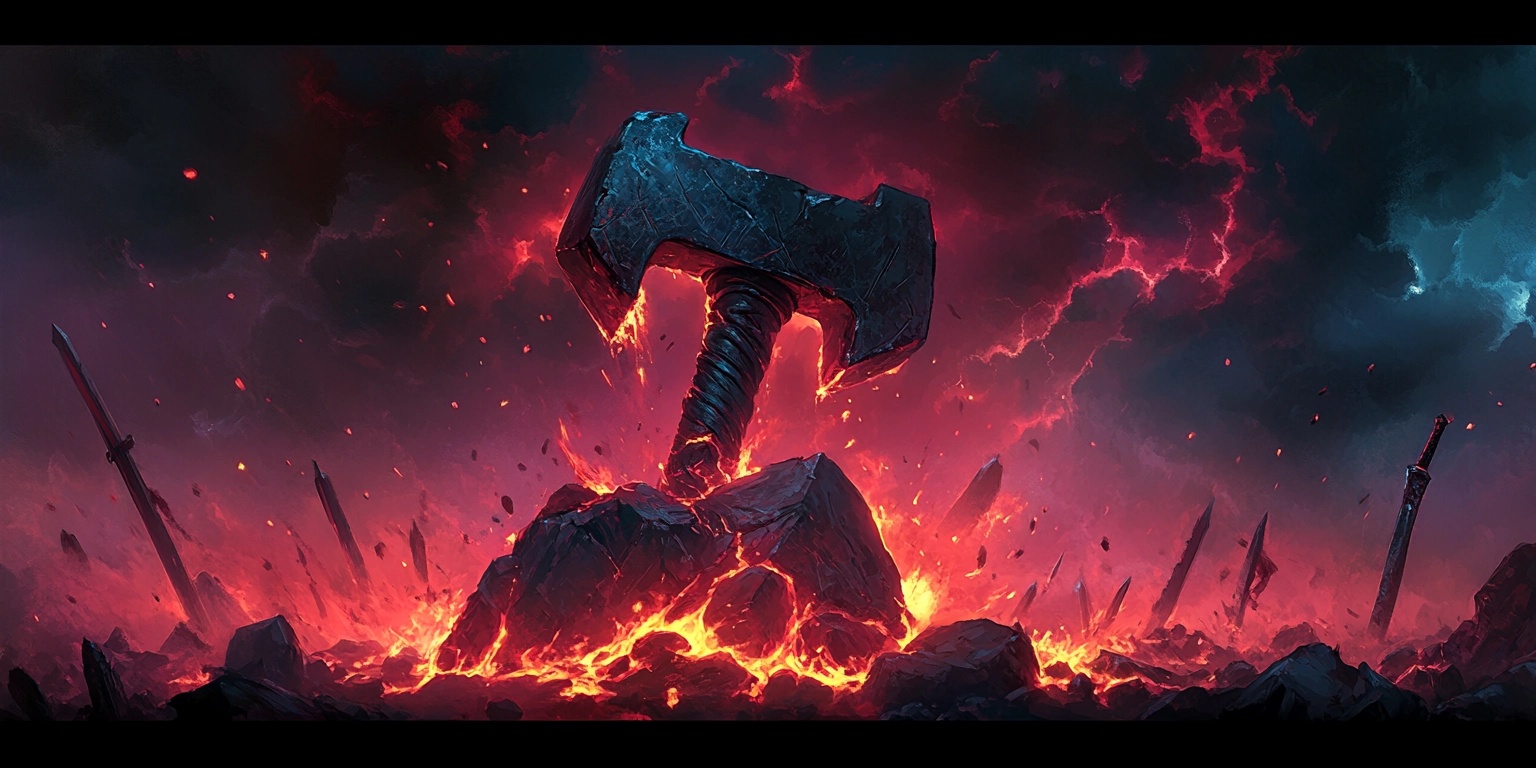
Overview The Path of Iron is the faith dedicated to Sinbog, the Prime Deity of War and Strength. Rooted in the values of honor, battle, and unity, the Path of Iron teaches that life’s greatest purpose is found through struggle and triumph. Followers of this faith view conflict not as chaos but as a crucible that forges strength, discipline, and character. While the religion is most prevalent among orcs, its tenets attract warriors and mercenaries of all races who seek to embody Sinbog’s ideals.Symbol The emblem of the Path of Iron is a jagged axe crossed with a shattered sword, encircled by flames. This symbolizes the unyielding nature of conflict, where only the strong endure, and the flames of battle refine those who survive.
Mythology & Lore
The Forge of Strength: Sinbog’s creation of the orcs is a central myth, depicting him shaping them from molten stone and the blood of a primordial beast. This act instilled in them a deep connection to battle and resilience.
The Eternal Arena: The faithful believe that Sinbog’s domain is an unending battlefield where the souls of worthy warriors fight eternally to prove their strength and earn his favor.
The Crimson Sacrifice: Legends speak of Sinbog’s intervention during the Arcane Cataclysm, where he aided mortals in sealing the Betrayer Gods. His actions are seen as proof of his disdain for cowardice and treachery.
Divine Origins
The Path of Iron originated with the first orc tribes, who revered Sinbog as their creator and protector. As orcish warriors spread across Wakodia, they carried the faith with them, inspiring warriors from other cultures to adopt Sinbog’s teachings. Over time, the Path of Iron evolved into a structured faith with its own clergy and rites.
Cosmological Views
The Path of Iron sees the world as a proving ground where all beings are tested by conflict. Struggle is viewed not as a curse but as a divine opportunity to grow stronger. The flames of battle, both literal and metaphorical, are considered sacred, refining the soul and body alike.
Tenets of Faith
Ethics
The Path of Iron emphasizes the importance of discipline, loyalty, and perseverance. Cowardice, treachery, and avoidance of necessary conflict are viewed as grave failings. Acts of valor, protection of the weak, and honorable combat are celebrated as the highest virtues.
Worship
Daily Practices: Followers dedicate their battles to Sinbog, offering a portion of their spoils or the blood of their enemies at makeshift altars.
Festivals:
The Feast of Blades: A celebration of past victories, where warriors share tales of their conquests and reforge old weapons to honor Sinbog.
The Trial of Iron: An annual rite where warriors compete in feats of strength and combat, with the victor earning the title of Iron Champion.
Rituals: Sacrificial offerings of weapons, trophies, or blood are common acts of devotion. Duels held under Sinbog’s name are considered sacred and binding.
Priesthood
Religious Hierarchy:
High Warpriest: The leader of the Path of Iron, often a warrior of exceptional skill and devotion.
Bladesworn: Priests who lead rituals, maintain temples, and act as spiritual guides for Sinbog’s followers.
Bloodforged Champions: Warriors chosen by Sinbog, tasked with defending sacred sites and leading his faithful in battle.
Holy Sites:
The Bloodforge: A grand temple in the orcish heartlands, its molten altar said to be blessed by Sinbog himself.
Battlefield Shrines: Simple altars erected at the sites of great battles, marked by weapons and banners of the fallen.
Granted Divine Powers
Political Influence & Intrigue
The Path of Iron holds significant influence among the orc tribes, shaping their governance and uniting them under Sinbog’s teachings. Outside the orcish lands, it inspires fear and admiration in equal measure. Mercenary groups and gladiatorial arenas often adopt the tenets of the Path of Iron, spreading its reach across Wakodia.


Comments