
The Hammer and Anvil
The Hammer and Anvil religion revolves around the teachings of Morgrim, the Forgefather, who represents creation, labor, and strength. His followers believe that hard work is the highest form of devotion and that through craftsmanship, perseverance, and dedication, mortals can emulate their god's divine purpose.
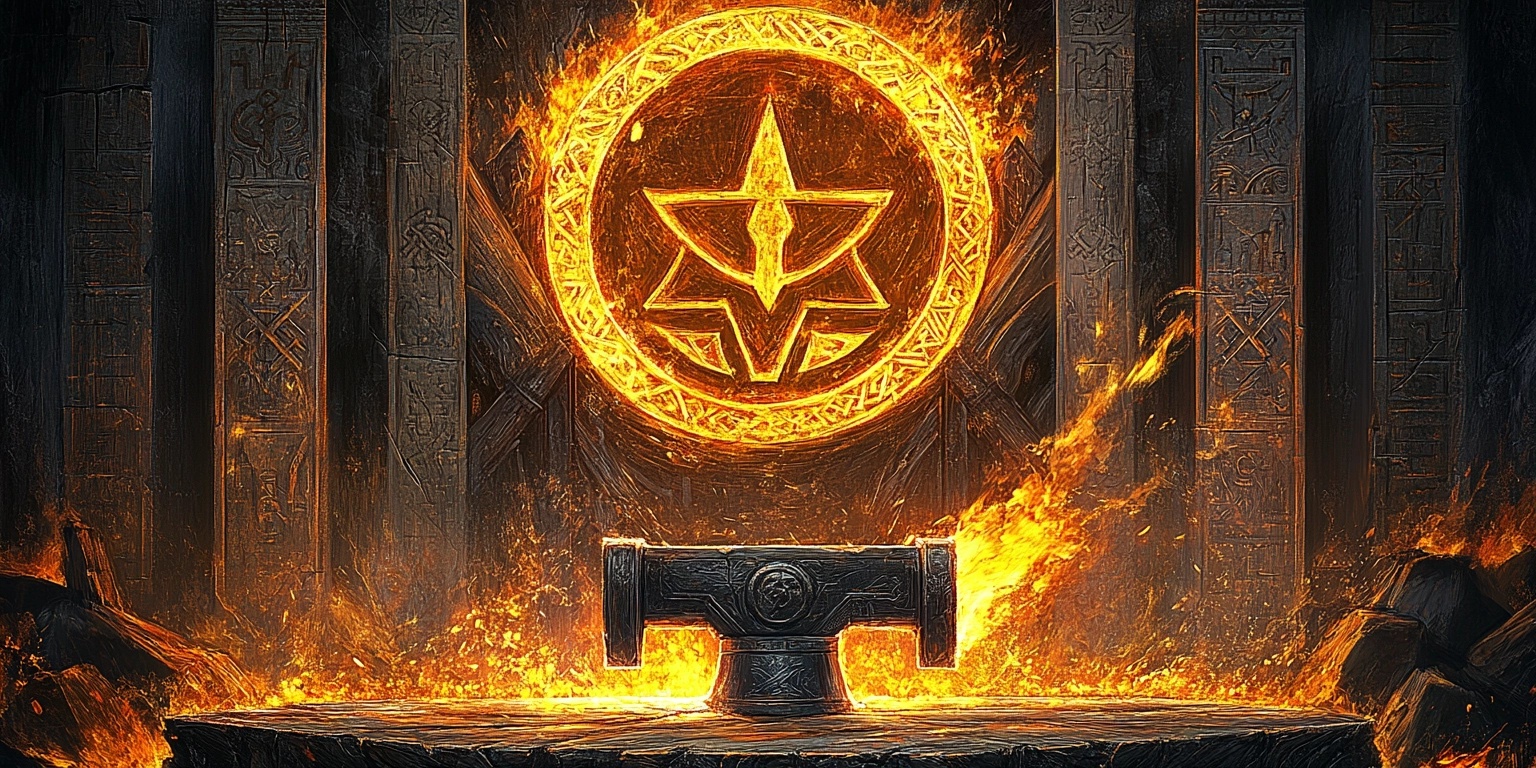
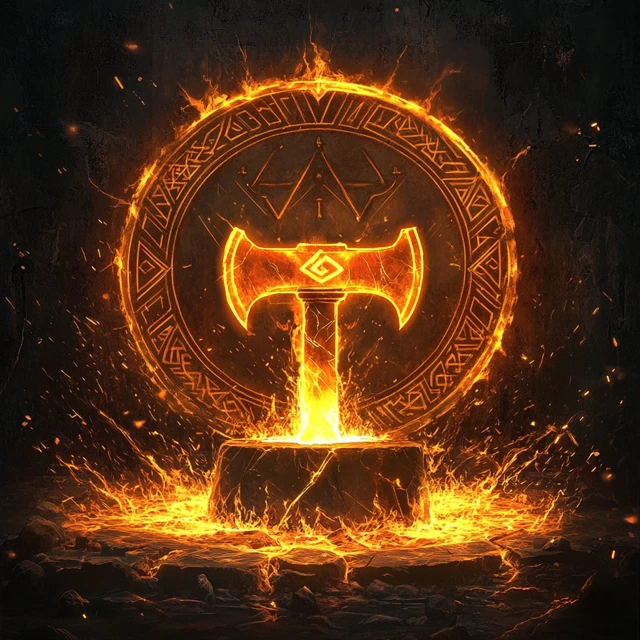
Symbol: The symbol of the Hammer and Anvil religion is a fiery hammer striking a glowing anvil, with sparks flying outward. Behind the anvil, a stylized forge flame rises, symbolizing divine inspiration and the transformative power of labor. The hammer and anvil are encircled by a ring of engraved runes representing the values of strength, perseverance, and craftsmanship. Dwarves who follow this faith view their tools and creations as sacred, extensions of Morgrim’s divine will. Forging weapons, building halls, or even crafting jewelry is seen as a form of prayer. They also hold that the greatest honor is to leave behind works that endure, echoing Morgrim’s eternal forge.
Symbol: The symbol of the Hammer and Anvil religion is a fiery hammer striking a glowing anvil, with sparks flying outward. Behind the anvil, a stylized forge flame rises, symbolizing divine inspiration and the transformative power of labor. The hammer and anvil are encircled by a ring of engraved runes representing the values of strength, perseverance, and craftsmanship. Dwarves who follow this faith view their tools and creations as sacred, extensions of Morgrim’s divine will. Forging weapons, building halls, or even crafting jewelry is seen as a form of prayer. They also hold that the greatest honor is to leave behind works that endure, echoing Morgrim’s eternal forge.
Mythology & Lore
1. The Shaping of the World:
Morgrim is said to have forged the mountains from molten stone and carved the first dwarven halls with his hammer. His strikes on the anvil echoed through the world, giving rise to its heartbeat.
2. The Forgehammer:
Morgrim’s legendary hammer, Durbrak (“World-Shaper”), is a divine artifact that mortals believe grants unparalleled craftsmanship to those deemed worthy. It is said to be hidden in a secret forge, awaiting a hero who will save dwarvenkind.
3. The Trial of the Flame:
A tale of a dwarven hero who sought Morgrim’s favor. They endured weeks in the divine forge, crafting a weapon to defend their people. Only when the blade glowed with the strength of their spirit did Morgrim grant his blessing.
Tenets of Faith
Forge Your Path: Hard work and perseverance are the keys to success and honor.
Honor the Craft: Always strive for excellence and ensure your work benefits the community.
Protect What You Build: Use your strength to guard your creations and those who depend on them.
Strength in Unity: Collaboration is sacred; the strongest tools are made from many skilled hands.
Worship
Religious Practices
1. Forging Rituals:
Before beginning any major crafting project, followers perform a prayer to Morgrim, asking for his guidance. The forge is blessed with a pinch of sacred ash, and the first hammer strike is dedicated to the Forgefather.
2. Hall Consecrations:
New dwarven halls and structures are consecrated to Morgrim through a ceremonial forging of a symbolic object (such as a key or anvil) that is then enshrined in the building. This object is considered to house the spirit of Morgrim’s protection.
3. Feast of Embers:
An annual celebration that commemorates the forging of the first dwarven tools and weapons. During this feast, dwarves display their best works and share stories of great craftsmen of the past. The festival ends with a communal forging event where every participant contributes to crafting an object that will serve the community.
4. Trials of the Forge:
Young dwarves coming of age are often tested through crafting challenges. Completing these trials earns them the title of a "True Hammer," symbolizing their readiness to contribute to the clan.
Places of Worship
1. The Eternal Forge (Grand Temple):
A massive, ever-burning forge located in the heart of a major dwarven city. The Eternal Forge is said to house a flame blessed directly by Morgrim. Artisans come from all over to work there, believing their creations carry divine favor.
2. Clan Forges:
Smaller, communal forges found in every dwarven settlement. These are both practical workshops and sacred spaces where families gather to honor Morgrim.
3. Shrines of Stone and Flame:
Simple shrines often found in mines or trade routes. These usually feature a carved anvil and a small brazier where travelers can offer prayers.
Priesthood
Religious Hierarchy
High Forgepriest:
The spiritual leader of Morgrim’s faith, usually a master blacksmith or craftsperson who has shown exceptional skill and devotion. They oversee major ceremonies and interpret Morgrim’s will.
Forgekeepers:
Priests and clerics who maintain sacred forges, conduct rituals, and teach the faithful. Many are also skilled artisans who mentor apprentices in both faith and craft.
Anvilbearers:
Devoted lay followers who assist in temple operations, care for the sick and needy, and uphold the values of community and hard work.

Comments