
Shadow Kind
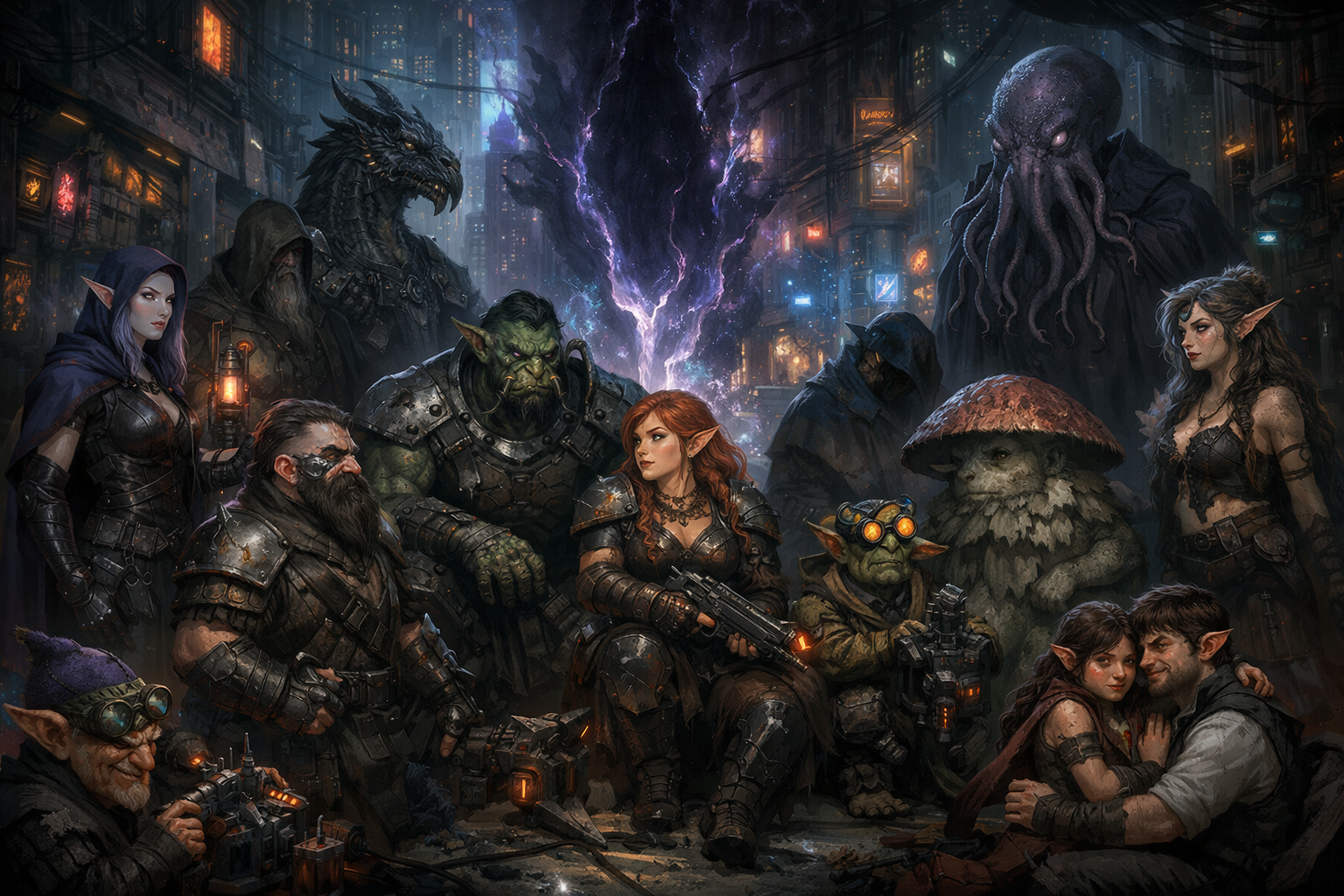
The Shadow Kind do not constitute a single species; rather, they represent a phenomenon. Tangible evidence that reality itself has become fractured. Emerging from Shadow Rifts or introduced into the Mundane world through bloodlines marked by Shadow, they inhabit a liminal space where legal, biological, and personal boundaries are indistinct. In a society where cybernetics, gene editing, and extensive body modification are prevalent, many Shadow Kind remain undetected, often mistaken for another form of augmentation or genetic engineering. Some integrate effortlessly into the modified population, while others openly display their distinctiveness, shaped by principles foreign to this reality. To the general public, they are regarded as rumors, monsters, or cautionary tales. However, for those aware of their existence, the Shadow Kind are neighbors, detainees, allies, and enduring proof that the world experienced a silent apocalypse and continued to persist.
Civilization and Culture
Major Organizations
Following their emergence into the Mundane world, the Shadow Kind rapidly transitioned from mere survival to structured organization, resulting in the formation of the Shadow Kind Alliance. This Alliance functions as a diplomatic, legal, and cultural coalition, representing the most influential Shadow Kind societies and providing a unified voice in negotiations with both Shadow Investigations and Mundane authorities. Its membership includes ancient and powerful entities such as the Dragons, whose authority predates the Current Tide, and the Cthulhu, whose existence challenges the boundaries of law and sanity. Community-driven groups, including the Little Folk, Goblins, Kobolds, and the Goblin Warren, navigate urban environments through adaptation and collective action. Clans like Ember Tusk and Riverpaw maintain lineage-based traditions, while the Myconids and Wildlings exemplify non-human perspectives and ecologies. Ideological and craft-oriented organizations, such as the Green Hand and Hammer Keepers, protect esoteric knowledge, ritual practices, and material culture. Additionally, anomalous collectives like NERDS facilitate innovation between the Shadow and Mundane realms. Collectively, these factions constitute a fragile yet persistent political ecosystem, characterized by both cooperation and conflict. Their unity is sustained not by shared identity, but by the recognition that, without the Alliance, the Shadow Kind would remain vulnerable and easily marginalized within the Mundane world.
Beauty Ideals
Among the Shadow Kind, conceptions of beauty are determined less by uniform standards and more by underlying philosophies, survival imperatives, and notions of truth. A significant cultural divide exists within Shadow Kind communities. Some groups value the ability to pass as Mundane, regarding subtlety, restraint, and near-human appearance as beautiful because these traits represent safety, adaptability, and the cultivated skill of remaining unseen beneath the Veil. In contrast, others reject concealment, perceiving beauty in overt otherness (such as unfiled horns, visible scales, and unmasked forms), interpreting authenticity as an act of courage and a refusal to diminish the essence bestowed by the Shadow. This ongoing tension remains unresolved and manifests differently across each lineage and species emerging from the Rifts. For example, Dragons may esteem age-marked scale patterns, Goblins may prioritize ingenuity and modification, Myconids may value harmonic growth, and the Little Folk may associate beauty with precise symmetry rooted in ancient lore. Ultimately, across all Shadow Kind cultures, beauty functions as a declaration: of safety pursued, of truth affirmed, or of defiance subtly displayed.
Relationship Ideals
Relationships among the Shadow Kind typically develop within familiar circles, with most individuals forming bonds within their own kind, lineage, or cultural group. Shared biology, lifespan, and experience in these groups reduce risk and misunderstanding. Such intra-kind relationships provide stability in a world where Shadow existence is already regarded as conditional. However, some individuals form connections across Shadow lineages or with Mundane partners, motivated by curiosity, affection, or a subtle resistance to rigid boundaries. These relationships have resulted in Shadow Kind born native to the Mundane realm, individuals who inherit Shadow as a legacy rather than experiencing it as an intrusion. Their presence complicates established distinctions between origin and belonging. The existence of these individuals challenges legal categories, unsettles cultural expectations, and compels both Shadow and Mundane societies to acknowledge a difficult reality: the boundary between worlds is no longer merely crossed; for some, it is an inherent condition of their birth.
Average Technological Level
The technological divide between the Shadow Realm and the Mundane world is most apparent in their respective advancements. The Shadow Realm remains at Tech Level 1, characterized by steam power, internal combustion engines, early electrical systems, and manually operated machinery. Its weapons, medicine, and transportation reflect a late-industrial era shaped equally by craftsmanship and innovation. In contrast, the Mundane Realm has reached Tech Level 4, defined by pervasive nanotechnology, advanced energy systems, autonomous machines, exo-armor, and medical science capable of regenerating tissue and altering biology. For Shadow Kind entering the Mundane world, this disparity presents significant challenges: doors possess sentience, vehicles operate without roads, weapons inflict damage through energy rather than projectiles, and injuries defy familiar patterns. However, this imbalance is reciprocal. Shadow Kind possess advanced proficiency in magic, ritual, and Mana manipulation, while the Mundane population is only beginning to recognize the influx of supernatural power into their reality. Despite these differences, both societies remain equally unprepared for the emergence of the Dark, lacking understanding of its nature, unready for its consequences, and equally susceptible to the revelations it brings.
Major Language Groups and Dialects
The Shadow Kind communicate through a wide range of languages, reflecting the diversity, historical development, and cultural distinctions present among the peoples of the Mundane world. Each lineage, species, and culture possesses its own languages, which may be spoken, sung, clicked, signed, or conveyed through scent, light, or symbolic gesture. Many of these languages are shaped by environments and anatomies that differ significantly from those of humans. To address this linguistic complexity, the Shadow Kind established the Common Language, a shared trade tongue employed for diplomacy, commerce, and inter-lineage communication. Although often influenced by physiological or cultural nuances, Common enables most Shadow Kind to communicate effectively and provides Mundane individuals with a single linguistic entry point into Shadow society. While proficiency in Common does not ensure cultural fluency, it serves as a tenuous bridge of mutual understanding in a context where miscommunication may pose greater risks than silence.
History
The eruption of Shadow Rifts in the early 22nd century marked the emergence of unfamiliar beings into the Mundane world. These entities, later identified as members of the Shadow Kind, defied established biological and ontological norms and could not be concealed by technological disguises or genetic modification. Initially, their appearances were sporadic, but these incidents escalated into waves of incursions during the Current Tide, prompting coordinated responses from both governments and corporations. The formation of the Shadow Investigations Unit in 2136 institutionalized efforts to monitor and contain these emergences, transforming the Shadow Kind from mere rumor to recognized reality. Diplomatic advancements culminated in 2147 with the signing of the Shadow Pact, the creation of the Shadow Kind Alliance, the establishment of the Shadow Kind Sanctuary in Seattle’s Discovery Park, and the extension of Shadow Citizenship under the Shadow Law. The transition of the Shadow Kind from hunted anomalies to legally recognized inhabitants is closely intertwined with the broader societal transformation during the Current Tide.
Shadow Kind
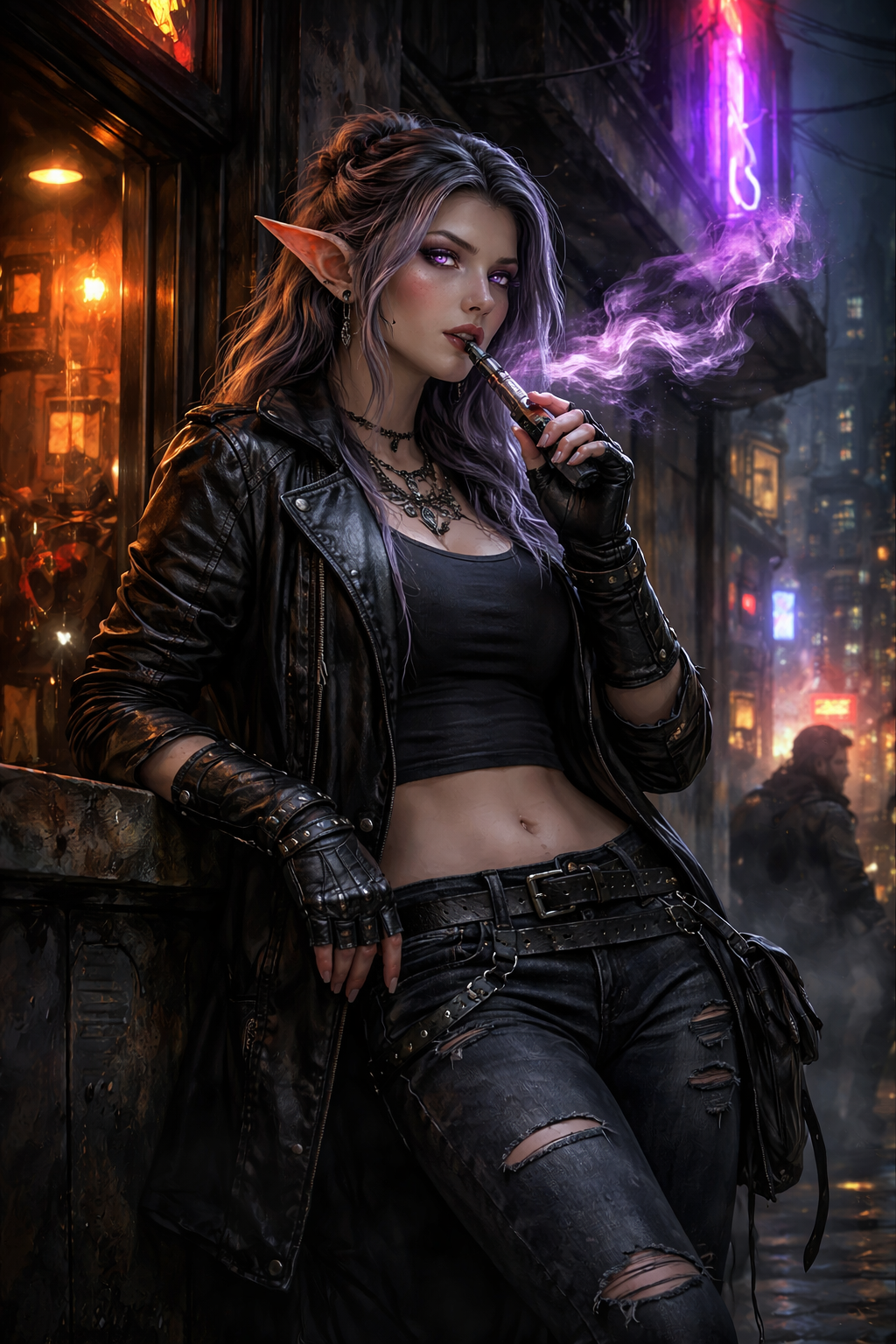
Shadow Kind is the collective term used for all sapient and non-sapient beings that originate from Shadow Rifts or are born within the Mundane Realm to at least one Shadow Kind parent. Rather than a single species, Shadow Kind represents a meta-class of life, unified by exposure to Shadow, altered ontological rules, and partial exemption from mundane biological and physical constants.Scientific Classification
Shadow Kind cannot be accurately classified under a single binomial system. Each lineage possesses its own internal taxonomy, but all are legally grouped under Shadow Kind for jurisdictional and containment purposes.Origin / Ancestry
Shadow Kind arise through two primary ancestries:- Rift-Origin Lineages: Beings that emerged directly from Shadow Rifts, shaped entirely by Shadow Realm physics.
- Hybrid Lineages: Offspring born in the Mundane Realm with at least one Shadow Kind parent, often displaying diluted but inheritable Shadow traits.
Parent Species
- Shadow Realm native entities
- Mundane sapient species (primarily Homo sapiens sapiens)
Geographic Distribution
Shadow Kind are most commonly encountered in:- Active or former Shadow Rift zones
- Urban convergence centers (notably Seattle)
- Deep Shadow-adjacent environments
Discovered By
The existence of Shadow Kind as a distinct classification was formally identified by early Shadow Investigations researchers following the first documented Shadow Rifts, though folklore and myth record encounters long before official recognition.Current Status
Shadow Kind are extant and increasing in number.Legal Status
Protected conditionally under Veil Law and Dark Law. Sapient Shadow Kind are afforded limited personhood; non-sapient entities are subject to containment or neutralization.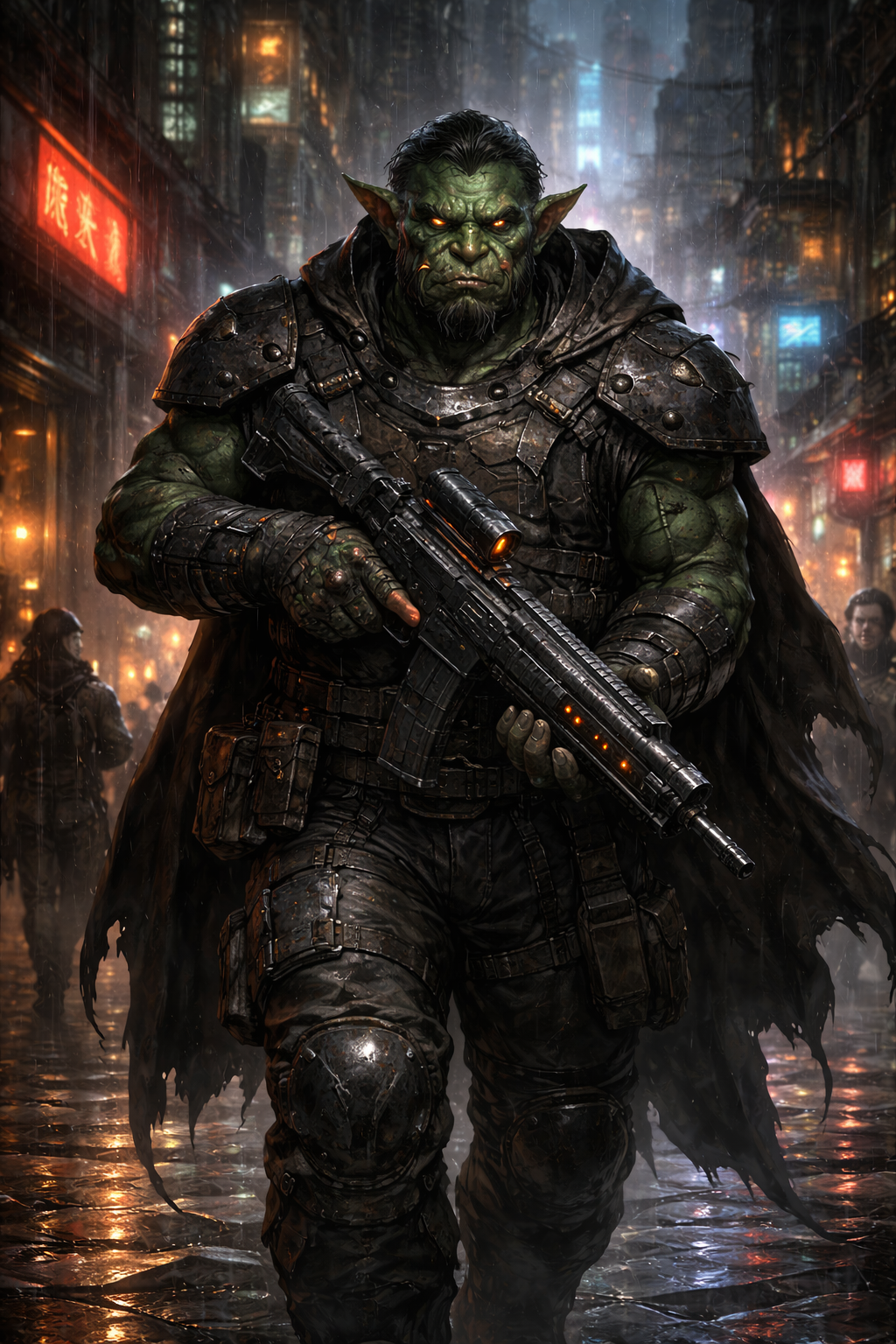



Comments