
Legal Framework of Seattle, Washington
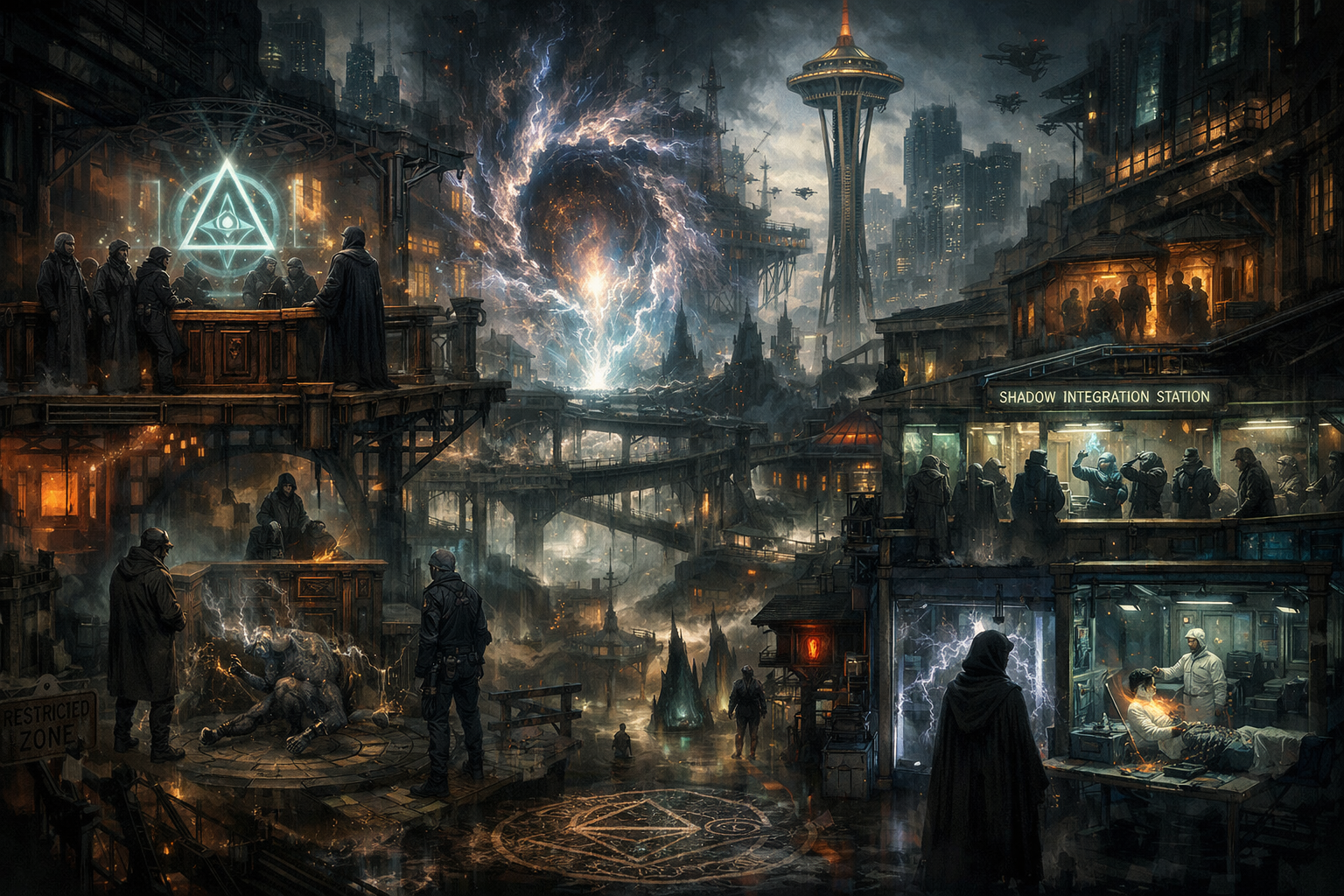
Seattle’s legal framework developed out of necessity following the convergence of the Mundane world with Shadow, the emergence of irreversible Shadow Rifts, and the collapse of assumptions about singular reality, stable identity, and universal jurisdiction. Traditional Mundane law, designed for a closed system with consistent physics and verifiable causality, proved inadequate when entities crossed realities without provenance, artifacts resisted material classification, and individuals arrived with consciousness but no recoverable past due to the Gift of Lethe. In response, Seattle’s legal system became a layered, adaptive structure intended not only to adjudicate disputes, but to stabilize existence. Law in Seattle now functions as a preventative architecture, aiming to minimize existential risk in a city where reality is demonstrably fragile.
Multiverse Law
Seattle recognizes the Multiverse Law as the foundational principle governing all cross-reality phenomena. This law asserts that no single realm, including the Mundane world, holds absolute sovereignty when actions may affect other realities. Under the Multiverse Law, consequences take precedence over intent; actions involving Shadow, magic, or dimensional manipulation are evaluated based on their broader effects rather than local legality. Regulation of rift travel, interaction with extraplanar entities, and use of reality-altering artifacts is justified by the risk of cascading destabilization, Rift proliferation, or irreversible reality bleed, rather than inherent immorality. Despite the absence of formal diplomatic contact with other realms, the Multiverse Law serves as a restraint doctrine, enforcing accountability and recognizing that survival in a multiversal context requires limitation rather than expansion.
Dark law
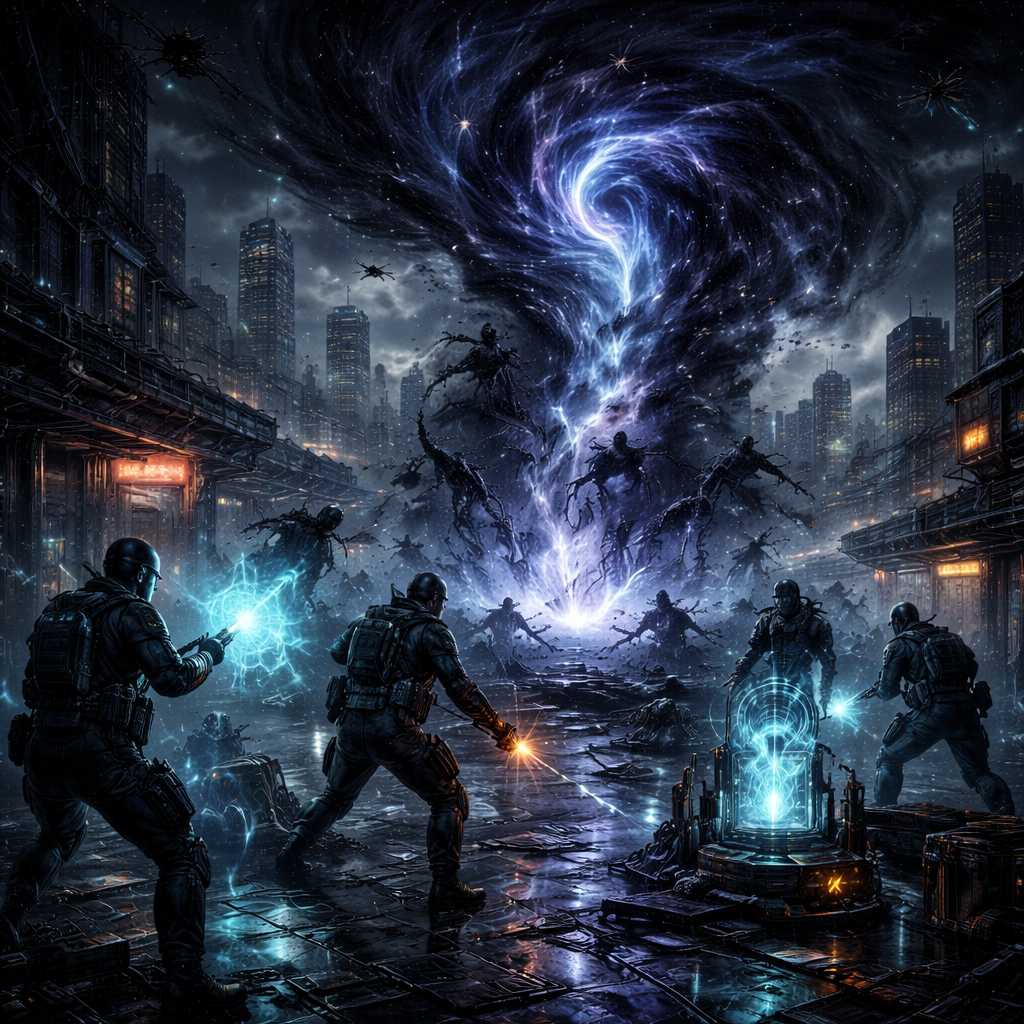
While the Multiverse Law defines the boundaries of interaction, the Dark Law governs conduct within those boundaries after Shadow breaches the Mundane world. The Dark Law addresses situations where secrecy, containment, and conventional enforcement are insufficient for stability. It authorizes extraordinary measures by designated agencies, particularly the Shadow Investigations Unit, including lethal force, restricted magic, artifact deployment, and reality-altering actions when necessary to prevent greater harm. Accountability remains central; actions under the Dark Law are subject to post-incident review based on outcomes, metaphysical impact, and long-term consequences, rather than intent or adherence to Mundane standards of proportionality. The Dark Law thus recognizes that Shadow does not conform to human morality, linear causality, or predictable physics, and requires a legal framework capable of operating within these constraints.
Veil Law
Complementing the Dark Law is the Veil Law, which governs secrecy, information control, and cognitive protection within the Mundane population. The Veil Law recognizes that unrestricted exposure to Shadow, magic, and multiversal truth poses an existential threat not only through panic and social collapse, but through direct psychological and metaphysical harm. Under this framework, knowledge itself is treated as a regulated substance. Agencies are empowered to suppress evidence, alter records, impose silence orders, and authorize memory management procedures when uncontrolled disclosure would accelerate destabilization. The purpose of the Veil Law is not to preserve ignorance indefinitely, but to delay disclosure until societal, infrastructural, and cognitive systems can adapt without catastrophic failure. In Seattle, secrecy is not denial; it is triage.
Ontological and Existential Statutes
A body of ontological and existential statutes addresses the scope of legal applicability, redefining personhood in a reality where origin, biology, and continuity are unreliable. Individuals and entities are evaluated based on agency, stability, and capacity for harm, rather than species, birthplace, or history. This approach is essential for Shadowkind, constructs, awakened beings, and those affected by Dark Tuning, whose identities may shift or fragment. Legal identity in Seattle is anchored to demonstrable continuity of will and responsibility, enabling courts to function despite widespread amnesia, possession, and metaphysical alteration.
Jurisdiction
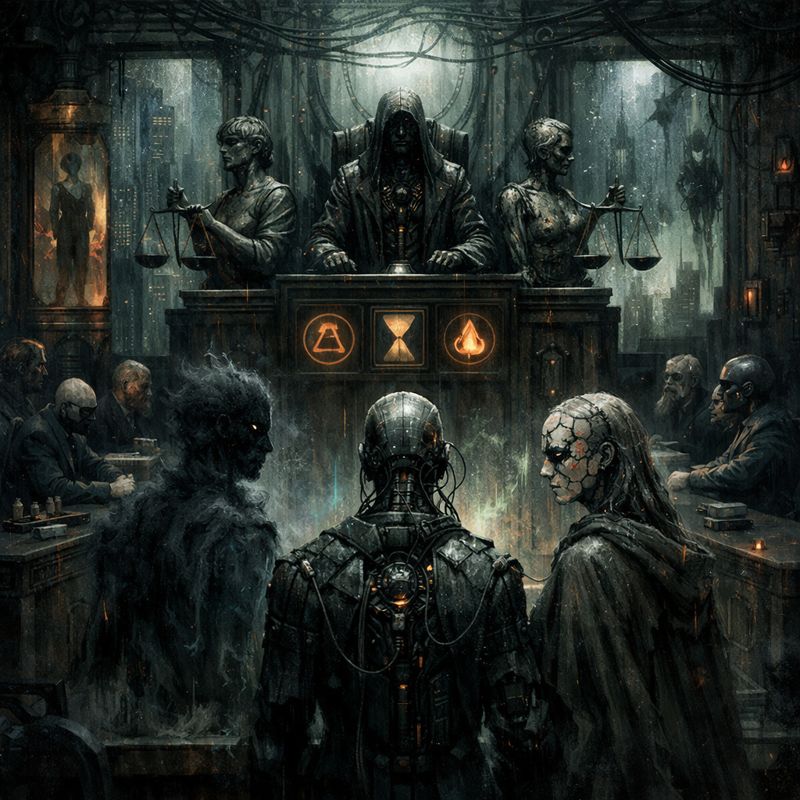
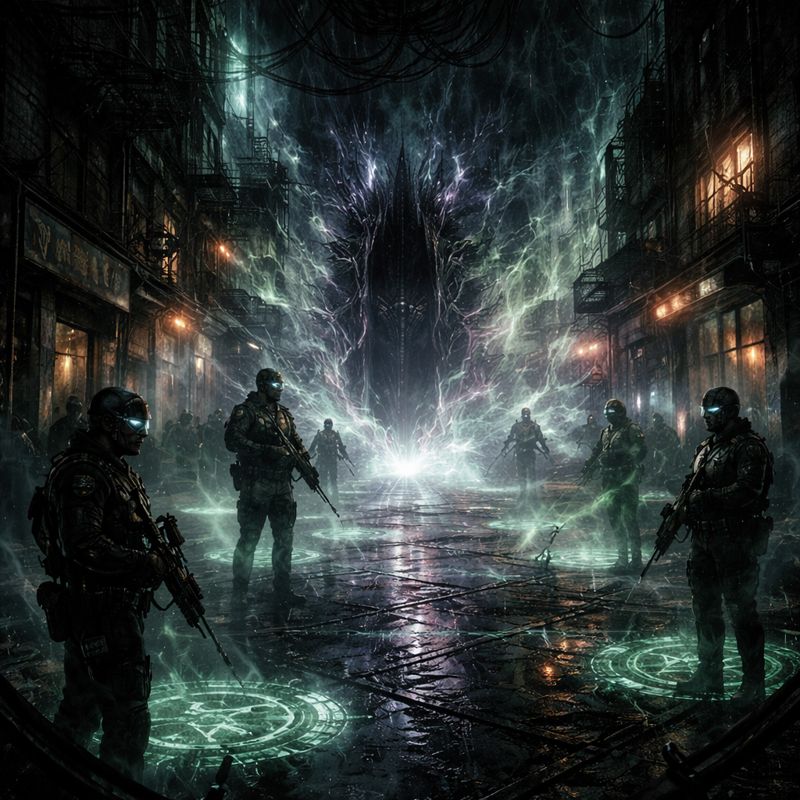
Jurisdiction within Seattle is similarly redefined. Authority is no longer determined solely by physical boundaries, but by metaphysical influence, Rift proximity, and the potential for cross-reality consequence. Certain spaces within the city—alleys, abandoned infrastructure, transit corridors, and areas saturated by Shadow—are designated as liminal zones where enforcement protocols differ and standard evidentiary rules do not apply. This conditional jurisdiction allows rapid intervention without requiring proof that may be impossible to obtain in environments where reality itself is unstable.
The Shadow Law
The Shadow Law, enacted on April 4, 2147 under Kevin Draco’s authority, is Seattle’s primary mechanism for integrating non-Mundane populations into civil society. Shadowkind residing in Seattle who affiliate with the Shadow Kind Alliance may obtain conditional citizenship through mandatory registration and assessment by the Shadow Investigations Unit. Those deemed capable of safe coexistence within Mundane society receive documentation, legal status, and regulated access to employment and housing. Individuals assessed as incompatible are relocated to the Shadow Kind Sanctuary, legally defined as a protective containment environment rather than a prison, to safeguard both the individual and the city. The Shadow Law pragmatically recognizes Shadowkind as permanent residents of a world without an exit, rather than as invaders or refugees.
Hazardous Infrastructure
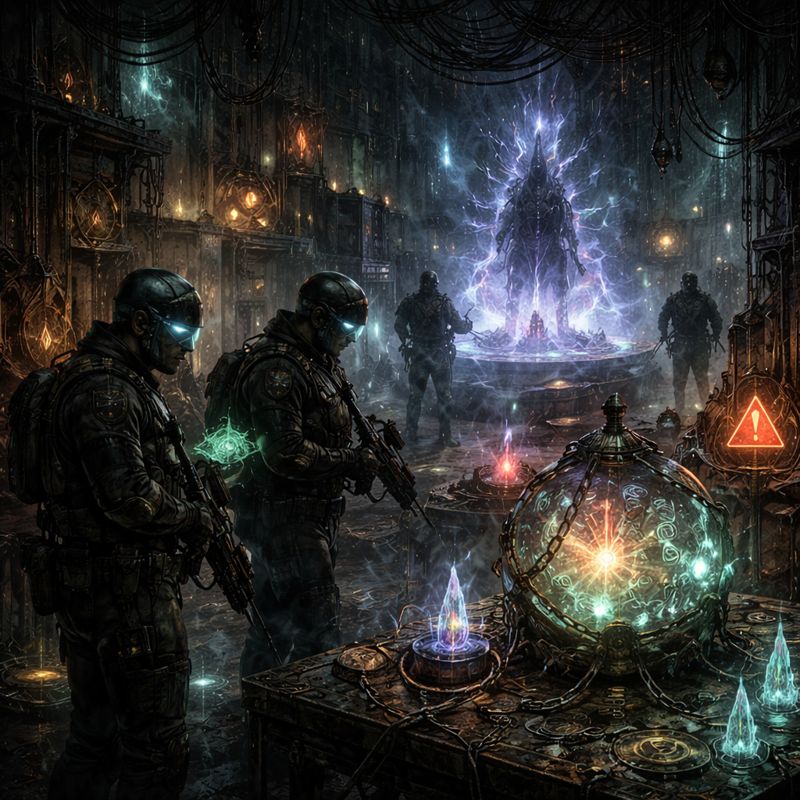
Magical practice, artifact possession, and reality-altering activities are regulated under a framework that treats magic as hazardous infrastructure. Casting, tuning, binding, and summoning require authorization based on training, stability, and demonstrated restraint. Artifacts are classified as controlled reality objects, distinct from property or weapons, and their handling is restricted to prevent ambient distortion or catastrophic misuse. Persistent violations of magical regulation are prosecuted as acts of reckless endangerment against the fabric of reality, rather than as crimes of intent.
Health, Labor, and Liability statutes
Corporate Authority
Seattle’s unique governance structure underpins all these laws. Draco Industries effectively rules the city, with corporate authority and state power legally combined through charters granting legislative, judicial, and enforcement control over Shadow-related matters. This arrangement is justified by capability, as Draco Industries possesses the necessary infrastructure, knowledge, and continuity to govern a city where reality breaches are routine. However, corporate authority is limited by stability mandates that prohibit exploiting Shadow or multiversal phenomena in ways that threaten long-term survival.
Justice
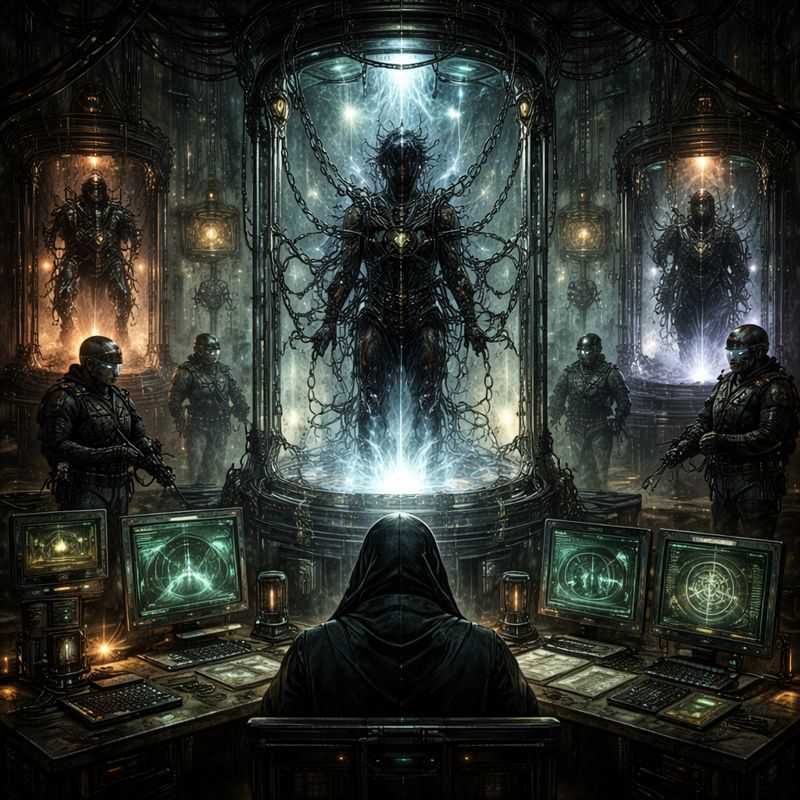
Justice in Seattle is no longer defined solely by restoration. With no return to home realms, no extradimensional extradition, and no reliable reversal of Shadow-induced change, punishment and containment are often permanent. Sentencing reflects this reality, favoring binding, isolation, or existential neutralization over rehabilitation when necessary. Mercy, where present, is codified as harm reduction rather than forgiveness.
Legal Principle
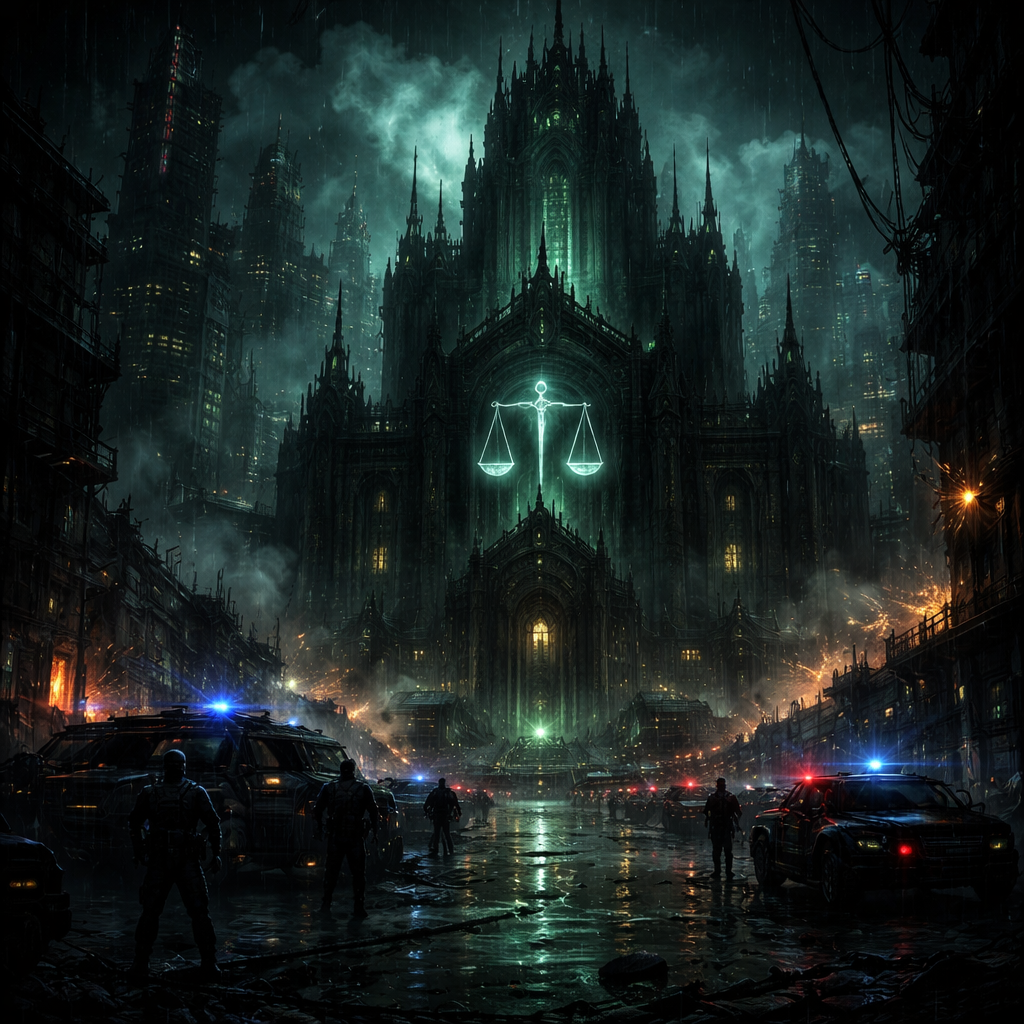
Seattle’s legal framework as a whole represents an adaptation to a world where reality is neither singular nor stable. Law exists not to impose order on chaos, but to prevent chaos from becoming uncontainable. In a city where darkness threatens not only society but the structure of existence, legality is defined by what enables continued survival rather than by conventional notions of right.



Comments